

 プレビュー
プレビュー
 プリントを購入
 シェアする
シェアする シェアする
シェアする
 詳細を見る
詳細を見る

 ダウンロード
 似ている作品
 X線調査
X線調査 スライドショー
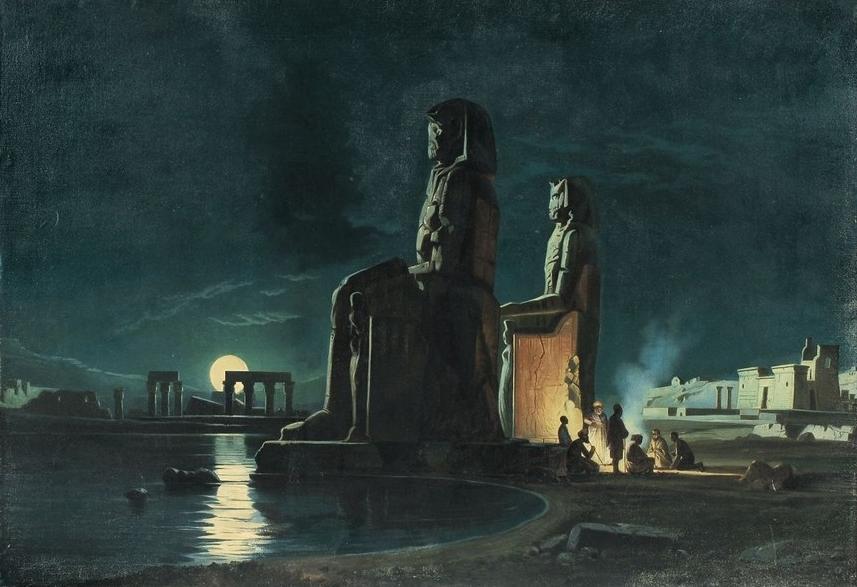
The Memnons in the Theban Plain by Moonlight
 1870
1870 81.0 x 117.0 cm
 詳細を見る
詳細を見る
オンラインプレビューをはるかに凌ぐ、高解像度で鮮明なデジタル画像をご購入いただけます。
各ファイルは、社内の専門家が高度なツールと熟練した手作業によるレタッチを用いて、細心の注意を払って準備されています。すべての画像において、卓越した鮮明度、正確な色彩再現性、そして繊細なディテールを保証いたします。
最終ファイルは、プロフェッショナルな編集・印刷環境ですぐにご利用いただけるよう最適化された状態で、72時間以内にメールにてお届けいたします。これは、一流のデザインスタジオ、出版社、ギャラリーから信頼されているものと同等の品質です。
デジタル画像のご注文に付随する特典
高品質なデジタル画像配信を、確かな品質で。
ArtsDot.com を選ぶことは、単に画像を手に入れることではありません。それは、プロの手によって精密に仕上げられ、満足保証が付いた高品質なデジタルアートワークを受け取ることを意味します。ご注文いただいた際に自動的に付随する内容は、以下の通りです:

メールですぐにお届け
ご注文から72時間以内に、高解像度のデジタル画像ファイルがメールでお手元に届きます。すぐにそのままご利用いただけます。

AI技術で最適化されたデジタルファイル
お客様の作品は、高度なAIツールと専門家による手作業の編集を組み合わせてプロフェッショナルに最適化されており、細部のディテール、鮮明さ、そして正確な色再現性を最大限に引き出しています。

一生涯無料の再送サービス
ファイルを誤って削除したり、紛失してしまったりしましたか?ご安心ください。いつでも無料で再送いたします。

輸入手数料は一切かかりません
関税や手数料、配送料を気にすることなく、お気に入りのアートワークをすぐにお楽しみいただけます。デジタルダウンロードは常に免税です。

色彩再現の保証
プロ仕様のツールとカラーマネジメント技術を用いることで、デジタル画像が元の色を最大限に忠実に再現することを保証いたします。

60日間満足保証
ご購入いただいたデジタル画像にご満足いただけない場合は、60日以内であれば、修正または100%の返金(理由を問う必要はありません)をさせていただきます。

100% 返金保証
ご満足いただけない場合は、デジタルファイルを受け取ってから60日以内であれば、理由を問わず全額返金いたします。

まとめ買い割引
3枚購入で10%OFF - 5枚購入で15%OFF - 10枚以上購入で20%OFF。クリエイティブなプロジェクト、ギャラリー、エージェンシーに最適です。
関連作品









作家の略歴
The Visionary of Light and Water: The Life of Carl Friedrich Heinrich Werner
In the quiet, scholarly atmosphere of 19th-century Weimar, a profound artistic journey began that would eventually bridge the gap between the romanticized European imagination and the sun-drenched realities of the Orient. Carl Friedrich Heinrich Werner, born in 1808, was not merely a painter of landscapes but a meticulous chronicler of light, architecture, and cultural essence. His early years were shaped by the rigorous artistic traditions of Germany, where he studied under the esteemed Julius Schnorr von Carolsfeld in Leipzig. This foundation provided him with a technical precision that would later become his greatest asset when navigating the complex textures of distant lands. While his brief foray into studying architecture in Munich between 1829 and 1831 might have seemed a departure from fine art, it actually gifted his later paintings with an unparalleled structural integrity, allowing him to render the ancient monuments of the Middle East with the soul of an artist and the eye of an architect.
The trajectory of Werner’s career took a transformative turn when he followed the path of many great travelers of his era, seeking inspiration beyond the borders of Europe. His time in Italy, particularly his establishment of a studio in Venice, served as a vital period of refinement. In the shimmering canals and decaying grandeur of Venice, Werner mastered the delicate art of watercolor layering, learning to capture the way light dances upon water and settles into stone. This period of his life was marked by an increasing fascination with the interplay between atmosphere and form, a skill that would later define his most celebrated works. As he moved through Europe, exhibiting in prestigious venues like the New Watercolour Society in England, his reputation as a master of the medium began to solidify, setting the stage for his most ambitious expeditions.
A Journey Through the Orient: Capturing the Sacred and the Sublime
The true essence of Werner’s legacy lies in his profound engagement with the landscapes of Palestine and Egypt. Unlike many Orientalist painters who relied on studio-bound fantasies or secondhand accounts, Werner sought direct, visceral contact with his subjects. His travels in the 1860s were more than mere sightseeing; they were spiritual and artistic pilgrimages. He possessed a rare privilege during his time in Jerusalem, becoming one of the few non-Muslim artists able to gain access to the interior of the Dome of the Rock. This intimate encounter allowed him to document the intricate mosaics and sacred geometry of the site with a level of detail that remains breathtaking even by modern standards.
His work from these expeditions transcends simple topographical recording. Through his brush, the bustling marketplaces, the ancient tombs of Egypt, and the sprawling vistas of the Nile became living, breathing entities. He had an uncanny ability to capture the atmospheric conditions—the heavy heat of a desert afternoon, the cool shadows of a stone portal, or the hazy light of a Mediterranean morning. His paintings often feature:
- Architectural Grandeur: A precise rendering of historical monuments such as the Sphinx and the Pyramids of Giza, treated with both reverence and scientific accuracy.
- Cultural Immediacy: The inclusion of human activity that provides a sense of scale and life to the vast landscapes.
- Tonal Mastery: An expert use of watercolor washes to create depth, suggesting the dusty air and sun-bleached surfaces of the Levant.
Legacy and Historical Significance
As the 19th century progressed, Werner’s work stood as a testament to the power of observation. While the Romantic movement often leaned toward the dramatic and the exaggerated, Werner maintained a commitment to a certain truthfulness, even when depicting the exotic. His published collection, Jerusalem, served as a vital visual record for a European audience hungry for authentic glimpses of the Holy Land. He did not merely paint scenes; he translated the very atmosphere of a culture into a medium that felt both intimate and expansive.
Today, the works of Carl Friedrich Heinrich Werner are cherished not only for their aesthetic beauty but for their historical value. They serve as windows into a world that was undergoing profound transitions, captured by an artist who possessed the patience to wait for the light and the skill to immortalize it. His contribution to the genre of Orientalist watercolor remains significant, marking him as a pioneer who moved beyond the superficial to find the enduring spirit within the architecture and landscapes of the East. Through his meticulous hand, the ancient stones of Egypt and the sacred halls of Jerusalem continue to speak to the modern viewer with clarity and grace.
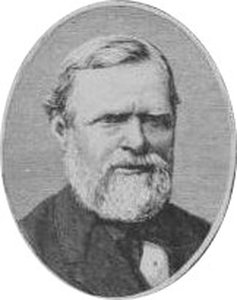
carl (friedrich heinrich) werner
1808 - 1894 , Germany
プロフィール概要
- Artistic Movement Or Style: Orientalism
- Date Of Birth: October 4, 1808
- Date Of Death: January 10, 1894
- Full Name: Carl Friedrich Heinrich Werner
- Nationality: German
- Notable Artworks:
- David's Strasse
- An Arab Street Scene
- Holsten gate at Lubeck
- Place Of Birth: Weimar, Germany

