

 プレビュー
プレビュー
 プリントを購入
 シェアする
シェアする シェアする
シェアする
 詳細を見る
詳細を見る

 ダウンロード
 似ている作品
 X線調査
X線調査 スライドショー
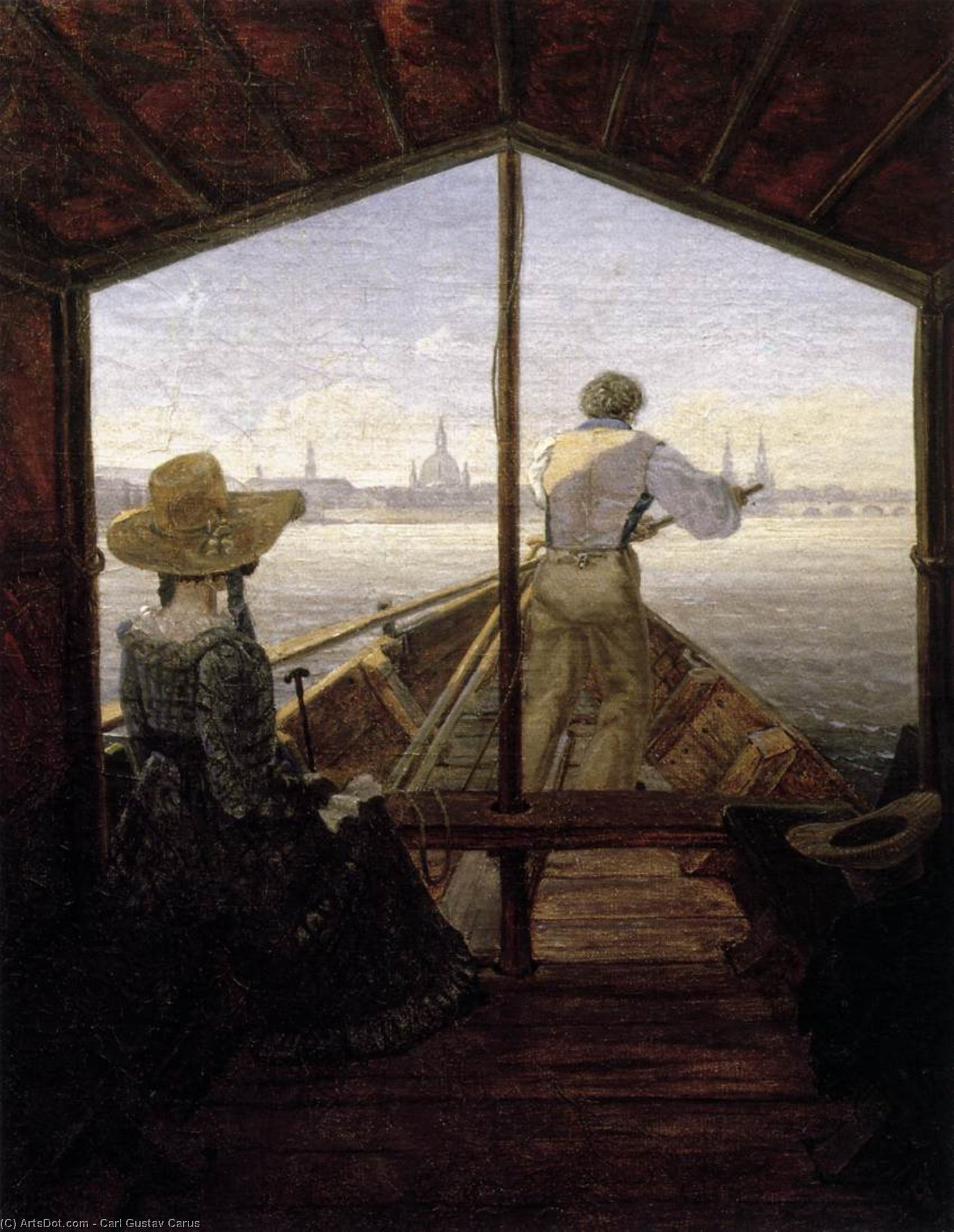
エルベ川近くのド레스ダンのゴンドラ
 キャンバスにアクリル絵具
- ウォールアート
- Romantic Landscape Painting
 1827
1827 29.0 x 22.0 cm
 Museum Kunstpalast
 詳細を見る
詳細を見る
オンラインプレビューをはるかに凌ぐ、高解像度で鮮明なデジタル画像をご購入いただけます。
各ファイルは、社内の専門家が高度なツールと熟練した手作業によるレタッチを用いて、細心の注意を払って準備されています。すべての画像において、卓越した鮮明度、正確な色彩再現性、そして繊細なディテールを保証いたします。
最終ファイルは、プロフェッショナルな編集・印刷環境ですぐにご利用いただけるよう最適化された状態で、72時間以内にメールにてお届けいたします。これは、一流のデザインスタジオ、出版社、ギャラリーから信頼されているものと同等の品質です。
デジタル画像のご注文に付随する特典
高品質なデジタル画像配信を、確かな品質で。
ArtsDot.com を選ぶことは、単に画像を手に入れることではありません。それは、プロの手によって精密に仕上げられ、満足保証が付いた高品質なデジタルアートワークを受け取ることを意味します。ご注文いただいた際に自動的に付随する内容は、以下の通りです:

メールですぐにお届け
ご注文から72時間以内に、高解像度のデジタル画像ファイルがメールでお手元に届きます。すぐにそのままご利用いただけます。

AI技術で最適化されたデジタルファイル
お客様の作品は、高度なAIツールと専門家による手作業の編集を組み合わせてプロフェッショナルに最適化されており、細部のディテール、鮮明さ、そして正確な色再現性を最大限に引き出しています。

一生涯無料の再送サービス
ファイルを誤って削除したり、紛失してしまったりしましたか?ご安心ください。いつでも無料で再送いたします。

輸入手数料は一切かかりません
関税や手数料、配送料を気にすることなく、お気に入りのアートワークをすぐにお楽しみいただけます。デジタルダウンロードは常に免税です。

色彩再現の保証
プロ仕様のツールとカラーマネジメント技術を用いることで、デジタル画像が元の色を最大限に忠実に再現することを保証いたします。

60日間満足保証
ご購入いただいたデジタル画像にご満足いただけない場合は、60日以内であれば、修正または100%の返金(理由を問う必要はありません)をさせていただきます。

100% 返金保証
ご満足いただけない場合は、デジタルファイルを受け取ってから60日以内であれば、理由を問わず全額返金いたします。

まとめ買い割引
3枚購入で10%OFF - 5枚購入で15%OFF - 10枚以上購入で20%OFF。クリエイティブなプロジェクト、ギャラリー、エージェンシーに最適です。
作品の詳細
カール・グスタフ・カースの「エルベ川沿いのド레스ダンのゴンドラ」:ロマン主義と科学の融合が生み出す風景画の魅力
カール・グスタフ・カースは、ドイツロマン主義と科学的探求を融合させた画家でありながら、同時に優れた博物学者、鉱物学者、そして心理学者としても活躍しました。彼の生涯は、ゲーテ文学の輝きの中で育まれ、芸術と知性の両方を追求する時代精神を体現しています。この作品「エルベ川沿いのド레스ダンのゴンドラ」は、まさにその時代の空気感を凝縮した傑作と言えるでしょう。主題と構図:自然への賛美と人間の感情の表現
この絵画の中心となるのは、エルベ川に浮かぶゴンドラに乗った男性です。彼は顔を上げ、水面に視線を向けた姿勢で、周囲の風景を静かに観察しています。男性の隣にはもう一人男性がおり、ゴンドラの後方には女性が座っています。これらの人物は、単なる背景として描かれたのではなく、絵画全体に動きと奥行きを与え、見る人に感動的な体験をもたらします。特に男性の表情は、どこか憂いを帯びており、自然に対する畏敬の念と同時に、人間の感情を繊細に表現していると言えるでしょう。スタイルと技法:ドイツロマン主義における風景画の理想
カースが描いたこの作品は、ドイツロマン主義の特徴である「シュルブイム・ビューティ」すなわち崇高な美しさを追求した芸術家の代表的な例です。彼は、自然を観察することで人間の精神に感動を与えようと試みました。絵画技法としては、細密な描写と色彩豊かな表現が用いられています。特にエルベ川の水面や周囲の建物は、光の反射によって生き生きと動きを感じさせます。この技法は、当時の画家たちに大きな影響を与え、風景画における新たな表現方法を確立しました。歴史的背景:ゲーテとのコラボレーションとド레스ダンの文化
この絵画が制作された1827年は、ゲーテ文学がヨーロッパで圧倒的な人気を集めていた時期でした。カースはゲーテと親交があり、彼の思想や芸術に大きな影響を受けました。彼は特に、自然に対する賛美をテーマにした作品を多く制作し、ド레스ダンの文化に貢献しました。この絵画は、当時の社会情勢や哲学思想を反映しており、歴史的な文脈の中で見ることでより深い感動を得ることができます。シンボルと感情的効果:静寂と孤独の美しさ
「エルベ川沿いのド레스ダンのゴンドラ」は、単なる風景画ではありません。それは、人間の精神が自然の中に求めるもの、すなわち静寂と孤独の美しさを表現した作品です。絵画全体に漂う空気感は、見る人に深い感動を与え、心を落ち着かせる効果があります。この絵画を鑑賞する人は、まるでエルベ川沿いの風景の中に立ち込めるように感じられ、自然との一体感を体験することができるでしょう。これは、芸術家が人間の感情を表現し、見る人の心に響く力を持つことができる証拠と言えるのではないでしょうか。関連作品
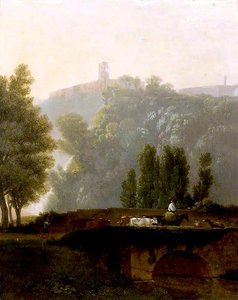
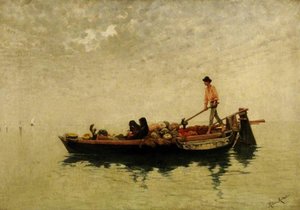
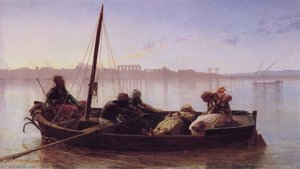
作家の略歴
The Polymath of the Romantic Soul
Carl Gustav Carus stands as a singular, luminous figure in the tapestry of German history, a man whose intellect refused to be confined by the boundaries of a single discipline. Born in Leipzig in 1789, Carus was far more than a mere painter; he was a true polymath, navigating the intricate intersections of medicine, botany, geology, and psychology with equal mastery. His life unfolded during an era of profound intellectual ferment, a time when the scientific rigor of the Enlightenment began to dance with the emotional depth of Romanticism. To look upon a Carus landscape is to witness more than just scenery; it is to see the world through the eyes of a scientist who found the divine in the anatomical precision of a leaf and the spiritual sublime in the shifting mists of a riverbank.
His early education in Leipzig provided him with a formidable foundation in mathematics and the natural sciences, disciplines that would forever inform his artistic eye. This scientific grounding allowed him to approach the canvas with a unique clarity, observing the physical world not just as a subject for beauty, but as a complex, living organism. As he moved toward Jena University, he found himself immersed in the philosophical currents of his time, studying alongside the legendary Goethe. This connection was pivotal, as it placed Carus at the very heart of the German Romantic movement, where the contemplation of nature served as a gateway to understanding the human psyche and the infinite mysteries of the universe.
A Symbiosis of Science and Artistry
While his brush captured the ethereal, his hands practiced the healing arts. Carus established a distinguished medical career in Dresden, serving as a Professor of Obstetrics and the Director of the Maternity Clinic. This dual identity—physician and artist—created a fascinating tension in his work. His deep understanding of human anatomy and physiology lent an unparalleled realism to his depictions of the natural world; he understood the structural integrity of a tree trunk and the delicate translucency of light through fog as intimately as he understood the pulse of a living patient. This meticulous observation allowed him to bridge the gap between the tangible, physical reality of nature and its intangible, emotional resonance.
The trajectory of his artistic development was profoundly shaped by his close friendship and collaboration with Caspar David Friedrich. Together, these two masters of German Romanticism explored the concept of the sublime—that overwhelming sense of awe and terror inspired by the vastness of nature. While Friedrich often focused on the spiritual isolation of the individual, Carus brought a unique atmospheric precision to the movement. His works, such as the hauntingly beautiful Gothic Windows in the Ruins of the Monastery at Oybin, utilize light and shadow to evoke a sense of historical weight and melancholic beauty, capturing the way ruins become part of the organic landscape over time.
Legacy of Light and Thought
The enduring significance of Carl Gustav Carus lies in his ability to synthesize seemingly disparate worlds. His paintings are not merely static images but are imbued with a psychological depth that foreshadowed much of modern thought. His explorations into the relationship between the external environment and internal perception have drawn comparisons to the later psychological insights of figures like Carl Jung, and his scientific observations contributed to the broader intellectual climate that influenced Charles Darwin. He saw no conflict between the empirical study of the earth and the poetic interpretation of its beauty.
Even in his more tranquil compositions, such as Morning Fog or A Gondola on the Elbe near Dresden, one can sense this profound harmony. In these works, the subtle gradations of color and the soft, ethereal light evoke a sense of peace and cosmic connection. Carus leaves behind a legacy that challenges us to view the world with both a keen, analytical eye and an open, feeling heart. He remains a testament to the idea that true understanding comes from the marriage of observation and imagination, making him one of the most intellectually complete artists to ever grace the Romantic era.
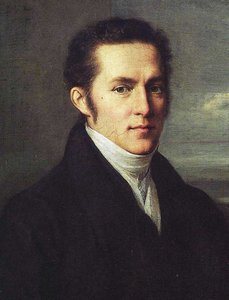
Carl Gustav Carus
1789 - 1869 , Germany
プロフィール概要
- Artistic Movement Or Style: Romanticism
- Artists Or Movements Influenced By This Artist: ['Jung']
- Artists Who Influenced This Artist: ['Caspar David Friedrich']
- Date Of Birth: January 3, 1789
- Date Of Death: July 28, 1869
- Full Name: Carl Gustav Carus
- Nationality: German
- Notable Artworks:
- Morning Fog
- Gothic Windows in the Ruins of the Monastery at Oybin
- Oaks at the Sea Shore
- Place Of Birth: Leipzig, Germany

