

 プレビュー
プレビュー
 プリントを購入
 シェアする
シェアする シェアする
シェアする
 詳細を見る
詳細を見る

 ダウンロード
 似ている作品
 X線調査
X線調査 スライドショー
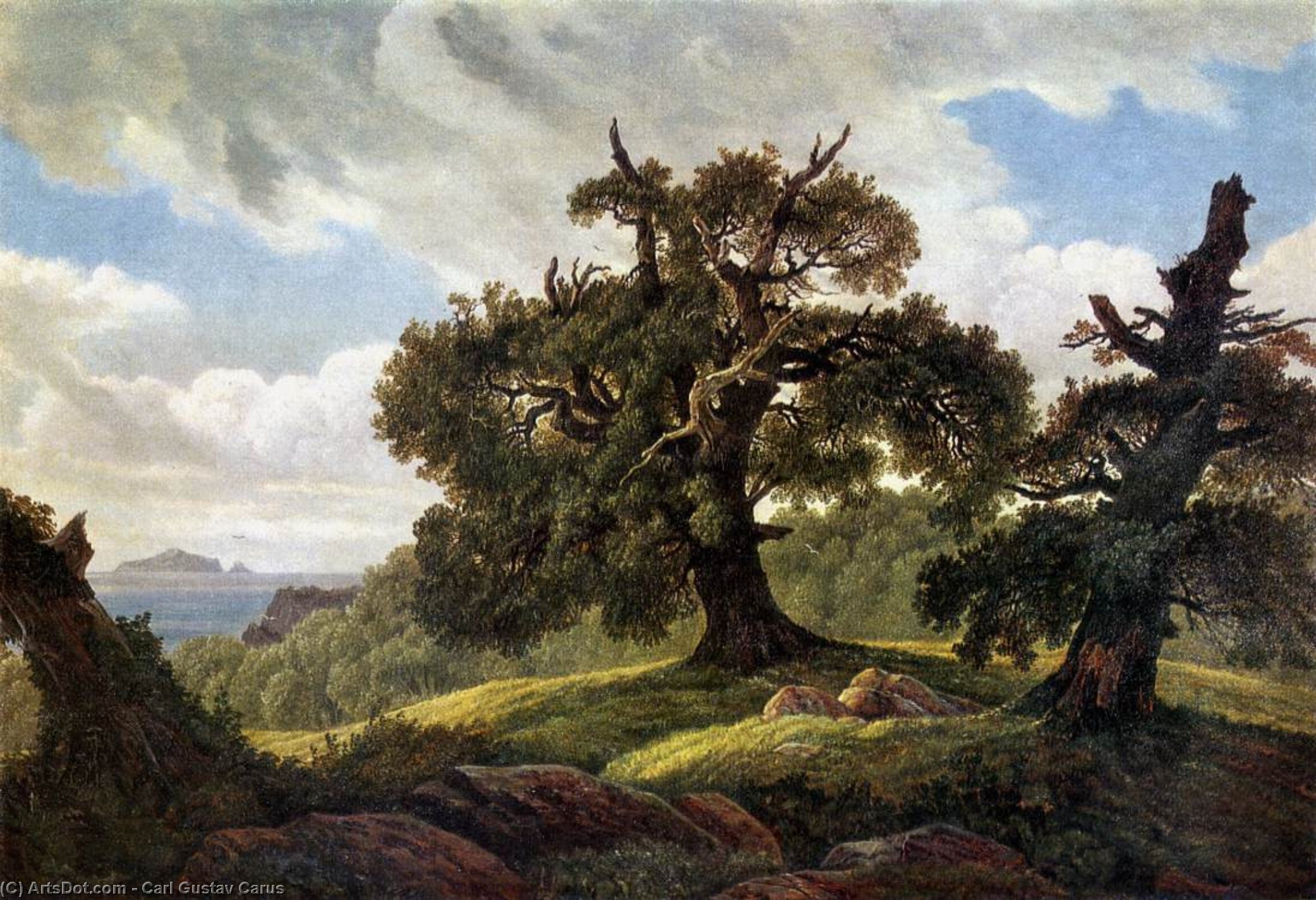
Oaks at the Sea Shore
 Oil On Canvas
- WallArt
- Romantic Landscape Painting
 1835
1835- 19th Century
 118.0 x 163.0 cm
 Gemäldegalerie Alte Meister
 詳細を見る
詳細を見る
オンラインプレビューをはるかに凌ぐ、高解像度で鮮明なデジタル画像をご購入いただけます。
各ファイルは、社内の専門家が高度なツールと熟練した手作業によるレタッチを用いて、細心の注意を払って準備されています。すべての画像において、卓越した鮮明度、正確な色彩再現性、そして繊細なディテールを保証いたします。
最終ファイルは、プロフェッショナルな編集・印刷環境ですぐにご利用いただけるよう最適化された状態で、72時間以内にメールにてお届けいたします。これは、一流のデザインスタジオ、出版社、ギャラリーから信頼されているものと同等の品質です。
デジタル画像のご注文に付随する特典
高品質なデジタル画像配信を、確かな品質で。
ArtsDot.com を選ぶことは、単に画像を手に入れることではありません。それは、プロの手によって精密に仕上げられ、満足保証が付いた高品質なデジタルアートワークを受け取ることを意味します。ご注文いただいた際に自動的に付随する内容は、以下の通りです:

メールですぐにお届け
ご注文から72時間以内に、高解像度のデジタル画像ファイルがメールでお手元に届きます。すぐにそのままご利用いただけます。

AI技術で最適化されたデジタルファイル
お客様の作品は、高度なAIツールと専門家による手作業の編集を組み合わせてプロフェッショナルに最適化されており、細部のディテール、鮮明さ、そして正確な色再現性を最大限に引き出しています。

一生涯無料の再送サービス
ファイルを誤って削除したり、紛失してしまったりしましたか?ご安心ください。いつでも無料で再送いたします。

輸入手数料は一切かかりません
関税や手数料、配送料を気にすることなく、お気に入りのアートワークをすぐにお楽しみいただけます。デジタルダウンロードは常に免税です。

色彩再現の保証
プロ仕様のツールとカラーマネジメント技術を用いることで、デジタル画像が元の色を最大限に忠実に再現することを保証いたします。

60日間満足保証
ご購入いただいたデジタル画像にご満足いただけない場合は、60日以内であれば、修正または100%の返金(理由を問う必要はありません)をさせていただきます。

100% 返金保証
ご満足いただけない場合は、デジタルファイルを受け取ってから60日以内であれば、理由を問わず全額返金いたします。

まとめ買い割引
3枚購入で10%OFF - 5枚購入で15%OFF - 10枚以上購入で20%OFF。クリエイティブなプロジェクト、ギャラリー、エージェンシーに最適です。
作品の詳細
Oaks at the Sea Shore by Carl Gustav Carus: A Symphony of Tranquility
The painting “Oaks at the Sea Shore” by Carl Gustav Carus stands as an emblem of Romantic landscape art—a testament to its preoccupation with sublime beauty and the profound connection between humanity and nature. Created in 1835, this oil on canvas masterpiece resides within the Gemäldegalerie Dresden, Germany, offering viewers a glimpse into a pivotal moment in German artistic history. Carus’s vision wasn't merely to depict a picturesque scene; he sought to convey an emotional resonance that captured the spirit of his time—a yearning for contemplation and awe before the grandeur of the natural world.Composition and Style: Embracing Atmospheric Depth
Carus meticulously crafted the composition, prioritizing visual depth and conveying a sense of serene stillness. Dominating the canvas are several mature oaks with gnarled trunks and dense foliage, positioned on a gently sloping hillside that descends towards the viewer’s gaze. This deliberate perspective creates an illusion of space—drawing the eye upwards into the treetops while simultaneously anchoring it to the textured earth below. Scattered rocks punctuate the foreground, adding tactile detail and reinforcing the landscape's rugged character. The backdrop is occupied by a tranquil expanse of water—likely the Baltic Sea—dotted with islands under a sky partially veiled by clouds. These elements coalesce into an immersive experience for the observer, mirroring the Romantic ideal of confronting overwhelming beauty without fear or intrusion.Technique: Impressionistic Brushstrokes and Luminosity
Carus’s artistic approach exemplifies the burgeoning influence of Impressionism within Romantic painting. He employed loose, expressive brushstrokes—a hallmark of the movement—to capture the fleeting effects of light and shadow across the landscape. Unlike earlier Baroque or Neoclassical styles that prioritized precise detail, Carus prioritized capturing the atmosphere—the subtle nuances of color and texture that define a particular moment in time. The artist skillfully blended pigments to achieve luminous washes of color, particularly in the foliage and sky, creating an ethereal quality that imbues the painting with palpable emotion. This technique wasn’t merely about accurate representation; it was about conveying feeling—a desire to evoke the viewer's imagination and transport them into the contemplative realm of Romantic art.Historical Context: Goethe’s Influence and the Spirit of Dresden
“Oaks at the Sea Shore” emerged during a period profoundly shaped by the literary genius of Johann Wolfgang von Goethe and the intellectual dynamism of Dresden—Carus’s home city. Goethe's exploration of nature as a source of spiritual insight served as an inspiration for artists like Carus, who sought to express similar sentiments through their canvases. The painting reflects the Romantic preoccupation with sublime beauty—the awe-inspiring grandeur of nature that transcends rational understanding and elevates the human spirit. It embodies Dresden’s artistic ambition during this era—a commitment to portraying landscapes with sensitivity and capturing the emotional impact of natural vistas on the human psyche.Symbolism: Oak Trees as Symbols of Resilience and Wisdom
The oak tree itself holds significant symbolic weight within Romantic art, representing strength, endurance, and wisdom—qualities valued by artists and intellectuals alike. Carus’s depiction of these venerable oaks underscores their enduring presence in the landscape—a visual reminder of nature's resilience against time and adversity. The sea, too, symbolizes vastness, mystery, and the sublime—challenging viewers to contemplate the immensity of creation and their own place within it. Together, these elements contribute to a deeper narrative—one that speaks to the Romantic yearning for spiritual contemplation and connection with the natural world.Emotional Impact: A Moment Frozen in Tranquility
Ultimately, “Oaks at the Sea Shore” succeeds in conveying an unparalleled sense of tranquility—a stillness that invites reflection and fosters appreciation for the beauty of the natural environment. The painting’s muted palette—dominated by greens and blues—creates a harmonious visual experience that aligns perfectly with the Romantic ethos of contemplation. It captures a fleeting moment—the dappled sunlight filtering through the oak leaves—transforming it into an emblem of serenity and timelessness. Viewing this artwork evokes feelings of peace, wonder, and reverence for the sublime—a testament to Carus’s artistic vision and its enduring power to inspire viewers across generations.関連作品
作家の略歴
The Polymath of the Romantic Soul
Carl Gustav Carus stands as a singular, luminous figure in the tapestry of German history, a man whose intellect refused to be confined by the boundaries of a single discipline. Born in Leipzig in 1789, Carus was far more than a mere painter; he was a true polymath, navigating the intricate intersections of medicine, botany, geology, and psychology with equal mastery. His life unfolded during an era of profound intellectual ferment, a time when the scientific rigor of the Enlightenment began to dance with the emotional depth of Romanticism. To look upon a Carus landscape is to witness more than just scenery; it is to see the world through the eyes of a scientist who found the divine in the anatomical precision of a leaf and the spiritual sublime in the shifting mists of a riverbank.
His early education in Leipzig provided him with a formidable foundation in mathematics and the natural sciences, disciplines that would forever inform his artistic eye. This scientific grounding allowed him to approach the canvas with a unique clarity, observing the physical world not just as a subject for beauty, but as a complex, living organism. As he moved toward Jena University, he found himself immersed in the philosophical currents of his time, studying alongside the legendary Goethe. This connection was pivotal, as it placed Carus at the very heart of the German Romantic movement, where the contemplation of nature served as a gateway to understanding the human psyche and the infinite mysteries of the universe.
A Symbiosis of Science and Artistry
While his brush captured the ethereal, his hands practiced the healing arts. Carus established a distinguished medical career in Dresden, serving as a Professor of Obstetrics and the Director of the Maternity Clinic. This dual identity—physician and artist—created a fascinating tension in his work. His deep understanding of human anatomy and physiology lent an unparalleled realism to his depictions of the natural world; he understood the structural integrity of a tree trunk and the delicate translucency of light through fog as intimately as he understood the pulse of a living patient. This meticulous observation allowed him to bridge the gap between the tangible, physical reality of nature and its intangible, emotional resonance.
The trajectory of his artistic development was profoundly shaped by his close friendship and collaboration with Caspar David Friedrich. Together, these two masters of German Romanticism explored the concept of the sublime—that overwhelming sense of awe and terror inspired by the vastness of nature. While Friedrich often focused on the spiritual isolation of the individual, Carus brought a unique atmospheric precision to the movement. His works, such as the hauntingly beautiful Gothic Windows in the Ruins of the Monastery at Oybin, utilize light and shadow to evoke a sense of historical weight and melancholic beauty, capturing the way ruins become part of the organic landscape over time.
Legacy of Light and Thought
The enduring significance of Carl Gustav Carus lies in his ability to synthesize seemingly disparate worlds. His paintings are not merely static images but are imbued with a psychological depth that foreshadowed much of modern thought. His explorations into the relationship between the external environment and internal perception have drawn comparisons to the later psychological insights of figures like Carl Jung, and his scientific observations contributed to the broader intellectual climate that influenced Charles Darwin. He saw no conflict between the empirical study of the earth and the poetic interpretation of its beauty.
Even in his more tranquil compositions, such as Morning Fog or A Gondola on the Elbe near Dresden, one can sense this profound harmony. In these works, the subtle gradations of color and the soft, ethereal light evoke a sense of peace and cosmic connection. Carus leaves behind a legacy that challenges us to view the world with both a keen, analytical eye and an open, feeling heart. He remains a testament to the idea that true understanding comes from the marriage of observation and imagination, making him one of the most intellectually complete artists to ever grace the Romantic era.
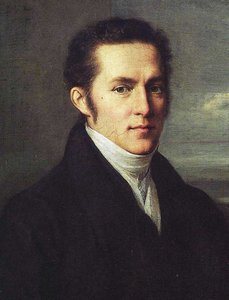
Carl Gustav Carus
1789 - 1869 , Germany
プロフィール概要
- Artistic Movement Or Style: Romanticism
- Artists Or Movements Influenced By This Artist: ['Jung']
- Artists Who Influenced This Artist: ['Caspar David Friedrich']
- Date Of Birth: January 3, 1789
- Date Of Death: July 28, 1869
- Full Name: Carl Gustav Carus
- Nationality: German
- Notable Artworks:
- Morning Fog
- Gothic Windows in the Ruins of the Monastery at Oybin
- Oaks at the Sea Shore
- Place Of Birth: Leipzig, Germany

