

 プレビュー
プレビュー
 プリントを購入
 シェアする
シェアする シェアする
シェアする
 詳細を見る
詳細を見る

 ダウンロード
 似ている作品
 X線調査
X線調査 スライドショー
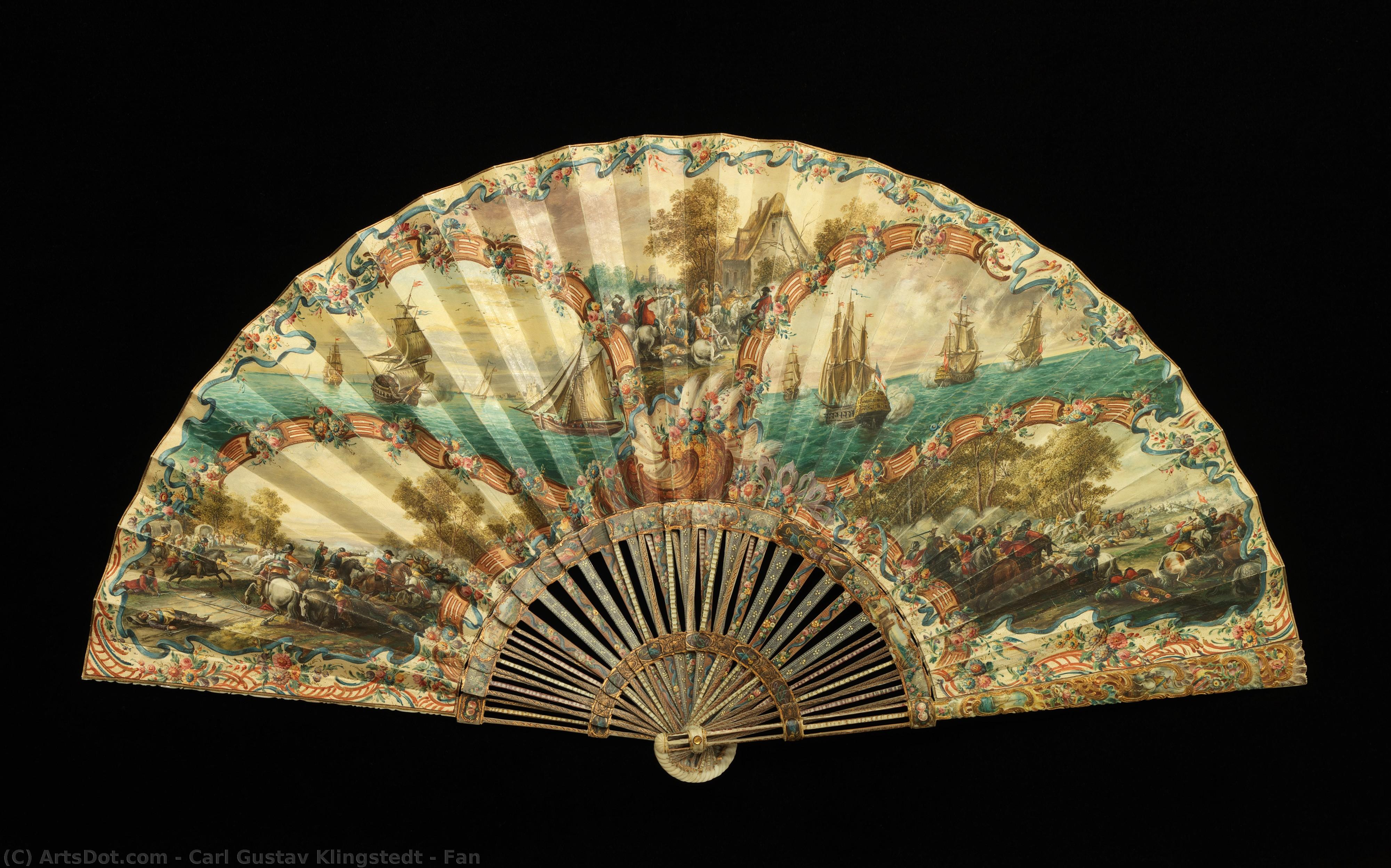
Fan
 1715
1715 2.0 x 8.0 cm
 詳細を見る
詳細を見る




































作品のオリジナル比率に合わせた、当店の規定サイズからお選びください。

特定のフレームやスペースに合わせて、ご希望のサイズをご入力いただけます。選択されたサイズが元の画像の比率と異なる場合、アートワークをトリミングするか、手描きで要素を追加して絵画を拡張いたします。デジタルモックアップ を制作し、制作開始前にご確認(承認)をいただきます。
画面上のプレビューは、実際のトリミングや拡張を正確に反映しているものではありません。最終的な構図は、モックアップによってのみ正確にご確認いただけます。
カスタムサイズもご利用いただけますが、元の比率を維持するためには、あらかじめ用意されたリストからサイズを選択することをお勧めいたします。
ご注文後、ArtsDot.com チームより詳細な指示をお送りするとともに、仕上がりイメージ(モックアップ)をご提供いたします。


 ガラスオプションは、110cm未満のサイズでのみご利用いただけます。

Fan
複製技法
複製画のサイズ
-


合計金額
$ 313
関連作品









アーティストの略歴
Carl Gustav Klingstedt: The Raphael of Tobacco Boxes
Carl Gustav Klingstedt, a name perhaps less familiar than many of his contemporaries, nevertheless stands as a pivotal figure in the history of 18th-century Swedish art. Born in Stockholm in 1697 and tragically passing away in Paris in 1765, Klingstedt carved out a unique niche for himself through his exquisite miniature paintings, particularly renowned for their intimate scenes of mythology, historical narratives, and glimpses into everyday life. Often referred to as “Le Raphael des Tabatiers” – "The Raphael of Tobacco Boxes" – this moniker speaks volumes about the meticulous detail, refined elegance, and often subtly provocative nature of his work. His legacy lies not just in the sheer beauty of his creations but also in his pioneering use of grisaille techniques and his ability to capture a remarkable sense of atmosphere within such diminutive canvases.Early Life and Artistic Training
Klingstedt’s early life remains somewhat shrouded in mystery, though it's known he entered the Swedish army at the young age of 19. This military experience, surprisingly, proved formative, instilling a discipline and attention to detail that would later translate directly into his artistic practice. Following his service, he embarked on a journey that took him through France, where he received crucial training from prominent artists of the era. He initially served as a draftsman for Maximilian II Emanuel, Elector of Bavaria, a position that exposed him to the opulent courtly art of Southern Germany. Later, he found patronage with Philippe I, Duke of Orleans, and ultimately secured a pension from Guillaume Dubois, a cardinal minister known for his support of the arts. This period in France was instrumental in shaping Klingstedt’s style, introducing him to French artistic conventions and techniques – particularly those associated with the Rococo movement. His adoption of the French form of his name, “Clinchelet,” further underscores this assimilation into the French art world.Technique and Style: Grisaille and Eroticism
Klingstedt’s artistic signature is immediately recognizable through his masterful command of grisaille – a technique employing shades of grey to create depth and form, mimicking the appearance of sculpture. This approach allowed him to achieve an astonishing level of realism within the constraints of miniature painting, imbuing his figures with a remarkable sense of volume and presence. He rarely utilized bright colors, preferring instead to build up layers of grey tones, creating a subtle yet powerful visual impact. However, it was Klingstedt’s willingness to explore themes of eroticism that truly set him apart. Many of his most celebrated works – particularly those painted on tobacco boxes and vellum – depict scenes of flirtation, courtship, and intimate encounters with a frankness unusual for the period. These images weren't simply salacious; they often carried layers of symbolism and allegorical meaning, reflecting the prevailing attitudes towards sexuality in 18th-century Europe. His work was considered highly desirable by aristocratic patrons who appreciated both the artistic skill and the discreet sensuality of his creations.Notable Works and Patronage
Klingstedt’s output is remarkably prolific, considering the scale of his medium. He produced a vast number of miniature paintings, many of which were commissioned for private use – particularly tobacco boxes, snuff boxes, and writing desks. His work was highly sought after by European nobility, including Maria Karolina Sobieska, Duchess of Bouillon, who owned a portrait of him, and Voltaire himself, who penned a sonnet in her honor praising his skill. The sonnet highlights the reverence with which Klingstedt was regarded: “Cesse, Bouillon, de vanter davantage / Ce Clinchetet qui peignit tes attraits: / Un meilleur peintre, avec de plus beaux traits, / Dans tous nos cœurs a tracé ton image, et cependant tu n’en parles jamais.” His works are now housed in prestigious collections worldwide, including the Louvre, the Metropolitan Museum of Art, and the British Museum, testament to their enduring artistic merit.Legacy and Historical Significance
Carl Gustav Klingstedt's contribution to art history extends beyond his technical skill and stylistic innovations. He represents a fascinating intersection of military experience, aristocratic patronage, and artistic experimentation. His embrace of eroticism within the context of miniature painting challenged conventional notions of propriety and offered a glimpse into the private desires and sensibilities of 18th-century European society. He remains an important figure in the study of Rococo art, particularly for his unique approach to grisaille and his ability to infuse even the smallest canvases with drama and emotion. The nickname “Le Raphael des Tabatiers” – a title bestowed upon him by Voltaire – perfectly encapsulates his reputation as a master miniaturist who elevated the humble tobacco box into a vehicle for exquisite artistry and subtle, captivating storytelling.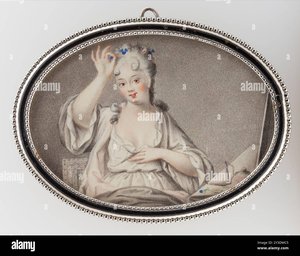
carl gustav klingstedt
1697 - 1765 , Sweden
基本情報
- Artistic Movement Or Style: Miniature painting
- Date Of Birth: 1697
- Date Of Death: 1765
- Full Name: Carl Gustav Klingstedt
- Nationality: Swedish
- Notable Artworks: ['Le Raphael des Tabatiers']
- Place Of Birth: Stockholm, Sweden