

 プレビュー
プレビュー
 プリントを購入
 シェアする
シェアする シェアする
シェアする
 詳細を見る
詳細を見る

 ダウンロード
 似ている作品
 X線調査
X線調査 スライドショー
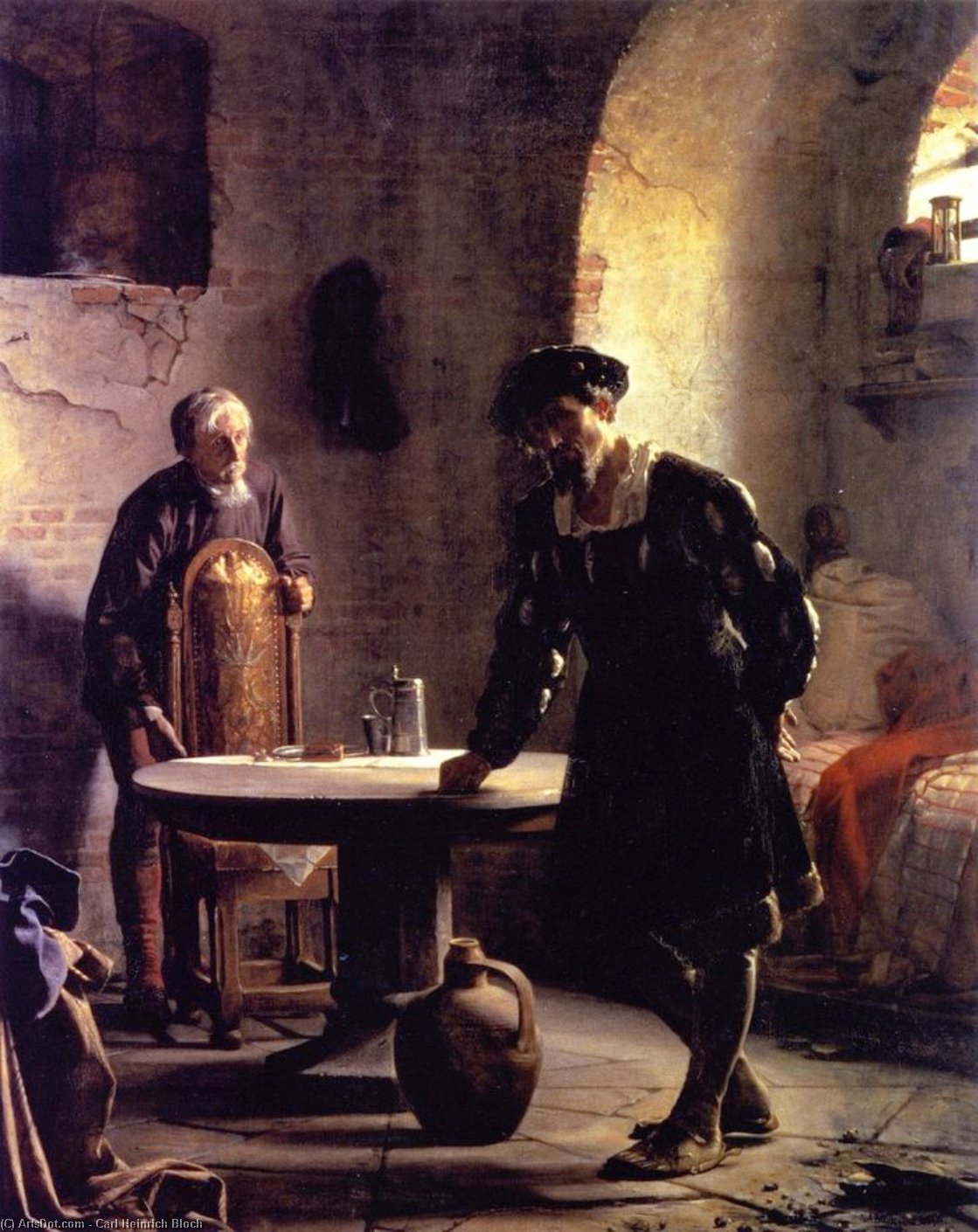
Christian II in Prison at Sonderborg Castle


 詳細を見る
詳細を見る




P118B $10

P118H $10

P118W $10

P438Z $10

P508JH $12

P508YH $12

P805H $10

P805Z $10

P919BZ $10

P919G $10

P919XJ $10

P959ZH $10

P968JZ $12

W106C $8

W218G $10

W218JH $8

W218Y $10

W307PJ $10

W316G $10

W316PJ $8

W316Y $10

W398PJ $8

W4111J $10

W500HY $15

W500JH $15

W692G $12

W849H $8

W940BG $15

W953PJ $8




作品のオリジナル比率に合わせた、当店の規定サイズからお選びください。

特定のフレームやスペースに合わせて、ご希望のサイズをご入力いただけます。選択されたサイズが元の画像の比率と異なる場合、アートワークをトリミングするか、手描きで要素を追加して絵画を拡張いたします。デジタルモックアップ を制作し、制作開始前にご確認(承認)をいただきます。
画面上のプレビューは、実際のトリミングや拡張を正確に反映しているものではありません。最終的な構図は、モックアップによってのみ正確にご確認いただけます。
カスタムサイズもご利用いただけますが、元の比率を維持するためには、あらかじめ用意されたリストからサイズを選択することをお勧めいたします。
ご注文後、ArtsDot.com チームより詳細な指示をお送りするとともに、仕上がりイメージ(モックアップ)をご提供いたします。


 ガラスオプションは、110cm未満のサイズでのみご利用いただけます。

Christian II in Prison at Sonderborg Castle
複製技法
複製画のサイズ
-


合計金額
$ 263
作品解説
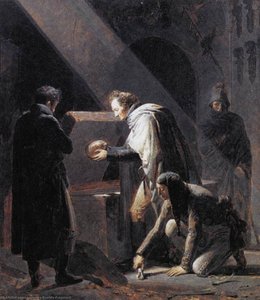
A Moment Suspended in Time: Christian II in Prison at Sonderborg Castle
To gaze upon Carl Heinrich Bloch's depiction of Christian II in Prison at Sonderborg Castle is to step across the threshold of history and into a profound chamber of contemplation. This oil on canvas, executed in 1871, transcends a mere portrait; it is an emotional tableau vivant. The air within the depicted prison cell feels thick with unspoken thoughts—a palpable atmosphere that invites the modern viewer to pause and reflect upon the weight of consequence, the nature of captivity, and the enduring spirit of introspection. Bloch masterfully captures not just the physical setting, but the very soul grappling with its circumstances.
The Artistry of Carl Heinrich Bloch
Carl Heinrich Bloch, a Danish master whose career spanned the late 19th century, possessed an unparalleled gift for rendering human emotion through meticulous detail. His style is characterized by a remarkable realism, yet this precision never sacrifices emotional depth. Whether depicting biblical epics or moments of royal confinement, Bloch imbued his subjects with dignity and palpable humanity. The technique employed here—oil paint on canvas—allows the subtle gradations of shadow and light to sculpt the figures and objects within the room. Observe the brushwork: it is both highly skilled and deeply empathetic, guiding your eye from the central figure toward the peripheral details that enrich the narrative.
Symbolism Woven into the Scene
The composition itself is a carefully orchestrated study in quiet drama. The main subject, Christian II, stands amidst objects that serve as silent narrators of his predicament. Consider the table upon which rests a vase and an intriguing bottle; these items are not mere props but anchors to memory or routine. Nearby, the two books—one centered, another positioned toward the right—suggest scholarship, lost opportunity, or perhaps the solace found in written word. Even the placement of the chair near the left edge contributes to the sense of contained space. These carefully placed elements transform the prison cell from a mere backdrop into a symbolic landscape mirroring the character's internal struggle.
Echoes for the Modern Collector
For those who appreciate art that speaks volumes without uttering a word, this piece offers profound resonance. It appeals equally to the collector seeking historical depth and the interior designer desiring an object of intellectual gravity. Reproducing Bloch’s vision allows one to bring a sense of storied contemplation into any space—a drawing-room corner or a study wall. Owning a reproduction is not simply acquiring art; it is curating a moment of thoughtful stillness, inviting conversations about resilience, power, and the quiet dignity found even in confinement.
関連作品
アーティストの略歴
カール・ハインリヒ・ブロッフの生涯と信仰への献身
1834年5月23日にコペンハーゲンに生まれたカール・ハインリヒ・ブロッフは、聖書の物語を深く感動的に描き出し、日常生活の静かな尊厳を描写することで知られるデンマーク人画家です。彼の芸術家としての道は、当初両親から歓迎されませんでした。両親は息子に海でのキャリアというより伝統的な道を望んでいました。しかし、ブロッフの揺るぎない芸術への情熱は抑えられず、1855年にヴィルヘルム・マーストランの指導のもと、王立デンマーク美術アカデミーに入学しました。この正式な訓練は彼の芸術的発展のための重要な基礎を築き、彼のスキルを磨き、美的感覚を形成しました。初期作品には鋭い観察眼が認められ、農村の風景に焦点を当て、並外れた感性で平凡な存在の本質をとらえていました。イタリアでの覚醒と芸術的成熟
ブロッフの芸術的進化における重要な瞬間は、1859年から1866年までのイタリアへの長期滞在でした。この時期は彼のスタイルに大きな影響を与え、豊かな芸術遺産に触れることによって変革をもたらしました。これらの年中にレンブラント・ファン・レインの作品に出会い、それが彼の絵画に対するアプローチを決定的に刻印することになりました。オランダ人巨匠による光と影の巧みな使用—明かりと暗闇の劇的な相互作用—はブロッフに深く共鳴し、彼自身の作品の定義的な特徴となりました。彼は技術的な側面だけでなく、レンブラントがキャンバスにもたらした感情的な深みと心理的洞察力も吸収しました。ローマで、彼はアルマ・トレプカと結婚し(1868年)、彼女との結婚は1886年の早すぎる死まで喜びの源でした。この出来事は彼の晩年に暗い影を落としました。フレデリクスボアでの成功と永続的な遺産
ブロッフが台頭し始めたのは、1865年にコペンハーゲンで「プロメテウスの解放」を展示したときでした。彼はすぐに著名な芸術家として確立され、マーストランの後任としてコペンハーゲン大学の儀式ホールの装飾を完成させました。しかし、彼の遺産を確固たるものにしたのは、1865年から1879年にかけてキング礼拝堂(フレデリクスボア宮殿)のために23枚の絵画を制作するという依頼でした。息を呑むような詳細と感情的な強さで描かれたキリスト生涯のこれらの場面は非常に人気があり、彼の最高の業績の一つと考えられています。これらのイメージの力はデンマーク国境を超えて広がり、ブロッフはその後、フレデリクスボア宮殿の絵画に基づいて祭壇画を制作し、それがデンマークとスウェーデン各地の教会に飾られました。スタイル、影響、そして永続的なインパクト
ブロッフの芸術的スタイルは、写実主義とロマン主義の魅力的な融合でした。彼は聖書の物語を歴史的な正確さと深い感情的な共鳴の両方で描く並外れた能力を持っていました。レンブラントの影響は、光と影の巧みな操作に否定できません。それは精神性と人間のドラマを高める劇的な効果を生み出しました。また、彼はデンマーク美術における「エッカーズベルク・トラディション」にも属しており、写実主義へのコミットメントと国民的テーマで知られる学派でした。技術的なスキルを超えて、ブロッフの作品は彼の真摯な共感と精神的な深さのために聴衆に響きました。彼の絵画は単なるイラストではありませんでした。それらは信仰、苦しみ、そして贖いを熟考するための招待状でした。 モルモン教(イエス・キリスト教会)は、その教会建物や印刷物でブロッフのフレデリクスボア宮殿の絵画を広範囲に利用しており、聖書の物語を明確さと感情的な力で伝える能力を認めています。それらはまた、聖書の出来事を描いた映画の視覚的参照としても役立っています。有名なデンマーク人作家のH.C.アンデルセンはブロッフの並外れた才能を認識し、「彼はこの地球上で高貴になるだろう」と予言しました。そして「芸術の偉大な天国に向かって上昇するだろう」。カール・マドセンも彼を「私たちの中で最も高貴な者の一人!」と宣言しました。カール・ハインリヒ・ブロッフは1890年2月22日にコペンハーゲンで亡くなりました。彼の作品は、彼の芸術的天才と永続的な信仰の証であり、19世紀で最も愛されている宗教画家の一人としての地位を確固たるものにしています。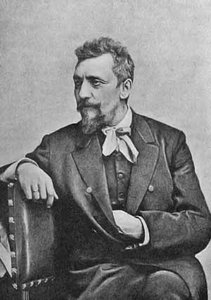
カール・ハインリヒ・ブロック
1834 - 1890 , デンマーク
基本情報
- Artistic Movement Or Style: 写実主義とロマン主義
- Artists Or Movements Influenced By This Artist:
- LDSアート
- 宗教的イメージ
- Artists Who Influenced This Artist: ['レンブラント']
- Date Of Birth: 1834年5月23日
- Date Of Death: 1890年2月22日
- Full Name: カール・ハインリヒ・ブロッホ
- Nationality: デンマーク人
- Notable Artworks:
- プロメテウスの解放
- ゲツセマネのキリスト
- クリスチャン2世の牢獄
- Place Of Birth (City And Country): コペンハーゲン、デンマーク
関連記事
Illuminating Faith: Biblical Narrative & Artistic Expression Through the Ages
Explore the rich history of biblical art from Giotto to the Renaissance masters with ArtsDot. Discover symbolism, techniques & enduring legacies. Museum-quality reproductions & expert insights.
Illuminating Faith: Biblical Scenes & Their Enduring Legacy in Art History
Explore the profound history of biblical art! Discover Renaissance masterpieces by Giotto & more. Uncover symbolism, artistic techniques, and lasting influence. Expert insights at ArtsDot.
Sacred Narratives on Canvas: Exploring Biblical Art Across Centuries
Explore the rich history of biblical art from Giotto to the Renaissance masters. Discover symbolism, techniques & enduring legacies with ArtsDot – your source for museum-quality reproductions and expert art insights.
John Francis Sartorius II: Equestrian Elegance & the Rise of British Portraiture
Explore the captivating world of Francis Sartorius II (1734-1804), a leading British painter renowned for his exquisite equestrian portraits and hunting scenes. Discover his life, techniques & enduring legacy.
Peder Mørk Mønsted: Capturing the Danish Golden Age Landscape – A Study in Atmospheric Realism
Explore the captivating landscapes of Peder Mørk Mønsted, a master of Danish Golden Age realism. Discover his atmospheric techniques, influences, and enduring legacy in our expert analysis.

