

 プレビュー
プレビュー
 プリントを購入
 シェアする
シェアする シェアする
シェアする
 詳細を見る
詳細を見る

 ダウンロード
 似ている作品
 X線調査
X線調査 スライドショー
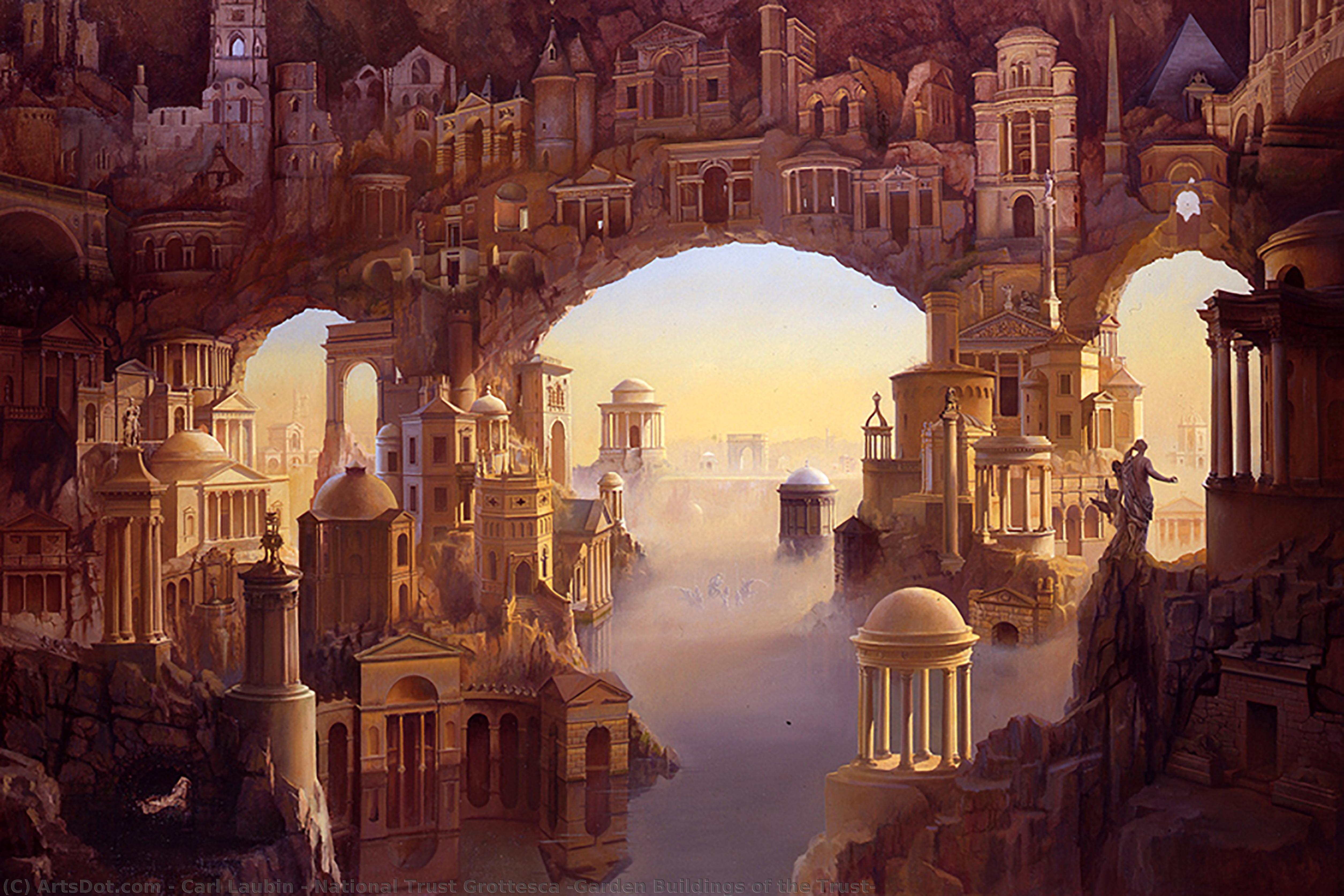
National Trust Grottesca (Garden Buildings of the Trust)
 1994
1994 121.0 x 183.0 cm
 National Trust Collections
 詳細を見る
詳細を見る
オンラインプレビューをはるかに凌ぐ、高解像度で鮮明なデジタル画像をご購入いただけます。
各ファイルは、社内の専門家が高度なツールと熟練した手作業によるレタッチを用いて、細心の注意を払って準備されています。すべての画像において、卓越した鮮明度、正確な色彩再現性、そして繊細なディテールを保証いたします。
最終ファイルは、プロフェッショナルな編集・印刷環境ですぐにご利用いただけるよう最適化された状態で、72時間以内にメールにてお届けいたします。これは、一流のデザインスタジオ、出版社、ギャラリーから信頼されているものと同等の品質です。
デジタル画像のご注文に付随する特典
高品質なデジタル画像配信を、確かな品質で。
ArtsDot.com を選ぶことは、単に画像を手に入れることではありません。それは、プロの手によって精密に仕上げられ、満足保証が付いた高品質なデジタルアートワークを受け取ることを意味します。ご注文いただいた際に自動的に付随する内容は、以下の通りです:

メールですぐにお届け
ご注文から72時間以内に、高解像度のデジタル画像ファイルがメールでお手元に届きます。すぐにそのままご利用いただけます。

AI技術で最適化されたデジタルファイル
お客様の作品は、高度なAIツールと専門家による手作業の編集を組み合わせてプロフェッショナルに最適化されており、細部のディテール、鮮明さ、そして正確な色再現性を最大限に引き出しています。

一生涯無料の再送サービス
ファイルを誤って削除したり、紛失してしまったりしましたか?ご安心ください。いつでも無料で再送いたします。

輸入手数料は一切かかりません
関税や手数料、配送料を気にすることなく、お気に入りのアートワークをすぐにお楽しみいただけます。デジタルダウンロードは常に免税です。

色彩再現の保証
プロ仕様のツールとカラーマネジメント技術を用いることで、デジタル画像が元の色を最大限に忠実に再現することを保証いたします。

60日間満足保証
ご購入いただいたデジタル画像にご満足いただけない場合は、60日以内であれば、修正または100%の返金(理由を問う必要はありません)をさせていただきます。

100% 返金保証
ご満足いただけない場合は、デジタルファイルを受け取ってから60日以内であれば、理由を問わず全額返金いたします。

まとめ買い割引
3枚購入で10%OFF - 5枚購入で15%OFF - 10枚以上購入で20%OFF。クリエイティブなプロジェクト、ギャラリー、エージェンシーに最適です。
関連作品










作家の略歴
Carl Laubin: A Painter of Fantastical Realities
Born in New York City in 1947, Carl Laubin’s artistic journey began with a grounding in architecture at Cornell University – a foundation that would profoundly shape his distinctive style. However, it was a deep-seated passion for painting, nurtured since childhood, that ultimately guided him away from the structured world of blueprints and towards the evocative landscapes and architectural capricci that define his enduring legacy. Moving to London in 1973, Laubin initially worked within established architectural firms, including Jeremy Dixon, an experience which proved pivotal, encouraging him to pursue painting as a full-time endeavor – a decision that would unlock a uniquely imaginative voice.
Laubin’s work is immediately recognizable for its captivating blend of realism and fantasy. He doesn't simply depict buildings; he constructs elaborate, dreamlike scenarios where architectural forms intertwine with imagined landscapes, historical echoes, and subtle symbolic elements. These “capricci,” as he calls them – a term rooted in the Roman tradition of creating fantastical cityscapes – are not mere illustrations but carefully considered compositions brimming with atmosphere and narrative potential. They’re invitations to wander through meticulously rendered spaces that simultaneously feel familiar and utterly otherworldly.
Influences and Artistic Roots
Laubin's artistic lineage is rich and complex, drawing inspiration from a diverse range of sources. Early influences included the architectural giants of the Palladian era – Andrea Palladio, whose principles of proportion and harmony continue to resonate within Laubin’s work – as well as figures like Hawksmoor, the eccentric co-architect of Castle Howard, and Christopher Wren, the master builder of London. He also deeply admired Edwin Lutyens, the British architect known for his elegant country houses and public buildings. These foundational influences are evident in the meticulous detail and classical sensibility that permeate his paintings.
Beyond these architectural heroes, Laubin’s work is informed by a broader artistic tradition. The Roman capricci – depictions of imagined cities inspired by ancient ruins – served as an initial point of reference, but he quickly developed his own distinct voice. Leon Klenze, the 19th-century Bavarian architect who transformed Munich through ambitious urban planning projects, became a particularly significant influence. Laubin’s fascination with Klenze's vision of a revitalized city is powerfully expressed in paintings like “Befreiungshalle,” a monumental hall built to commemorate Bavaria’s liberation from Napoleonic rule – an image that reportedly brought tears to King Ludwig I’s eyes, reflecting the grandeur and emotional impact of Klenze’s designs.
Furthermore, Laubin's work demonstrates a clear engagement with modernism. His collaborations with Leon Krier, particularly their exploration of Le Corbusier’s unrealized Cite Henri Fruges housing project in Pessac, France, reveal an interest in the utopian ideals and innovative urban planning concepts of the early 20th century. The paintings “Machines for Living 1 and 11” are a testament to this influence, capturing the spirit of Le Corbusier’s vision for a harmonious and functional community.
Technique and Style
Laubin's technical skill is undeniable. His watercolors are characterized by an extraordinary level of detail, achieved through painstaking observation and masterful brushwork. He expertly renders textures – from the rough stone of ancient ruins to the smooth surfaces of classical facades – creating a sense of tactile realism that draws the viewer into his imagined worlds. Light plays a crucial role in his paintings, casting dramatic shadows and highlighting architectural details with subtle variations in tone.
However, Laubin’s technique is not simply about replicating reality; it's about transforming it. He employs a delicate balance of observation and imagination, layering elements to create an atmosphere of mystery and enchantment. His compositions are carefully constructed, often incorporating unexpected juxtapositions and symbolic motifs that invite interpretation. The use of color is particularly noteworthy – he favors muted tones and atmospheric washes, creating a sense of depth and distance.
Legacy and Recognition
Carl Laubin’s work has been exhibited extensively throughout the United Kingdom and internationally, earning him recognition from prestigious institutions such as the National Trust. His paintings are held in collections including the Spitzweg Collection in Germany, demonstrating his appeal across geographical boundaries. The National Trust, a key patron of his work, showcases his fantastical depictions of their estates and gardens in the Cotswolds, highlighting the harmonious blend of history, nature, and artistic vision that characterizes his oeuvre.
Laubin’s enduring popularity is a testament to the timeless appeal of his subject matter and his exceptional technical skill. He continues to create new capricci, inviting viewers to lose themselves in his meticulously rendered worlds – a world where architecture transcends its functional purpose and becomes a vehicle for dreams, memories, and profound emotional resonance.
carl laubin
1947 -
プロフィール概要
- Artistic Movement Or Style: Architectural watercolors
- Artists Or Movements Influenced By This Artist: ['Le Corbusier']
- Artists Who Influenced This Artist:
- Palladio
- Hawksmoor
- Wren
- Lutyens
- Date Of Birth: 1947
- Full Name: Carl Laubin
- Nationality: British/American
- Notable Artworks:
- A View from Candlemaker Row
- Capriccio of Buildings
- View from Richmond Hill
- Place Of Birth: New York City, USA

