

 プレビュー
プレビュー
 シェアする
シェアする シェアする
シェアする
 詳細を見る
詳細を見る

 ダウンロード
 似ている作品
 X線調査
X線調査 スライドショー
 統計情報
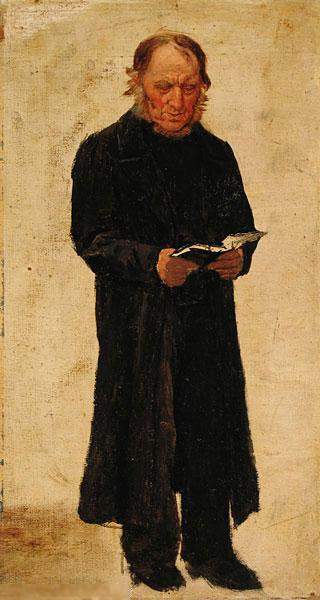
統計情報Deutsch Ein Küster mit Gesangbuch English A sexton with a songbook
 Naturalism
 1897
1897 43.0 x 24.0 cm
 詳細を見る
詳細を見る
ジークレー/アートプリント
迅速な制作と多彩な仕上げオプションを備えた、ミュージアムクオリティのジークレーまたはキャンバスプリント。 ( 手描きの絵画を購入 デジタル画像販売へ切り替え)




































作品のオリジナル比率に合わせた、当店の規定サイズからお選びください。

特定のフレームやスペースに合わせて、ご自身でサイズを指定することも可能です。選択されたサイズが元の画像の比率と一致しない場合、作品をトリミングするか、鏡面反射または単色での塗りつぶしによって画像を拡張いたします。制作を開始する前に、ご確認用のデジタルモックアップをお送りいたします。
画面上のプレビューには、実際のトリミングや拡張は反映されませんのでご注意ください。最終的な構図を正確に確認できるのは、モックアップのみとなります。
カスタムサイズも承っておりますが、元の比率を維持するためには、あらかじめ用意されたリストからサイズを選択することをお勧めいたします。


 ガラスオプションは、110cm未満のサイズでのみご利用いただけます。

Deutsch Ein Küster mit Gesangbuch English A sexton with a songbook
ジークレー/アートプリント
複製画のサイズ
-


合計金額
$ 62
関連作品
アーティストの略歴
Carl Ludwig Jessen: The Painter of Frisian Homeland
Born in Deezbüll, North Frisia in 1833, Carl Ludwig Jessen’s life and art were inextricably linked to the landscape he so meticulously captured. Initially apprenticed as a carpenter, his early work decorating farmsteads provided invaluable insight into the rhythms of rural life – a foundation that would profoundly shape his artistic vision. It was this intimate knowledge, combined with a formal education in Copenhagen, Paris, and Rome, that propelled him from humble beginnings to become known as the “Frisian Painter” (Friesenmaler) in Germany and Denmark, a title reflecting both his regional identity and his unique approach to depicting contemporary life.
Jessen’s artistic journey began with portraiture, honed during self-study before he fully embraced landscape painting. His time at the Royal Danish Academy of Fine Arts under Wilhelm Marstrand proved pivotal. Influenced by Høyen's emphasis on portraying Danish national history and tradition, Jessen initially sought to capture a grander narrative through his art. However, it was the realities of Schleswig-Holstein’s loss in 1865 – following the Treaty of Vienna – that dramatically shifted his focus. Returning to North Frisia, he found himself deeply connected to the land and its people, dedicating his career to documenting their lives with remarkable accuracy and detail.
A Naturalist's Eye: Capturing Rural Life
Jessen’s artistic style is undeniably rooted in Naturalism. He eschewed romanticized depictions of rural life, instead presenting a remarkably honest portrayal of the everyday experiences of his fellow North Frisians. His paintings are characterized by meticulous observation and an almost photographic quality – he painstakingly rendered details of clothing, tools, architecture, and the ever-present marshlands. This commitment to realism was not merely technical; it stemmed from a deep respect for the people and traditions of his homeland.
His subjects ranged from farmers tending their fields to fishermen returning with their catch, from women spinning wool by the hearth to children playing in the village square. These scenes were often imbued with a quiet dignity and a sense of timelessness, reflecting Jessen’s belief in the enduring values of rural life. However, it's important to acknowledge a critical debate surrounding his work: some critics have argued that Jessen idealized this rural existence, presenting a somewhat sanitized version of reality – a perspective often countered by those who recognize his profound empathy for his subjects and his dedication to preserving their cultural heritage.
Travel, Influence, and Artistic Evolution
Following the loss of Schleswig-Holstein, Jessen received scholarships that enabled him to broaden his artistic horizons. A Prussian scholarship in 1867 and 1868 allowed him to study in Paris and Rome, exposing him to new techniques and styles. During this period, he experimented with Impressionistic influences, though he ultimately returned to the more grounded realism of his North Frisian subjects. His time in Hamburg (1871-1875), while debated by some historians, provided a brief exposure to urban life, which subtly informed his later work.
His marriage to Martha Elisabeth Benecke in 1893 marked a significant shift – the couple built a modern house, a departure from the traditional vernacular architecture of North Frisia. This decision highlights Jessen’s evolving artistic sensibilities and his willingness to embrace new ideas. Despite this change, he remained committed to portraying the familiar landscapes and people of his homeland, solidifying his reputation as the “Frisian Painter.”
Legacy and Recognition
Carl Ludwig Jessen died in Deezbüll in 1917, leaving behind a substantial body of work that continues to be celebrated for its realism, detail, and poignant portrayal of North Frisian life. His paintings offer invaluable insights into the cultural traditions and daily routines of a region often overlooked by broader historical narratives. He was awarded an honorary professorship from the University of Kiel in 1910, a testament to his significant contribution to both art and society. Jessen’s legacy extends beyond his artistic achievements; he is remembered as a chronicler of his people, a defender of their heritage, and a master of capturing the essence of North Frisian life on canvas.
Notable works such as “Deutsch Ein Küster mit Gesangbuch” (1897) and “Deutsch Die blaue Stube” (1912) exemplify his skill in depicting domestic interiors and rural scenes with remarkable accuracy and emotional resonance. His dedication to portraying the authentic life of North Frisia cemented his place as a key figure in both Danish and German art history, ensuring that the stories of its people would continue to be told through his evocative paintings.
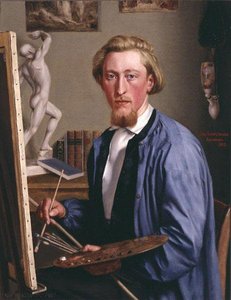
Carl Ludwig Jessen
1833 - 1917
基本情報
- Artistic Movement Or Style: Naturalism painter
- Artists Or Movements Influenced By This Artist:
- Frisian painter (Germany)
- Frisian painter (Denmark)
- Artists Who Influenced This Artist:
- Wilhelm Marstrand
- Høyen
- Date Of Birth: 1833
- Date Of Death: 1917
- Full Name: Carl Ludwig Jessen
- Nationality: North Frisian
- Notable Artworks:
- Deutsch Ein Küster mit Gesangbuch
- Deutsch Die blaue Stube
- Deutsch Susanna im Bade
- Place Of Birth: Deezbüll, North Frisia
関連記事
Anton von Werner: Imperial Painter, Historical Witness & Shifting German Identity
Explore the life & work of Anton von Werner, Imperial Germany's leading painter. Discover his dramatic depictions of war, unification, and court life – a fascinating insight into 19th-century German history & art.
The Northern Awakening: Artistic Innovation & Cultural Transformation in the German Renaissance
Explore the artistic innovation of the German Renaissance! Discover Dürer, the Danube School & Reformation art. Learn about techniques, materials & lasting influence. Find museum-quality reproductions at ArtsDot.
German Expressionism's 10 Defining Masterpieces | Art for Your Home
Explore 10 defining German Expressionism masterpieces – from Munch's 'The Scream' to Kandinsky’s abstracts. Discover the artists, stories & bold colors behind this powerful art movement. Find museum-quality reproductions at ArtsDot.com.
Marianne North's Masterpieces: 25 Botanical Paintings That Bloom With Adventure | ArtsDot
Journey through the vibrant world of Marianne North’s botanical paintings! Explore 25 iconic artworks from this Victorian artist, celebrating exotic flora & travel. Find museum-quality reproductions and curated decor ideas at ArtsDot.com.
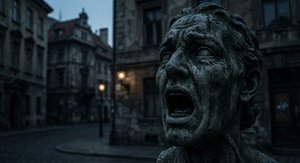
The Visceral Cry of a Nation: Exploring Emotion & Distortion in German Expressionism
Explore the powerful world of German Expressionism with ArtsDot. Discover Kirchner, Nolde & Die Brücke's emotive masterpieces. Learn about this pivotal art movement and its lasting impact on modern art.