

 プレビュー
プレビュー
 プリントを購入
 シェアする
シェアする シェアする
シェアする
 詳細を見る
詳細を見る

 ダウンロード
 似ている作品
 X線調査
X線調査 スライドショー
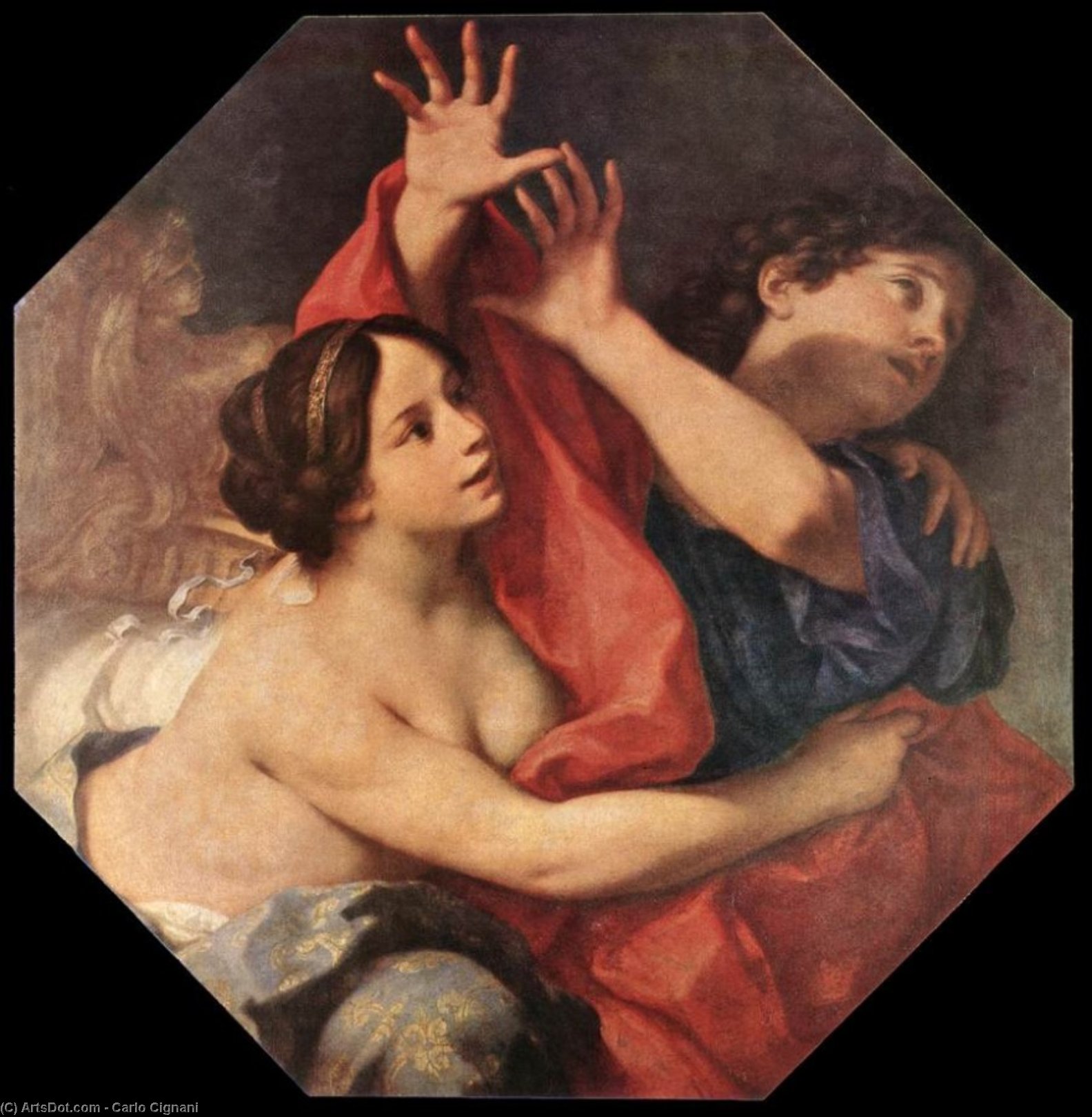
Joseph and Potiphar's Wife
 Oil On Canvas
- WallArt
- Baroque Classicism
 1678
1678 99.0 x 99.0 cm
 Gemäldegalerie Alte Meister
 詳細を見る
詳細を見る




P118B $10

P118H $10

P118W $10

P438Z $10

P508JH $12

P508YH $12

P805H $10

P805Z $10

P919BZ $10

P919G $10

P919XJ $10

P959ZH $10

P968JZ $12

W106C $8

W218G $10

W218JH $8

W218Y $10

W307PJ $10

W316G $10

W316PJ $8

W316Y $10

W398PJ $8

W4111J $10

W500HY $15

W500JH $15

W692G $12

W849H $8

W940BG $15

W953PJ $8




作品のオリジナル比率に合わせた、当店の規定サイズからお選びください。

特定のフレームやスペースに合わせて、ご希望のサイズをご入力いただけます。選択されたサイズが元の画像の比率と異なる場合、アートワークをトリミングするか、手描きで要素を追加して絵画を拡張いたします。デジタルモックアップ を制作し、制作開始前にご確認(承認)をいただきます。
画面上のプレビューは、実際のトリミングや拡張を正確に反映しているものではありません。最終的な構図は、モックアップによってのみ正確にご確認いただけます。
カスタムサイズもご利用いただけますが、元の比率を維持するためには、あらかじめ用意されたリストからサイズを選択することをお勧めいたします。
ご注文後、ArtsDot.com チームより詳細な指示をお送りするとともに、仕上がりイメージ(モックアップ)をご提供いたします。


 ガラスオプションは、110cm未満のサイズでのみご利用いただけます。

Joseph and Potiphar's Wife
複製技法
複製画のサイズ
-


合計金額
$ 263
Carlo Cignani’s Gentle Baroque: A Study of “Joseph and Potiphar’s Wife”
Carlo Cignani (1628-1719) stands as a fascinating figure bridging the High Baroque and the emerging Rococo styles. He wasn't a revolutionary like some of his contemporaries, but rather a masterful consolidator, the last great exponent of the Bolognese classicism that had flourished for generations. His art embodies a ‘new manner,’ as it was known – a softening of the dramatic intensity favored by earlier Baroque masters, replaced with an intimate and reflective quality that subtly influenced artists like Guido Reni and Guercino. Cignani’s path wasn't one of radical innovation, but rather of refined elegance and intellectual depth, securing his place as a significant, if sometimes overlooked, figure in 17th-century Italian painting. Details surrounding his early life remain somewhat scarce; we know he came from a noble, though modestly resourced family, and that he would later have both a son, Felice Cignan The fresco “Joseph and Potiphar’s Wife,” completed around 1678, exemplifies this characteristic ‘new manner.’ Unlike the turbulent compositions of Caravaggio or Bernini, Cignani eschews theatrical gestures and overwhelming grandeur. Instead, he presents a scene steeped in quiet emotion—a palpable tension between desire and moral restraint—captured with remarkable sensitivity. The artist’s meticulous attention to detail contributes significantly to the artwork's impact; observe the subtle gradations of color within Potiphar’s wife’s robe, mirroring the nuanced expressions on her face and Joseph’s posture. This deliberate control over form underscores Cignani’s commitment to conveying psychological depth rather than merely depicting a narrative event. Technically speaking, Cignani employed tempera paint on plaster—a technique favored by Bolognese artists during this period—resulting in luminous hues and exceptional durability. The fresco's palette leans towards muted reds and golds, reflecting the prevailing aesthetic sensibilities of the time while simultaneously conveying an aura of solemn contemplation. Furthermore, Cignani skillfully utilized chiaroscuro—the interplay of light and shadow—to sculpt the figures’ forms and heighten their emotional resonance. This masterful manipulation of tonal values draws the viewer's gaze inward, fostering a profound connection with the depicted characters and their predicament. Historically, “Joseph and Potiphar’s Wife” aligns itself squarely within the broader tradition of biblical art—a genre that had undergone considerable transformation since its medieval origins. The fresco reflects the humanist concerns of the Baroque era, prioritizing human experience and psychological realism over stylized representations of divine majesty. However, Cignani's approach diverges from prevailing stylistic trends by prioritizing subtlety and introspection. He avoids overtly didactic pronouncements, allowing viewers to grapple with the moral complexities inherent in the narrative—the allure of forbidden desire versus the sanctity of marital fidelity. Symbolically, the artwork speaks volumes about the anxieties surrounding sexuality and social status prevalent during Cignani’s lifetime. The woman's insistent gaze embodies the pervasive societal pressure on women to conform to idealized standards of beauty and virtue. Joseph’s refusal to succumb to temptation underscores the importance of moral integrity—a value championed by Christian theologians and artists alike. Moreover, the juxtaposition of opulent fabrics and restrained gestures serves as a visual metaphor for the conflict between worldly indulgence and spiritual devotion. Ultimately, “Joseph and Potiphar’s Wife” transcends its narrative content to evoke a powerful emotional response in the viewer. The fresco's melancholic atmosphere—characterized by palpable longing and unspoken regret—captures the essence of human vulnerability. Cignani’s masterful execution ensures that this profound psychological insight remains accessible to audiences across centuries, cementing his legacy as one of the most enduring achievements of Bolognese Baroque art.- Artist: Carlo Cignani
- Birth Year: 1628
- Death Year: 1719
- Birth City: Bologna
- Birth Country: Italy
関連作品


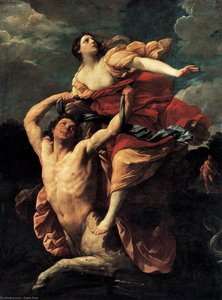
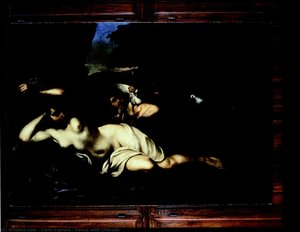


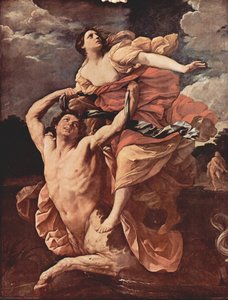
アーティストの略歴
穏やかなバロックの遺産:カルロ・チニアーニの生涯と芸術
1630年頃、ボローニャに生を受けたカルロ・チニアーニは、盛期バロックから黎明期のロココ様式へと架け橋を築いた、極めて魅力的な人物です。彼は同時代の他の画家たちのような革命児ではありませんでした。むしろ、何世代にもわたって繁栄してきたボローニャ古典主義の最後の偉大な体現者として、その技法を見事に集約し、完成させた達人であったと言えます。彼の芸術は、当時「新しい様式」として知られたものを体現しています。それは、初期バロックの巨匠たちが好んだ劇的な強烈さを和らげ、代わりに親密で内省的な質感を吹き込んだものでした。この繊細な変化は、グイド・レニやグエルチーノといった芸術家たちにも密かな影響を与えました。チニアーニが歩んだ道は、急進的な革新ではなく、洗練された優雅さと知的な深みを探求するものであり、それゆえに17世紀イタリア絵画における、時に見過ごされがちではあるものの、極めて重要な地位を確立したのです。彼の若年期の詳細は一部不明な点も残されていますが、控えめながらも貴族の家系に生まれ、後に画家となった息子フェリーチェ・チニアーニや、家族の伝統を受け継いだ甥パオロ・チニアーニといった、芸術の血脈を次世代へと繋いでいったことが分かっています。形成期と芸術的発展
チニアーニの芸術的な旅路は、バッティスタ・カイロの指導の下で始まりましたが、彼の基礎的な様式を真に形作ったのは、フランチェスコ・アルバーニへの弟子入りでした。彼はアルバーニの緻密な技法、鮮やかな色彩感覚、そして磨き上げられた仕上げへのこだわりを吸収していきました。しかし、チニなるは単に師の模倣に留まりませんでした。彼は旺盛な知的好奇心を持ち、他の影響へと自らを導いていったのです。パルマ大聖堂にあるコレッジョのフレスコ画は、彼の構図と色彩的調和に対する理解に深い衝撃を与え、一方でメロッツォ・ダ・フォルリによる遠近法の極致は、錯視的な空間を創り出すことへの情熱に火をつけました。こうした多様な影響の融合により、チニアーニは独自の表現力を開花させました。それは、優美な形態、均衡のとれた構図、そして微細な感情の響きを特徴とするものでした。また、彼はボローニャに「アカデミア・デル・ヌード(裸体アカデミー)」を設立し、解剖学的研究への献身を示すとともに、後に高名な画家となるジュゼッペ・マリア・クレスピをはじめとする有望な若き芸術家たちに指導を行いました。主要作品と芸術の開花
チニアーニのキャリアは数十年に及び、宗教画、神話の物語、そして肖像画に至るまで、多岐にわたる作品群を生み出しました。フォルリの教会のために描かれた『聖ローズ・オブ・リマの被昇天』は、間違いなく彼の最も名高い業績の一つです。この記念碑的なフレスコ画は、建築的な設定の中で劇的な構図を作り出す彼の能力を誇示しており、コレッジョの影響を反映させつつも、彼自身の独自の様式を確立しています。その他の注目すべき作品には、知的な重厚感を湛えた歴史画『ボローニャへのパウルス3世の入城』や、王族の威厳と繊細な描写力を示す『フランス1世による王の病の接触』などがあります。また、アゴスティーノ・カッラッチとの共作である『愛の力』に見られるように、天井画においても卓越した手腕を発揮しました。彼の『アダムとエバ』は、ドレスデンやコペンハーゲンでの展覧会を通じて国際的な評価を得ており、イタリア国外における彼の作品への需要の高まりを物語っています。さらに、『ヨセフとポティファルの妻』については複数のバージョンが存在しており、これは彼の作品群においてこの聖書的テーマがいかに永続的な魅力を持っていたかの証左といえるでしょう。ボローニャ美術への不朽の影響
カルロ・チニアーニの歴史的な重要性は、単なる芸術的成果に留まらず、ボローニャ絵画の伝統を保存し、伝承したその役割にあります。彼は、古典主義、知的な厳格さ、そして技術的な熟練によって名高い学派の集大成を象徴する存在でした。彼が「アカデミア・デル・ヌード」を通じて示した解剖学的研究への情熱は、志ある芸術家たちの間で高い職人技術の基準を維持することに貢献しました。クレスピ以外にも、パオロ・アントニオ・パデルナやサンテ・ヴァンディといった弟子を育成し、ボローニャ美術の発展にさらなる寄与を果たしたのです。彼の作品はドレスデンやコペンハーゲンを含むヨーロッパ中の著名なコレクションに収められ、その国際的な名声を確固たるものにしました。今日、彼の数々の絵画はフォルリのピナコテカ・チヴィカに保存されており、後世の人々がその芸術性を享受することを可能にしています。バロック期の他の同時代人ほど広く知られていないかもしれませんが、カルロ・チニアーニは美術史における不可欠な人物であり続けています。穏やかなバロックの巨匠としての彼の遺産は、今なお私たちを魅了し、インスピレーションを与え続けているのです。晩年も精力的な活動を続け、フォルリのチルコロ・デッラ・スクランナでの『オーロラ』の制作や、1719年以降の没前にピナコテカ・チヴィカのために完成させた『聖ローズ・オブ・リマの戴冠』など、その情熱が途絶えることはありませんでした。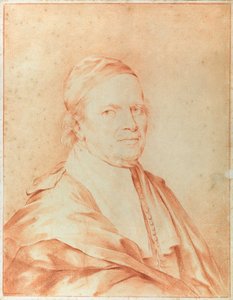
カルロ・チニアーニ
1628 - 1719 , イタリア
基本情報
- Artistic Movement Or Style: バロック
- Artists Or Movements Influenced By This Artist:
- クレスピ
- パデルナ
- ヴァンディ
- Artists Who Influenced This Artist:
- コレッジョ
- メロッツォ・ダ・フォルリ
- アルバーニ
- カラッチ
- Date Of Birth: 1628年
- Date Of Death: 1719年
- Full Name: カルロ・チニアーニ
- Nationality: イタリア
- Notable Artworks:
- 聖ローズの被昇天
- パウル3世の入城
- 国王病に触れるフランソワ1世
- 愛の力
- アダムとエバ
- ヨセフとポティファルの妻
- Place Of Birth: イタリア、ボローニャ
関連記事

家族の遺産を壁画で彩る:伝統技法が紡ぐ、時を超越する美と記憶
古代から現代までの壁画の歴史と技法を解説。日本の壁画文化やカスタムオーダーによる家族の遺産表現、保存・修復技術まで網羅。専門家が時を超越する美と記憶を紡ぐ芸術的価値をご案内します。

The Enduring Legacy of Fresco Painting: Techniques, History & Contemporary Relevance
Explore the rich history & enduring artistry of fresco painting – from Giotto to Michelangelo! Discover techniques, conservation efforts, & modern applications. Learn how ArtsDot brings this timeless art form to your home.

The Enduring Legacy of Fresco: Technique, History & Artistic Expression Across Cultures
Explore the rich history & enduring legacy of fresco painting! Discover ancient techniques, Giotto's masterpieces, and modern applications. Expert insights for art lovers & professionals.
Decoding Baroque Grandeur: A Guide to the Drama and Emotion of 17th-Century Art
Explore the breathtaking drama of 17th-century Baroque art. Our expert guide decodes the use of chiaroscuro, emotional intensity, and historical grandeur to help you appreciate and curate timeless masterpieces for your collection.
Art That Lives With You: The Emotional Power of a Custom Interior Fresco
Discover the emotional power & timeless beauty of custom interior frescoes. Explore history, design tips & expert guidance from – creating lasting legacies.

