

 プレビュー
プレビュー
 シェアする
シェアする シェアする
シェアする
 詳細を見る
詳細を見る

 ダウンロード
 似ている作品
 X線調査
X線調査 スライドショー
 Stats
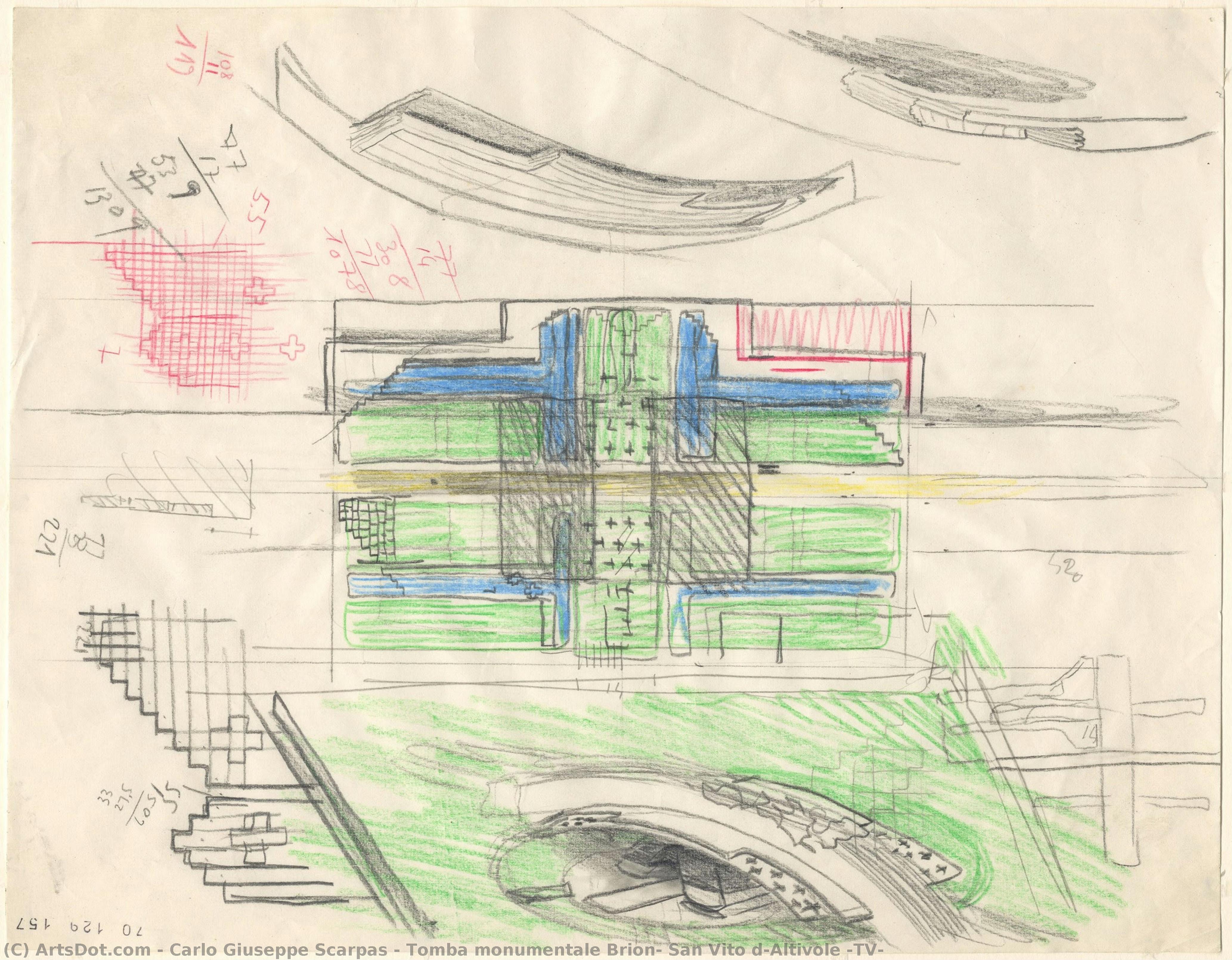
StatsTomba monumentale Brion, San Vito d’Altivole (TV)


 詳細を見る
詳細を見る
オンラインプレビューをはるかに凌ぐ、高解像度で鮮明なデジタル画像をご購入いただけます。
各ファイルは、社内の専門家が高度なツールと熟練した手作業によるレタッチを用いて、細心の注意を払って準備されています。すべての画像において、卓越した鮮明度、正確な色彩再現性、そして繊細なディテールを保証いたします。
最終ファイルは、プロフェッショナルな編集・印刷環境ですぐにご利用いただけるよう最適化された状態で、72時間以内にメールにてお届けいたします。これは、一流のデザインスタジオ、出版社、ギャラリーから信頼されているものと同等の品質です。
デジタルアート
個人での鑑賞、印刷、クリエイティブなプロジェクト用に、高解像度ファイルをダウンロードできます。 ( Switch to Print 手描きの絵画を購入)
デジタル画像のご注文に付随する特典
高品質なデジタル画像配信を、確かな品質で。
ArtsDot.com を選ぶことは、単に画像を手に入れることではありません。それは、プロの手によって精密に仕上げられ、満足保証が付いた高品質なデジタルアートワークを受け取ることを意味します。ご注文いただいた際に自動的に付随する内容は、以下の通りです:

メールですぐにお届け
ご注文から72時間以内に、高解像度のデジタル画像ファイルがメールでお手元に届きます。すぐにそのままご利用いただけます。

AI技術で最適化されたデジタルファイル
お客様の作品は、高度なAIツールと専門家による手作業の編集を組み合わせてプロフェッショナルに最適化されており、細部のディテール、鮮明さ、そして正確な色再現性を最大限に引き出しています。

一生涯無料の再送サービス
ファイルを誤って削除したり、紛失してしまったりしましたか?ご安心ください。いつでも無料で再送いたします。

輸入手数料は一切かかりません
関税や手数料、配送料を気にすることなく、お気に入りのアートワークをすぐにお楽しみいただけます。デジタルダウンロードは常に免税です。

色彩再現の保証
プロ仕様のツールとカラーマネジメント技術を用いることで、デジタル画像が元の色を最大限に忠実に再現することを保証いたします。

100日間満足保証
ご購入いただいたデジタル画像にご満足いただけない場合は、100日以内であれば、理由を問わず修正または100%の返金対応をさせていただきます。

100% 返金保証
ご満足いただけない場合は、デジタルファイルを受け取ってから100日以内であれば、理由を問わず全額返金いたします。

まとめ買い割引
3枚購入で10%OFF - 5枚購入で15%OFF - 10枚以上購入で20%OFF。クリエイティブなプロジェクト、ギャラリー、エージェンシーに最適です。
A Synthesis of Tradition and Innovation – Carlo Scarpa’s Vision for San Vito d’Altivole
Carlo Giuseppe Scarpas (1906-1978) remains an architect whose oeuvre transcends conventional categorization, embodying a singular sensitivity to place and material—a characteristic that distinguishes him as one of Italy's most compelling figures of the 20th century. His formative years in Vicenza instilled within him a profound understanding of loss and propelled him back to Venice, where he absorbed the indelible influence of Byzantine mosaics and Venetian craftsmanship.
The monumental Brion tomb complex, conceived by Scarpa alongside Luigi Moretti, stands as testament to his unwavering commitment to exploring the intersection between Eastern and Western artistic traditions. Situated adjacent to San Vito d’Altivole’s historic cemetery—a site already imbued with spiritual significance—the project responded directly to its surroundings, utilizing inverted L-shape geometry to create a space that actively engages with the contours of the landscape.
Architectural Style and Technique – Embracing Materiality
Scarpa's architectural style is undeniably rooted in modernist principles championed by Wright and Hoffmann, yet he fiercely resisted stylistic conformity. Instead, he prioritized meticulous detail—a hallmark of Venetian artisanry—and embraced a paradoxical fusion of tradition and experimentation. The use of locally sourced stone—particularly Istrian marble—was paramount to Scarpa’s vision, reflecting his belief that architecture should harmonize seamlessly with its environment.
- Geometric Precision: The L-shape layout establishes a deliberate dialogue with the cemetery's form, emphasizing spatial organization and directional flow.
- Material Exploration: Scarpa meticulously selected materials—marble, wood, terracotta—each chosen for its textural qualities and ability to convey specific moods.
- Spatial Illusion: The “Propylea,” a monumental gateway adorned with sculptural reliefs, serves as a visual anchor, guiding the viewer’s gaze into the interior space.
Symbolism and Narrative – Echoes of Byzantium
The complex's centerpiece—the arcosolium housing Scarpa’s clients’ tombs—represents more than just funerary architecture; it embodies a profound meditation on mortality and remembrance. The flattened arch protects the sarcophagi, which lean toward one another—a gesture that subtly conveys the interconnectedness of life and death.
Scarpa drew inspiration from Byzantine mosaics—particularly those found in St Mark’s Basilica—incorporating tessellated patterns into interior surfaces to evoke a sense of ethereal beauty and spiritual contemplation. These motifs underscore Scarpa's conviction that architecture should transcend mere functionality, communicating ideas and emotions with grace and subtlety.
Emotional Impact – A Space for Reflection
Walking through the Brion complex is an experience akin to entering a sacred realm—a space designed to provoke introspection and foster contemplation. The interplay of light and shadow, coupled with the tactile richness of materials, creates an atmosphere that resonates deeply with visitors. Scarpa’s aim was not simply to construct buildings; he sought to craft environments that nurture the human spirit.
The pavilion on the water—a deliberate homage to Japanese garden design—further amplifies this emotional resonance, inviting viewers to immerse themselves in a tranquil setting where natural beauty merges with architectural artistry. Ultimately, Carlo Scarpa’s Brion tomb complex stands as an enduring monument to his visionary spirit and his unwavering devotion to elevating architecture beyond utilitarian concerns.
関連作品



作家の略歴
A Venetian Visionary: The Soul of Carlo Scarpa
To walk through the works of Carlo Giuseppe Scarpa is to engage in a silent, profound dialogue with time itself. Born in Venice on June 2, 1906, Scarpa emerged from the labyrinthine beauty of his hometown, a city where the shimmering reflections of water and the weight of Byzantine history are inseparable. His early life was marked by a poignant transition; after moving to Vicenza as a young child, the loss of his mother at age thirteen drew him back to the Venetian lagoon, an event that many believe instilled in him a lifelong preoccupation with memory, absence, and the tactile essence of materials. This sensitivity would later become the heartbeat of his architectural language, transforming cold stone and industrial metal into poetic instruments of storytelling.
Scarpa’s education at the Accademia di Belle Arti di Venezia provided the technical foundation for a career that refused to be tethered by the rigid dogmas of mid-century modernism. While his contemporaries often sought to erase the past in favor of sterile, functionalist structures, Scarpa embraced a philosophy of layered existence. He viewed architecture as a way to bridge the gap between history and invention, drawing inspiration from the intricate craftsmanship of Venetian glassmakers and the minimalist elegance of Japanese aesthetics. His work was never merely about shelter; it was about the artistry of the detail—the precise way a brass insert meets a concrete slab, or how light is captured within a carefully placed glass panel.
The Alchemy of Material and Memory
The true genius of Scarpa lay in his ability to treat architecture as a sculptural medium. He did not simply build; he composed. His approach was characterized by an extraordinary attention to the "skin" of a building, utilizing a rich palette that included concrete, bronze, marble, and wood to create textures that invited touch. This mastery of materiality allowed him to execute restorations that felt both ancient and avant-garde. In projects such as the Palazzo Abatellis in Palermo, he did not attempt to hide the scars of time but rather celebrated them, using modern interventions to frame historical treasures with a reverence that honored the original craftsmen.
His design vocabulary was often defined by several recurring elements:
- The Interstice: A deliberate use of gaps and joints to allow light and shadow to animate the structure.
- Material Contrast: The juxtaposition of heavy, earthbound stone with delicate, translucent glass or polished metal.
- Layered Perspectives: Designing spaces that reveal themselves slowly, much like the winding calli of Venice, encouraging a rhythmic movement through the environment.
This tactile approach extended beyond large-scale architecture into the realm of fine design. As a master of glass and furniture, his work for legendary names like Venini showcased his ability to translate architectural scale into intimate objects. He drew from the transparencies found in Veronese paintings, creating pieces that seemed to hold the very light of the Venetian lagoon within their crystalline structures.
A Legacy Etched in Stone and Spirit
Perhaps no work encapsulates the enigmatic spirit of Scarpa as powerfully as the Brion Tomb in San Vito d’Alivole. In this monumental achievement, his themes of life, death, and continuity reach their zenith. Through a complex arrangement of water features, concrete geometries, and symbolic plantings, the tomb becomes a landscape of contemplation, where the boundary between the man-made and the natural world dissolves. It stands as a testament to his belief that architecture should capture the essence of its surroundings while simultaneously pushing the boundaries of human imagination.
Though he famously declined to sit for the formal architecture licensing exam—preferring to be known by the title of Professor rather than Architect—his influence on the built environment is immeasurable. He taught the world that progress does not require the destruction of heritage, but rather a sophisticated reimagining of it. Today, Scarpa’s legacy continues to resonate in the way we perceive the relationship between history and modernity, reminding us that the most enduring structures are those that possess a soul, a memory, and an unwavering respect for the beauty of the detail.
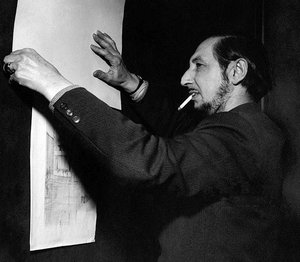
carlo giuseppe scarpas
1906 - 1978 , Italy
プロフィール概要
- Artistic Movement Or Style: Modernism Italy
- Artists Or Movements Influenced By This Artist: ['Japanese Design']
- Artists Who Influenced This Artist:
- Frank Lloyd Wright
- Josef Hoffmann
- Date Of Birth: June 2, 1906
- Date Of Death: November 28, 1978
- Full Name: Carlo Giuseppe Scarpas
- Nationality: Italian
- Notable Artworks:
- Olivetti Showroom
- Brion Tomb
- Villa Palazzetto
- Place Of Birth: Venice, Italy