

 プレビュー
プレビュー
 シェアする
シェアする シェアする
シェアする
 詳細を見る
詳細を見る

 ダウンロード
 似ている作品
 X線調査
X線調査 スライドショー
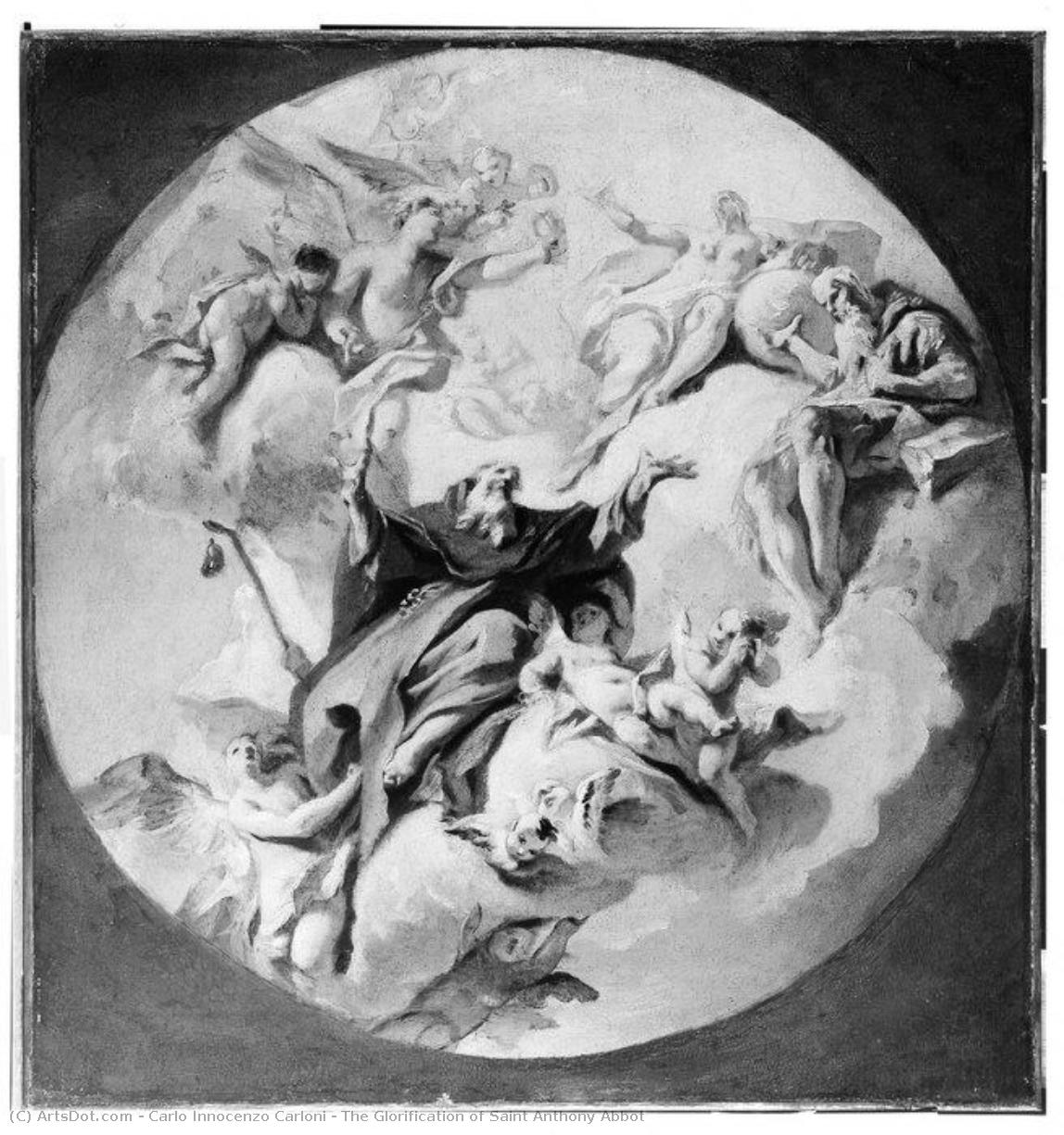
The Glorification of Saint Anthony Abbot
 Charcoal
- WallArt
- Baroque
 46.0 x 43.0 cm
 メトロポリタン美術館
 詳細を見る
詳細を見る
ジークレー/アートプリント
迅速な制作と多彩な仕上げオプションを備えた、ミュージアムクオリティのジークレーまたはキャンバスプリント。 ( 手描きの絵画を購入 画像を購入)




P118B $10

P118H $10

P118W $10

P438Z $10

P508JH $12

P508YH $12

P805H $10

P805Z $10

P919BZ $10

P919G $10

P919XJ $10

P959ZH $10

P968JZ $12

W106C $8

W218G $10

W218JH $8

W218Y $10

W307PJ $10

W316G $10

W316PJ $8

W316Y $10

W398PJ $8

W4111J $10

W500HY $15

W500JH $15

W692G $12

W849H $8

W940BG $15

W953PJ $8




作品のオリジナル比率に合わせた、当店の規定サイズからお選びください。

特定のフレームやスペースに合わせて、ご自身でサイズを指定することも可能です。選択されたサイズが元の画像の比率と一致しない場合、作品をトリミングするか、鏡面反射または単色での塗りつぶしによって画像を拡張いたします。制作を開始する前に、ご確認用のデジタルモックアップをお送りいたします。
画面上のプレビューには、実際のトリミングや拡張は反映されませんのでご注意ください。最終的な構図を正確に確認できるのは、モックアップのみとなります。
カスタムサイズも承っておりますが、元の比率を維持するためには、あらかじめ用意されたリストからサイズを選択することをお勧めいたします。


 ガラスオプションは、110cm未満のサイズでのみご利用いただけます。

The Glorification of Saint Anthony Abbot
ジークレー/アートプリント
複製画のサイズ
-


合計金額
$ 62
The Ascent to Divine Light: A Study in Baroque Ecstasy
This captivating preparatory sketch offers an intimate glimpse into the monumental vision of Carlo Innocenzo Carloni. Depicting The Glorification of Saint Anthony Abbot, the work is not merely a drawing; it is a captured moment of spiritual apotheosis. One can almost feel the vibrant energy that once animated the vast fresco cycle intended for the chapel vault in Monza. Carloni masterfully orchestrates a scene where earthly devotion meets celestial rapture. At the heart of the composition stands Saint Anthony, his posture suggesting both profound supplication and triumphant ascension, arms raised as if receiving the very breath of heaven. The surrounding throng—a swirling constellation of angels, putti, and divine figures—are rendered in dynamic motion, pulling the viewer's eye upward into an overwhelming tide of glory.
Mastery of Tone: Technique and Materiality
The technical brilliance evident here is remarkable, particularly considering its nature as a study. Executed in what appears to be charcoal or chalk on paper, the artist has achieved a breathtaking depth using only shades of gray. Carloni’s handling of tone is nothing short of masterful; deep, velvety blacks anchor the composition, providing dramatic contrast against luminous whites that catch the light upon drapery folds and ethereal skin. The lines themselves are alive—flowing, curvilinear strokes define the voluminous robes and ecstatic gestures, lending an undeniable sense of movement to every element. This preparatory sketch allows us a privileged view into the artist's process, revealing how grand narratives were first conceived through rapid, expressive gesture.
Historical Echoes: Carloni in the Baroque Landscape
To appreciate this piece is to understand its context within the zenith of the Italian Baroque. Carlo Innocenzo Carloni (1686–1775) was a decorator whose influence spanned from the grand halls of German palaces to the sacred spaces of Venetian churches. This sketch speaks directly to that era's taste for the dramatic, the emotionally charged, and the overwhelmingly divine. It embodies the Baroque commitment to theatricality—a style designed not just to be observed, but to be experienced. The composition’s energy, its refusal of static balance in favor of an organic, upward surge, is a hallmark of this period's religious fervor.
Symbolism and Emotional Resonance
The symbolism woven throughout the scene speaks to universal themes of salvation and divine grace. Saint Anthony Abbot, traditionally associated with desert asceticism, here experiences his ultimate reward—glorification. The surrounding celestial beings act as conduits for this heavenly light, enveloping the saint in a palpable aura of awe and reverence. For the modern collector or designer, this piece offers more than mere decoration; it is an infusion of profound emotional resonance. It invites contemplation on transcendence, suggesting that even within the most structured architectural space, the spirit yearns for something boundless and luminous.
関連作品



アーティストの略歴
A Visionary of the Baroque: The Life and Legacy of Carlo Innocenzo Carloni
In the grand tapestry of the late Baroque era, few threads shimmer with as much luminous brilliance as the works of Carlo Innocenzo Carloni. Born in 1686 in the serene landscape of Scaria, near Como, Carloni emerged from a lineage potentially connected to the celebrated Genoese painters of the Carloni family. Though he was the son of a sculptor, his destiny was written in the fluid strokes of a brush rather than the heavy strikes of a chisel. His early education was shaped by the masters of the Lombardy and Venetian traditions, beginning under the watchful eye of Giudilio Quaglio and later Giovanni Battista Colomba. These formative years instilled in him a profound understanding of light and movement, preparing him for a journey that would eventually lead him far beyond the borders of his Italian homeland to the heart of the Holy Roman Empire.
The trajectory of Carloni’s career took a transformative turn when, at the young age of twenty-three, he ventured into Germany. This migration was not merely a change in geography but an entry into a world of imperial splendor and architectural grandeur. As he traversed through the German-speaking lands, his talent for large-scale decorative cycles began to attract the most prestigious patrons of the age. He became a master of the fresco, a medium that allowed him to dissolve the boundaries between physical architecture and celestial vision. His ability to command vast surfaces with grace and theatricality made him an indispensable figure for the Habsburg rulers and the nobility who sought to immortalize their power through art.
The Mastery of Light and Space in Imperial Palaces
Carloni’s artistic signature is defined by a breathtaking mastery of perspective and a palette that breathes with vitality. His work is characterized by an airy, ethereal quality that prevents even the most massive compositions from feeling heavy or oppressive. This technical prowess reached its zenith in his monumental contributions to some of Europe's most significant architectural landmarks. To walk through the halls decorated by Carloni is to experience a choreographed dance of color and light:
- The Upper Belvedere, Vienna: Perhaps his most enduring triumph, where his ceiling paintings transform the palace into a window onto the divine, blending biblical narratives with an almost weightless elegance.
- Ludwigsburg Palace and Passau Cathedral: In these spaces, Carloni utilized dramatic compositions to create immersive environments that reflect the opulence of the era.
- The Royal Residences of Prague and Linz: His presence in these courts solidified his reputation as a premier decorator of the European aristocracy, capable of translating political prestige into visual splendor.
Beyond the secular grandeur of palaces, Carloni’s soul remained deeply connected to religious devotion. His work for the church of San Felice del Benaco on Lake Garda serves as a poignant reminder of his roots. In The Glorification of Saints Felix and Adauctus, one sees the full spectrum of his talent—the expressive gestures, the luminous hues, and the profound spiritual intensity that could move a viewer to tears. His religious works were never merely instructional; they were emotional experiences designed to elevate the spirit through beauty.
A Lasting Impression on European Art
The historical significance of Carlo Innocenzo Carloni lies in his role as a cultural bridge. He brought the sophisticated, emotive language of the Italian Baroque—refined by the influences of Francesco Trevisani in Rome and the light of Venice—to the burgeoning courts of Central Europe. His ability to adapt the classical traditions of his youth to the specific architectural and political needs of German and Austrian patrons helped define the aesthetic of the late Baroque and early Rococo periods.
As he moved through his long life, which concluded in 1775, Carloni’s influence rippled through the workshops of Europe. He was not merely a painter of walls, but an architect of dreams, creating illusory heavens that expanded the perceived limits of the rooms he adorned. Today, when we gaze upon the faded yet still radiant frescoes of the Belvedere or the quiet altarpieces of Lombardy, we are witnessing the enduring heartbeat of a man who saw the world not as it was, but as it could be through the transformative power of art.
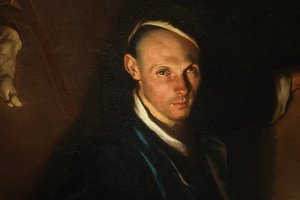
carlo innocenzo carloni or carloni
1686 - 1775 , Italy
基本情報
- Artistic Movement Or Style: Baroque
- Artists Or Movements Influenced By This Artist:
- Ludwigsburg Baroque Style
- Prague Baroque Style
- Vienna Baroque Style
- Artists Who Influenced This Artist:
- Giulio Quaglio
- Giovanni Battista Colomba
- Francesco Trevisani
- Date Of Birth: Skaria, Italy (1686)
- Date Of Death: 1775
- Full Name: Carlo Innocenzo Carloni
- Nationality: Italian
- Notable Artworks:
- The Glorification of Saint Anthony Abbot
- Frescoes in Ludwigsburg Palace
- Frescoes in Passau Cathedral
- Frescoes in Linz Cathedral
- Frescoes in Breslau Cathedral
- Frescoes in Prague Castle
- Frescoes in Vienna Schönbrunn Palace
- Place Of Birth: Skaria
関連記事
Discover the Divine: Inspiring Saint Anthony Artworks to Elevate Your Home Decor
Transform your home with the profound beauty of Saint Anthony artworks. Explore exquisite Baroque reproductions by Murillo and Zurbarán, hand-painted on 100% cotton canvas to bring divine serenity and timeless elegance to your interior design.

家族の遺産を壁画で彩る:伝統技法が紡ぐ、時を超越する美と記憶
古代から現代までの壁画の歴史と技法を解説。日本の壁画文化やカスタムオーダーによる家族の遺産表現、保存・修復技術まで網羅。専門家が時を超越する美と記憶を紡ぐ芸術的価値をご案内します。

The Enduring Legacy of Fresco Painting: Techniques, History & Contemporary Relevance
Explore the rich history & enduring artistry of fresco painting – from Giotto to Michelangelo! Discover techniques, conservation efforts, & modern applications. Learn how ArtsDot brings this timeless art form to your home.

The Enduring Legacy of Fresco: Technique, History & Artistic Expression Across Cultures
Explore the rich history & enduring legacy of fresco painting! Discover ancient techniques, Giotto's masterpieces, and modern applications. Expert insights for art lovers & professionals.

Art That Lives With You: The Emotional Power of a Custom Interior Fresco
Discover the emotional power & timeless beauty of custom interior frescoes. Explore history, design tips & expert guidance from – creating lasting legacies.

