

 プレビュー
プレビュー
 シェアする
シェアする シェアする
シェアする
 詳細を見る
詳細を見る

 ダウンロード
 似ている作品
 X線調査
X線調査 スライドショー
 統計情報
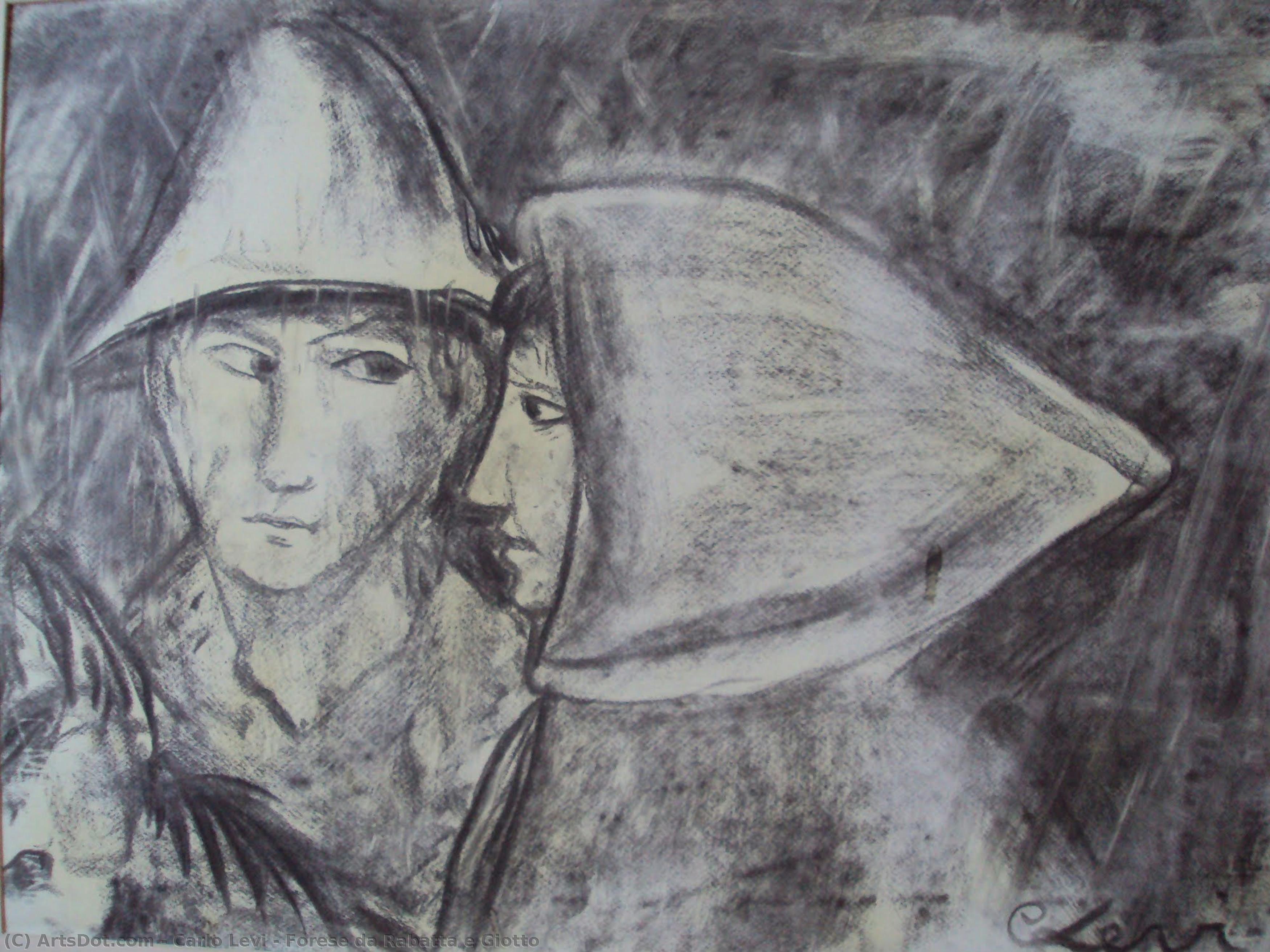
統計情報Forese da Rabatta e Giotto


 詳細を見る
詳細を見る
手描き油彩複製画
当社のアーティストが、お客様のご希望のサイズと額縁に合わせて、キャンバスに手描きで制作する油彩画です。 ( プリント版に切り替え デジタル画像販売へ切り替え)




































作品のオリジナル比率に合わせた、当店の規定サイズからお選びください。

特定のフレームやスペースに合わせて、ご希望のサイズをご入力いただけます。選択されたサイズが元の画像の比率と異なる場合、アートワークをトリミングするか、手描きで要素を追加して絵画を拡張いたします。デジタルモックアップ を制作し、制作開始前にご確認(承認)をいただきます。
画面上のプレビューは、実際のトリミングや拡張を正確に反映しているものではありません。最終的な構図は、モックアップによってのみ正確にご確認いただけます。
カスタムサイズもご利用いただけますが、元の比率を維持するためには、あらかじめ用意されたリストからサイズを選択することをお勧めいたします。
ご注文後、ArtsDot.com チームより詳細な指示をお送りするとともに、仕上がりイメージ(モックアップ)をご提供いたします。


 ガラスオプションは、110cm未満のサイズでのみご利用いただけます。

Forese da Rabatta e Giotto
複製技法
複製画のサイズ
-


合計金額
$ 288
関連作品








アーティストの略歴
Carlo Levi: A Painter's Witness to Resilience and Revolution
Carlo Levi (1902–1975) stands as a singular figure in Italian art history—a painter, writer, activist, and doctor whose oeuvre transcends mere aesthetic beauty to embody the very spirit of his tumultuous era. Born in Turin, Italy, Levi’s life was defined by an extraordinary intellectual curiosity and a profound empathy for the marginalized communities of Southern Italy. His artistic output reflects a multifaceted perspective, characterized by a distinctive Neorealist style that captured both the stark, often harrowing realities of poverty and the enduring, unyielding strength of the human spirit. To look upon his work is to witness a man who did not merely observe history but felt its weight through the lens of both a physician and an artist.From Medical Precision to Artistic Expression
Levi’s formative years were steeped in the traditions of literature and philosophy, influences that would forever permeate his creative endeavors. While he pursued medical studies at Turin University, graduating in 1924, he simultaneously nurtured a burgeoning artistic inclination that refused to be sidelined by his scientific training. This dual identity—the healer and the creator—would later define his unique approach to subject matter. His debut exhibition at the XIV Venice Biennale in 1938 signaled the emergence of a talent destined to captivate audiences with its uncompromising honesty and evocative imagery. Beyond traditional landscapes, Levi’s early explorations ventured into abstraction and themes of solitude and displacement, preoccupations that would eventually find their most profound expression in his autobiographical masterpiece, Cristo si è fermato a Eboli.The Influence of the Avant-Garde and Parisian Exile
The evolution of Levi's visual vocabulary was significantly shaped by his encounters with the pulse of European modernism. During his time in Paris, interactions with prominent figures such as Sergei Prokofiev and Igor Stravinsky fostered an interest in experimentation that challenged conventional artistic boundaries. The surrealist aesthetic—with its fascination for dreamlike imagery and the exploration of the subconscious—left a discernible imprint on his work. This influence is particularly evident in pieces like Arcadia, where he balances soft, organic shapes with a structured, almost architectural sense of form. Influenced by the geometric precision of artists like Felice Casorati, Levi mastered a style that utilized pure volumes and rhythmic presence to create scenes of profound stillness and classical harmony, often imbuing his subjects with a sculptural, tactile quality.A Legacy of Social Witness and Neorealism
Perhaps the most significant chapter of Levi's life was his period of political exile in Lucania, Italy. Arrested due to his political activism, he found himself immersed in the impoverished landscapes of the Italian south, an experience that transformed his art into a powerful tool for social commentary. His writing and painting became inseparable from his mission to illuminate the "Problem of the South." Through his Neorealist lens, he documented the daily hardships of the peasantry with a lucid, non-ideological sympathy that propelled national discourse following World War II. His legacy is not merely found in the beauty of his canvases but in his role as a chronicler of human resilience, ensuring that the voices of the forgotten were heard through the enduring power of art.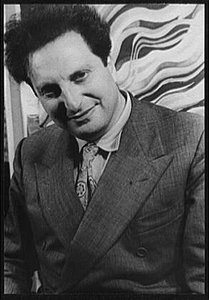
Carlo Levi
1902 - 1975 , Italy
基本情報
- Artistic Movement Or Style: Neorealism
- Artists Or Movements Influenced By This Artist: ['Italian Literature']
- Artists Who Influenced This Artist:
- Sergei Prokofiev
- Igor Stravinsky
- Date Of Birth: November 29, 1902
- Date Of Death: January 4, 1975
- Full Name: Carlo Levi
- Nationality: Italian
- Notable Artworks:
- The Watch
- Words Are Stones
- Christ Stopped at Eboli
- Place Of Birth: Turin, Italy