

 プレビュー
プレビュー
 プリントを購入
 シェアする
シェアする シェアする
シェアする
 詳細を見る
詳細を見る

 ダウンロード
 似ている作品
 X線調査
X線調査 スライドショー
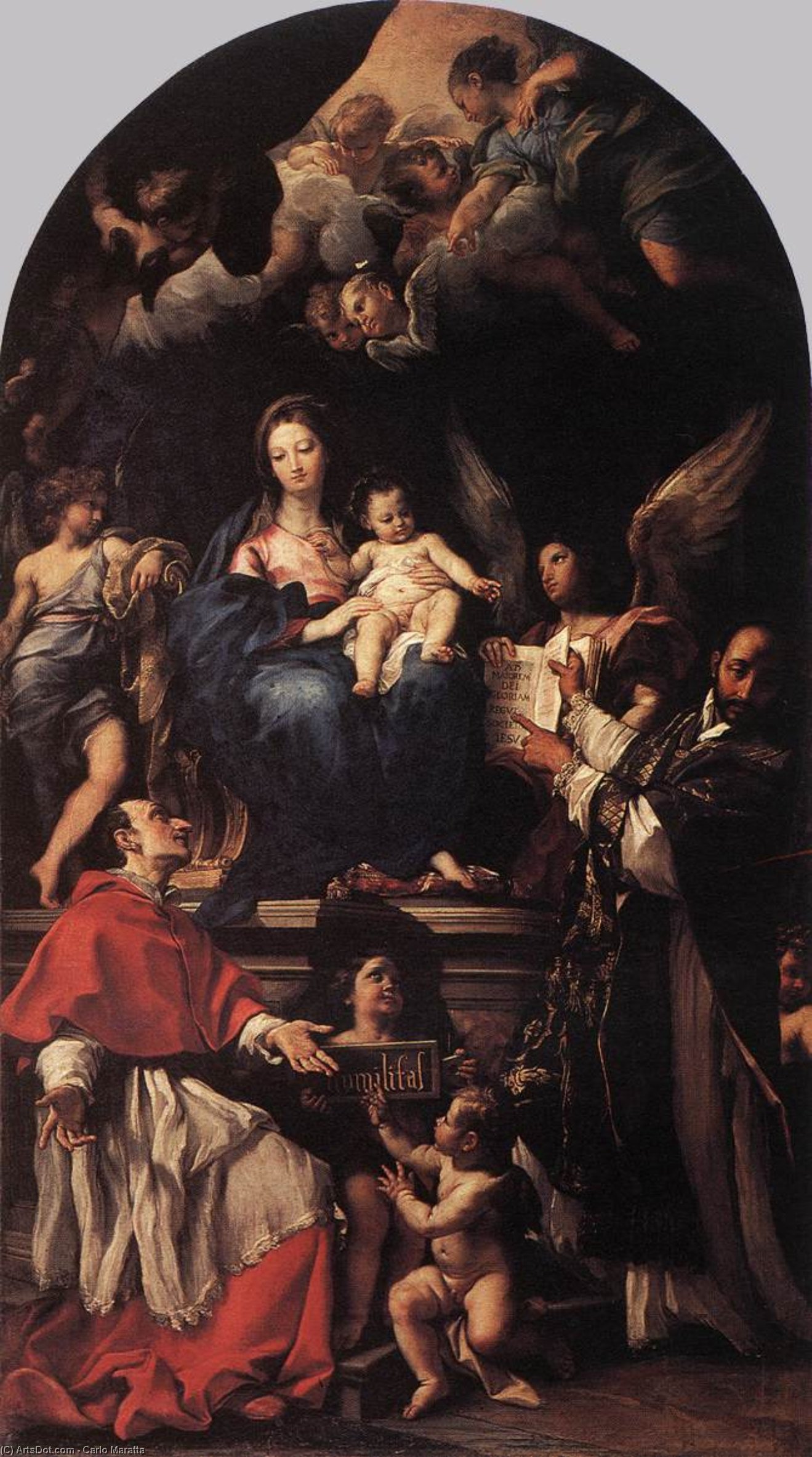
Madonna and Child Enthroned with Angels and Saints


 詳細を見る
詳細を見る
オンラインプレビューをはるかに凌ぐ、高解像度で鮮明なデジタル画像をご購入いただけます。
各ファイルは、社内の専門家が高度なツールと熟練した手作業によるレタッチを用いて、細心の注意を払って準備されています。すべての画像において、卓越した鮮明度、正確な色彩再現性、そして繊細なディテールを保証いたします。
最終ファイルは、プロフェッショナルな編集・印刷環境ですぐにご利用いただけるよう最適化された状態で、72時間以内にメールにてお届けいたします。これは、一流のデザインスタジオ、出版社、ギャラリーから信頼されているものと同等の品質です。
デジタル画像のご注文に付随する特典
高品質なデジタル画像配信を、確かな品質で。
ArtsDot.com を選ぶことは、単に画像を手に入れることではありません。それは、プロの手によって精密に仕上げられ、満足保証が付いた高品質なデジタルアートワークを受け取ることを意味します。ご注文いただいた際に自動的に付随する内容は、以下の通りです:

メールですぐにお届け
ご注文から72時間以内に、高解像度のデジタル画像ファイルがメールでお手元に届きます。すぐにそのままご利用いただけます。

AI技術で最適化されたデジタルファイル
お客様の作品は、高度なAIツールと専門家による手作業の編集を組み合わせてプロフェッショナルに最適化されており、細部のディテール、鮮明さ、そして正確な色再現性を最大限に引き出しています。

一生涯無料の再送サービス
ファイルを誤って削除したり、紛失してしまったりしましたか?ご安心ください。いつでも無料で再送いたします。

輸入手数料は一切かかりません
関税や手数料、配送料を気にすることなく、お気に入りのアートワークをすぐにお楽しみいただけます。デジタルダウンロードは常に免税です。

色彩再現の保証
プロ仕様のツールとカラーマネジメント技術を用いることで、デジタル画像が元の色を最大限に忠実に再現することを保証いたします。

60日間満足保証
ご購入いただいたデジタル画像にご満足いただけない場合は、60日以内であれば、修正または100%の返金(理由を問う必要はありません)をさせていただきます。

100% 返金保証
ご満足いただけない場合は、デジタルファイルを受け取ってから60日以内であれば、理由を問わず全額返金いたします。

まとめ買い割引
3枚購入で10%OFF - 5枚購入で15%OFF - 10枚以上購入で20%OFF。クリエイティブなプロジェクト、ギャラリー、エージェンシーに最適です。
作品の詳細
Madonna and Child Enthroned with Angels and Saints
Carlo Maratta’s “Madonna and Child Enthroned with Angels and Saints” stands as a cornerstone of Baroque Classicizing Style, encapsulating the artistic fervor of 17th-century Rome during a period marked by papal patronage and an unwavering devotion to religious iconography. Painted circa 1680, this monumental canvas transcends mere representation; it embodies a profound meditation on divine grace and maternal sanctity—themes central to Catholic piety at the time. The artwork’s composition is meticulously balanced, reflecting the Baroque preoccupation with grandeur and order amidst dramatic visual effects. At its core resides Mary, seated upon an ornate throne adorned with intricate carvings symbolizing royal authority and spiritual elevation. Beneath her gaze rests Jesus Christ, cradled securely in her arms—a depiction instantly recognizable as one of the most enduring images of motherhood within Western art history. Surrounding them are a multitude of angels and saints, engaged in gestures of reverence and adoration, creating an atmosphere of celestial splendor. Each figure is rendered with painstaking detail, showcasing Maratta’s mastery of chiaroscuro – the skillful manipulation of light and shadow—a technique characteristic of Baroque painting that intensifies emotional impact and lends depth to the scene. The stylistic choices underscore Maratta's commitment to classical ideals while simultaneously embracing Baroque dynamism. Unlike the exuberant flamboyance of earlier Baroque artists, Maratta favored a restrained palette and precise modeling, prioritizing clarity and harmony over theatrical exuberance. This approach aligns with the broader artistic movement’s aspiration for elegance and intellectual sophistication—a reaction against the turbulent upheavals of the Reformation and a desire to reaffirm faith through refined aesthetic expression. The artist's meticulous attention to anatomical accuracy reflects the humanist influence prevalent during Maratta’s time, grounding the spiritual narrative in observable reality. Symbolism permeates every element of “Madonna and Child Enthroned.” Mary’s blue cloak—a traditional emblem of purity—contrasts sharply with the golden throne, symbolizing divine majesty and holiness. The infant Jesus, swathed in white linens, represents innocence and divinity—the embodiment of Christ’s divine nature. Angels bearing musical instruments evoke the liturgical tradition of praising God through music, reinforcing the artwork's spiritual significance. Furthermore, the saints depicted hold objects laden with symbolic meaning: a book signifies knowledge and scripture; a scroll proclaims divine revelation; and a chalice represents Eucharist—the sacrament commemorating Jesus’s sacrifice for humanity. The painting’s impact transcends its visual beauty, resonating deeply within viewers through its portrayal of maternal compassion and spiritual contemplation. Maratta skillfully captures the serene dignity of Mary and the tenderness with which she embraces her son—inspiring awe and reverence. “Madonna and Child Enthroned” continues to captivate audiences today as a testament to Baroque artistry’s ability to convey profound theological concepts in an aesthetically compelling manner, securing its place as one of Rome's most treasured artistic achievements.- Artist: Carlo Maratta
- Born Year: 1625
- Death Year: 1713
- Birth City: Camerano
- Birth Country: Italy
Additional Research:
The artwork’s provenance traces back to the Chiesa Nuova in Rome, a church commissioned by Pope Benedict XIV and renowned for its opulent Baroque interior decoration. Its depiction aligns closely with the broader artistic trends of the era—a period characterized by papal patronage and an unwavering devotion to religious iconography. The painting's stylistic features are consistent with Maratta’s signature style, reflecting his commitment to classical ideals while simultaneously embracing Baroque dynamism.File Information:
The image depicts a classical painting that captures the Madonna and Child Enthroned with Angels and Saints. The central figures are Mary, who is seated on a throne, and the infant Jesus, who is held by her. Both figures are surrounded by angels and saints, each engaged in various activities or gestures of reverence. Mary is depicted as a serene figure, holding the baby Jesus securely. She is adorned with a blue cloak, which is a common symbol of purity in religious art. The infant Jesus is dressed in swaddling clothes, a traditional representation of newborns at that time. The angels surrounding Mary and Jesus are depicted as winged figures, some holding musical instruments like lutes or flutes, suggesting the presence of music in this celestial scene. Their wings are spread wide, indicating their divine nature. Among the saints, one is seen holding a book, possibly symbolizing knowledge or scripture. Another saint holds a scroll with an inscription, which could be interpreted as a message from God or a prophecy. The other figures hold various objects that may have symbolic meanings, such as a chalice, a lily, and a palm branch. The background of the painting is dark, which helps to highlight the central figures and creates a sense of depth. The throne on which Mary sits is ornate, with intricate carvings and decorations, adding to the grandeur of the scene. The painting is executed in a realistic style typical of Baroque art, characterized by dramatic use of light and shadow, detailed rendering of figures and objects, and an emphasis on movement and emotion. The artist has skillfully used these techniques to create a sense of awe and reverence befitting the religious subject matter.Useful Links:
関連作品
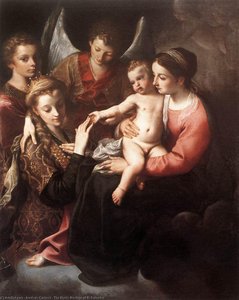
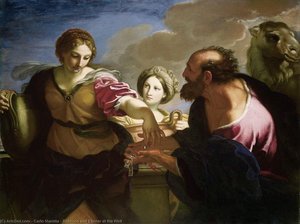
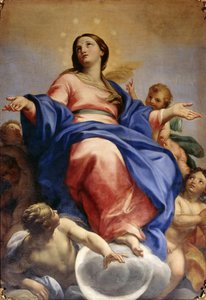
作家の略歴
ローマ・バロックを彩った巨匠、カルロ・マラッタ
カルロ・マラッタ(Marattiとも呼ばれる)は17世紀イタリア絵画において重要な位置を占める画家であり、盛期バロックからより洗練された古典主義的な美学への移行を体現しています。1625年5月15日、教皇領(現在のイタリアの一部)のカメラーノに生まれ、11歳の時にローマへ移り住み、その芸術的旅が始まりました。この転居は画期的な出来事となり、彼は測量された構図と古典主義への献身で知られる画家、アンドレア・サッキの工房に入ります。サッキの影響はマラッタの発展するスタイルに深く刻まれ、華麗なバロック様式とは一線を画す明瞭性、バランス、抑制された感情表現への傾倒を育みました。この弟子入りは単なる技術訓練ではなく、知的厳格さと調和のとれたデザインをドラマチックなスペクタクルよりも優先する芸術哲学への没頭でした。マラッタはこの原則を取り入れましたが、古典主義の枠に閉じこもることはなく、古典的な基盤とバロック様式の流れを巧みに融合させる卓越した能力を示しました。ローマでの華々しいキャリア
マラッタの才能はすぐに開花し、1650年代半ばにはすでに重要な依頼を受けるようになりました。初期の作品の一つである『受胎告知』(1656年、サンタ・マリア・デッラ・パチェ教会)は、光と動きを巧みに操り、宗教的な場面に深遠な精神性を吹き込む能力を示しています。彼は単に確立されたモデルを模倣するのではなく、優雅な人物像、洗練されたドレープ、そして微妙でありながら力強い色彩の使い方によって独自のビジョンを注入しました。この時期には『聖アウグスティヌスへの三位一体の啓示』(1655年頃)も制作され、古典主義的な理想とバロック様式のダイナミズムのバランスを見事に表現しています。彼の評判が高まるにつれて、依頼の規模と名声も高まりました。彼はローマの有力な家族に愛顧されるようになり、そして何よりも重要なことに、教皇庁からのパトロネージを得ることになります。60年以上にわたり、マラッタは少なくとも六人の教皇から依頼を受けました—これは彼の芸術的才能と政治的な洞察力の証です。この一貫した教皇の支援は経済的な安定をもたらしただけでなく、彼をローマの芸術的・文化的生活の中心に位置づけました。様式と影響の融合
マラッタのスタイルはしばしば「古典主義バロック」と呼ばれ、そのユニークな歴史的位置付けを表しています。ラファエロに根ざした古典的な伝統に深く根ざしている一方で、より劇的なバロック様式の傾向の影響も受けていました。同時代のジョヴァンニ・ベッローリは、この融合を認識し、初期の伝記の中でマラッタの芸術的アプローチを記録しました。画家は、バロック絵画の特徴である光と影の劇的な使い方と、古典主義者が好んだ構図の明瞭さを巧みに統合しました。この融合の結果、感情的に魅力的でありながら知的に満足させる作品が生まれました。彼のパレットは鮮やかでしたが、しばしば抑制され、大胆なコントラストよりも調和のとれた色彩関係を優先しました。彼は宗教的な物語を描くことに優れ、敬虔さと精神的な強度を吹き込みました。フィレンツェのピッティ宮殿に所蔵されている『聖フィリッポ・ネリへの聖母出現』(1675年頃)は、優雅さと深遠な感情的な共鳴をもってそのようなテーマを解釈する彼の能力を示す好例です。絵画を超えて:修復と遺産
マラッタの貢献は新しい作品の制作にとどまらず、ローマの芸術的遺産の保存にも尽力しました。1702年から1703年にかけて、インノチェンティウスXIは彼を*surintendent des chambres du vatican*(バチカン部屋監督官)に任命し、バチカンのスタンツァにあるラファエロのフレスコ画の修復という任務を与えました—これは彼が古典芸術における主要な権威としての地位を裏付けるものでした。この取り組みは単なる技術的な修復の問題ではなく、イタリア最大の芸術的宝の一つに対する敬意を表す行為であり、その重要性を理解しているマスターに託されました。マラッタは1713年12月15日にローマで亡くなるまで精力的に活動し続け、広大で影響力のある作品を残しました。古典主義的な様式を確立した彼の遺産は18世紀を通じて受け継がれ、明瞭性、バランス、調和のとれた構図を重視する世代の芸術家に影響を与えました。今日、彼の絵画はArtsDot.comのようなプラットフォームに掲載されている美術館を含む世界中の美術館で見ることができ、彼の芸術的ビジョンが今後何年にもわたって人々にインスピレーションと感動を与え続けていることを保証しています。主要な作品と永続的な影響
- アポロンとダフネ: 古典神話のダイナミックな描写であり、マラッタの動きと感情を描く能力を示しています。
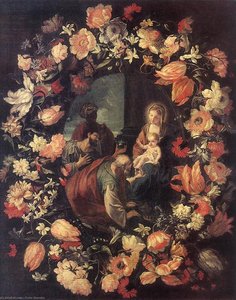
- 花輪の中の東方の三博士の礼拝: 色彩と形の習熟を示す豊かな詳細な構図です。
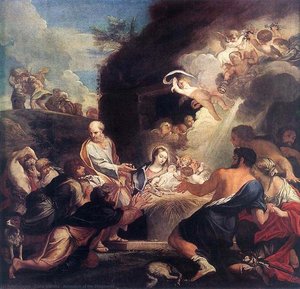
- 羊飼いの礼拝(1690年): 神聖な象徴性とダイナミックな配置で祝われるバロック様式の傑作です。
- 受胎告知: 光と動きの才能が宗教的な文脈で開花し始めた初期の作品です。
- 聖アウグスティヌスへの三位一体の啓示: 古典主義的な理想とバロック様式の要素を融合させる能力を示す説得力のある例です。
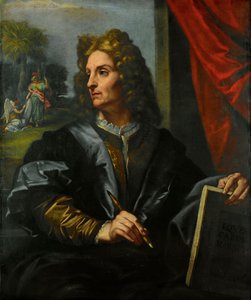
カルロ・マラッタ
1625 - 1713
プロフィール概要
- Artistic Movement Or Style: バロック古典主義
- Artists Or Movements Influenced By This Artist: ['18世紀美術']
- Artists Who Influenced This Artist: ['アンドレア・サッキ']
- Date Of Birth: 1625年5月15日
- Date Of Death: 1713年
- Full Name: カルロ・マラッタ
- Nationality: イタリア人
- Notable Artworks (List Of Titles):
- 受胎告知
- 三位一体の神秘
- 聖フィリッポ・ネリ
- アポロンとダフネ
- 東方の賢者礼拝
- 羊飼いの礼拝
- Place Of Birth (City And Country): カメラーノ、イタリア


