

 プレビュー
プレビュー
 シェアする
シェアする シェアする
シェアする
 詳細を見る
詳細を見る

 ダウンロード
 似ている作品
 X線調査
X線調査 スライドショー
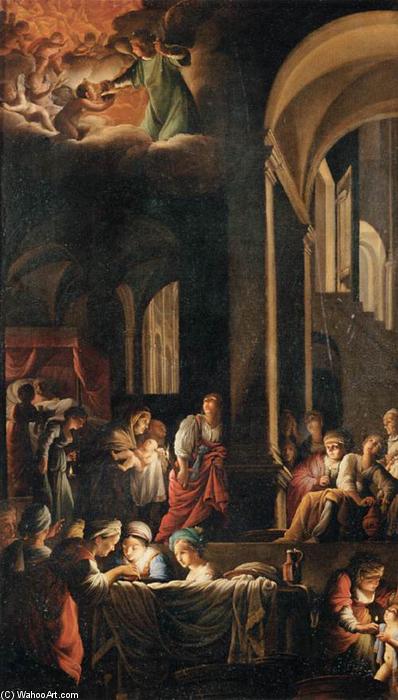
The Birth of the Virgin
 Oil On Copper
- Baroque
 1616
1616 71.0 x 42.0 cm
 ルーブル美術館
 詳細を見る
詳細を見る
ジークレー/アートプリント
迅速な制作と多彩な仕上げオプションを備えた、ミュージアムクオリティのジークレーまたはキャンバスプリント。 ( 手描きの絵画を購入 画像を購入)




P118B $10

P118H $10

P118W $10

P438Z $10

P508JH $12

P508YH $12

P805H $10

P805Z $10

P919BZ $10

P919G $10

P919XJ $10

P959ZH $10

P968JZ $12

W106C $8

W218G $10

W218JH $8

W218Y $10

W307PJ $10

W316G $10

W316PJ $8

W316Y $10

W398PJ $8

W4111J $10

W500HY $15

W500JH $15

W692G $12

W849H $8

W940BG $15

W953PJ $8




作品のオリジナル比率に合わせた、当店の規定サイズからお選びください。

特定のフレームやスペースに合わせて、ご自身でサイズを指定することも可能です。選択されたサイズが元の画像の比率と一致しない場合、作品をトリミングするか、鏡面反射または単色での塗りつぶしによって画像を拡張いたします。制作を開始する前に、ご確認用のデジタルモックアップをお送りいたします。
画面上のプレビューには、実際のトリミングや拡張は反映されませんのでご注意ください。最終的な構図を正確に確認できるのは、モックアップのみとなります。
カスタムサイズも承っておりますが、元の比率を維持するためには、あらかじめ用意されたリストからサイズを選択することをお勧めいたします。


 ガラスオプションは、110cm未満のサイズでのみご利用いただけます。

The Birth of the Virgin
ジークレー/アートプリント
複製画のサイズ
-


合計金額
$ 62
作品詳細説明
A Divine Encounter: Carlo Saraceni’s “The Birth of the Virgin”
Carlo Saraceni's "The Birth of the Virgin," painted in 1616, is not merely a depiction of a biblical scene; it’s an immersive experience—a vibrant tableau of faith, grace, and profound human emotion rendered with the dramatic intensity characteristic of the High Baroque. This oil-on-copper masterpiece, currently housed within the hallowed halls of the Louvre Museum in Paris, transcends its historical context to resonate powerfully with viewers centuries later. Saraceni, a Roman-trained artist who spent much of his career in Venice and Rome, masterfully synthesizes influences from his predecessors – Adam Elsheimer’s evocative landscapes and Caravaggio's revolutionary use of light – forging a distinctly personal style that is both deeply rooted in tradition and boldly innovative.
The painting immediately captivates with its masterful manipulation of chiaroscuro, the stark contrast between light and shadow. Saraceni employs this technique not just for dramatic effect but to draw the eye directly to Mary, the central figure, bathed in a luminous halo that signifies her sanctity and divine connection. The surrounding figures—angels, attendants, and Joseph—are rendered with meticulous detail, their robes shimmering with rich textures and metallic hues, further emphasizing the scene’s opulence and spiritual significance. The composition itself is carefully orchestrated; the pyramidal structure lends stability while simultaneously directing the viewer's gaze through the narrative unfolding before them.
Symbolism Woven into a Sacred Narrative
Beyond its technical brilliance, “The Birth of the Virgin” is rich in symbolic meaning. Mary’s youthful appearance and serene expression convey her purity and acceptance of God’s will. The presence of the angels, depicted with wings outstretched and faces filled with reverence, underscores the miraculous nature of the event. Notice, too, the subtle gestures—the gentle touch of an angel, the attentive gaze of Joseph—that communicate a deep sense of love and devotion. The architectural setting, though somewhat abstracted, evokes a sense of sacred space, reinforcing the painting’s religious subject matter. The inclusion of elements like the star above, subtly hinted at in the background, all contribute to a layered narrative that speaks to themes of hope, redemption, and divine grace.
A Roman Baroque Vision
Saraceni's work is firmly rooted within the Roman Baroque tradition, yet it possesses a distinctly Venetian sensibility. His use of color—deep reds, blues, and golds—is particularly striking, creating a visual feast that is both sumptuous and emotionally resonant. The painting’s dynamism is further enhanced by the swirling drapery and the figures' expressive gestures. It’s important to remember that Saraceni was working during a period of intense artistic experimentation, as artists sought to capture the drama and emotion of the Counter-Reformation. “The Birth of the Virgin” exemplifies this spirit of innovation, pushing the boundaries of traditional religious painting while remaining deeply faithful to its subject matter.
A Timeless Masterpiece – Available as a High-Quality Reproduction
“The Birth of the Virgin” remains a testament to Carlo Saraceni’s artistic genius and a powerful example of Baroque art. Today, you can experience this extraordinary painting firsthand at the Musée du Louvre or, more conveniently, through a meticulously crafted oil painting reproduction available on ArtsDot.com. This faithful recreation captures not only the visual splendor of the original but also its emotional depth and spiritual significance. Whether you are an art enthusiast, a collector seeking to enrich your collection, or simply someone looking for a stunning piece to adorn your home, this reproduction offers a beautiful and accessible way to connect with one of the most enduring masterpieces of Western art. For further information on Carlo Saraceni’s life and work, please visit Wikipedia or explore resources at The Web Gallery of Art.
関連作品


アーティストの略歴
カルロ・サラチェーニ:カラヴァッジョが落としたローマの影
カルロ・サラチェーニ(1579年 – 1620年6月16日)は、イタリア・バロック初期を代表する画家の一人です。「二流の第一級画家」という評価は、1968年の現代的なモノグラフの出版によって再考されることとなりました。ヴェネツィアに生まれ、その生涯を終えた彼ですが、その画風は紛れもなくローマ的でした。1598年にローマへ移住し、1607年にはサン・ルカ・アカデミーに入会しています。彼は一度もフランスを訪れたことはありませんでしたが、流暢なフランス語を操り、フランスの追随者たちを抱え、その装いまでもパリの流行に影響を受けていました。彼の芸術的旅路は、初期作品に深い影響を与えたアダム・エルスハイマーの風景画への心酔と、カラヴァッジョの革命的な技法の見事な吸収によって特徴づけられており、バロック運動におけるテネブリズム(暗黒主義)の先駆的な実践者としての地位を確立しました。- 幼少期とヴェネツィアのルーツ: 画家の家系にヴェネツィアで生まれたサラチェーニの形成期は、古典的な理想への敬意と細部への緻密な観察眼を彼に植え付けました。これらの資質は、後に彼の芸術スタイルの代名動となるものです。その修行は「ディセーニョ(素描)」と「ピクトゥーラ(絵画)」の両方に及び、ヴェネツィア美術の伝統に根を下ろしながらも、同時にローマのパトロンたちの要求に応えるための準備を整えていきました。
- ローマでの芸術的変容: 1598年のローマへの移住は、彼を芸術的革新の震源地へと押し上げる決定的な転機となりました。彼はサン・ルカ・アカデミーにおいて瞬く間に認められ、当時の知的な熱狂の中に身を投じ、エルスハイマーやカラヴァッジョといった巨匠たちから多大な影響を吸収していきました。この経験が劇的な様式の進化を促し、ヴェネツィア的な慣習から脱却して、より力強く感情に満ちた美学へと彼を導いたのです。
- カラヴァッジョの影響: カラヴァッジョの記念碑的なキャンバスとの出会いは、サラチェーニの芸術的軌道を決定的に変えてしまいました。カラヴァッジョと同様に、彼はドラマチックな照明技法である「キアロスクーロ(明暗法)」を追求し、光と闇の鮮烈なコントラストを生み出すことで、感情的なインパクトを高め、心理的な深みを表現しました。さらに、サラチェントは人物をダイナミックなポーズで描くカラヴァッジョ特有の手法を取り入れ、一瞬の動きを比類なきリアリズムで捉えることに成功したのです。
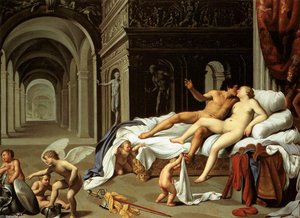
- 代表作: サラチェーニの芸術的成果は、宗教的な図像から神話の物語、そして肖像画に至るまで驚くほど幅広い主題に及び、画家としての多才さを証明しています。彼の最も名高い作品には、平和の象徴である鳩に彩られた聖グレゴリウスを穏やかに描いた「大グレゴリウス」、豪華な装飾の中で聖母マリアの輝かしい面持ちを見せる「聖母の誕生」、そしてキアロスクーロの光に包まれた神話的な恋人たちを描いた「ヴィーナスとマルス」などがあります。また、枢機卿スピーピオーネ・ボルゲーゼの依頼によるサンタ・マリア・デッラニーマ教会のフレスコ画は、構図と色彩における彼の卓越した支配力を象徴しています。
- 遺産と歴史的重要性: バロック美術に対するサラチェーニの貢献は疑いようがありません。彼はテネブリズムの礎石として、また劇的なリアリズムの旗手として、カラヴァッジョと肩を並べて存在しています。彼の絵画は、当時の芸術的感性に洞察を与え、視覚的な物語が持つ不朽の力を反映しながら、今日でも観る者を魅了し続けています。彼はパラッツォ・クイリナーレのサッラ・レージャにおけるジュリオ・ロマーノとの共同作業を通じて、ヴェネツィアの伝統とカラヴァッジョの革命的な様式を融合させる能力を示し、美術史における自らの地位を確固たるものにしました。
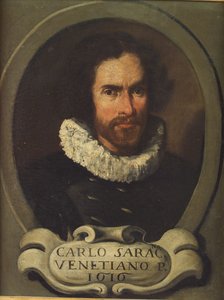
カルロ・サラチェーニ
1579 - 1620 , イタリア
基本情報
- Artistic Movement Or Style: 初期バロック、テネブリズム
- Artists Or Movements Influenced By This Artist: ['カラヴァッジョ派']
- Artists Who Influenced This Artist:
- アダム・エルスハイマー
- カラヴァッジョ
- Date Of Birth: イタリア、ヴェネツィア (1579年)
- Date Of Death: ローマ (1620年)
- Full Name: カルロ・サラチェーニ
- Nationality: イタリア人
- Notable Artworks:
- 大教皇グレゴリウス
- 聖母の誕生
- ヴィーナスとマルス
- Place Of Birth: ヴェネツィア
関連記事

バロックのドラマ:現代のインテリアに壮麗さと情感を取り込む
バロック様式の歴史、絵画、家具の魅力をご紹介。ArtsDotでは、高品質な油絵複製やカスタムポートレートをご提供し、現代のインテリアに壮麗さと情感を取り入れます。アートコンサルテーションも承ります。

The Enduring Power of Painting: A Historical & Contemporary Exploration of Form and Emotion
Explore the rich history & enduring techniques of oil painting with ArtsDot. Discover masterpieces, learn about art collecting, and find authentic handmade reproductions crafted by skilled artists.

The Dramatic Flourish: Exploring the Baroque Movement's Enduring Legacy in Art History
Explore the dramatic world of Baroque art! Discover iconic artists like Caravaggio & Rubens, defining techniques, and its lasting impact on art history. Expert insights for collectors & enthusiasts at ArtsDot.

The Enduring Legacy of Oil on Canvas: Technique, History & Aesthetic Impact
Explore the rich history & techniques of oil painting – from Renaissance masters to Impressionism. Discover pigments, layering methods, and why this timeless medium endures. Expert insights for artists & art enthusiasts.

バロック美術を極めた至宝:時代を彩る10大名作の世界
バロック美術の華!カラヴァッジョ、ベルニーニら巨匠が創り上げた10大名作を徹底解剖。ドラマチックな色彩と豪華絢爛の世界観に触れ、至宝のアートプリントで空間を彩ろう。ArtsDot.comで美術館品質の複製と洗練されたインテリアを見つけましょう!

