

 プレビュー
プレビュー
 シェアする
シェアする シェアする
シェアする
 詳細を見る
詳細を見る

 ダウンロード
 似ている作品
 X線調査
X線調査 スライドショー
 統計情報
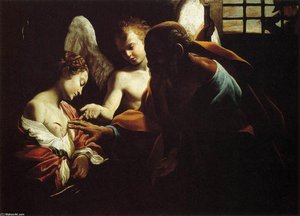
統計情報The Martyrdom of St Cecilia
 Acrylic On Canvas
- WallArt
- Baroque
 1610
1610 136.0 x 99.0 cm
 ロサンゼルス・カウンティ・ミュージアム・オブ・アート
 詳細を見る
詳細を見る
手描き油彩複製画
当社のアーティストが、お客様のご希望のサイズと額縁に合わせて、キャンバスに手描きで制作する油彩画です。 ( プリント版に切り替え デジタル画像販売へ切り替え)




P118B $10

P118H $10

P118W $10

P438Z $10

P508JH $12

P508YH $12

P805H $10

P805Z $10

P919BZ $10

P919G $10

P919XJ $10

P959ZH $10

P968JZ $12

W106C $8

W218G $10

W218JH $8

W218Y $10

W307PJ $10

W316G $10

W316PJ $8

W316Y $10

W398PJ $8

W4111J $10

W500HY $15

W500JH $15

W692G $12

W849H $8

W940BG $15

W953PJ $8




作品のオリジナル比率に合わせた、当店の規定サイズからお選びください。

特定のフレームやスペースに合わせて、ご希望のサイズをご入力いただけます。選択されたサイズが元の画像の比率と異なる場合、アートワークをトリミングするか、手描きで要素を追加して絵画を拡張いたします。デジタルモックアップ を制作し、制作開始前にご確認(承認)をいただきます。
画面上のプレビューは、実際のトリミングや拡張を正確に反映しているものではありません。最終的な構図は、モックアップによってのみ正確にご確認いただけます。
カスタムサイズもご利用いただけますが、元の比率を維持するためには、あらかじめ用意されたリストからサイズを選択することをお勧めいたします。
ご注文後、ArtsDot.com チームより詳細な指示をお送りするとともに、仕上がりイメージ(モックアップ)をご提供いたします。


 ガラスオプションは、110cm未満のサイズでのみご利用いただけます。

The Martyrdom of St Cecilia
複製技法
複製画のサイズ
-


合計金額
$ 263
A Dramatic Tableau of Faith and Suffering
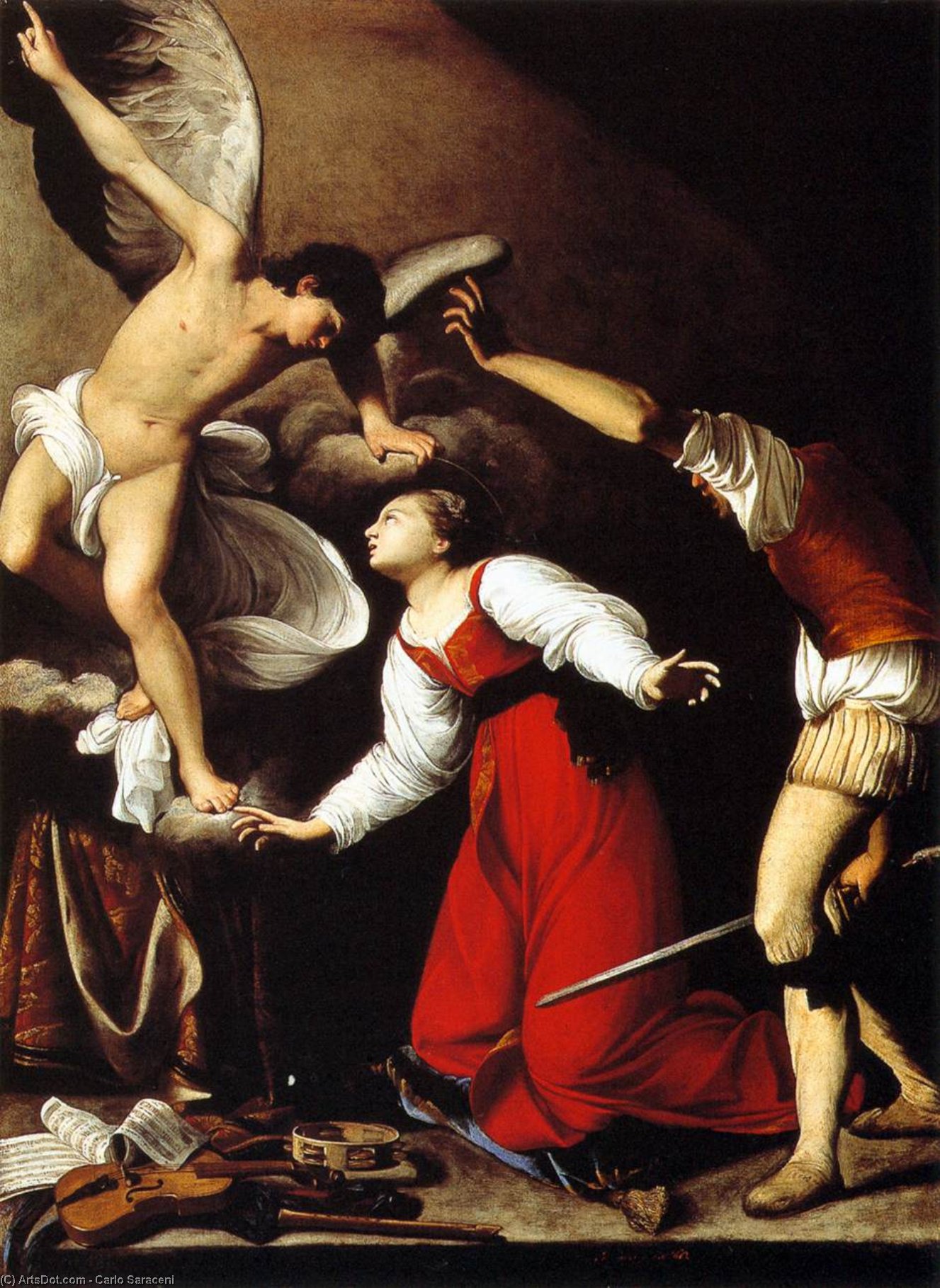
Carlo Saraceni’s “The Martyrdom of St Cecilia” is not merely a painting; it's a visceral plunge into a moment of profound spiritual intensity. Completed around 1610 in Rome, during the height of his career, this work transcends its religious subject matter to become a universal meditation on faith, sacrifice, and the struggle between earthly constraints and divine aspiration. The scene unfolds within a dimly lit chamber, dominated by a deep, almost suffocating darkness that immediately establishes an atmosphere of foreboding and vulnerability. This masterful use of tenebrism – a technique heavily influenced by Caravaggio – throws the central figures into sharp relief, their forms sculpted by dramatic contrasts of light and shadow, drawing the viewer’s eye directly to St Cecilia herself.
The composition is meticulously arranged, guiding our gaze through a carefully orchestrated narrative. St Cecilia, clad in flowing robes of deep crimson, is positioned at the heart of the scene, her posture conveying both unwavering resolve and palpable anguish. Two men, their faces obscured by shadow, hold her down with brutal efficiency, symbolizing the earthly forces attempting to suppress her spiritual devotion. Above them, an angel – rendered with ethereal grace and a subtle halo – extends a protective hand, offering solace and guidance. The inclusion of musical instruments—a violin and harp—underscores St Cecilia’s connection to music, traditionally associated with divine inspiration and a conduit for the soul's communion with God. Notably, a knife lies discarded on the floor near one of the men, a stark reminder of the violence inherent in earthly opposition to faith.
The Roman Shadow of Caravaggio
Saraceni’s artistic journey was profoundly shaped by the revolutionary techniques pioneered by Michelangelo Merisi da Caravaggio. Like Caravaggio before him, Saraceni employed dramatic lighting, known as *chiaroscuro*, to create a sense of theatricality and heighten emotional impact. The stark contrasts between light and dark not only define the forms but also evoke a powerful psychological drama, mirroring the internal struggle of St Cecilia. Furthermore, Saraceni’s use of naturalistic detail – evident in the textures of the fabrics, the expressions on the figures' faces, and the realistic depiction of the instruments – aligns him with Caravaggio’s commitment to portraying human experience with unflinching honesty. However, unlike Caravaggio’s often gritty realism, Saraceni imbues his work with a richer, more opulent palette, reflecting the influence of Venetian painting traditions.
A Window into 17th-Century Rome
“The Martyrdom of St Cecilia” offers a compelling glimpse into the artistic and religious landscape of 17th-century Rome. During this period, the city was experiencing a fervent revival of classical art and architecture, alongside a renewed interest in Christian iconography. The painting reflects the Counter-Reformation’s emphasis on emotional piety and dramatic storytelling – a deliberate attempt to reassert the Church's authority after the turmoil of the Protestant Reformation. Saraceni’s work exemplifies this trend, utilizing powerful imagery and emotive gestures to convey the sanctity and suffering of St Cecilia. His association with the Accademia di San Luca, a prestigious artistic institution in Rome, further underscores his position within this vibrant cultural milieu.
Symbolism and Emotional Resonance
Beyond its historical context, “The Martyrdom of St Cecilia” resonates deeply on an emotional level. The painting’s depiction of unwavering faith amidst adversity speaks to the universal human experience of struggle and resilience. St Cecilia's posture—a blend of defiance and vulnerability—captures the essence of spiritual fortitude. The angel’s protective presence offers a sense of hope and reassurance, suggesting that even in the darkest moments, divine grace remains accessible. The overall effect is one of profound contemplation, inviting viewers to reflect on their own beliefs, values, and the enduring power of faith.
関連作品
![Legend Of St Francis - [23] - St Francis Mourned By St Clare — ジョット, Gothic](/media/artworks/images-thumb/17/1c/171c284c41dc3ef8bca83e51c1e1e531.jpg)
アーティストの略歴
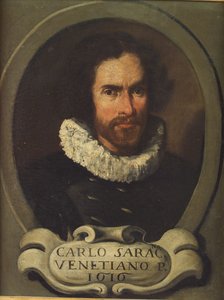
カルロ・サラチェーニ:カラヴァッジョが落としたローマの影
カルロ・サラチェーニ(1579年 – 1620年6月16日)は、イタリア・バロック初期を代表する画家の一人です。「二流の第一級画家」という評価は、1968年の現代的なモノグラフの出版によって再考されることとなりました。ヴェネツィアに生まれ、その生涯を終えた彼ですが、その画風は紛れもなくローマ的でした。1598年にローマへ移住し、1607年にはサン・ルカ・アカデミーに入会しています。彼は一度もフランスを訪れたことはありませんでしたが、流暢なフランス語を操り、フランスの追随者たちを抱え、その装いまでもパリの流行に影響を受けていました。彼の芸術的旅路は、初期作品に深い影響を与えたアダム・エルスハイマーの風景画への心酔と、カラヴァッジョの革命的な技法の見事な吸収によって特徴づけられており、バロック運動におけるテネブリズム(暗黒主義)の先駆的な実践者としての地位を確立しました。- 幼少期とヴェネツィアのルーツ: 画家の家系にヴェネツィアで生まれたサラチェーニの形成期は、古典的な理想への敬意と細部への緻密な観察眼を彼に植え付けました。これらの資質は、後に彼の芸術スタイルの代名動となるものです。その修行は「ディセーニョ(素描)」と「ピクトゥーラ(絵画)」の両方に及び、ヴェネツィア美術の伝統に根を下ろしながらも、同時にローマのパトロンたちの要求に応えるための準備を整えていきました。
- ローマでの芸術的変容: 1598年のローマへの移住は、彼を芸術的革新の震源地へと押し上げる決定的な転機となりました。彼はサン・ルカ・アカデミーにおいて瞬く間に認められ、当時の知的な熱狂の中に身を投じ、エルスハイマーやカラヴァッジョといった巨匠たちから多大な影響を吸収していきました。この経験が劇的な様式の進化を促し、ヴェネツィア的な慣習から脱却して、より力強く感情に満ちた美学へと彼を導いたのです。
- カラヴァッジョの影響: カラヴァッジョの記念碑的なキャンバスとの出会いは、サラチェーニの芸術的軌道を決定的に変えてしまいました。カラヴァッジョと同様に、彼はドラマチックな照明技法である「キアロスクーロ(明暗法)」を追求し、光と闇の鮮烈なコントラストを生み出すことで、感情的なインパクトを高め、心理的な深みを表現しました。さらに、サラチェントは人物をダイナミックなポーズで描くカラヴァッジョ特有の手法を取り入れ、一瞬の動きを比類なきリアリズムで捉えることに成功したのです。
- 代表作: サラチェーニの芸術的成果は、宗教的な図像から神話の物語、そして肖像画に至るまで驚くほど幅広い主題に及び、画家としての多才さを証明しています。彼の最も名高い作品には、平和の象徴である鳩に彩られた聖グレゴリウスを穏やかに描いた「大グレゴリウス」、豪華な装飾の中で聖母マリアの輝かしい面持ちを見せる「聖母の誕生」、そしてキアロスクーロの光に包まれた神話的な恋人たちを描いた「ヴィーナスとマルス」などがあります。また、枢機卿スピーピオーネ・ボルゲーゼの依頼によるサンタ・マリア・デッラニーマ教会のフレスコ画は、構図と色彩における彼の卓越した支配力を象徴しています。
- 遺産と歴史的重要性: バロック美術に対するサラチェーニの貢献は疑いようがありません。彼はテネブリズムの礎石として、また劇的なリアリズムの旗手として、カラヴァッジョと肩を並べて存在しています。彼の絵画は、当時の芸術的感性に洞察を与え、視覚的な物語が持つ不朽の力を反映しながら、今日でも観る者を魅了し続けています。彼はパラッツォ・クイリナーレのサッラ・レージャにおけるジュリオ・ロマーノとの共同作業を通じて、ヴェネツィアの伝統とカラヴァッジョの革命的な様式を融合させる能力を示し、美術史における自らの地位を確固たるものにしました。
カルロ・サラチェーニ
1579 - 1620 , イタリア
基本情報
- Artistic Movement Or Style: 初期バロック、テネブリズム
- Artists Or Movements Influenced By This Artist: ['カラヴァッジョ派']
- Artists Who Influenced This Artist:
- アダム・エルスハイマー
- カラヴァッジョ
- Date Of Birth: イタリア、ヴェネツィア (1579年)
- Date Of Death: ローマ (1620年)
- Full Name: カルロ・サラチェーニ
- Nationality: イタリア人
- Notable Artworks:
- 大教皇グレゴリウス
- 聖母の誕生
- ヴィーナスとマルス
- Place Of Birth: ヴェネツィア
関連記事

The Dramatic Flourish: Exploring the Baroque Movement's Enduring Legacy in Art History
Explore the dramatic world of Baroque art! Discover iconic artists like Caravaggio & Rubens, defining techniques, and its lasting impact on art history. Expert insights for collectors & enthusiasts at ArtsDot.

Theatricality & Triumph: Baroque Drama in Painting & Sculpture
Explore the dramatic world of Baroque art! Discover its history, defining characteristics, & lasting influence on painting & sculpture. Expert insights into Caravaggio, Zurbarán, and Bernini – plus high-quality reproductions at ArtsDot.

バロック美術を極めた至宝:時代を彩る10大名作の世界
バロック美術の華!カラヴァッジョ、ベルニーニら巨匠が創り上げた10大名作を徹底解剖。ドラマチックな色彩と豪華絢爛の世界観に触れ、至宝のアートプリントで空間を彩ろう。ArtsDot.comで美術館品質の複製と洗練されたインテリアを見つけましょう!

The Visceral Stage: Exploring Dramatic Narratives & Emotional Intensity in Baroque Art
Explore the dramatic world of Baroque art! Discover iconic masters like Caravaggio & Rembrandt, their techniques, and the movement's lasting impact. Expert insights for collectors & enthusiasts at ArtsDot.

バロックのドラマ:現代のインテリアに壮麗さと情感を取り込む
バロック様式の歴史、絵画、家具の魅力をご紹介。ArtsDotでは、高品質な油絵複製やカスタムポートレートをご提供し、現代のインテリアに壮麗さと情感を取り入れます。アートコンサルテーションも承ります。