

 プレビュー
プレビュー
 プリントを購入
 シェアする
シェアする シェアする
シェアする
 詳細を見る
詳細を見る

 ダウンロード
 似ている作品
 X線調査
X線調査 スライドショー
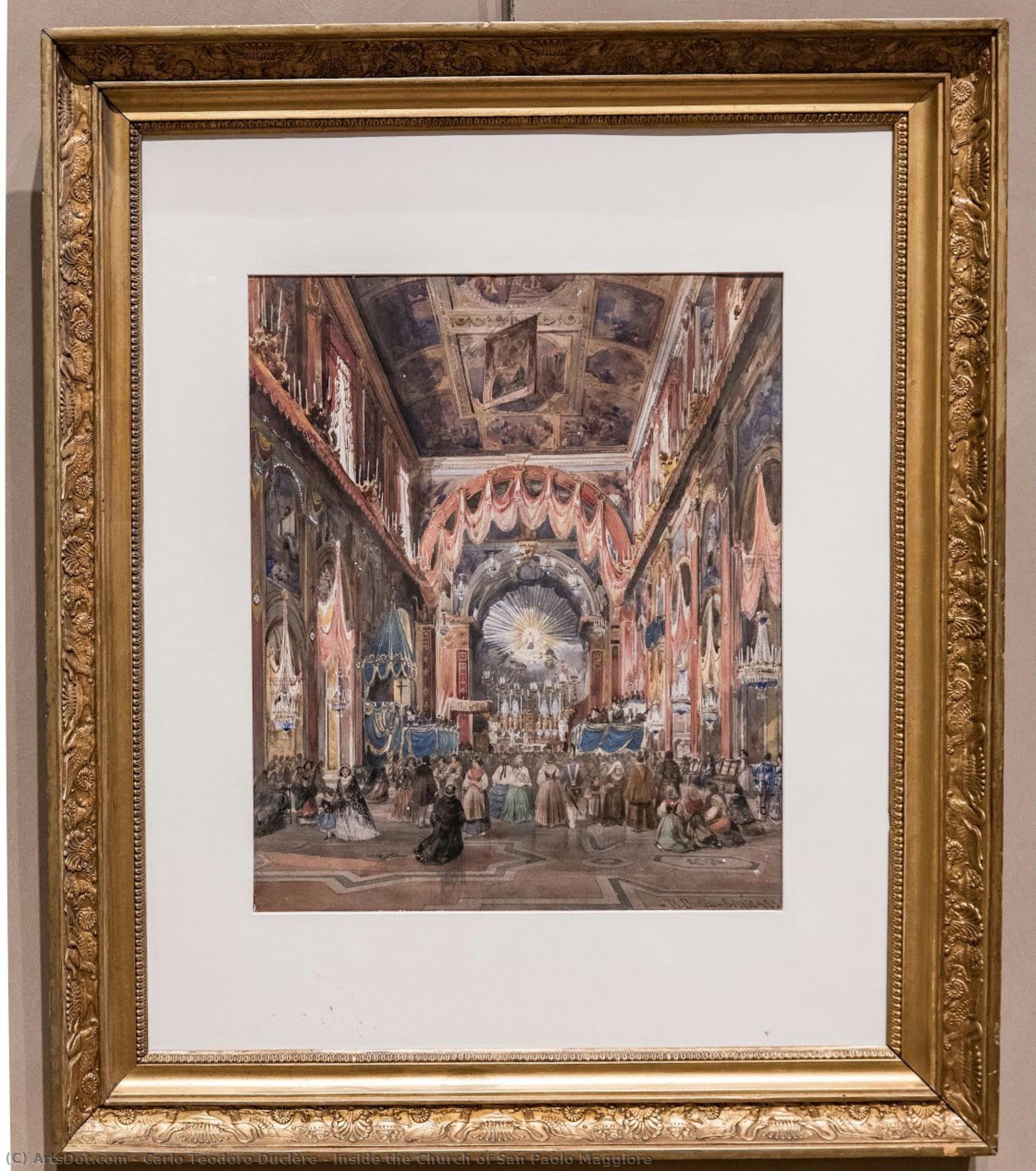
Inside the Church of San Paolo Maggiore


 詳細を見る
詳細を見る




P118B $10

P118H $10

P118W $10

P438Z $10

P508JH $12

P508YH $12

P805H $10

P805Z $10

P919BZ $10

P919G $10

P919XJ $10

P959ZH $10

P968JZ $12

W106C $8

W218G $10

W218JH $8

W218Y $10

W307PJ $10

W316G $10

W316PJ $8

W316Y $10

W398PJ $8

W4111J $10

W500HY $15

W500JH $15

W692G $12

W849H $8

W940BG $15

W953PJ $8




作品のオリジナル比率に合わせた、当店の規定サイズからお選びください。

特定のフレームやスペースに合わせて、ご希望のサイズをご入力いただけます。選択されたサイズが元の画像の比率と異なる場合、アートワークをトリミングするか、手描きで要素を追加して絵画を拡張いたします。デジタルモックアップ を制作し、制作開始前にご確認(承認)をいただきます。
画面上のプレビューは、実際のトリミングや拡張を正確に反映しているものではありません。最終的な構図は、モックアップによってのみ正確にご確認いただけます。
カスタムサイズもご利用いただけますが、元の比率を維持するためには、あらかじめ用意されたリストからサイズを選択することをお勧めいたします。
ご注文後、ArtsDot.com チームより詳細な指示をお送りするとともに、仕上がりイメージ(モックアップ)をご提供いたします。


 ガラスオプションは、110cm未満のサイズでのみご利用いただけます。

Inside the Church of San Paolo Maggiore
複製技法
複製画のサイズ
-


合計金額
$ 263
A Glimpse into Sacred Community: Inside the Church of San Paolo Maggiore
To stand within the hallowed walls depicted in Carlo Teodoro Duclère's "Inside the Church of San Paolo Maggiore" is to step across a threshold, leaving the clamor of the outside world for a moment of profound contemplation. This watercolor transports us into a vibrant tableau of communal devotion. The scene is richly populated, suggesting a time when faith served as the central pillar of community life. One can almost hear the hushed murmurs and the gentle rustle of garments as the assembled figures—a diverse gathering of people—occupy the space. Duclère masterfully captures not just the architecture, but the very breath of human connection within a sacred setting.
Technique and Atmosphere: The Watercolor Whisper
The choice of watercolor medium lends an ethereal quality to this depiction. Unlike the permanence of oil paint, watercolor allows light to permeate the scene, giving the church interior a luminous, almost breathable quality. Duclère’s handling of light is particularly noteworthy; it seems to emanate from unseen sources, catching the ornate details of the ceiling and reflecting softly off the polished surfaces. Observe the grand ceiling, adorned with its cross and magnificent chandeliers—these elements draw the eye upward, guiding the spirit toward the divine. The inclusion of a visible clock on one wall serves as a subtle anchor to reality, reminding us that even in moments of deep spirituality, life continues its measured passage.
Historical Echoes and Artistic Context
Painted in 1856, this work situates itself within the Romantic era's enduring fascination with Italian culture and religious grandeur. Carlo Teodoro Duclère, an artist deeply connected to the School of Posillipo, channeled a love for Southern Italy’s picturesque settings into his art. While he is celebrated for his landscapes, here he applies that same keen eye for detail to an interior scene. The painting functions as both a record and an idealization—a beautiful memory of public devotion during the mid-nineteenth century, capturing the confluence of local life and enduring spiritual tradition.
Symbolism of Gathering and Grace
The symbolism within this composition is deeply resonant. The sheer number of people gathered speaks to the universal human need for belonging and shared belief. Each figure, seated or standing, contributes to a tapestry of humanity united by a common purpose. The ornate paintings adorning the walls are not mere decoration; they are visual narratives, silent sermons that enrich the spiritual vocabulary of the space. For the collector or designer, this piece offers more than just décor; it offers an atmosphere—a curated sense of peace and enduring cultural richness to imbue any room with.
Bringing Sanctuary Home
Reproducing such a nuanced watercolor requires sensitivity to its delicate washes and subtle gradations of tone. Owning a high-quality reproduction of "Inside the Church of San Paolo Maggiore" is an invitation to bring this sense of sanctuary into your own home or design space. It suggests a life lived with reverence, where beauty, community, and spirit are intertwined. It is a piece that does not shout for attention but rather invites the viewer to pause, breathe deeply, and feel the quiet weight of history and faith surrounding them.
関連作品
アーティストの略歴
The Luminous Landscapes of Carlo Teodoro Duclère
In the heart of nineteenth-century Naples, a period defined by a profound romantic connection to the natural world, the works of Carlo Teodoro Duclère emerged as a testament to the enduring beauty of the Italian landscape. Born in 1812 to a French father and an Italian mother, Duclère’s very identity was a bridge between cultures, much like his art, which sought to capture the soul of Southern Italy through a lens of refined observation. His journey into the realm of fine art began under the tutelage of the esteemed Dutch-born painter Anton Sminck van Pitloo. This mentorship at the Academy of Fine Arts provided Duclère with more than just technical proficiency; it instilled in him a devotion to the en plein air tradition, a way of seeing that prioritized the authentic light and atmosphere of the Mediterranean.
As his talent blossomed, Duclère became deeply entwined with the School of Posillipo, an influential movement led by masters such as Salvatore Fergola and Giacinto Gigante. This school revolutionized landscape painting by moving away from rigid, idealized compositions toward a more spontaneous and realistic depiction of nature. Duclère’s brushwork reflected this shift, embracing the subtle nuances of light filtering through coastal groves or the soft haze settling over the Bay of Naples. His travels through Sicily, Puglia, and Campania served as his greatest inspiration, allowing him to document the diverse topography of the Italian peninsula with an intimacy that felt both personal and universal.
A Legacy of Light and Tradition
The life of Duclère was one of deep-rooted connections, both familial and professional. His marriage to Sofia van Pitloo, the daughter of his mentor, solidified a lineage of artistic excellence that would influence the Neapolitan art scene for generations. Beyond his personal milestones, his professional ascent was marked by significant recognition within the academic community. In 1849, his expertise was sought for a commission to reform the Academy of Fine Arts, and by 1861, he achieved the prestigious status of a member of the Academy, a distinction supported by influential figures such as Eugenio Emanuele di Savoia-Villafranca.
The enduring significance of Duclère’s oeuvre lies in its ability to evoke the quiet majesty of a bygone era. His paintings are not merely topographical records but emotional landscapes that invite the viewer to experience the warmth and serenity of the Italian sun. Today, his contributions to the history of landscape painting are preserved in esteemed institutions, ensuring that his vision of the Mediterranean remains vibrant and accessible:
- Museo di Capodimonte: Housing some of his most evocative works that capture the essence of Neapolitan scenery.
- Municipal Art Gallery in Giulianova: A testament to the reach of his influence across the Italian landscape.
- The School of Posillipo Legacy: His role in maintaining the movement's commitment to observed reality and atmospheric truth.
Through his meticulous attention to detail and his ability to translate the ephemeral qualities of light into permanent pigment, Carlo Teodoro Duclère remains a vital figure for anyone seeking to understand the romantic spirit of nineteenth-century Italian art.
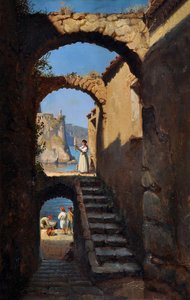
carlo teodoro duclère
1812 - 1869 , Italy
基本情報
- Artistic Movement Or Style: School of Posillipo
- Artists Who Influenced This Artist: Anton Sminck van Pitloo
- Date Of Birth: May 24, 1812
- Full Name: Carlo Teodoro Duclère
- Nationality: Italian
- Notable Artworks: ['Inside the Church of San Paolo Maggiore']
- Place Of Birth: Naples, Italy
関連記事

Watercolor Wonders: 10 Masterpieces That Redefined Art History | ArtsDot
Journey through 10 legendary watercolor masterpieces by Sargent, Turner & Homer! Explore iconic landscapes, portraits & floral art that redefined history. Find museum-quality reproductions and curated decor ideas at ArtsDot.com.

Ephemeral Visions: Exploring the Artistic Legacy & Contemporary Practice of Watercolor Painting
Explore the captivating world of watercolor painting! Discover its rich history, essential techniques, influential artists & collecting tips. A comprehensive guide for art enthusiasts from ArtsDot.
Ephemeral Visions: Exploring the History & Emotional Resonance of Watercolor Painting
Explore the captivating history of watercolor painting, from ancient techniques to modern masters like Kandinsky & Blake. Discover essential artists, collecting tips & the emotional power of this luminous medium. Expert insights for art enthusiasts.

Ephemeral Visions: Exploring the Artistic Legacy & Nuances of Watercolor Painting
Explore the captivating world of watercolor painting! Discover its rich history, essential techniques, influential artists & collecting tips from art experts. A comprehensive guide for enthusiasts.
水彩の永続的な魅力:歴史、技法、そして現代の実践
水彩画の歴史、技法、現代の実践を深く探求。巨匠たちの名画から初心者向けテクニックまで解説。ArtsDot.comでは高品質な複製画やカスタムポートレートをご提供します。アートコンサルテーションも受付中。

