

 プレビュー
プレビュー
 シェアする
シェアする シェアする
シェアする
 詳細を見る
詳細を見る

 ダウンロード
 似ている作品
 X線調査
X線調査 スライドショー
 Stats
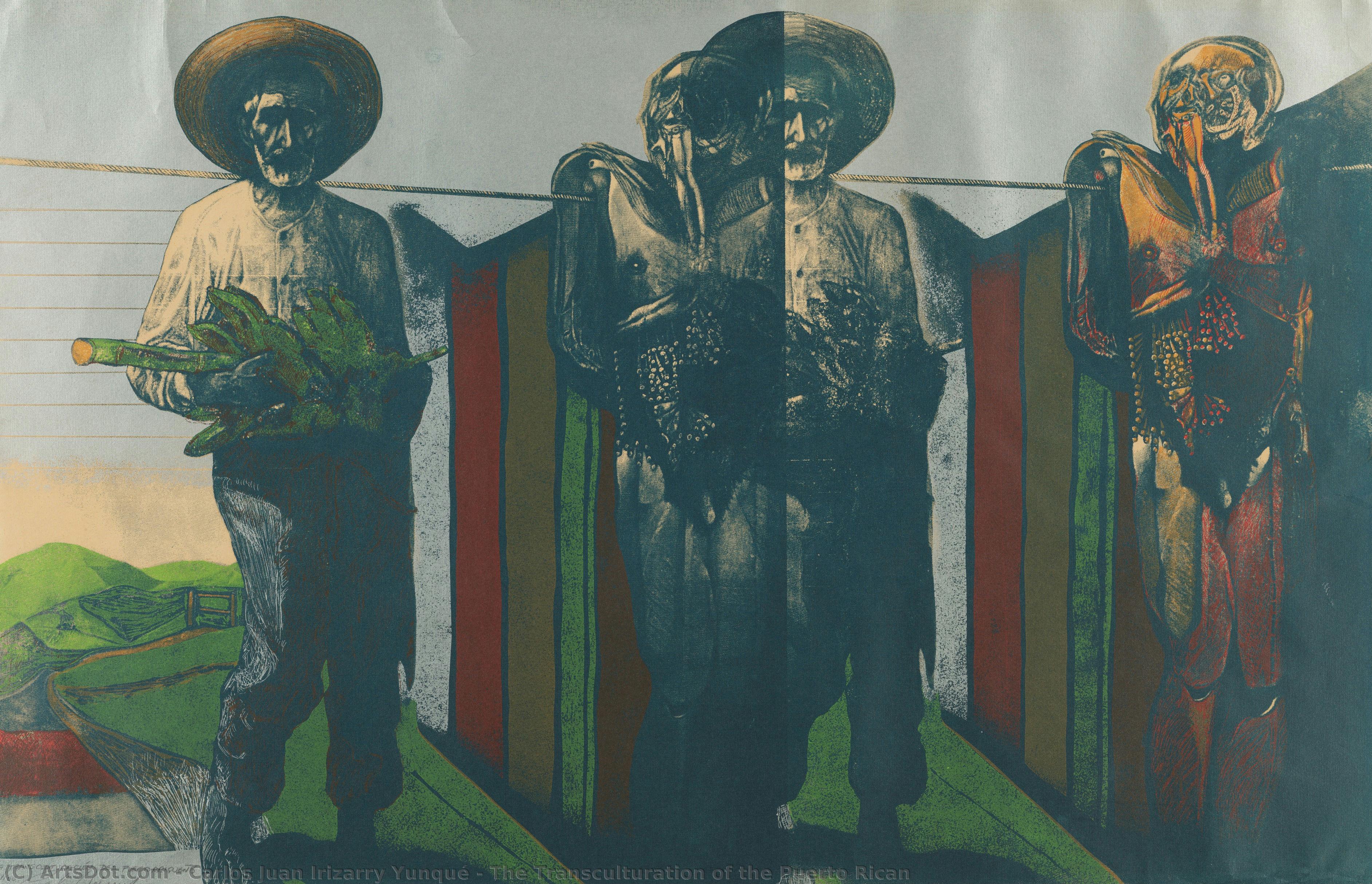
StatsThe Transculturation of the Puerto Rican


 詳細を見る
詳細を見る
オンラインプレビューをはるかに凌ぐ、高解像度で鮮明なデジタル画像をご購入いただけます。
各ファイルは、社内の専門家が高度なツールと熟練した手作業によるレタッチを用いて、細心の注意を払って準備されています。すべての画像において、卓越した鮮明度、正確な色彩再現性、そして繊細なディテールを保証いたします。
最終ファイルは、プロフェッショナルな編集・印刷環境ですぐにご利用いただけるよう最適化された状態で、72時間以内にメールにてお届けいたします。これは、一流のデザインスタジオ、出版社、ギャラリーから信頼されているものと同等の品質です。
デジタルアート
個人での鑑賞、印刷、クリエイティブなプロジェクト用に、高解像度ファイルをダウンロードできます。 ( Switch to Print 手描きの絵画を購入)
デジタル画像のご注文に付随する特典
高品質なデジタル画像配信を、確かな品質で。
ArtsDot.com を選ぶことは、単に画像を手に入れることではありません。それは、プロの手によって精密に仕上げられ、満足保証が付いた高品質なデジタルアートワークを受け取ることを意味します。ご注文いただいた際に自動的に付随する内容は、以下の通りです:

メールですぐにお届け
ご注文から72時間以内に、高解像度のデジタル画像ファイルがメールでお手元に届きます。すぐにそのままご利用いただけます。

AI技術で最適化されたデジタルファイル
お客様の作品は、高度なAIツールと専門家による手作業の編集を組み合わせてプロフェッショナルに最適化されており、細部のディテール、鮮明さ、そして正確な色再現性を最大限に引き出しています。

一生涯無料の再送サービス
ファイルを誤って削除したり、紛失してしまったりしましたか?ご安心ください。いつでも無料で再送いたします。

輸入手数料は一切かかりません
関税や手数料、配送料を気にすることなく、お気に入りのアートワークをすぐにお楽しみいただけます。デジタルダウンロードは常に免税です。

色彩再現の保証
プロ仕様のツールとカラーマネジメント技術を用いることで、デジタル画像が元の色を最大限に忠実に再現することを保証いたします。

100日間満足保証
ご購入いただいたデジタル画像にご満足いただけない場合は、100日以内であれば、理由を問わず修正または100%の返金対応をさせていただきます。

100% 返金保証
ご満足いただけない場合は、デジタルファイルを受け取ってから100日以内であれば、理由を問わず全額返金いたします。

まとめ買い割引
3枚購入で10%OFF - 5枚購入で15%OFF - 10枚以上購入で20%OFF。クリエイティブなプロジェクト、ギャラリー、エージェンシーに最適です。
関連作品
作家の略歴
Lucian Freud: A Portrait of the Soul
Lucian Michael Freud (1922-2011) remains one of the most compelling and challenging figures in 20th-century British art. More than simply a portrait painter, Freud offered an intensely intimate and often unsettling glimpse into the lives and psyches of his subjects – friends, family, lovers, and even strangers. His work, characterized by its thick impasto, stark realism, and profound psychological depth, continues to provoke debate and admiration decades after its creation. Born in Berlin amidst the turbulent backdrop of the Weimar Republic, Freud’s early life was shaped by a complex familial history rooted in psychoanalysis and a subsequent emigration to London during the rise of Nazism.
Freud's artistic journey began with an initial flirtation with surrealism, influenced by the vibrant Parisian art scene. However, he quickly gravitated towards a more direct and unflinching approach, developing a distinctive style that prioritized observation and emotional resonance over stylistic innovation. His early works, such as Portrait of Kitty (1948-49), already hinted at the raw honesty and vulnerability that would become hallmarks of his mature oeuvre. This piece, depicting his then-lover Kitty Leibovitz, established a precedent for his future portraits – intimate studies capturing not just physical likeness but also the subtle nuances of personality and mood.
The 1950s marked a crucial period in Freud’s development as he began to refine his technique and explore new subject matter. He moved away from overtly decorative or stylized approaches, embracing a more austere and confrontational style. His portraits became increasingly characterized by their starkness, often depicting subjects in dimly lit interiors or engaged in mundane activities. This shift reflected a growing interest in the darker aspects of human experience – loneliness, isolation, and repressed emotions. His work during this time was heavily influenced by the School of London, a group of British artists who rejected academic traditions and sought to develop a distinctly modern visual language.
A pivotal moment in Freud’s career arrived with the creation of Benefits Supervisor Sleeping (1995), a monumental portrait of model Joy Division. This painting, initially met with controversy for its unflinching depiction of a working-class woman's body, ultimately became one of the most celebrated works of his entire career. It demonstrated Freud’s ability to transform ordinary subjects into objects of profound artistic contemplation, revealing hidden depths and complexities within seemingly unremarkable lives. The scale of the painting itself – nearly 10 feet tall and 8 feet wide – further emphasized its immersive quality, enveloping the viewer in the subject's world.
Throughout his long and prolific career, Freud remained a notoriously private individual, often demanding extended sittings from his models. This deliberate process fostered an intense connection between artist and subject, resulting in portraits that are remarkably revealing and emotionally charged. His influence on subsequent generations of portrait artists is undeniable, and his work continues to be studied and admired for its psychological acuity, technical mastery, and unwavering commitment to capturing the essence of human experience. Lucian Freud’s legacy lies not just in the paintings themselves, but in their ability to force us to confront our own perceptions of beauty, truth, and vulnerability.
Key Influences
- Surrealism: Early exposure to surrealist ideas influenced his initial approach to painting, particularly regarding composition and the exploration of subconscious imagery.
- The School of London: This group of British artists—David Bomberg, Henry Moore, Ben Nicholson, Christopher Richard Wynne-Turner—provided a crucial context for Freud’s development, encouraging him to reject academic conventions and embrace a more personal and expressive style.
- Sigmund Freud: His father's profession as a psychoanalyst undoubtedly shaped his artistic sensibilities, fostering an interest in the complexities of the human psyche and the power of the unconscious.
- Portraiture Tradition: While rejecting traditional conventions, Freud was deeply aware of the rich history of portraiture, drawing upon it to create works that are both historically informed and strikingly original.
Major Works
- Portrait of Kitty (1948-49)
- Self-Portrait with a Pipe (1960)
- Benefits Supervisor Sleeping (1995)
- Jane Heseltine (1973)
- Numerous portraits of family members and friends, including his son David Freud.
Historical Significance
Lucian Freud’s work represents a significant departure from the prevailing artistic trends of his time. He rejected the idealized representations favored by many of his contemporaries, opting instead for a brutally honest and unflinching portrayal of human subjects. His portraits challenged conventional notions of beauty and glamour, offering a more complex and nuanced understanding of the human condition. Freud’s influence extends beyond the realm of painting, impacting contemporary portraiture and shaping our perception of how we represent ourselves and others in art.
carlos juan irizarry yunqué
1922 - 2015 , Puerto Rico
プロフィール概要
- Artistic Movement Or Style: Figurative art, Portraiture
- Artists Or Movements Influenced By This Artist:
- David Hockney
- Francis Bacon
- Artists Who Influenced This Artist:
- Surrealism
- Expressionism
- Date Of Birth: 8 December 1922
- Date Of Death: 20 July 2011
- Full Name: Lucian Michael Freud
- Nationality: British
- Notable Artworks:
- Benefits Supervisor Sleeping
- Portrait of Kitty
- Figure with Spread Leg
- Place Of Birth: Berlin, Germany