

 プレビュー
プレビュー
 シェアする
シェアする シェアする
シェアする
 詳細を見る
詳細を見る

 ダウンロード
 似ている作品
 X線調査
X線調査 スライドショー
 Stats
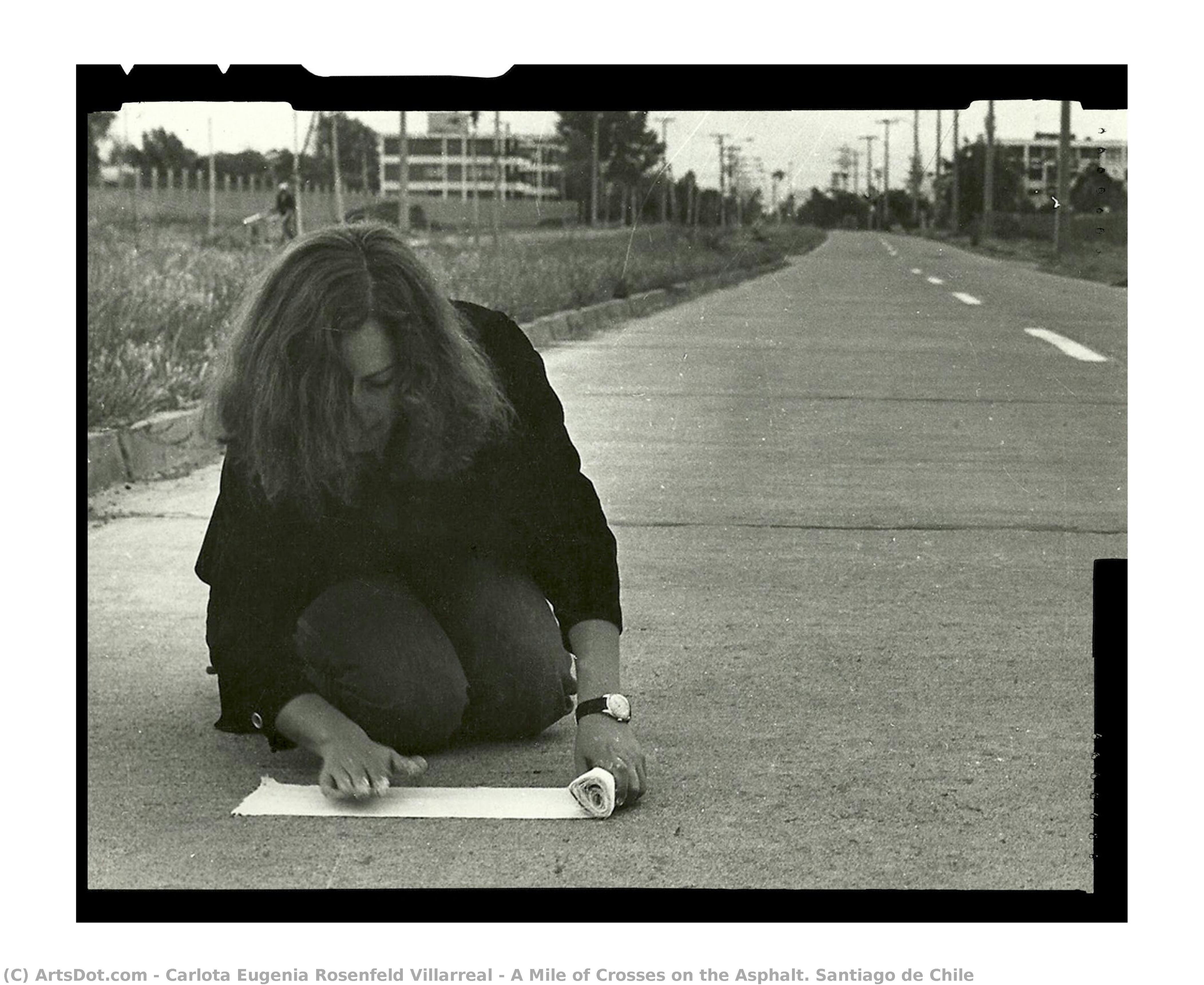
StatsA Mile of Crosses on the Asphalt. Santiago de Chile
 120.0 x 120.0 cm
 Centro Andaluz de Arte Contemporaneo
 詳細を見る
詳細を見る
ジークレー/アートプリント
迅速な制作と多彩な仕上げオプションを備えた、ミュージアムクオリティのジークレーまたはキャンバスプリント。 ( 手描きの絵画を購入 Switch to Digital Image)




































作品のオリジナル比率に合わせた、当店の規定サイズからお選びください。

特定のフレームやスペースに合わせて、ご自身でサイズを指定することも可能です。選択されたサイズが元の画像の比率と一致しない場合、作品をトリミングするか、鏡面反射または単色での塗りつぶしによって画像を拡張いたします。制作を開始する前に、ご確認用のデジタルモックアップをお送りいたします。
画面上のプレビューには、実際のトリミングや拡張は反映されませんのでご注意ください。最終的な構図を正確に確認できるのは、モックアップのみとなります。
カスタムサイズも承っておりますが、元の比率を維持するためには、あらかじめ用意されたリストからサイズを選択することをお勧めいたします。


 ガラスオプションは、110cm未満のサイズでのみご利用いただけます。

A Mile of Crosses on the Asphalt. Santiago de Chile
ジークレー/アートプリント
複製画のサイズ
-


合計金額
$ 62
関連作品




アーティストの略歴
A Disruptive Presence: The Art of Carlota Rosenfeld
Carlota Eugenia Rosenfeld Villarreal, known as Lotty Rosenfeld, emerged as a vital and provocative voice within the turbulent Chilean art scene of the late 1970s. Born in Santiago in 1943 and passing away in 2020, her life coincided with a period of profound political upheaval, an era that indelibly shaped her artistic practice. Rosenfeld wasn’t simply *of* her time; she actively challenged it, using the city itself as her canvas and public space as her arena for dissent. Her work transcended traditional boundaries, becoming less about objects and more about interventions – fleeting moments of disruption designed to provoke thought and question authority during the oppressive years of the Pinochet dictatorship.Early Influences & The Rise of Interventionism
While details regarding Rosenfeld’s formal artistic training remain somewhat scarce, her intellectual curiosity and engagement with contemporary philosophical currents are evident in her work. The burgeoning Conceptual art movement undoubtedly played a role, influencing her shift away from traditional mediums towards ephemeral actions and ideas. However, it was the specific context of Chile under military rule that truly ignited her unique approach. The coup d’état of 1973 silenced many voices, forcing artists to find alternative methods of expression. Rosenfeld responded by taking art *to* the people, bypassing galleries and museums altogether. Her early interventions were often subtle yet potent: manipulating traffic signs – altering their messages, adding new layers of meaning, or simply repositioning them to create jarring juxtapositions. These weren’t acts of vandalism but rather carefully considered gestures aimed at disrupting the everyday flow of life and prompting viewers to question the very structures that governed it. She understood the power of the semiotic landscape – how seemingly innocuous symbols could be hijacked and repurposed to challenge dominant narratives.Cada & The Collective Force
Rosenfeld’s commitment to collective action led to her pivotal involvement with Colectivo de Acciones de Arte (CADA), an interdisciplinary group formed in 1979. CADA became a crucial platform for artists seeking to resist the dictatorship through collaborative projects that directly engaged with public space. Unlike many art movements focused on individual expression, CADA prioritized collective authorship and the dematerialization of the artwork itself. Their actions ranged from large-scale murals painted clandestinely under the cover of darkness to street performances designed to expose the brutality of the regime. Rosenfeld’s contributions were instrumental in shaping CADA's aesthetic and political direction, emphasizing the importance of critical reflection on art’s role within a repressive society. The collective’s work wasn’t about creating beautiful objects but about fostering dialogue, raising awareness, and empowering marginalized communities.International Recognition & Lasting Legacy
Despite operating in a climate of censorship and political risk, Rosenfeld's work gradually gained international recognition throughout the 1980s and beyond. Her exhibitions spanned Latin America, Europe, Japan, and Australia, bringing her unique brand of interventionist art to a wider audience. She was included in major museum collections, most notably the Museum of Modern Art (MoMA) in New York, solidifying her position as a significant figure in contemporary art history. A particularly poignant moment came with her participation in the 56th Venice Biennale in 2015 as part of the Chilean Pavilion, offering a powerful testament to the resilience and creativity of Chilean artists during a dark chapter in their nation’s past. Her inclusion in Documenta 12 in Kassel (2007) further cemented her international standing.The Enduring Power of Disruption
Carlota Rosenfeld's legacy extends far beyond the specific historical context that birthed her art. Her work continues to resonate today, reminding us of the power of artistic intervention as a tool for social change and political resistance. She demonstrated that art doesn’t need to be confined to galleries or museums to be impactful; it can exist in the streets, in public spaces, in the everyday lives of people. Her manipulation of traffic signs wasn't merely about altering physical objects but about disrupting established systems of control and prompting viewers to question the world around them. Rosenfeld’s art is a testament to the enduring human spirit – a refusal to be silenced, a commitment to critical thinking, and a belief in the transformative power of collective action.- Key Themes: Political agency, public space, semiotics, resistance, dictatorship.
- Influences: Conceptual Art, Chilean political climate (1970s-80s).
- Collective Affiliation: Colectivo de Acciones de Arte (CADA).
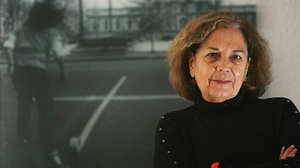
carlota eugenia rosenfeld villarreal
1943 - 2020 , Chile
基本情報
- Artistic Movement Or Style: Interventionism, Public Art
- Date Of Birth: 1943
- Date Of Death: 2020
- Full Name: Carlota Eugenia Rosenfeld Villarreal
- Nationality: Chilean
- Notable Artworks: ['Traffic Sign Manipulations']
- Place Of Birth: Santiago, Chile