

 プレビュー
プレビュー
 プリントを購入
 シェアする
シェアする シェアする
シェアする
 詳細を見る
詳細を見る

 ダウンロード
 似ている作品
 X線調査
X線調査 スライドショー
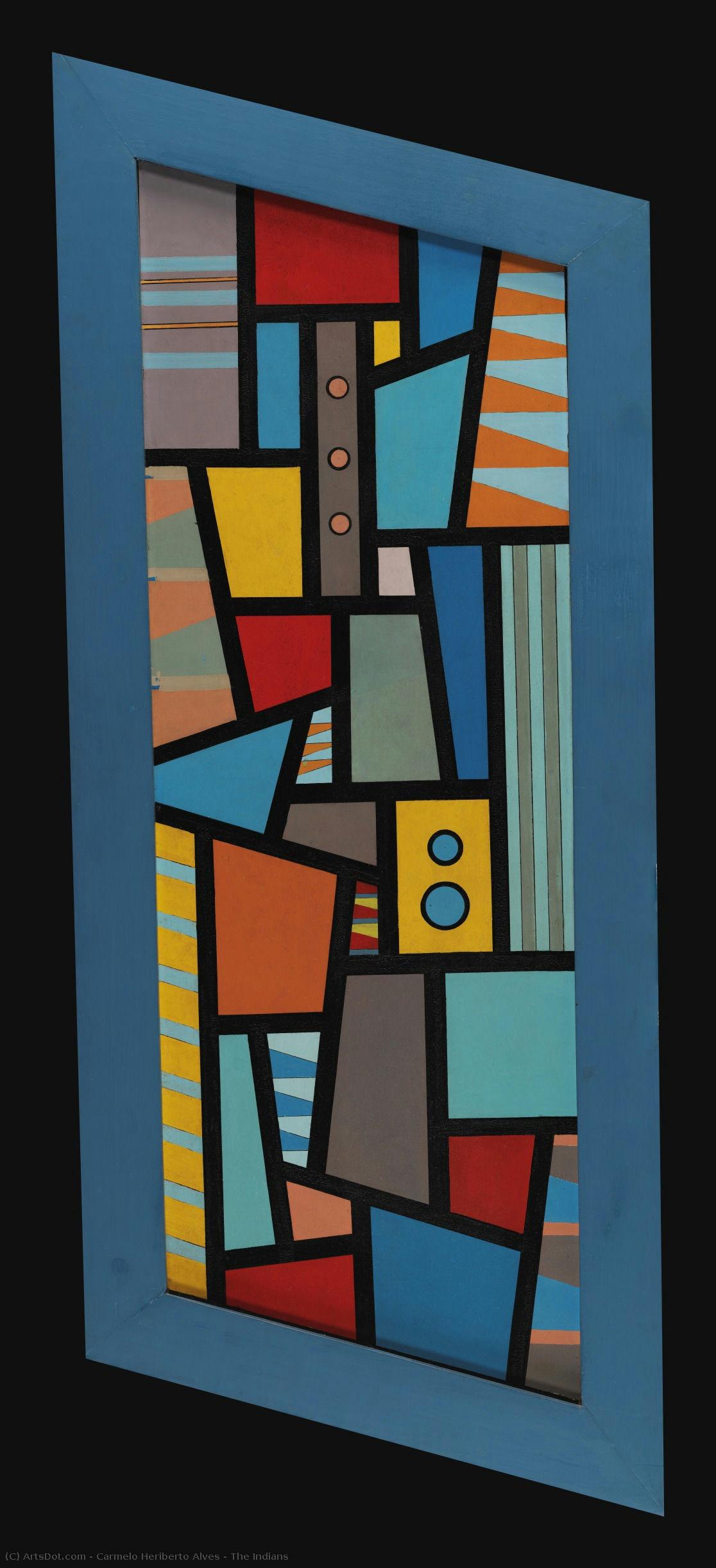
The Indians

 詳細を見る
詳細を見る
オンラインプレビューをはるかに凌ぐ、高解像度で鮮明なデジタル画像をご購入いただけます。
各ファイルは、社内の専門家が高度なツールと熟練した手作業によるレタッチを用いて、細心の注意を払って準備されています。すべての画像において、卓越した鮮明度、正確な色彩再現性、そして繊細なディテールを保証いたします。
最終ファイルは、プロフェッショナルな編集・印刷環境ですぐにご利用いただけるよう最適化された状態で、72時間以内にメールにてお届けいたします。これは、一流のデザインスタジオ、出版社、ギャラリーから信頼されているものと同等の品質です。
デジタル画像のご注文に付随する特典
高品質なデジタル画像配信を、確かな品質で。
ArtsDot.com を選ぶことは、単に画像を手に入れることではありません。それは、プロの手によって精密に仕上げられ、満足保証が付いた高品質なデジタルアートワークを受け取ることを意味します。ご注文いただいた際に自動的に付随する内容は、以下の通りです:

メールですぐにお届け
ご注文から72時間以内に、高解像度のデジタル画像ファイルがメールでお手元に届きます。すぐにそのままご利用いただけます。

AI技術で最適化されたデジタルファイル
お客様の作品は、高度なAIツールと専門家による手作業の編集を組み合わせてプロフェッショナルに最適化されており、細部のディテール、鮮明さ、そして正確な色再現性を最大限に引き出しています。

一生涯無料の再送サービス
ファイルを誤って削除したり、紛失してしまったりしましたか?ご安心ください。いつでも無料で再送いたします。

輸入手数料は一切かかりません
関税や手数料、配送料を気にすることなく、お気に入りのアートワークをすぐにお楽しみいただけます。デジタルダウンロードは常に免税です。

色彩再現の保証
プロ仕様のツールとカラーマネジメント技術を用いることで、デジタル画像が元の色を最大限に忠実に再現することを保証いたします。

100日間満足保証
ご購入いただいたデジタル画像にご満足いただけない場合は、100日以内であれば、理由を問わず修正または100%の返金対応をさせていただきます。

100% 返金保証
ご満足いただけない場合は、デジタルファイルを受け取ってから100日以内であれば、理由を問わず全額返金いたします。

まとめ買い割引
3枚購入で10%OFF - 5枚購入で15%OFF - 10枚以上購入で20%OFF。クリエイティブなプロジェクト、ギャラリー、エージェンシーに最適です。
関連作品








作家の略歴
Early Life and Artistic Awakening
Carmelo Heriberto Alves, known to the art world as Carmelo Arden Quin, was born in Rivera, Uruguay, on March 16, 1913—a location that would subtly yet profoundly shape his artistic trajectory. The border town’s unique position, straddling the line between Uruguay and Brazil, instilled in him a sense of fluidity and openness to new perspectives from an early age. His childhood was marked by both personal tragedy – the murder of his father before his birth – and familial support; three uncles stepped in to raise him, fostering an environment where creativity could flourish. Even as a young boy, Arden Quin demonstrated an innate artistic inclination, crafting and selling vibrant kites to his classmates, a testament to his early desire for expression and innovation.
This initial spark was further nurtured by his uncle Miguel, a painter and sculptor who provided rudimentary lessons and encouragement. Simultaneously, the political climate of Uruguay began to resonate with Arden Quin, igniting within him a lifelong commitment to social causes that would later inform his artistic philosophy. These formative experiences—the loss, the familial warmth, and the burgeoning awareness of societal issues—laid the groundwork for an artist deeply invested in both aesthetic exploration and meaningful change.
The Genesis of Madí: A Rejection of Convention
In 1934, Arden Quin embarked on a pivotal artistic experiment. While working in his uncle Miguel’s workshop, he felt constrained by the traditional rectangular format of painting. Driven by an impulse to “reform” this convention, he took scissors to one of his cubist works, cutting away portions of the border. This seemingly simple act was not merely a physical alteration; it represented a fundamental rejection of established norms and the beginning of a relentless pursuit of new forms. Shortly thereafter, Arden Quin relocated to Montevideo, immersing himself in the city’s vibrant artistic community.
A crucial encounter occurred in 1935 when he attended a lecture by Joaquín Torres-García, the founder of Universalismo—a movement advocating for a uniquely Latin American form of constructivism. Torres-García became a mentor, providing guidance and inspiration that profoundly influenced Arden Quin’s artistic development. However, while deeply appreciative of Torres-García's teachings, Arden Quin soon began to diverge from Universalismo’s principles, seeking an even more radical departure from tradition.
Buenos Aires and the Founding of Madí
By 1937, Arden Quin had moved to Buenos Aires, a city teeming with artistic energy. He quickly integrated himself into the local avant-garde scene, frequenting cafés where painters, poets, and intellectuals gathered to exchange ideas. He continued his studies at the university while simultaneously forging connections that would prove instrumental in the formation of a new movement. Recognizing a shared desire for innovation, Arden Quin began recruiting like-minded individuals, including poet Edgar Bayley.
In 1946, after years of gestation and debate, Arden Quin publicly presented the Madí Manifesto, outlining the principles of a revolutionary artistic approach. The movement championed non-objective geometric forms, irregular canvases, and mobile structures—a deliberate rejection of traditional rectangular formats and representational art. Madí, an acronym derived from “Materialismo Artístico Dialéctico Internacional” (International Dialectical Materialist Art), sought to liberate art from the constraints of ideology and embrace pure invention. The movement quickly gained momentum, hosting a series of exhibitions that showcased its radical new aesthetic.
International Expansion and Enduring Legacy
In 1947, Arden Quin relocated to Paris, establishing Madí International and extending the movement’s reach beyond Argentina. He exhibited regularly at the prestigious Salon des Réalités Nouvelles from 1948 to 1956, solidifying his contributions to global geometric abstraction. His work during this period continued to evolve, incorporating collage and découpage techniques before returning to painting in 1971.
Throughout his long and prolific career, Arden Quin remained committed to the principles of invention and experimentation. His oeuvre—spanning paintings, poems, and theoretical writings—prioritized empirical exploration over ideological narratives. He consistently challenged conventional notions of art, pushing boundaries and inspiring generations of artists. Carmelo Arden Quin passed away in Paris on September 27, 2010, leaving behind a rich legacy as a pioneering figure in abstract expressionism and a champion of artistic freedom. His work continues to be celebrated for its boldness, originality, and enduring relevance.
- Key Influences: Joaquín Torres-García, Piet Mondrian, the political climate of Uruguay
- Major Movement: Co-founder of Madí (Materialismo Artístico Dialéctico Internacional)
- Signature Style: Non-objective geometric abstraction, irregular canvases, mobile structures
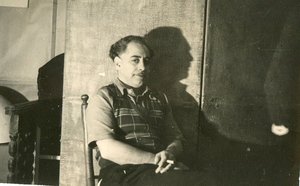
carmelo heriberto alves
1913 - 2010 , Uruguay
プロフィール概要
- Artistic Movement Or Style: Madí Movement, Abstract Expressionism
- Artists Or Movements Influenced By This Artist: ['Latin American abstract trends']
- Artists Who Influenced This Artist: ['Joaquín Torres-García']
- Date Of Birth: March 16, 1913
- Date Of Death: September 27, 2010
- Full Name: Carmelo Heriberto Alves
- Nationality: Uruguayan
- Notable Artworks: ['Untitled']
- Place Of Birth: Rivera, Uruguay