

 プレビュー
プレビュー
 プリントを購入
 シェアする
シェアする シェアする
シェアする
 詳細を見る
詳細を見る

 ダウンロード
 似ている作品
 X線調査
X線調査 スライドショー
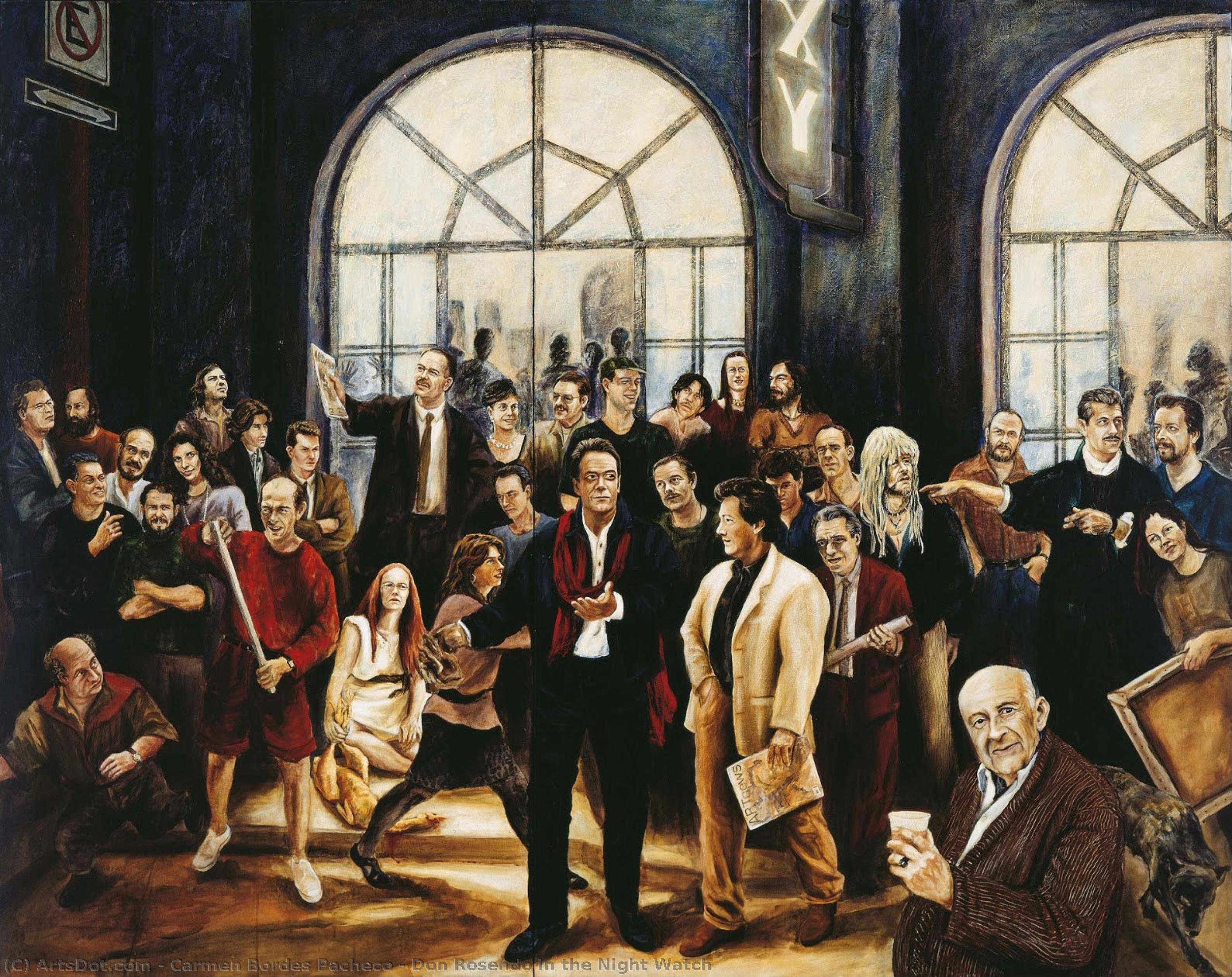
Don Rosendo in the Night Watch
 Acrylic
- WallArt
- Contemporary Realism
 1993
1993- Contemporary
 190.0 x 244.0 cm
 Museum of the Arts of the University of Guadalajara
 詳細を見る
詳細を見る
オンラインプレビューをはるかに凌ぐ、高解像度で鮮明なデジタル画像をご購入いただけます。
各ファイルは、社内の専門家が高度なツールと熟練した手作業によるレタッチを用いて、細心の注意を払って準備されています。すべての画像において、卓越した鮮明度、正確な色彩再現性、そして繊細なディテールを保証いたします。
最終ファイルは、プロフェッショナルな編集・印刷環境ですぐにご利用いただけるよう最適化された状態で、72時間以内にメールにてお届けいたします。これは、一流のデザインスタジオ、出版社、ギャラリーから信頼されているものと同等の品質です。
デジタル画像のご注文に付随する特典
高品質なデジタル画像配信を、確かな品質で。
ArtsDot.com を選ぶことは、単に画像を手に入れることではありません。それは、プロの手によって精密に仕上げられ、満足保証が付いた高品質なデジタルアートワークを受け取ることを意味します。ご注文いただいた際に自動的に付随する内容は、以下の通りです:

メールですぐにお届け
ご注文から72時間以内に、高解像度のデジタル画像ファイルがメールでお手元に届きます。すぐにそのままご利用いただけます。

AI技術で最適化されたデジタルファイル
お客様の作品は、高度なAIツールと専門家による手作業の編集を組み合わせてプロフェッショナルに最適化されており、細部のディテール、鮮明さ、そして正確な色再現性を最大限に引き出しています。

一生涯無料の再送サービス
ファイルを誤って削除したり、紛失してしまったりしましたか?ご安心ください。いつでも無料で再送いたします。

輸入手数料は一切かかりません
関税や手数料、配送料を気にすることなく、お気に入りのアートワークをすぐにお楽しみいただけます。デジタルダウンロードは常に免税です。

色彩再現の保証
プロ仕様のツールとカラーマネジメント技術を用いることで、デジタル画像が元の色を最大限に忠実に再現することを保証いたします。

100日間満足保証
ご購入いただいたデジタル画像にご満足いただけない場合は、100日以内であれば、修正または100%の返金(理由を問う必要はありません)をさせていただきます。

100% 返金保証
ご満足いただけない場合は、デジタルファイルを受け取ってから100日以内であれば、理由を問わず全額返金いたします。

まとめ買い割引
3枚購入で10%OFF - 5枚購入で15%OFF - 10枚以上購入で20%OFF。クリエイティブなプロジェクト、ギャラリー、エージェンシーに最適です。
A Cinematic Tribute to Guadalajara's Soul
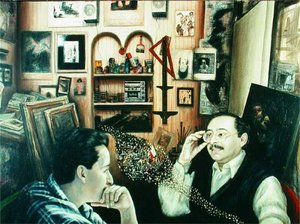
In the sweeping, large-scale canvas of "Don Rosendo in the Night Watch," artist Carmen Bordes Pacheco orchestrates a profound dialogue between historical homage and local identity. This magnificent acrylic piece, measuring an imposing 190 x 244 cm, serves as more than just a painting; it is a temporal bridge. By explicitly referencing Rembrandt van Rijn’s legendary 1642 masterpiece, The Night Watch, Pacheco does not merely imitate the Dutch Golden Age but reclaims its grandeur to celebrate the cultural tapestry of Guadalajara. The work functions as a collective portrait, where the shadows of European history meet the vibrant, living pulse of Mexican society.
The composition is a masterclass in atmospheric storytelling. Set against the nostalgic backdrop of the Roxy movie theater—a landmark that once served as a cornerstone of local social life—the painting creates a stage where history and modernity collide. The artist utilizes the facade of this iconic venue to ground the scene in a specific sense of place, transforming a classical technique into a testimonial of urban memory. As the eye wanders through the dimly lit interior, one encounters a gathering of at least fourteen figures, their presence woven together in a dense, mysterious choreography of conversation and movement.
Symbolism and the Art of the Portrait
At the heart of this narrative stands Don Rosendo, a figure who embodies the quiet dignity of the city's cultural enthusiasts. He is depicted as a regular attendee of art exhibitions, a man whose presence was marked not by loud proclamations, but by a gentle smile and a glass held in hand. Through him, Pacheco strips the portrait genre of its commercial vanity, instead imbuing it with a profound sense of witness. Don Rosendo becomes a symbol of the observant spectator, representing the very community that breathes life into the galleries of Guadalajara.
The painting is rich with enigmatic details that invite deep contemplation. The presence of swords and knives among the crowd introduces an element of tension and drama, reminiscent of the militia companies depicted by Rembrandt, yet here they serve to heighten the sense of mystery within the gathering. Clocks mounted upon the walls act as silent sentinels of time, reminding the viewer of the fleeting nature of these social encounters. Every element, from the placement of a solitary cup to the shadows stretching across the floor, contributes to an atmosphere of intrigue, making the piece an immersive experience for anyone standing before it.
A Masterpiece for Discerning Collections
For collectors and interior designers, "Don Rosendo in the Night Watch" offers an unparalleled opportunity to acquire a work of significant intellectual and aesthetic weight. The technique of using acrylic allows for a bold application of color and a depth of texture that captures the chiaroscuro effect—the dramatic play between light and dark—essential to the painting's emotional impact. This interplay of light creates a sense of movement and life, ensuring that the artwork remains dynamic regardless of the lighting conditions in which it is displayed.
Integrating a high-quality reproduction of this scale into a curated space provides an instant focal point of immense character. It is a piece that invites conversation, prompting guests to explore the layers of historical allusion and local tribute embedded within its layers. Whether placed in a grand salon, a sophisticated gallery, or a thoughtfully designed contemporary office, this work brings with it the spirit of Guadalajara’s cultural heritage and the timeless allure of classical storytelling, making it an enduring investment for those who value art that speaks to both the eye and the soul.
関連作品

作家の略歴
George Condo: Architect of the Unconscious
Born in Concord, New Hampshire, in 1957, George Condo’s artistic journey is a fascinating exploration of the subconscious mind rendered in vibrant, unsettling, and ultimately captivating paintings. His early life, marked by a dual pursuit of music – guitar and composition – alongside art history studies at the University of Massachusetts Lowell, laid the groundwork for his unique visual language. This confluence of disciplines—the structured logic of musical theory juxtaposed with the expressive freedom of artistic creation—became a defining characteristic of his work. Moving to Boston in the late 1970s, Condo found himself immersed in the burgeoning punk and blues scene, forming bands like The Girls and Hi Sheriffs of Blue, experiences that further fueled his unconventional approach to art.
Condo’s artistic breakthrough occurred in the early 1980s within the vibrant East Village art community of New York City. Rejecting traditional notions of representation, he coined the term “Artificial Realism” – a paradoxical description for paintings that simultaneously mimic and distort reality. This approach, heavily influenced by Old Master techniques yet imbued with an underlying sense of unease and psychological depth, quickly garnered attention. He began collaborating with influential figures like Jean-Michel Basquiat and Keith Haring, contributing to the artistic ferment of the era and solidifying his position as a key voice in contemporary art.
The Language of Distortion
Condo’s distinctive style is immediately recognizable: a complex layering of seemingly disparate elements—fragments of faces, distorted figures, architectural forms, and abstract shapes—collide within a richly colored, often claustrophobic space. He deliberately avoids clear narratives or easily decipherable symbolism, instead presenting the viewer with a fragmented, dreamlike landscape of the unconscious. This technique draws heavily on Surrealism, particularly the work of artists like Salvador Dalí and Max Ernst, but Condo’s execution is uniquely his own—characterized by an almost frantic energy and a palpable sense of anxiety.
His process involves meticulous layering of paint, often applied with palette knives and other tools to create textured surfaces that seem to writhe and shift before the eye. He frequently incorporates elements from advertising, pop culture, and classical art, seamlessly blending them into his own invented mythology. This deliberate juxtaposition of familiar imagery with unsettling distortions creates a powerful sense of disorientation and invites viewers to confront their own subconscious fears and desires.
Collaborations and Influences
Condo’s artistic development was significantly shaped by his collaborations with other notable artists, most notably William S. Burroughs. Their joint projects, including the series *Ghost of Chance*, explored themes of paranoia, identity, and the nature of reality through a combination of writing and visual art. These partnerships not only expanded Condo's creative horizons but also provided him with valuable insights into the power of symbolism and narrative.
Beyond Burroughs, Condo’s work has been influenced by a diverse range of sources, including Andy Warhol’s pop aesthetic, Mark Dagley’s abstract painting, and the writings of James Joyce. He cites a fascination with the subconscious mind as a primary driving force behind his art, seeking to capture the fleeting, illogical thoughts and emotions that lie beneath the surface of conscious awareness.
Legacy and Recognition
Despite initially operating outside the mainstream art world, George Condo’s work has gained increasing recognition in recent decades. His paintings are now exhibited in prestigious galleries around the globe, and his influence can be seen in the work of numerous contemporary artists. He is celebrated for his ability to create visually arresting images that challenge conventional notions of representation and invite viewers to engage with their own inner worlds.
Condo’s enduring appeal lies in his refusal to compromise—his unwavering commitment to exploring the complexities of the human psyche through a uniquely personal and unsettling artistic vision. He remains a vital and provocative force in contemporary art, continuing to push the boundaries of painting and inspire new generations of artists to embrace the power of the unconscious.
carmen bordes pacheco
1957 - , Mexico
プロフィール概要
- Artistic Movement Or Style: Artificial Realism
- Artists Or Movements Influenced By This Artist:
- Keith Haring
- Andy Warhol
- Artists Who Influenced This Artist:
- Jean-Michel Basquiat
- Mark Dagley
- Date Of Birth: 1957
- Full Name: George Condo
- Nationality: American
- Notable Artworks:
- The Cloudmaker
- Dancing to Miles
- Place Of Birth: Concord, New Hampshire