

 プレビュー
プレビュー
 シェアする
シェアする シェアする
シェアする
 詳細を見る
詳細を見る

 ダウンロード
 似ている作品
 X線調査
X線調査 スライドショー
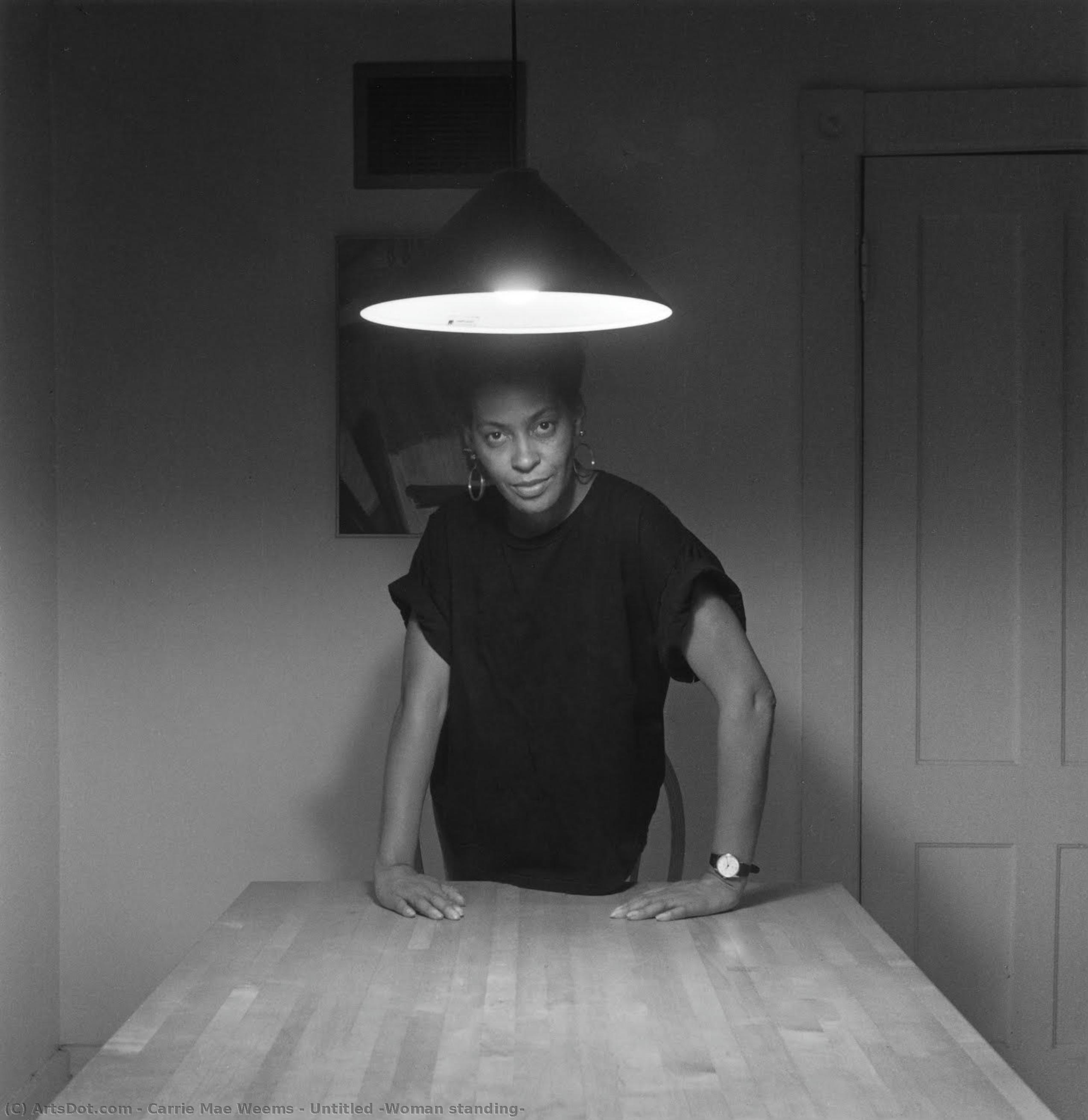
Untitled (Woman standing)
 Acrylic On Canvas
- WallArt
- Contemporary Realism
 1990
1990 71.0 x 71.0 cm
 Crystal Bridges Museum of American Art
 詳細を見る
詳細を見る
ジークレー/アートプリント
迅速な制作と多彩な仕上げオプションを備えた、ミュージアムクオリティのジークレーまたはキャンバスプリント。 ( 手描きの絵画を購入 画像を購入)




P118B $10

P118H $10

P118W $10

P438Z $10

P508JH $12

P508YH $12

P805H $10

P805Z $10

P919BZ $10

P919G $10

P919XJ $10

P959ZH $10

P968JZ $12

W106C $8

W218G $10

W218JH $8

W218Y $10

W307PJ $10

W316G $10

W316PJ $8

W316Y $10

W398PJ $8

W4111J $10

W500HY $15

W500JH $15

W692G $12

W849H $8

W940BG $15

W953PJ $8




作品のオリジナル比率に合わせた、当店の規定サイズからお選びください。

特定のフレームやスペースに合わせて、ご自身でサイズを指定することも可能です。選択されたサイズが元の画像の比率と一致しない場合、作品をトリミングするか、鏡面反射または単色での塗りつぶしによって画像を拡張いたします。制作を開始する前に、ご確認用のデジタルモックアップをお送りいたします。
画面上のプレビューには、実際のトリミングや拡張は反映されませんのでご注意ください。最終的な構図を正確に確認できるのは、モックアップのみとなります。
カスタムサイズも承っておりますが、元の比率を維持するためには、あらかじめ用意されたリストからサイズを選択することをお勧めいたします。


 ガラスオプションは、110cm未満のサイズでのみご利用いただけます。

Untitled (Woman standing)
ジークレー/アートプリント
複製画のサイズ
-


合計金額
$ 62
Carrie Mae Weems’ “Untitled (Woman standing)” – A Reflection on Identity and Domestic Life
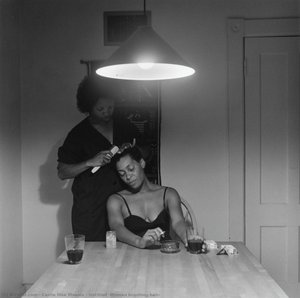
Carrie Mae Weems' "Untitled (Woman standing)" isn't merely a photograph; it’s a carefully constructed tableau that encapsulates the essence of American experience, particularly as viewed through the lens of Black womanhood. Executed in stark black and white, this 1990 piece—a cornerstone of her celebrated Kitchen Table Series—immediately draws the viewer into a quiet confrontation with vulnerability and resilience. The photograph’s genesis lies in Weems' daily ritual: positioning her camera before a simple wooden table bathed in the diffused glow of an overhead lamp – a deliberate act designed to capture not just a moment, but the unfolding narrative of everyday life within a domestic sphere.- Composition & Perspective: The image adheres to a balanced symmetry, anchoring itself with the horizontal expanse of the tabletop while directing our gaze upwards towards the warm light source. Two figures inhabit the background—blurred and less defined—adding depth and subtly hinting at the broader context of family life and societal observation.
- Lighting & Texture: The dramatic chiaroscuro achieved through single overhead illumination powerfully sculpts the woman’s form, emphasizing her posture and highlighting the grain of the wooden surface beneath. This meticulous attention to texture underscores Weems' commitment to portraying reality with palpable detail.
- Symbolism & Narrative: At its core, “Untitled (Woman standing)” speaks volumes about identity and resistance. The woman herself embodies strength—a deliberate gesture of defiance against societal pressures—while simultaneously conveying a profound sense of introspection. As Weems eloquently articulated in her discussion with Dawoud Bey for Bomb magazine, the figure serves as "a guide into circumstances seldom seen," inviting contemplation on universal themes of love, loss, and familial responsibility.
Technique & Artistic Vision
Weems’ masterful use of medium format photography—a deliberate choice reflecting her artistic sensibilities—allows for exceptional tonal range and detail capture. This technique isn't simply about reproducing an image; it’s about channeling emotion onto the canvas, mirroring Weems’ desire to “identify common experience across color boundaries.” The resulting monochrome palette amplifies the photograph’s impact, stripping away distractions and focusing solely on form and mood—a stylistic hallmark of her oeuvre.- Camera Choice: Utilizing a medium format camera ensures exceptional resolution and nuanced tonal gradation, allowing Weems to convey subtle shifts in light and shadow with remarkable precision.
- Stylistic Influence: The photograph draws inspiration from cinematic techniques—specifically American film stills—demonstrating Weems’ engagement with visual storytelling traditions.
- Emotional Resonance: Ultimately, “Untitled (Woman standing)” succeeds in conveying a profound emotional resonance – capturing the quiet dignity of solitude and confronting viewers with the complexities inherent in portraying human experience.
Historical Context & Significance
Born in 1953, Carrie Mae Weems emerged as a pivotal voice within contemporary American art during the late 1980s and early 1990s. Her Kitchen Table Series—beginning with “Untitled (Woman standing)”—marked a watershed moment in photographic narrative, challenging conventional representations of Black identity and advocating for inclusivity within artistic discourse. Weems’ work directly confronts issues of racism and sexism, prompting critical reflection on societal biases and celebrating the resilience of marginalized communities.- The Kitchen Table Series: This ambitious project aimed to dismantle stereotypical portrayals of Black life by documenting everyday scenes—primarily centered around a family kitchen table—revealing the richness and complexity of lived experience.
- Social Commentary: Weems’ artistic vision consistently champions social justice, urging viewers to confront uncomfortable truths about inequality and advocating for greater empathy across racial divides.
- Legacy & Influence: “Untitled (Woman standing)” continues to inspire artists and collectors alike—serving as a testament to Weems' enduring contribution to the canon of American art and her unwavering commitment to amplifying voices often silenced by mainstream narratives.
Concluding Thoughts – An Invitation to Reflection
“Untitled (Woman standing)” transcends mere visual representation; it’s an invitation to contemplate the universal human condition—specifically, the burdens borne by women striving for autonomy and connection amidst societal pressures. Its enduring power resides in its ability to capture a moment of quiet contemplation—a reminder that profound narratives can emerge from seemingly unremarkable settings. This photograph stands as a poignant emblem of Weems' artistic legacy: a celebration of vulnerability, resilience, and the transformative potential of visual storytelling.関連作品



アーティストの略歴
A Voice for Visual Narratives of Identity and Resistance
Carrie Mae Weems, born April 20, 1953, in Portland, Oregon, stands as a towering figure within contemporary American art—specifically recognized for her groundbreaking exploration of the African American experience through meticulously crafted photographic narratives and multimedia installations. Her artistic journey began with an unwavering commitment to confronting societal injustices and amplifying marginalized voices, establishing her as one of the foremost artists addressing issues of race, gender, and social inclusion. Weems’ formative years were steeped in a rich cultural heritage that profoundly shaped her worldview and fueled her creative impulse. Growing up in Baltimore, Maryland, she witnessed firsthand the complexities of navigating racial prejudice within American society—a reality that would become central to her artistic vision. This early exposure instilled in her a deep empathy for communities facing systemic oppression and solidified her determination to utilize art as a tool for social commentary and transformative dialogue.
The Power of the Narrative Lens
The breakthrough of Weems’ career arrived with “The Kitchen Table Series” (1992), a seminal photographic project that would redefine the boundaries of documentary photography. In this series, she documented everyday life within Black families, powerfully juxtaposing intimate domestic scenes with historical documents relating to slavery and racial discrimination. This ambitious undertaking was not merely about capturing visual representations; it was about constructing layered narratives that interrogated the legacy of oppression while simultaneously celebrating resilience and familial bonds. A distinctive hallmark of this work was her technique of printing photographs on fabric, a deliberate choice designed to imbue each image with tactile materiality and underscore its connection to broader cultural traditions. Through this method, Weems transformed the photographic medium into something deeply personal and historically resonant.
Her ability to weave intimacy with political urgency is evident in several of her most poignant works:
- Untitled (Woman standing): A profound 1990 black and white photograph that explores the complexities of womanhood and the broader American experience.
- Untitled (Woman brushing hair): A piece that captures a sense of quiet reflection and care within a minimalist kitchen setting, emphasizing themes of family connection.
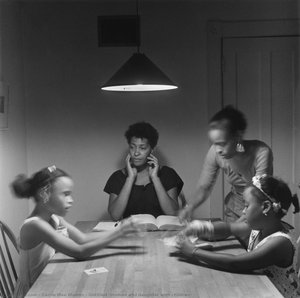
- Untitled (Woman and daughter with children): An evocative study of intimacy and identity, using the lens to explore social connections across generations.
Legacy and Historical Significance
Throughout her prolific career, Weems has continuously expanded her repertoire to include text-based art, video installations, and complex multimedia compositions. Her work serves as a vital archive of the Black experience, challenging the viewer to confront the historical shadows of prejudice while recognizing the enduring strength of community. By integrating text with imagery, she forces a dialogue between what is seen and what is known, creating a space where history and contemporary reality collide. Her influence extends far beyond the gallery walls, as her art continues to provoke essential conversations regarding how identity is constructed, performed, and reclaimed in the modern age. As a master of visual storytelling, Carrie Mae Weems remains an indispensable presence in the canon of contemporary art, ensuring that the narratives of the marginalized are etched permanently into the collective consciousness.
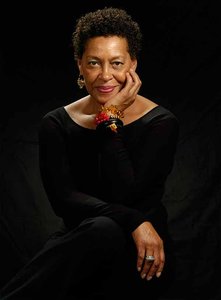
Carrie Mae Weems
1953 - , United States of America
基本情報
- Artistic Movement Or Style: Photography
- Date Of Birth: April 20, 1953
- Full Name: Carrie Mae Weems
- Nationality: American
- Notable Artworks:
- Untitled (Woman standing)
- Magenta Colored Girl
- Ode to Affirmative Action
- Place Of Birth: Portland, United States
関連記事

White on Canvas: 10 Masterpieces & Timeless Elegance for Your Home Decor
Explore 10 iconic white paintings by Monet, Whistler & Rothko! Discover the stories behind these serene masterpieces and their impact on art history. Find museum-quality reproductions for your home decor at .

Dark Masterpieces: 10 Iconic Paintings Dominated by Black Tones |
Explore 10 iconic paintings dominated by black tones, from Rembrandt’s chiaroscuro to Goya's dark expressions. Discover the stories behind these masterpieces & find museum-quality art reproductions for your home at .

Monochrome Visions: Exploring the Aesthetic & Historical Significance of Black & White Photography
Explore the rich history & artistic power of black and white photography. From early techniques to iconic masters like Ansel Adams, discover why monochrome continues to captivate art lovers today. Expert insights for collectors.
Timeless & Chic: Elevating Your New Home with the Sophistication of Black and White Photography
Transform your new home with the timeless allure of black and white photography. ArtsDot.com specializes in elegant monochrome decor and custom hand-painted wedding portraits that turn cherished milestones into lasting, soulful masterpieces. Elevate your space with ease.
白黒の静寂:写真から生まれる古典絵画の世界 - ミニマリズムと光の芸術 | ArtsDot
ArtsDotで、思い出の写真を感動的な絵画に。熟練のアーティストが手作業で古典絵画のような美を再現します。高品質な油絵レプリカやカスタム肖像画で、あなたの空間を芸術的に彩りませんか?無料アート相談も実施中。