 プレビュー
プレビュー
 プリントを購入
 シェアする
シェアする シェアする
シェアする
 詳細を見る
詳細を見る

 ダウンロード
 似ている作品
 X線調査
X線調査 スライドショー
in the Mountains


 詳細を見る
詳細を見る




P118B $10

P118H $10

P118W $10

P438Z $10

P508JH $12

P508YH $12

P805H $10

P805Z $10

P919BZ $10

P919G $10

P919XJ $10

P959ZH $10

P968JZ $12

W106C $8

W218G $10

W218JH $8

W218Y $10

W307PJ $10

W316G $10

W316PJ $8

W316Y $10

W398PJ $8

W4111J $10

W500HY $15

W500JH $15

W692G $12

W849H $8

W940BG $15

W953PJ $8




作品のオリジナル比率に合わせた、当店の規定サイズからお選びください。

特定のフレームやスペースに合わせて、ご希望のサイズをご入力いただけます。選択されたサイズが元の画像の比率と異なる場合、アートワークをトリミングするか、手描きで要素を追加して絵画を拡張いたします。デジタルモックアップ を制作し、制作開始前にご確認(承認)をいただきます。
画面上のプレビューは、実際のトリミングや拡張を正確に反映しているものではありません。最終的な構図は、モックアップによってのみ正確にご確認いただけます。
カスタムサイズもご利用いただけますが、元の比率を維持するためには、あらかじめ用意されたリストからサイズを選択することをお勧めいたします。
ご注文後、ArtsDot.com チームより詳細な指示をお送りするとともに、仕上がりイメージ(モックアップ)をご提供いたします。


 ガラスオプションは、110cm未満のサイズでのみご利用いただけます。

in the Mountains
複製技法
複製画のサイズ
-


合計金額
$ 263
作品解説
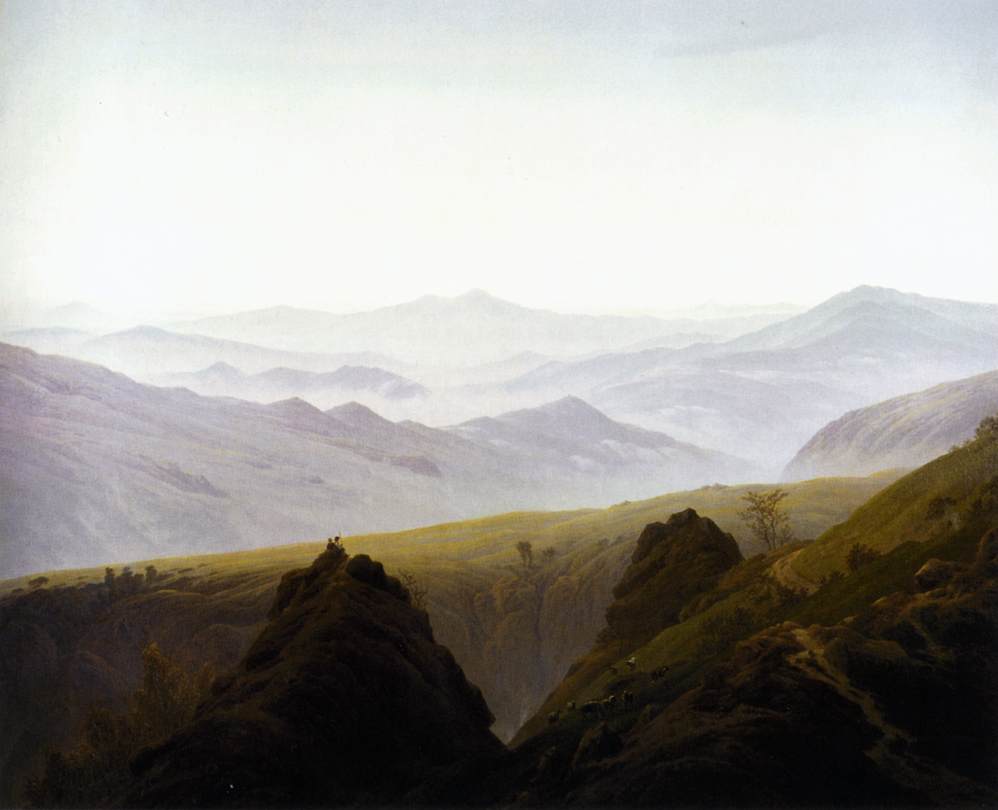
A Vista of Sublime Tranquility: Exploring Caspar David Friedrich’s ‘In the Mountains’ (1821)
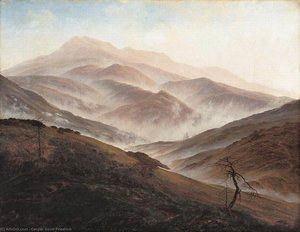
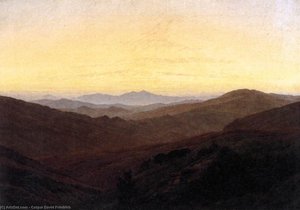
“In the Mountains,” painted in 1821 by German Romantic master Caspar David Friedrich, is a quintessential example of his evocative landscape work. This piece isn't merely a depiction of nature; it’s an invitation to contemplation and a powerful expression of the sublime – that feeling of awe mixed with reverence inspired by vastness and power.Subject & Composition: A Journey into Depth
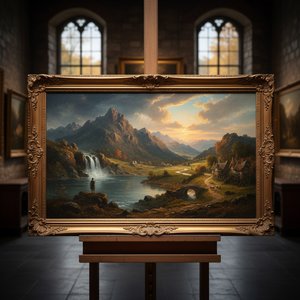
The painting presents a sweeping panorama of rolling hills giving way to distant, mist-shrouded mountains. A dramatic ravine cleaves through the center of the composition, acting as a visual pathway that draws the viewer’s eye deep into the valley. The foreground features textured hillside vegetation, while the background dissolves into soft lavender and grey tones. Notably, a solitary figure is subtly placed within the scene – dwarfed by the immensity of the landscape, emphasizing humanity's smallness in relation to nature’s grandeur. This compositional choice is characteristic of Friedrich’s work, prioritizing atmosphere and emotional resonance over precise topographical detail.Style & Technique: The Essence of German Romanticism
Friedrich was a leading figure in the German Romantic movement, and “In the Mountains” embodies its core tenets. The style is defined by its emphasis on emotion, individualism, and the glorification of nature. He masterfully employs oil painting techniques to create atmospheric effects – soft lines, blurred edges, and tonal variations that evoke a sense of distance and mystery. The muted color palette—grays, beiges, pale greens, and lavenders—contributes to the overall mood of serenity and melancholy. The diffused lighting suggests an overcast day, further enhancing the painting’s contemplative quality.Historical Context & Symbolism: A Reflection of its Time
Painted in a period of significant social and political change following the Napoleonic Wars, Friedrich's work often reflects a yearning for spiritual renewal and a rejection of Enlightenment rationalism. The Romantic era saw a growing fascination with nature as a source of solace and divine inspiration. The mountains themselves can be interpreted symbolically – representing both physical obstacles and spiritual aspirations. The lone figure is not simply *in* the landscape, but actively engaging with it, perhaps seeking transcendence or grappling with existential questions. Friedrich’s landscapes frequently allude to religious themes without being overtly didactic, inviting personal interpretation.Emotional Impact & Interior Design Considerations
"In the Mountains" evokes a profound sense of peace, solitude, and awe. It's a painting that encourages introspection and invites viewers to connect with their own emotions. Its cool color palette and serene composition make it an ideal addition to interiors seeking a calming and sophisticated atmosphere.- It would complement minimalist spaces, adding depth and visual interest.
- The muted tones work well in bedrooms or studies, fostering tranquility.
- A high-quality reproduction can serve as a focal point in a living room, sparking conversation and contemplation.
関連作品
アーティストの略歴
カスパル・ダヴィッド・フリードリヒ:魂を映す風景画家
1774年、ドイツのグライフスヴァルトで生まれたカスパル・ダヴィッド・フリードリヒは、その生涯と作品を通して、ロマン主義絵画の頂点を極めた芸術家である。幼少期から母親や兄弟を亡くした悲しみは、彼の心に深い影を落とし、自然の中に慰めを求め、死と時の流れに対する繊細な感受性を育んだ。兄クリスティアンからの素描教育を受け、ライプツィヒ大学で神学も学ぶ中で、視覚芸術への情熱と精神的な探求心が深まっていった。コペンハーゲン王立美術アカデミーでの研鑽を経て、ドレスデンに拠点を定め、ロマン主義の思想が渦巻く文化の中心地で独自の表現を追求していくことになる。フリードリヒにとって風景画とは、単なる自然描写ではなく、内面の感情や精神性を投影する媒体であり、その作品は見る者の魂を揺さぶる力を持つ。ロマン主義的風景の誕生:象徴と深遠
フリードリヒの芸術は、伝統的な絵画様式からの脱却を意味していた。緻密な描写よりも、感情や主観性を重視し、自然の中に潜む神秘性と崇高さを表現しようとしたのである。彼の作品の特徴として、背を向けて風景を見つめる人物(Rückenfiguren)が頻繁に登場する。これは、鑑賞者に作品世界へと誘い込み、共に自然の壮大さと静寂を感じ取ることを促すための技法である。古木、そびえ立つ山々、霧、廃墟といった自然元素は、単なる背景ではなく、人生のサイクル、精神的な憧憬、そして歴史の重みを象徴する存在として描かれている。青、灰色、茶色を基調とした色彩も、作品に内省的で沈鬱な雰囲気を添えている。フリードリヒは、風景を通して人間の魂の深淵を探求し、ロマン主義絵画における新たな境地を開拓したのである。代表作と普遍的なテーマ
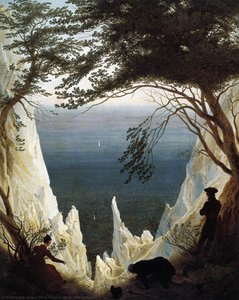
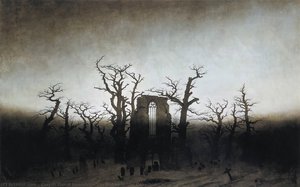
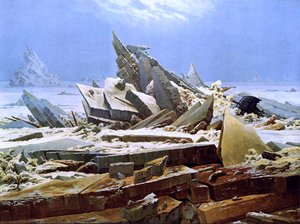
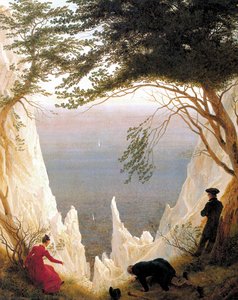
フリードリヒの傑作として知られる「オークの森の修道院」(1809-1810年)は、荒れ果てた墓地と老朽化した教会が描かれた作品であり、死と喪失、そして時の流れに対する深い考察を喚起する。彼の最も有名な作品の一つである「霧海の遊歩者」(c. 1818年)は、ロマン主義の理想を体現した傑作として知られる。無限に広がる霧海を見つめる人物のシルエットは、人間の願望と無力さ、そして宇宙との一体感を象徴している。「リューゲンの崖」(1818年)は、彼の卓越した空気感描写を示す作品であり、初期ドイツのナショナリズムの高まりを反映する要素も含まれている。さらに劇的な「氷海」(1824年)は、自然の圧倒的な力と人間の運命に対する無関心さを表現し、見る者に畏怖の念を抱かせる。彼の作品には、神性を宿した自然、宇宙規模での人間の小ささ、孤独感、精神的探求、そしてドイツ国民意識といった普遍的なテーマが繰り返し現れる。影響と再評価:ロマン主義を超えて
フリードリヒは、17世紀のオランダ絵画や、イマヌエル・カントの哲学など、多様な影響を受けていた。彼の作品は、初期には賛否両論あったものの、20世紀に入り、その芸術的価値が再評価され、象徴主義、シュルレアリスム、実存主義といった後世の芸術運動に大きな影響を与えた。ナチス政権下では一時的に脚光を浴びたものの、その後再び忘れ去られていた時期もあった。しかし、1970年代以降、フリードリヒは国際的な評価を取り戻し、ドイツ・ロマン主義を代表する芸術家として確固たる地位を築いている。彼の作品は、現代においても多くの人々に感動を与え続け、自然との深いつながりや人間の内面世界を探求する普遍的なテーマを提示している。歴史的意義:時代の魂を映し出す鏡
カスパル・ダヴィッド・フリードリヒの芸術は、ロマン主義という時代精神を体現したものであった。啓蒙主義の合理性を否定し、感情、想像力、個人の主観性を重視するロマン主義運動において、フリードリヒは自然を神聖な存在として描き出し、人間の内面世界との対話を通して、新たな芸術表現を開拓した。彼の作品は、当時のドイツ社会におけるナショナリズムの高揚と密接に関連しており、共通の文化的遺産に対する意識を醸成する役割を果たした。フリードリヒが1840年にドレスデンで亡くなった後も、その影響は時代を超えて受け継がれ、現代においても多くの芸術家や鑑賞者に深い感銘を与え続けている。彼の作品は、単なる風景画ではなく、人間の魂を映し出す鏡であり、自然との調和と精神的な探求の重要性を私たちに教えてくれるのである。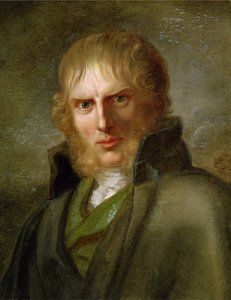
カスパー・ダヴィッド・フリードリヒ
1774 - 1840 , ドイツ
基本情報
- フルネーム: カスパール・ダヴィド・フリードリヒ
- 主な作品:
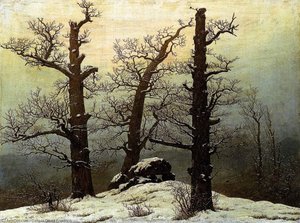
- 聖堂のオーク林
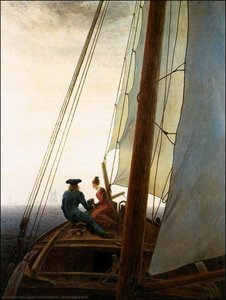
- 気まぐれな海上の旅人
- リューゲンの白い崖
- 氷海
- 出生地: グライフスヴァルト、ドイツ
- 国籍: ドイツ
- 影響を与えたアーティストまたは運動:
- 象徴主義
- シュルレアリスム
- 影響を受けたアーティスト: ['ヤコブ・ファン・ルイスダール']
- 死亡年月日: 1840年5月7日
- 生年月日: 1774年9月5日
- 芸術運動またはスタイル: ロマン主義
関連記事

ロマン派ランドスケープ:時代を彩る巨匠の10選|アートとインテリアの世界
ロマン派絵画の時代を彩る10選。巨匠たちの風景が織りなす感動の世界へ。ターナー、ルーベンスなど、名作の裏話と高精細複製でアートをお部屋に。ArtsDot.comで至福のアート体験を。
Caspar David Friedrich: Romanticism's Master of Landscape & the Sublimity of Inner Experience
Explore the profound landscapes of Caspar David Friedrich, a master of German Romanticism. Discover the symbolism, themes & enduring influence of this iconic artist. A deep dive into his life and work.
The Sublime and the Picturesque: Exploring Emotion & Nature in Romantic Landscape Painting
Explore the emotional power of Romantic landscape painting! Discover the sublime & picturesque traditions, key artists like Friedrich & Cole, and find your perfect artwork at ArtsDot.
Evoking Nature's Sublime: A Comprehensive Exploration of 19th-Century Landscape Painting
Explore the captivating world of 19th-century landscape painting! Discover renowned artists like Friedrich & Monet, key movements, and find the perfect artwork to bring nature's serenity into your home. Expert insights at ArtsDot.
The Sublime and the Picturesque: Exploring Emotion & Nature in Romantic Landscape Painting
Explore the emotional power of Romantic landscape painting! Discover the sublime & picturesque aesthetics, key artists like Friedrich & Cole, and lasting influence on art history. Find your perfect piece at ArtsDot.