

 プレビュー
プレビュー
 プリントを購入
 シェアする
シェアする シェアする
シェアする
 詳細を見る
詳細を見る

 ダウンロード
 似ている作品
 X線調査
X線調査 スライドショー
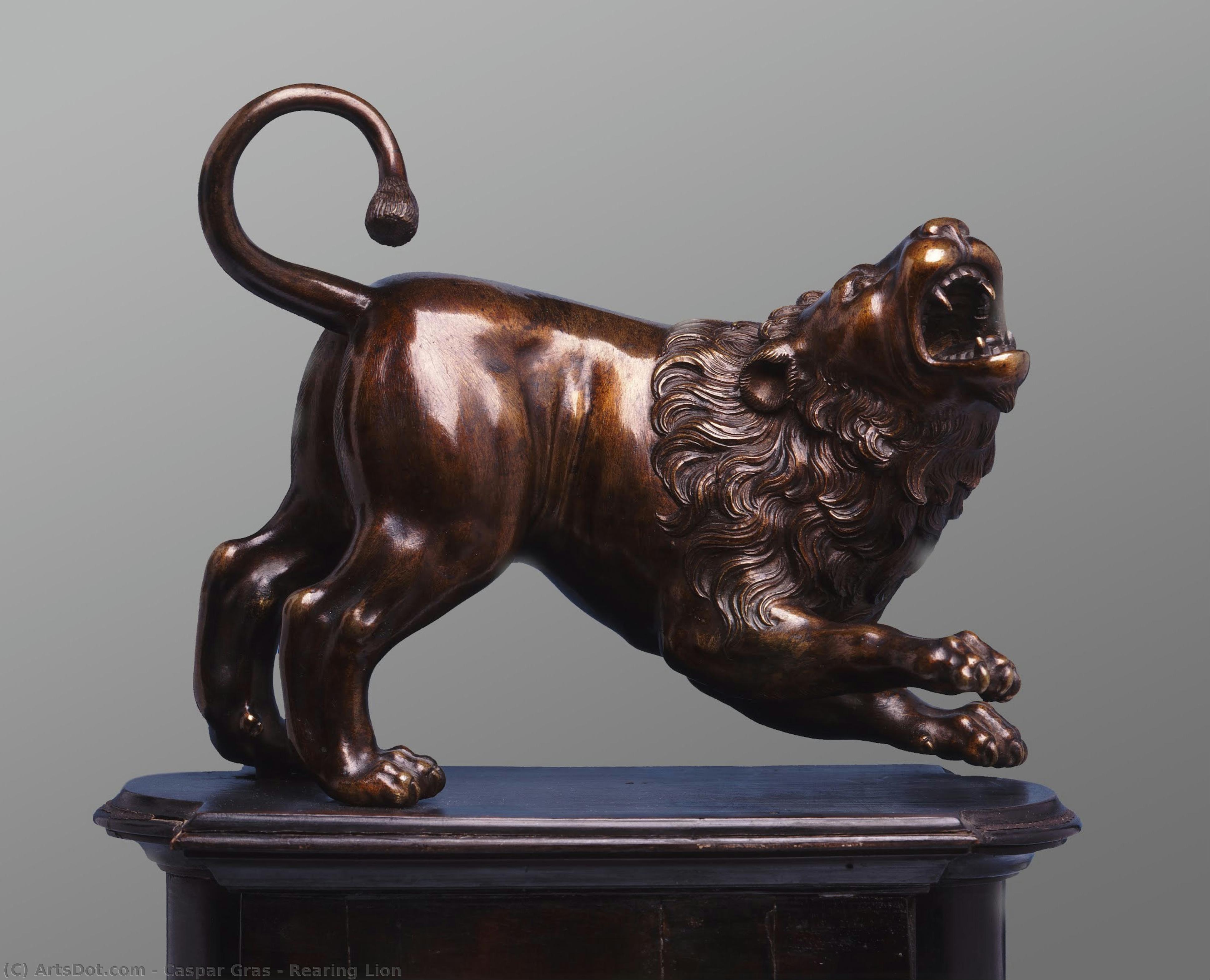
Rearing Lion


 詳細を見る
詳細を見る
オンラインプレビューをはるかに凌ぐ、高解像度で鮮明なデジタル画像をご購入いただけます。
各ファイルは、社内の専門家が高度なツールと熟練した手作業によるレタッチを用いて、細心の注意を払って準備されています。すべての画像において、卓越した鮮明度、正確な色彩再現性、そして繊細なディテールを保証いたします。
最終ファイルは、プロフェッショナルな編集・印刷環境ですぐにご利用いただけるよう最適化された状態で、72時間以内にメールにてお届けいたします。これは、一流のデザインスタジオ、出版社、ギャラリーから信頼されているものと同等の品質です。
デジタル画像のご注文に付随する特典
高品質なデジタル画像配信を、確かな品質で。
ArtsDot.com を選ぶことは、単に画像を手に入れることではありません。それは、プロの手によって精密に仕上げられ、満足保証が付いた高品質なデジタルアートワークを受け取ることを意味します。ご注文いただいた際に自動的に付随する内容は、以下の通りです:

メールですぐにお届け
ご注文から72時間以内に、高解像度のデジタル画像ファイルがメールでお手元に届きます。すぐにそのままご利用いただけます。

AI技術で最適化されたデジタルファイル
お客様の作品は、高度なAIツールと専門家による手作業の編集を組み合わせてプロフェッショナルに最適化されており、細部のディテール、鮮明さ、そして正確な色再現性を最大限に引き出しています。

一生涯無料の再送サービス
ファイルを誤って削除したり、紛失してしまったりしましたか?ご安心ください。いつでも無料で再送いたします。

輸入手数料は一切かかりません
関税や手数料、配送料を気にすることなく、お気に入りのアートワークをすぐにお楽しみいただけます。デジタルダウンロードは常に免税です。

色彩再現の保証
プロ仕様のツールとカラーマネジメント技術を用いることで、デジタル画像が元の色を最大限に忠実に再現することを保証いたします。

100日間満足保証
ご購入いただいたデジタル画像にご満足いただけない場合は、100日以内であれば、理由を問わず修正または100%の返金対応をさせていただきます。

100% 返金保証
ご満足いただけない場合は、デジタルファイルを受け取ってから100日以内であれば、理由を問わず全額返金いたします。

まとめ買い割引
3枚購入で10%OFF - 5枚購入で15%OFF - 10枚以上購入で20%OFF。クリエイティブなプロジェクト、ギャラリー、エージェンシーに最適です。
関連作品






作家の略歴
The Master of Bronze: The Life and Legacy of Caspar Gras
In the heart of the 17th-century Austrian Baroque, few names resonate with the same metallic brilliance as Caspar Gras. Born in 1585 in Innsbruck, a city that served as a jewel in the Habsburg crown, Gras was destined for a life defined by the intersection of exquisite craftsmanship and imperial grandeur. His journey began not in the grand studios of Italy, but in the intimate workshops of his father, Egid, where he first mastered the delicate art of goldsmithing. This early foundation in precious metals would later become the bedrock of his sculptural genius, allowing him to manipulate bronze with a precision that bridged the gap between fine jewelry and monumental statuary.
The trajectory of Gras’s career was irrevocably altered when he entered the orbit of Hubert Gerhard, one of the most formidable sculptors of the era. Through Gerhard, a student of the legendary Giambologna, Gras inherited a lineage of Mannerist elegance and anatomical rigor. This mentorship provided him with more than just technical skill; it gifted him a visual language of movement, tension, and dramatic light. As he moved to Innsbruck in 1602, Gras began to evolve from a skilled metalworker into a premier court artist, eventually securing the prestigious position of sculptor for the Habsburg court under Ferdinand III. His work became a vital instrument of political and religious expression, embodying the very essence of the Counter-Reformation and the divine right of the imperial dynasty.
A Symphony of Metal and Myth
The breadth of Gras’s oeuvre is as varied as the subjects he chose to immortalize. He was a master of the Kunstkammer—those extraordinary collections of wonders where small-scale, virtuoso objects were gathered to showcase human intellect and nature's beauty. His ability to create intricate, small-scale works that possessed the same gravity as his larger commissions made him a favorite among European collectors. Whether he was crafting delicate relief sculptures or commanding equestrian statues, Gras infused every piece with a palpable sense of life.
His sculptural repertoire often danced between the sacred and the profane, weaving together biblical narratives with the heroic legends of antiquity. One can observe his mastery in works such as:
- The Equestrian Statuette of Emperor Ferdinand III: A breathtaking display of power and poise, where the weight of the bronze seems to vanish beneath the rhythmic motion of the horse.
- Mythological Figures: Sculptures depicting deities like Hercules and Zeus, which utilized muscular anatomy and dynamic gestures to celebrate classical ideals.
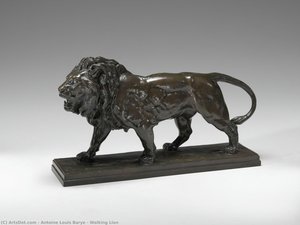
- Animalier Works: Captivating studies such as his Monkey fountain spouts or the Rearing Lion, which demonstrate his profound ability to observe and replicate the raw energy of the natural world.
In these works, Gras utilized the medium of bronze to create a dramatic interplay of shadow and highlight. His figures often possess a certain muscularity and tension—a hallmark of his training—yet they are tempered by a refined grace that prevents them from feeling heavy or static. This balance allowed his sculptures to serve both as objects of intense private contemplation and as public monuments of imperial stability.
The Twilight of an Era and Enduring Significance
Despite the heights of his early success, the later years of Gras’s life were shadowed by the tumultuous winds of history. The onset of the Thirty Years' War and the subsequent economic depression in the Tyrol region stifled the flow of imperial commissions. As the financial resources of the Habsburg court dwindled, the grand architectural projects that once fueled his creativity became increasingly rare. Nevertheless, the technical mastery he had achieved remained undiminished, and his influence continued to ripple through the Germanic lands.
Caspar Gras passed away in 1674, leaving behind a legacy that transcends the mere decoration of palaces. He was a pivotal figure who helped transition the sculptural language of Northern Europe from the intricate complexities of Mannerism into the emotive power of the Baroque. Today, his works reside in some of the world's most esteemed institutions, including the Getty Museum and the Metropolitan Museum of Art, serving as enduring testaments to a period when art, politics, and craftsmanship were inextricably entwined. To study Gras is to witness the moment when bronze was breathed into life, capturing the fleeting majesty of an empire in eternal, metallic form.
Caspar Gras
1585 - 1674 , Austria
プロフィール概要
- Artistic Movement Or Style: Baroque
- Artists Or Movements Influenced By This Artist: ['Lorenzo Ayl']
- Artists Who Influenced This Artist: ['Giambologna']
- Date Of Birth: 1585 Innsbruck Austria
- Date Of Death: 1674
- Full Name: Caspar Gras
- Nationality: Austrian
- Notable Artworks:
- Sculpture of Archduke Ferdinand Carl
- Rearing Lion
- Place Of Birth: Innsbruck Austria