

 プレビュー
プレビュー
 シェアする
シェアする シェアする
シェアする
 詳細を見る
詳細を見る

 ダウンロード
 似ている作品
 X線調査
X線調査 スライドショー
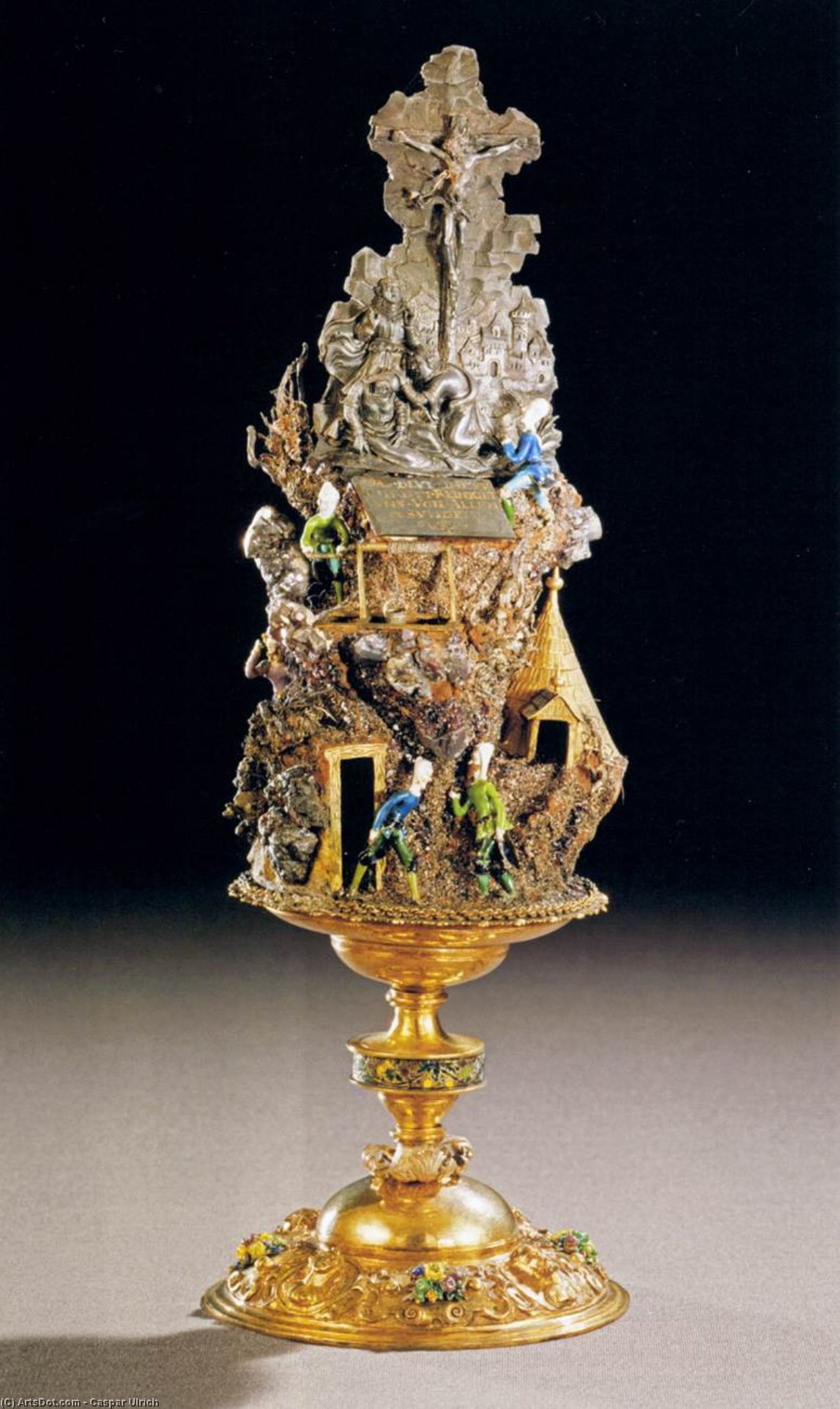
Handstone with Crucifixion and Resurrection Scenes


 詳細を見る
詳細を見る
ジークレー/アートプリント
迅速な制作と多彩な仕上げオプションを備えた、ミュージアムクオリティのジークレーまたはキャンバスプリント。 ( 手描きの絵画を購入 画像を購入)




P118B $10

P118H $10

P118W $10

P438Z $10

P508JH $12

P508YH $12

P805H $10

P805Z $10

P919BZ $10

P919G $10

P919XJ $10

P959ZH $10

P968JZ $12

W106C $8

W218G $10

W218JH $8

W218Y $10

W307PJ $10

W316G $10

W316PJ $8

W316Y $10

W398PJ $8

W4111J $10

W500HY $15

W500JH $15

W692G $12

W849H $8

W940BG $15

W953PJ $8




作品のオリジナル比率に合わせた、当店の規定サイズからお選びください。

特定のフレームやスペースに合わせて、ご自身でサイズを指定することも可能です。選択されたサイズが元の画像の比率と一致しない場合、作品をトリミングするか、鏡面反射または単色での塗りつぶしによって画像を拡張いたします。制作を開始する前に、ご確認用のデジタルモックアップをお送りいたします。
画面上のプレビューには、実際のトリミングや拡張は反映されませんのでご注意ください。最終的な構図を正確に確認できるのは、モックアップのみとなります。
カスタムサイズも承っておりますが、元の比率を維持するためには、あらかじめ用意されたリストからサイズを選択することをお勧めいたします。


 ガラスオプションは、110cm未満のサイズでのみご利用いただけます。

Handstone with Crucifixion and Resurrection Scenes
ジークレー/アートプリント
複製画のサイズ
-


合計金額
$ 62
作品詳細説明
A Testament in Silver: Caspar Ulrich's "Handstone with Crucifixion and Resurrection Scenes"
Imagine holding history in your hand—a tangible link to the fervent religious devotion of 16th-century Bohemia. That is precisely what Caspar Ulrich’s “Handstone with Crucifixion and Resurrection Scenes,” crafted around 1550, offers. This remarkable object, now residing within the Kunsthistorisches Museum in Vienna, transcends mere decoration; it's a miniature world brimming with symbolic meaning, meticulously rendered in silver gilt, partially enamelled, and incorporating natural minerals and silver ore. The very term "handstone" speaks to its original purpose: these weren’t grand altar pieces but intimate devotional objects, often presented as gifts—a testament to the prosperity brought by mining and a tangible expression of faith.
The Craft & Context: A Bohemian Masterpiece
Ulrich, a die-cutter active in Sankt Joachimsthal (present-day Jáchimov) within the Bohemian Ore Mountains, was working during a period of intense silver mining activity. The region’s wealth fueled artistic innovation, and handstones emerged as a unique form of decorative art. These objects were more than just pretty trinkets; they reflected the close relationship between faith, labor, and prosperity in this vital mining community. Ulrich's skill is evident in the intricate details carved into the silver ore – a testament to his mastery of die-cutting techniques. The use of natural minerals within the piece adds an element of raw beauty, contrasting with the refined elegance of the giltwork and enamel. The handstone’s construction itself is fascinating: a carefully assembled combination of sculpted elements and naturally occurring silver ore, unified into a cohesive narrative.
A Narrative in Miniature: Symbolism & Storytelling
The "Handstone" isn't simply beautiful; it tells a story. The lower half depicts a mining scene, grounding the piece in the reality of its creation and the lives of those who produced the silver that made it possible. Above this, the central focus is the Crucifixion scene, carved directly from a single piece of pure silver ore. This choice isn't accidental; silver was often associated with purity and redemption in Christian iconography. The kneeling miner before the cross symbolizes devotion and humility—a poignant representation of the miners’ faith amidst their arduous labor. Turning the handstone reveals another crucial element: Christ’s Resurrection, depicted with a sense of hope and triumph. This duality – suffering and salvation – is central to the Christian narrative and powerfully conveyed within this small object. The presence of angels flanking the crucifixion scene further emphasizes the divine intervention in human affairs.
Emotional Resonance & Enduring Appeal
Beyond its historical significance and artistic merit, Ulrich’s "Handstone" evokes a profound sense of quiet contemplation. Its intimate scale invites close examination, allowing viewers to appreciate the incredible detail and craftsmanship. The combination of religious symbolism and mining imagery creates a unique emotional resonance—a reminder of the human cost of prosperity and the enduring power of faith in the face of adversity. Owning a hand-painted reproduction of this masterpiece allows you to bring that same sense of history, artistry, and spiritual depth into your own home, transforming any space into a sanctuary of beauty and reflection.
関連作品
アーティストの略歴
The Silvered Devotion of Caspar Ulrich
In the heart of sixteenth-century Bohemia, amidst the rugged splendor of the Ore Mountains, there existed a world where the raw wealth of the earth met the fervent piety of the soul. It was within this atmosphere of intense silver mining and religious fervor that Caspar Ulrich practiced his delicate craft. A master die-cutter active in Sankt Joachimsthal, Ulrich did not merely create objects; he sculpted miniature universes. His work represents a profound intersection of industry and artistry, where the very minerals pulled from the dark depths of the earth were transformed into luminous vessels of spiritual narrative.
Ulrich’s artistry is most breathtakingly captured in his Handstone with Crucifixion and Resurrection Scenes, a masterpiece crafted around 1550. To encounter such a piece is to hold history itself within one's palms. Unlike the grand, sweeping altarpieces of great cathedrals, Ulrich specialized in the intimate—the "handstone." These were portable, tactile objects of devotion, often gifted as tokens of faith or symbols of prosperity. His technique involved a sophisticated marriage of materials: silver gilt, partial enameling, and the strategic incorporation of natural minerals and silver ore. This use of raw, unrefined elements alongside refined precious metals created a striking contrast, grounding the divine scenes of the Crucifix and Resurrection in the physical reality of the Bohemian landscape.
A Legacy Carved in Ore and Spirit
The significance of Ulrich’s work extends far beyond its aesthetic beauty. His ability to weave the socio-economic realities of his time into religious iconography provides a window into the 16th-century Bohemian psyche. The lower portions of his compositions often depicted mining scenes, paying homage to the labor and the geological bounty that sustained his community. Through his meticulous die-cutting, Ulrich achieved a level of detail that allowed for complex storytelling on a minuscule scale, ensuring that every glint of enamel and every vein of silver ore contributed to a larger theological message.
Today, the remnants of his genius, such as those housed in the Kunsthistorisches Museum in Vienna, serve as enduring testaments to a period of immense cultural and economic transition. Ulrich’s legacy is defined by:
- Technical Mastery: His unparalleled skill in die-cutting and the integration of natural minerals into precious metalwork.
- Symbolic Depth: The seamless blending of the earthly (mining and ore) with the divine (the Resurrection).
- Cultural Connection: Acting as a voice for the prosperity and religious devotion of the Bohemian mining towns.
In the quiet brilliance of his silvered works, Caspar Ulrich remains a vital figure of the Northern Renaissance tradition, reminding us that even the smallest, most intimate objects can carry the weight of an entire era's spiritual and material aspirations.

caspar ulrich
1705 - 1768 , Switzerland
基本情報
- Artistic Movement Or Style: Baroque
- Date Of Birth: 1672 (or early 1673)
- Date Of Death: February 25, 1751
- Full Name: Georg Caspar Schürmann
- Nationality: German
- Notable Artworks: ['Cantata for the inauguration of Castle Salzdahlum']
- Place Of Birth: Idensen bei Neustadt am Rübenberge, Germany
関連記事
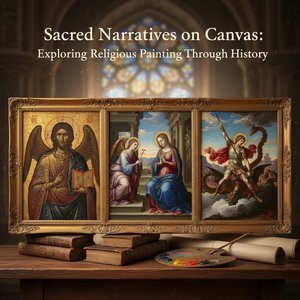
Sacred Narratives on Canvas: Exploring Religious Painting Through History
Explore the rich history of religious painting with ArtsDot.com! Discover iconic artworks, symbolism & techniques from antiquity to the Renaissance. Enhance your art appreciation today.
Sacred Narratives Embodied: A Comprehensive Exploration of Religious Iconography in Art History
Explore the rich history of religious iconography in art! Discover symbolism, movements & masterpieces from Byzantine to Renaissance periods. Expert insights for collectors and enthusiasts at ArtsDot.
Sacred Narratives on Canvas: Exploring Religious Scenes & Their Enduring Influence
Explore the rich history of religious art from Giotto to the Renaissance masters with ArtsDot. Discover symbolism, techniques & enduring legacies. Museum-quality reproductions available.
Echoes of Faith: Devotion as Central Theme in Western Art History
Explore the rich history of religious art with ArtsDot.com! Discover iconic artworks, symbolism & techniques from antiquity to the Renaissance. Enhance your art appreciation today.
Illuminating Belief: Faith & Symbolism Across Art History's Canvas
Explore the rich history of faith through art! Discover religious symbolism, Renaissance masterpieces & iconic artists. Expert analysis for collectors & enthusiasts. Learn more at ArtsDot.

