

 プレビュー
プレビュー
 プリントを購入
 シェアする
シェアする シェアする
シェアする
 詳細を見る
詳細を見る

 ダウンロード
 似ている作品
 X線調査
X線調査 スライドショー
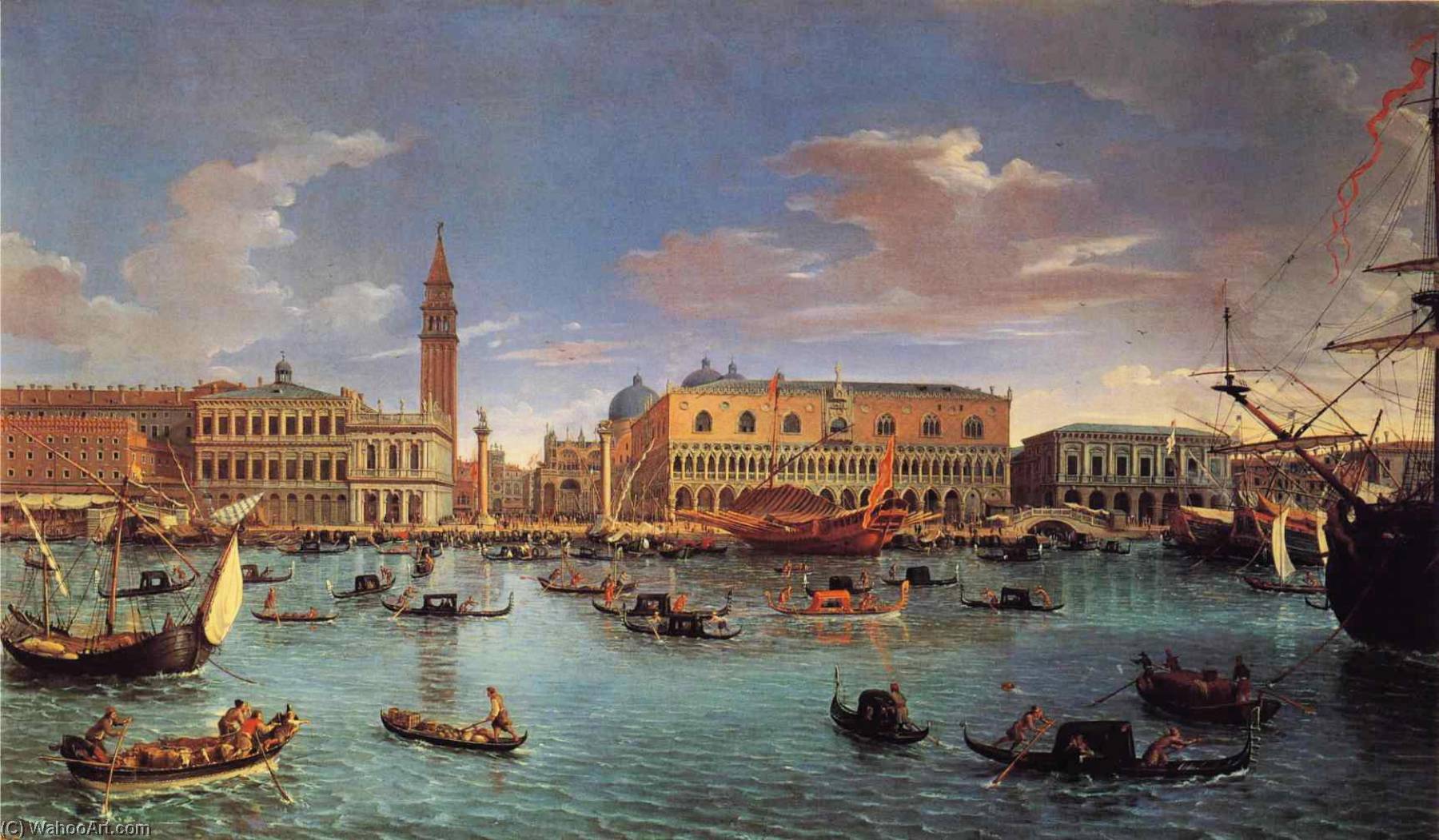
Untitled (AQRGJV)
 Oil On Canvas
- WallArt
- 17th-century vedutismo
 1697
1697 99.0 x 174.0 cm
 プラド美術館
 詳細を見る
詳細を見る
オンラインプレビューをはるかに凌ぐ、高解像度で鮮明なデジタル画像をご購入いただけます。
各ファイルは、社内の専門家が高度なツールと熟練した手作業によるレタッチを用いて、細心の注意を払って準備されています。すべての画像において、卓越した鮮明度、正確な色彩再現性、そして繊細なディテールを保証いたします。
最終ファイルは、プロフェッショナルな編集・印刷環境ですぐにご利用いただけるよう最適化された状態で、72時間以内にメールにてお届けいたします。これは、一流のデザインスタジオ、出版社、ギャラリーから信頼されているものと同等の品質です。
デジタル画像のご注文に付随する特典
高品質なデジタル画像配信を、確かな品質で。
ArtsDot.com を選ぶことは、単に画像を手に入れることではありません。それは、プロの手によって精密に仕上げられ、満足保証が付いた高品質なデジタルアートワークを受け取ることを意味します。ご注文いただいた際に自動的に付随する内容は、以下の通りです:

メールですぐにお届け
ご注文から72時間以内に、高解像度のデジタル画像ファイルがメールでお手元に届きます。すぐにそのままご利用いただけます。

AI技術で最適化されたデジタルファイル
お客様の作品は、高度なAIツールと専門家による手作業の編集を組み合わせてプロフェッショナルに最適化されており、細部のディテール、鮮明さ、そして正確な色再現性を最大限に引き出しています。

一生涯無料の再送サービス
ファイルを誤って削除したり、紛失してしまったりしましたか?ご安心ください。いつでも無料で再送いたします。

輸入手数料は一切かかりません
関税や手数料、配送料を気にすることなく、お気に入りのアートワークをすぐにお楽しみいただけます。デジタルダウンロードは常に免税です。

色彩再現の保証
プロ仕様のツールとカラーマネジメント技術を用いることで、デジタル画像が元の色を最大限に忠実に再現することを保証いたします。

60日間満足保証
ご購入いただいたデジタル画像にご満足いただけない場合は、60日以内であれば、修正または100%の返金(理由を問う必要はありません)をさせていただきます。

100% 返金保証
ご満足いただけない場合は、デジタルファイルを受け取ってから60日以内であれば、理由を問わず全額返金いたします。

まとめ買い割引
3枚購入で10%OFF - 5枚購入で15%OFF - 10枚以上購入で20%OFF。クリエイティブなプロジェクト、ギャラリー、エージェンシーに最適です。
A Venetian Dream Captured in Light: Caspar van Wittel’s “Untitled (AQRGJV)”
Caspar van Wittel's "Untitled (AQRGJV)," painted in 1697, isn’t merely a depiction of a harbor scene; it’s an immersive experience, a fleeting moment of vibrant life meticulously rendered on canvas. This remarkable work, inspired by the bustling port of Madrid and ultimately echoing the grandeur of the Prado Museum's collection, transports us to the heart of 17th-century Venice – a city brimming with commerce, artistry, and the shimmering reflection of a golden age.
Van Wittel, a Dutch painter deeply influenced by Italian masters like Luca Cambiasi, was a pioneer in the *veduta* genre. Unlike earlier landscape painters who focused on idealized vistas, Van Wittel sought to capture the precise details and atmospheric effects of urban environments with unprecedented accuracy. He wasn’t simply painting what he saw; he was meticulously reconstructing it through observation and artistic skill. His work represents a shift towards topographical realism, elevating the depiction of cities to a respected art form.
The Dance of Light and Shadow: Technique and Composition
The painting's strength lies in its masterful use of light and shadow – a hallmark of Van Wittel’s style. He employed a technique known as *chiaroscuro*, skillfully modulating the tones to create a sense of depth, volume, and drama. Notice how the sunlight glints off the water, illuminating individual boats while casting deep shadows beneath them. The artist's brushwork is remarkably delicate, almost pointillist in places, building up layers of color with incredible precision. The composition itself is carefully orchestrated; the arrangement of boats creates a dynamic diagonal flow that draws the eye through the scene, culminating in the distant silhouette of buildings along the waterfront.
- Color Palette: Dominated by rich blues and greens reflecting the Venetian lagoon, accented with warm ochres and reds for the boats and buildings.
- Perspective: Van Wittel masterfully utilizes atmospheric perspective – objects in the distance appear paler and less distinct, creating a convincing illusion of depth.
- Detail: The artist’s attention to detail is astonishing; observe the individual rigging on the ships, the reflections in the water, and the subtle variations in color across the harbor walls.
A Window into 17th-Century Venice
To understand “Untitled (AQRGJV),” it’s crucial to consider the historical context of 1697 Venice. The city was a major center of trade and culture, a crossroads of European influences. The painting captures this vibrant atmosphere – the constant movement of boats, the activity of merchants, and the beauty of the Venetian architecture. Interestingly, research reveals that Van Wittel undertook extensive travels throughout Italy during this period, meticulously documenting cities like Venice and Rome with his brush.
Further investigation into Van Wittel’s life reveals a fascinating connection to Giovanni Antonio Canal, better known as Canaletto. While their styles differed slightly – Canaletto favored a flatter perspective, while Van Wittel embraced a more dramatic, angled view – they shared a common interest in capturing the essence of Venetian urban life. The similarities between their work suggest a mutual influence and a shared dedication to portraying the city with remarkable accuracy.
Beyond Reproduction: An Echo of Artistic Genius
The original “Untitled (AQRGJV)” is a testament to Van Wittel’s artistic genius, a captivating glimpse into a bygone era. While reproductions offer an accessible way to experience this masterpiece, they can never fully replicate the subtle nuances and atmospheric effects captured by the artist himself. When selecting a reproduction, seek one created using traditional techniques and high-quality materials – ensuring that it faithfully reflects the spirit and beauty of Van Wittel’s original vision. ArtsDot.com offers meticulously crafted reproductions that honor this remarkable work, allowing you to bring a piece of Venetian history into your home or office.
For those seeking further insight into Caspar van Wittel's life and work, we encourage you to explore the resources available on Wikipedia and through art databases like ArtsDot.com. Delving deeper into his artistic journey reveals a truly remarkable artist – a master of light, shadow, and perspective who continues to inspire awe centuries later.
関連作品
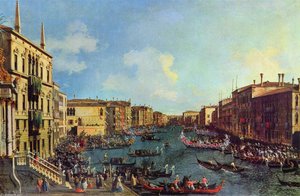
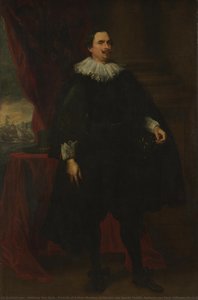
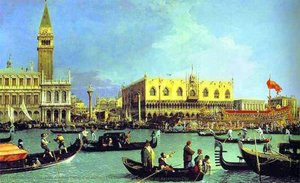
作家の略歴
Caspar van Wittel: The Painter of Roman Light
Caspar van Wittel (1653-1736) stands as a pivotal figure in the history of European art, particularly renowned for his captivating *veduta* paintings – detailed topographical views that captured the essence of Rome and Italy. More than simply landscape artists, Van Wittel was a meticulous recorder of urban life, an architectural historian rendered in paint, and a master of atmospheric perspective. His legacy extends far beyond mere documentation; he fundamentally shifted the perception of topography as a legitimate subject for artistic exploration, elevating it to a painterly specialism that profoundly influenced generations of artists.
Born Jasper Adriaensz van Wittel in Amersfoort, Netherlands, his early life was steeped in craftsmanship. His father, a cart maker, instilled in him an appreciation for precision and detail – qualities that would become hallmarks of Van Wittel’s artistic style. He received his initial training under Thomas Jansz van Veenendaal in Amersfoort, a relatively obscure painter, followed by seven years with Matthias Withoos, a more established figure known for his genre scenes and portraits. This early exposure to diverse artistic approaches undoubtedly shaped his developing vision.
Van Wittel’s career took an unexpected turn during the Rampjaar of 1672, when Amersfoort was invaded by French troops. Forced to flee, he sought refuge in Hoorn, where he began producing works that would establish his early reputation. Returning to Amersfoort in 1674, he embarked on a journey south, joining forces with Jacob van Staverden and entering the esteemed Bentvueghels – a society of Dutch and Flemish artists based in Rome. Within this vibrant community, Van Wittel earned the nickname “Piktoors” (Pitch-torch) or “Toorts van Amersfoort” (Torch of Amersfoort), a testament to his skill in capturing light and shadow with remarkable accuracy. He was also affectionately known as ‘Gasparo dagli Occhiali’ – Gaspare with the spectacles, reflecting his habit of wearing eyeglasses while painting.
The Rise of *Veduta* Painting
Van Wittel's arrival in Rome marked a turning point not only for his own career but for the development of *veduta* painting. This genre, meaning “view” or “vista,” focused on creating detailed and realistic depictions of cities and landscapes. While earlier artists had produced cityscapes, Van Wittel is widely credited with transforming it into a recognized artistic discipline. He meticulously studied architectural details, street layouts, and the interplay of light and shadow, producing works that were remarkably accurate and evocative.
His early work in Hoorn demonstrated an interest in capturing the dynamism of urban life, but his time in Rome allowed him to refine his technique and develop a distinctive style. He collaborated with fellow artists like Abraham Genoels, a Flemish painter who may have been his pupil, and worked alongside Hendrik Frans van Lint, who would later become a leading *veduta* artist himself. These collaborations exposed Van Wittel to diverse artistic approaches and contributed to the evolution of the genre.
Van Wittel’s approach was influenced by earlier artists like Lieven Cruyl, whose detailed drawings of Rome provided a valuable precedent. He also seems to have been inspired by the work of Canaletto, though he developed his own unique style that blended landscape and architectural elements seamlessly. His paintings are not simply representations of cities; they are carefully constructed compositions that capture the atmosphere and character of each location.
A Life Dedicated to Roman Landscapes
Van Wittel spent nearly six decades in Italy, establishing himself as a prominent figure in Rome and venturing throughout the country during his career. From 1694 to 1710, he undertook extensive tours, painting *veduta* of Florence, Bologna, Ferrara, Venice, Milan, Piacenza, Urbino, and Naples. These journeys provided him with an unparalleled opportunity to study and document the diverse landscapes and architectural wonders of Italy.
In 1697, he married Anna Lorenzani, and they had two sons: Luigi, who later adopted the Italianized name Vanvitelli and became a renowned architect, and Giovanni. Luigi’s architectural achievements are particularly noteworthy, as his designs significantly influenced the development of Neoclassical architecture in Italy.
Van Wittel's output slowed considerably in his later years, with his last dated work completed in 1730. Despite this decline, his influence on subsequent generations of artists remained profound. His meticulous attention to detail, masterful use of perspective, and ability to capture the essence of Roman light cemented his place as one of the most important *veduta* painters of the 18th century.
Legacy and Influence
Caspar van Wittel’s contribution to art history is undeniable. He elevated *veduta* painting from a mere topographical exercise to a sophisticated genre that combined artistic skill with scholarly observation. His works are prized for their accuracy, atmospheric quality, and the way they capture the spirit of Roman life. His influence can be seen in the work of Canaletto and other artists who followed in his footsteps.
Today, Van Wittel’s paintings are housed in major museums around the world, including the National Gallery in London and the Metropolitan Museum of Art in New York. His legacy continues to inspire artists and art historians alike, reminding us of the power of observation and the enduring appeal of capturing the beauty and complexity of the urban landscape.
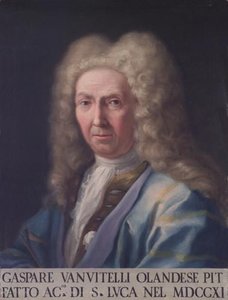
Caspar van Wittel
1653 - 1736
プロフィール概要
- Artistic Movement Or Style: Veduta painting
- Artists Or Movements Influenced By This Artist:
- Canaletto
- Lieven Cruyl
- Artists Who Influenced This Artist:
- Thomas Jansz van Veenendaal
- Matthias Withoos
- Date Of Birth: 1653
- Date Of Death: 1736
- Full Name: Caspar van Wittel
- Nationality: Dutch
- Notable Artworks:
- View of the Gulf Naples
- Rome landscapes
- Place Of Birth: Amersfoort, Netherlands

