 プレビュー
プレビュー
 プリントを購入
 シェアする
シェアする シェアする
シェアする
 詳細を見る
詳細を見る

 ダウンロード
 似ている作品
 X線調査
X線調査 スライドショー
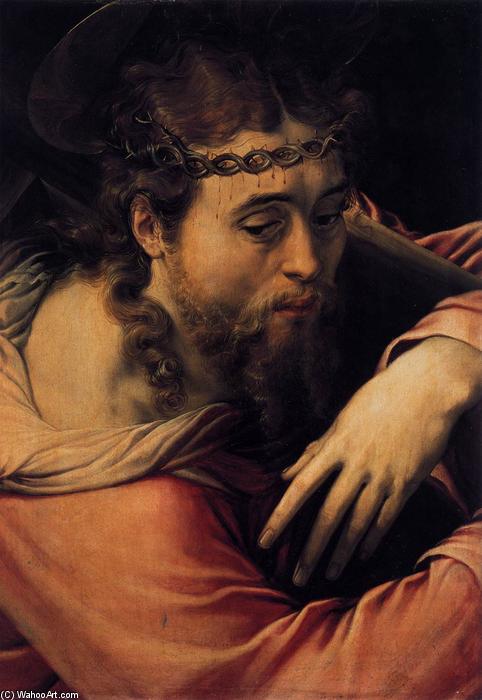
Christ Carrying the Cross
 Oil On Panel
- Mannerist Painting
 1540
1540 66.0 x 45.0 cm
 ウフィツィ美術館
 詳細を見る
詳細を見る




P118B $10

P118H $10

P118W $10

P438Z $10

P508JH $12

P508YH $12

P805H $10

P805Z $10

P919BZ $10

P919G $10

P919XJ $10

P959ZH $10

P968JZ $12

W106C $8

W218G $10

W218JH $8

W218Y $10

W307PJ $10

W316G $10

W316PJ $8

W316Y $10

W398PJ $8

W4111J $10

W500HY $15

W500JH $15

W692G $12

W849H $8

W940BG $15

W953PJ $8




作品のオリジナル比率に合わせた、当店の規定サイズからお選びください。

特定のフレームやスペースに合わせて、ご希望のサイズをご入力いただけます。選択されたサイズが元の画像の比率と異なる場合、アートワークをトリミングするか、手描きで要素を追加して絵画を拡張いたします。デジタルモックアップ を制作し、制作開始前にご確認(承認)をいただきます。
画面上のプレビューは、実際のトリミングや拡張を正確に反映しているものではありません。最終的な構図は、モックアップによってのみ正確にご確認いただけます。
カスタムサイズもご利用いただけますが、元の比率を維持するためには、あらかじめ用意されたリストからサイズを選択することをお勧めいたします。
ご注文後、ArtsDot.com チームより詳細な指示をお送りするとともに、仕上がりイメージ(モックアップ)をご提供いたします。


 ガラスオプションは、110cm未満のサイズでのみご利用いただけます。

Christ Carrying the Cross
複製技法
複製画のサイズ
-


合計金額
$ 263
作品解説
Christ Carrying the Cross: A Renaissance Masterpiece of Sorrow and Grace
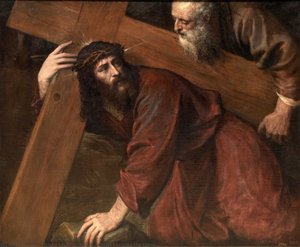
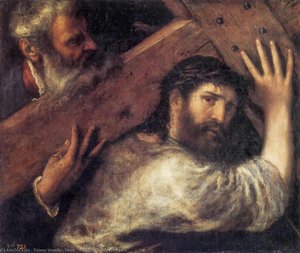
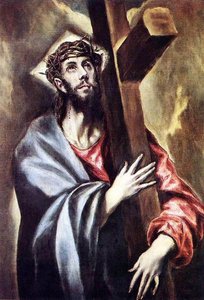
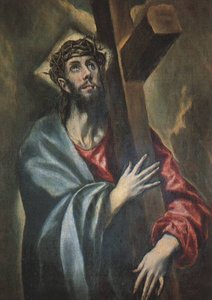
Cecchino del Salviati’s “Christ Carrying the Cross,” painted in Florence around 1540, is not merely a depiction of a biblical event; it's a profound meditation on suffering, humility, and divine sacrifice. Housed within the hallowed halls of the Galleria degli Uffizi, this oil-on-panel work transcends its historical context to resonate with viewers centuries later, offering a glimpse into the complex emotional landscape of the Renaissance era.
The painting immediately draws the eye to Christ’s central figure – a man rendered with an almost agonizing intensity. His posture is one of profound weariness, yet his gaze remains fixed downwards, suggesting both physical pain and a deep contemplation of his impending fate. Salviati masterfully employs chiaroscuro—the dramatic interplay of light and shadow—to sculpt the form, emphasizing Christ’s vulnerability against the stark backdrop. The skin tone, rendered with remarkable realism for its time, is pale, reflecting the ordeal he endures, while the details of his face – the closed eyes, the slight furrowing of his brow, the subtle lines etched around his mouth – convey a wealth of emotion without resorting to overt theatricality.
A Study in Mannerist Detail and Composition
Salviati’s style firmly places “Christ Carrying the Cross” within the realm of Mannerism, a movement that prioritized elegance, sophistication, and psychological depth over the idealized beauty of the High Renaissance. Notice the meticulous attention to detail – the individual strands of hair meticulously rendered, the carefully sculpted folds of his garment, the prominent nose and nostrils. These elements are not simply decorative; they contribute to the painting’s overall sense of realism and immediacy. The composition itself is deliberately complex, drawing the viewer into a scene brimming with symbolic weight.
The headband worn by Christ is particularly noteworthy. It's adorned with small circles or beads—a detail often interpreted as representing his status as a religious figure, perhaps alluding to the crown of thorns he will soon endure. The positioning of the figure – slightly off-center and angled downwards – creates a sense of unease and draws attention to the gravity of the scene. The lack of background detail further intensifies this focus, forcing the viewer to confront the raw emotion of the moment.
Historical Context and Artistic Influences
Created during a period of political and religious upheaval in Italy, “Christ Carrying the Cross” reflects the anxieties and uncertainties of its time. The painting’s somber mood aligns with the broader themes explored by Renaissance artists grappling with questions of faith, mortality, and human suffering. Salviati's training under Andrea del Sarto, a master known for his realism and humanist ideals, undoubtedly influenced his approach to portraying Christ’s physical form and emotional state.
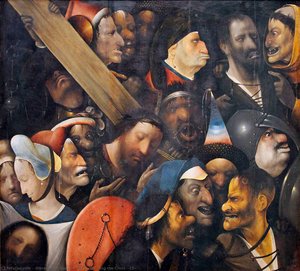
Furthermore, the painting echoes earlier depictions of this scene, notably Bosch’s “Christ Carrying the Cross,” demonstrating a shared artistic vocabulary rooted in medieval iconography. However, Salviati imbues the image with a distinctly Mannerist sensibility—a heightened sense of drama, psychological complexity, and an exploration of the darker aspects of human experience. The reference to Isaiah 53:7, frequently invoked by medieval commentaries, adds another layer of meaning, connecting Christ’s suffering to the prophecy of a coming savior.
A Timeless Symbol of Sacrifice and Compassion
“Christ Carrying the Cross” remains a powerfully moving work of art. It is more than just a historical record; it's an invitation to contemplate the profound themes of sacrifice, compassion, and redemption. The painting’s enduring appeal lies in its ability to evoke a deep sense of empathy for Christ’s suffering while simultaneously celebrating his unwavering faith. Whether viewed as a masterpiece of Renaissance art or simply a testament to human resilience, this iconic image continues to inspire awe and reflection.
アーティストの略歴
チェッキーノ・デル・サルヴィアーティ:フィレンツェが生んだマニエリスムの先駆者
フランチェスコ・サルヴィアーティ、一般にチェッキーノ・デル・サルヴィアーティの名で知られる画家(フィレンツェにて1510年頃誕生 — ローマにて1563年11月11日没)は、ルネサンス芸術がその黄昏時を迎える中で隆盛を極めたマニエリスム運動において、極めて重要な役割を果たした人物です。画家であった父フランチェスコ・ロッシの血を引く芸術家一家に生まれたチェッキーノの幼少期は、豊かな芸術的伝統に彩られていました。その環境が彼の独自の様式を形作り、フィレンツェで最も名高い画家の一人としての地位を確立させたのです。伝記的な詳細は決して多くはありませんが、学術的な研究によれば、彼はアンドレア・デル・サルトに師事し、サルトの作品を特徴づけるヒューマニズムの理想と革新的な構図の技法を深く吸収していたことが分かっています。- 初期の形成期: アンドレア・デル・サルトが持つ緻密なリアリズムと、表現力豊かなダイナミズムの融合は、チェッキーノの芸術的ヴィジョンに計り知れない影響を与えました。
- ローマへの召喚: 1531年頃、枢機卿ジョヴァンニ・サルヴィアーティによってローマへと召喚されたことは、彼にとって大きな転換点となりました。ここから、教皇庁への奉仕と有力なパトロンたちによる野心的な依頼に応える、多作で輝かしい時代の幕が開いたのです。
- 特筆すべきフレスコ画: サンタ・マリア・ソプラ・ミネルヴァにある「ラザロの復活」は、古典的な規範への厳格な従順よりも感情の強烈さを優先させた、チェッキーノの革新的な物語描写の手法を象徴しています。
- 肖像画と装飾芸術: 壮大なフレスコ画に留まらず、チェッキーノは肖像画においても優れた才能を発揮し、対象となる人物の心理的な機微を驚くべき繊細さで捉えました。また、枢機卿ジョヴァンニ・サルヴィアーティらのために手掛けたタペストリーの制作依頼など、視覚芸術家としての多才な一面も示しています。
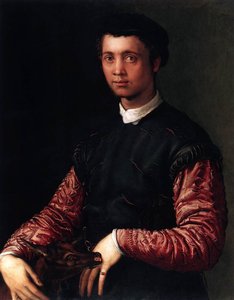
チェッキーノ・デル・サルヴィアーティ
1510 - 1563 , イタリア
基本情報
- Artistic Movement Or Style: マニエリスム絵画
- Artists Or Movements Influenced By This Artist: ['ルネサンス']
- Artists Who Influenced This Artist: ['アンドレア・デル・サルト']
- Date Of Birth: 1510年
- Date Of Death: 1563年
- Full Name: フランチェスコ・サルヴィアティ
- Nationality: イタリア
- Notable Artworks:
- 十字架を背負うキリスト
- 慈愛
- ラザロの復活
- Place Of Birth: イタリア、フィレンツェ
関連記事
フラ・アンジェリコの傑作25選:ルネサンス美術の神髄と至高の装飾 | ArtsDot
フラ・アンジェリコの傑作25選。ルネサンス美術の神髄を紐解き、天使のような静謐な色彩と宗教画の世界へ誘います。壁画やフレスコ画の技法、修道院に息づく祈りの絵…ArtsDotで至高のアートプリントをお手軽に。コレクションを探索する。
プラド美術館の至宝25選:名画が語るスペイン美術史 | ArtsDot
プラド美術館の至宝25選🎨 ベルラスケス、ゴヤの名画を紐解き、スペイン美術史を旅する。油絵、バロック、印象派…ArtsDotで高品質な複製画とインテリアアートを見つけよう。名画の世界をあなたの空間に✨ Explore the full collection online!
Andrea del Sarto: Florentine Grace, Technical Mastery & Artistic Ambition
Explore the life & art of Andrea del Sarto, a Florentine Renaissance master renowned for harmonious compositions & technical brilliance. Discover his frescoes, portraits, and lasting influence on art history.
ウフィツィ美術館の至宝25選:ルネサンス巨匠たちの傑作とアートデコレーション
ウフィツィ美術館の至宝25選:ボッティチェリ、レオナルド・ダ・ヴィンチ…ルネサンス巨匠たちの傑作と感動的な物語を紐解きます。高品質な絵画複製やアートプリントで、お部屋に名画の輝きを。ArtsDot.comで芸術の世界へ。
Henri Edmond Cross: A Pioneer of Neo-Impressionism & the Divisionist Aesthetic
Explore the life & art of Henri Edmond Cross, a pivotal Neo-Impressionist painter. Discover his innovative divisionist technique, political affiliations, and lasting influence on modern art movements like Fauvism. Learn about key works & legacy.