 プレビュー
プレビュー
 シェアする
シェアする シェアする
シェアする
 詳細を見る
詳細を見る

 ダウンロード
 似ている作品
 X線調査
X線調査 スライドショー
Medusa


 詳細を見る
詳細を見る
ジークレー/アートプリント
迅速な制作と多彩な仕上げオプションを備えた、ミュージアムクオリティのジークレーまたはキャンバスプリント。 ( 手描きの絵画を購入 画像を購入)




P118B $10

P118H $10

P118W $10

P438Z $10

P508JH $12

P508YH $12

P805H $10

P805Z $10

P919BZ $10

P919G $10

P919XJ $10

P959ZH $10

P968JZ $12

W106C $8

W218G $10

W218JH $8

W218Y $10

W307PJ $10

W316G $10

W316PJ $8

W316Y $10

W398PJ $8

W4111J $10

W500HY $15

W500JH $15

W692G $12

W849H $8

W940BG $15

W953PJ $8




作品のオリジナル比率に合わせた、当店の規定サイズからお選びください。

特定のフレームやスペースに合わせて、ご自身でサイズを指定することも可能です。選択されたサイズが元の画像の比率と一致しない場合、作品をトリミングするか、鏡面反射または単色での塗りつぶしによって画像を拡張いたします。制作を開始する前に、ご確認用のデジタルモックアップをお送りいたします。
画面上のプレビューには、実際のトリミングや拡張は反映されませんのでご注意ください。最終的な構図を正確に確認できるのは、モックアップのみとなります。
カスタムサイズも承っておりますが、元の比率を維持するためには、あらかじめ用意されたリストからサイズを選択することをお勧めいたします。


 ガラスオプションは、110cm未満のサイズでのみご利用いただけます。

Medusa
ジークレー/アートプリント
複製画のサイズ
-


合計金額
$ 62
作品詳細説明
The Visceral Drama of Transformation
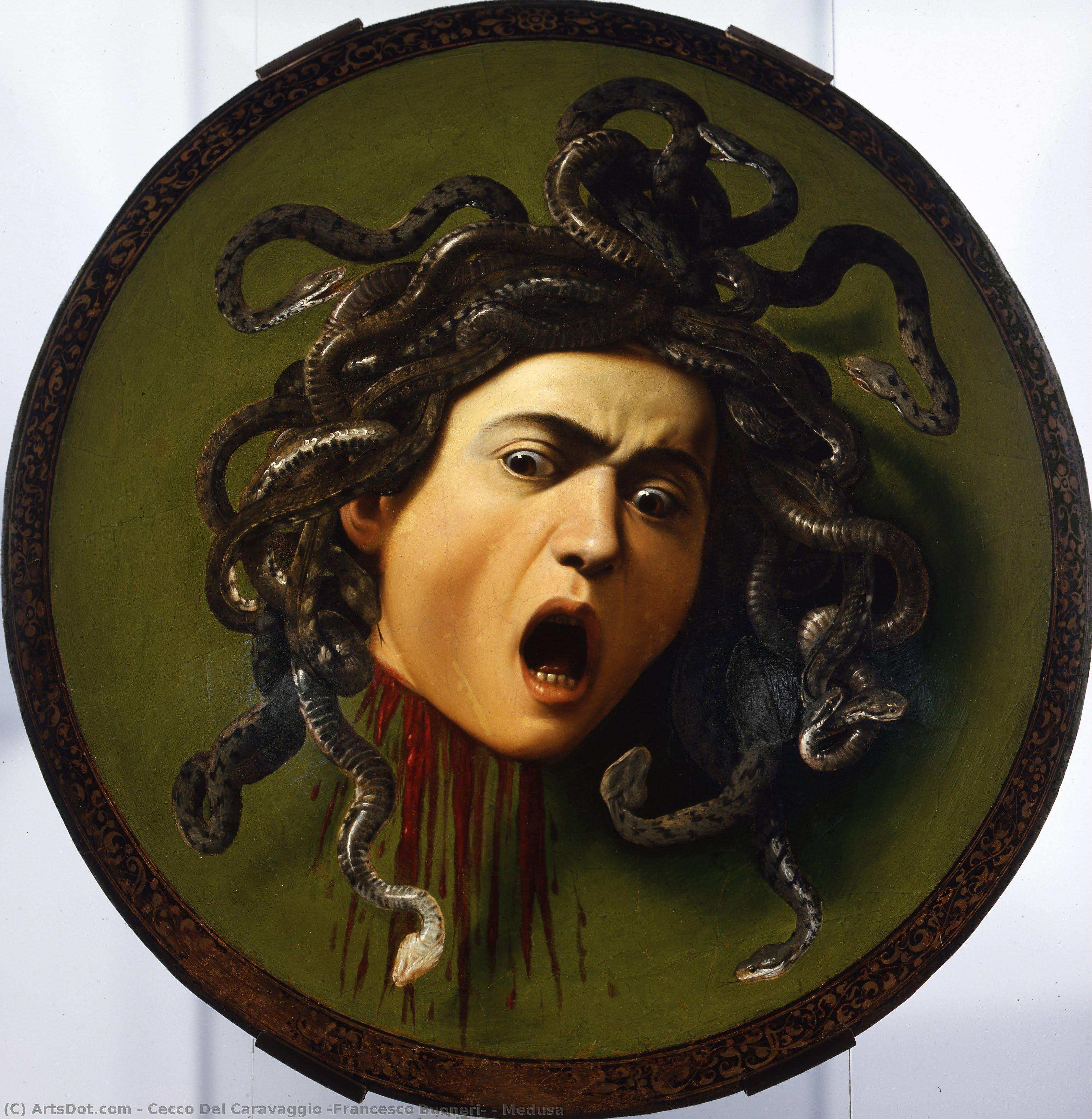
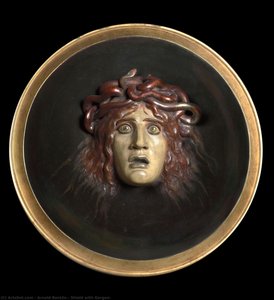
In the annals of Baroque mastery, few images possess the raw, unsettling power of Cecco del Caravaggio’s Medusa. Completed in 1597, this work serves as a profound exploration of psychological torment and the terrifying threshold between beauty and monstrosity. The painting captures the legendary Gorgon at a moment of agonizing metamorphosis, her face contorted in a silent, piercing scream that seems to vibrate against the very surface of the canvas. Unlike traditional mythological depictions that might focus on the hero's triumph, this piece invites the viewer into the intimate, harrowing experience of Medusa herself—a portrait of pain, shock, and the loss of humanity.
The composition is anchored by a striking sense of immediacy, achieved through the artist's masterful use of chiaroscuro. By plunging much of the scene into deep, impenetrable shadows and illuminating the subject with a harsh, dramatic light, Cecco sculpts the flesh of Medusa with a startling naturalism. This extreme contrast does more than create depth; it heightens the emotional stakes, forcing the eye to confront the writhing serpents that replace her hair and the wide-eyed terror in her gaze. For the collector or interior designer, this piece offers a commanding focal point, bringing a sense of theatrical intensity and sophisticated drama to any curated space.
Symbolism and the Shield of Perspective
Beyond its surface-level horror, the artwork is rich with layers of symbolic meaning that resonate with the intellectual currents of the late sixteenth century. The central figure is presented upon a circular plane, evoking the convex shield used by Perseus to glimpse Medusa without falling victim to her lethal gaze. This device creates an ingenious optical illusion, a subtle manipulation of perspective that makes the painting feel as though it might bulge outward toward the observer. The serpents, intertwined around her head in a chaotic dance, represent not only her monstrous nature but also the turbulent, transformative power of primal fear and sudden revelation.
Every element within the frame contributes to a larger narrative of conflict between order and chaos. The way the light catches the scales of the snakes and the moisture on Medusa's lips adds a tactile quality that bridges the gap between myth and reality. It is this meticulous attention to detail—the ability to make the legendary feel palpably present—that makes this reproduction an essential acquisition for those who appreciate art that challenges the senses and provokes deep contemplation. To hang such a piece is to invite a conversation about the duality of existence: the coexistence of the beautiful and the grotesque, the calm and the storm.
A Masterpiece for the Modern Collector
For the discerning enthusiast of the Caravaggisti style, this work represents a pinnacle of emotional expressionism. It is not merely a depiction of a myth, but an invitation to witness a moment of profound vulnerability. The painting’s ability to command attention through its vivid colors and intricate textures makes it an ideal choice for high-end decor, particularly in settings that favor bold, classical, or even contemporary avant-garde aesthetics. As a hand-painted reproduction, it preserves the soul of the original, offering the prestige of Baroque history with a visceral impact that remains as potent today as it was at the turn of the seventeenth century.
関連作品





アーティストの略歴
影の天才:チェッコ・デル・カラヴァッジョの真実を解き明かす
バロック美術史の薄暗い回廊において、
チェッコのアイデンティティの本質は、激動のローマの芸術界そのものに織り込まれている。「チェッコ」というフランチェスコの愛称は、彼がカラヴァッジョが逃亡生活を送っていた最期の数年間、その傍らで仕えていた「少年フランチェスコ」であったのではないかという、歴史家たちの憶測を呼ぶほどの親密さを物語っている。この個人的な繋がりこそが、彼の芸術的発展の試練の場となったのだろう。彼はそこで、自身の代名詞となる劇的な明暗対比――
光と人間の脆弱性の極致
チェッコの作品群を特徴づけるのは、
壮大な宗教的物語を超えて、チェッコの才能は人間の存在における静かで、時に不安をかき立てる瞬間を捉えることにも及んでいた。彼の絵画はしばしば、以下のテーマを探求している:
影の中に刻まれた遺産
活動期間は1610年頃から1620年代半ばまでと比較的短かったものの、チェッコ・デル・カラヴァッジョはバロック絵画の軌跡に消し去ることのできない足跡を残した。彼は美術史における転換点に立ち、マニエリスムの終焉と、17世紀の情熱的なエモーショナリズムを繋ぐ架け橋となったのである。初期の歴史家の中には彼を単なる追随者として片付けた者もいたが、現代の眼差しは、真のリアリズムには正確な解剖学以上のもの――すなわち、暗闇を受け入れる勇気が必要であることを理解していた画家としての彼を見出している。
彼の歴史的な重要性は、
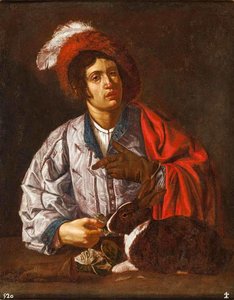
チェッコ・デル・カラヴァッジョ
1589 - 1620 , イタリア
基本情報
- Artistic Movement Or Style: バロック
- Artists Or Movements Influenced By This Artist: ['']
- Artists Who Influenced This Artist: ['カラヴァッジョ']
- Date Of Death: 1620年
- Full Name: フランチェスコ・ブオネーリ
- Nationality: イタリア人
- Notable Artworks:
- 聖母の死
- アロフ・ド・ウィグナクールと小姓の肖像
- Place Of Birth: イタリア、ローマ
関連記事

バロック美術を極めた至宝:時代を彩る10大名作の世界
バロック美術の華!カラヴァッジョ、ベルニーニら巨匠が創り上げた10大名作を徹底解剖。ドラマチックな色彩と豪華絢爛の世界観に触れ、至宝のアートプリントで空間を彩ろう。ArtsDot.comで美術館品質の複製と洗練されたインテリアを見つけましょう!

Baroque Painting's Greatest Hits: 10 Masterpieces for Your Home | ArtsDot
Journey through Baroque painting's glory! Explore 10 masterpieces by Caravaggio, Rembrandt & Vermeer. Discover dramatic lighting, rich colors & timeless stories. Find museum-quality art reproductions for your home at ArtsDot.com.
サンクトペテルブルク・エルミタージュ美術館:至宝25選 - 歴史と芸術の輝きをあなたの空間に
サンクトペテルブルク・エルミタージュ美術館の至宝25選。レムブランド、ダ・ヴィンチの名作を紐解き、歴史と芸術の輝きをご堪能ください。ArtsDot.comで高品質な複製画やインテリアアートを見つけ、空間に感動を。今すぐコレクションをご覧ください。

Dutch Baroque Masters: 10 Paintings That Shaped an Era | ArtsDot
Journey through the Golden Age with our guide to the Top 10 Dutch Baroque masterpieces! Explore iconic paintings by Rembrandt, Vermeer & Frans Hals. Find museum-quality art reproductions and elevate your home decor at ArtsDot.com.

The Visceral Stage: Exploring Dramatic Narratives & Emotional Intensity in Baroque Art
Explore the dramatic world of Baroque art! Discover iconic masters like Caravaggio & Rembrandt, their techniques, and the movement's lasting impact. Expert insights for collectors & enthusiasts at ArtsDot.