 プレビュー
プレビュー
 プリントを購入
 シェアする
シェアする シェアする
シェアする
 詳細を見る
詳細を見る

 ダウンロード
 似ている作品
 X線調査
X線調査 スライドショー
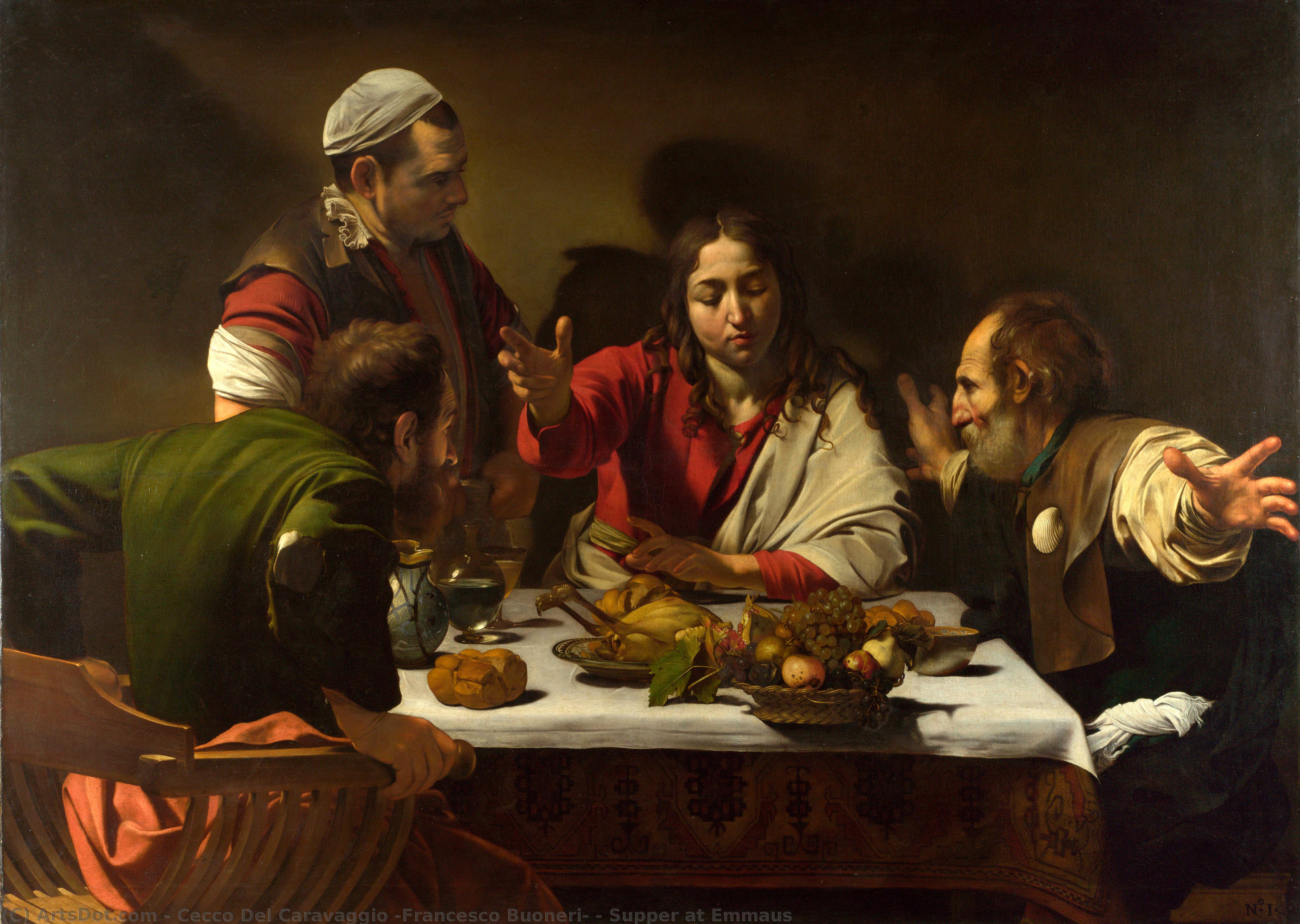
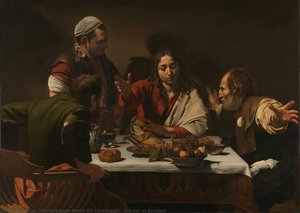
Supper at Emmaus
 Oil
Oil- WallArt
- Baroque
 1602
1602- Early Modern
 139.0 x 195.0 cm
 ナショナル・ギャラリー
 詳細を見る
詳細を見る




P118B $10

P118H $10

P118W $10

P438Z $10

P508JH $12

P508YH $12

P805H $10

P805Z $10

P919BZ $10

P919G $10

P919XJ $10

P959ZH $10

P968JZ $12

W106C $8

W218G $10

W218JH $8

W218Y $10

W307PJ $10

W316G $10

W316PJ $8

W316Y $10

W398PJ $8

W4111J $10

W500HY $15

W500JH $15

W692G $12

W849H $8

W940BG $15

W953PJ $8




作品のオリジナル比率に合わせた、当店の規定サイズからお選びください。

特定のフレームやスペースに合わせて、ご希望のサイズをご入力いただけます。選択されたサイズが元の画像の比率と異なる場合、アートワークをトリミングするか、手描きで要素を追加して絵画を拡張いたします。デジタルモックアップ を制作し、制作開始前にご確認(承認)をいただきます。
画面上のプレビューは、実際のトリミングや拡張を正確に反映しているものではありません。最終的な構図は、モックアップによってのみ正確にご確認いただけます。
カスタムサイズもご利用いただけますが、元の比率を維持するためには、あらかじめ用意されたリストからサイズを選択することをお勧めいたします。
ご注文後、ArtsDot.com チームより詳細な指示をお送りするとともに、仕上がりイメージ(モックアップ)をご提供いたします。


 ガラスオプションは、110cm未満のサイズでのみご利用いただけます。

Supper at Emmaus
複製技法
複製画のサイズ
-


合計金額
$ 263
作品解説
A Moment of Divine Recognition
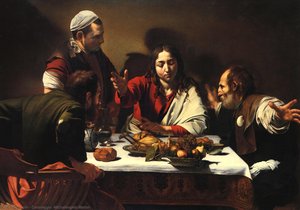
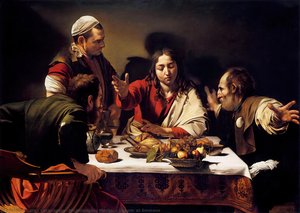
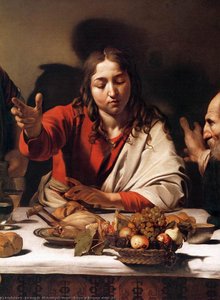
In the quiet, flickering light of an evening meal, Cecco del Caravaggio captures one of the most profound moments in Christian iconography: the revelation of Christ at Emmaus. The painting presents a scene of intense spiritual and human connection, where the mundane act of dining is suddenly interrupted by the miraculous. As Jesus sits amongst his disciples, the composition draws the viewer into a tight-knit circle of twelve figures, their faces etched with a mixture of confusion, awe, and dawning realization. The table, laden with the simple offerings of bread and wine, serves as the altar upon which this divine recognition takes place, transforming a humble outdoor gathering into a sacred event that resonates through the centuries.
The atmosphere is thick with a sense of warmth and camaraderie, yet beneath the surface lies a palpable tension. The way the chairs are positioned—some angled toward the center, others retreating into the soft shadows—creates a dynamic energy that mimics the sudden movement of the disciples' hearts. There is an intimate, almost voyeuristic quality to the scene, as if we are uninvited guests sitting just at the edge of the candlelight, witnessing a secret shared between man and God. For the collector or interior designer, this piece offers more than mere decoration; it provides a focal point of profound narrative depth, capable of anchoring a room with its heavy, soulful presence.
The Mastery of Chiaroscuro and Caravaggisti Realism
As a prominent figure within the Caravaggisti movement, Cecco del Caravaggio employs a masterful use of chiaroscuro to breathe life into this biblical encounter. The dramatic interplay between deep, velvety shadows and piercing highlights is not merely a technical feat but a storytelling tool. Light spills across the table, catching the rim of a wine glass, the texture of a crust of bread, and the weathered skin of the disciples, pulling essential details out of the darkness. This technique creates a sculptural quality to the figures, giving them a weight and three-dimensionality that makes the scene feel startlingly real.
The artist’s brushwork avoids unnecessary flourish, opting instead for a gritty, tactile realism that honors the tradition of his namesake, Caravaggio. Every element, from the placement of the bowls to the subtle tilt of a head, is rendered with an eye for the authentic. This commitment to naturalism ensures that the spiritual weight of the subject matter is grounded in the physical world. For those seeking a high-quality reproduction, this painting offers a rich tapestry of textures and tones that can elevate the aesthetic sophistication of any classical or contemporary space, bringing the dramatic intensity of the Italian Baroque into a modern setting.
A Legacy of Light and Shadow
To possess a reproduction of Supper at Emmaus is to hold a piece of art history that explores the very essence of human vulnerability and divine grace. Created in 1602, during the height of the Baroque era's fascination with emotion and drama, the work reflects a period when art sought to move the soul through sensory experience. The symbolism of the meal—the bread as the body and the wine as the blood—is woven seamlessly into the composition, making the theological significance accessible through the visual language of a shared feast.
This painting serves as an enduring inspiration for those who appreciate art that speaks to the human condition. It is a study in how light can reveal truth and how shadows can hold mystery. Whether placed in a grand library, a formal dining room, or a curated gallery wall, this work invites contemplation and conversation. It remains a testament to Cecco del Caravaggio’s ability to capture the fleeting moment when the earthly and the divine intersect, leaving an indelible mark on the viewer's imagination.
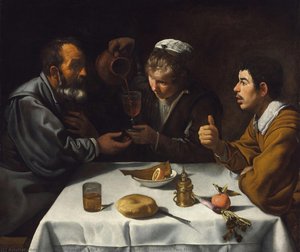
アーティストの略歴
影の天才:チェッコ・デル・カラヴァッジョの真実を解き明かす
バロック美術史の薄暗い回廊において、
チェッコのアイデンティティの本質は、激動のローマの芸術界そのものに織り込まれている。「チェッコ」というフランチェスコの愛称は、彼がカラヴァッジョが逃亡生活を送っていた最期の数年間、その傍らで仕えていた「少年フランチェスコ」であったのではないかという、歴史家たちの憶測を呼ぶほどの親密さを物語っている。この個人的な繋がりこそが、彼の芸術的発展の試練の場となったのだろう。彼はそこで、自身の代名詞となる劇的な明暗対比――
光と人間の脆弱性の極致
チェッコの作品群を特徴づけるのは、
壮大な宗教的物語を超えて、チェッコの才能は人間の存在における静かで、時に不安をかき立てる瞬間を捉えることにも及んでいた。彼の絵画はしばしば、以下のテーマを探求している:
影の中に刻まれた遺産
活動期間は1610年頃から1620年代半ばまでと比較的短かったものの、チェッコ・デル・カラヴァッジョはバロック絵画の軌跡に消し去ることのできない足跡を残した。彼は美術史における転換点に立ち、マニエリスムの終焉と、17世紀の情熱的なエモーショナリズムを繋ぐ架け橋となったのである。初期の歴史家の中には彼を単なる追随者として片付けた者もいたが、現代の眼差しは、真のリアリズムには正確な解剖学以上のもの――すなわち、暗闇を受け入れる勇気が必要であることを理解していた画家としての彼を見出している。
彼の歴史的な重要性は、
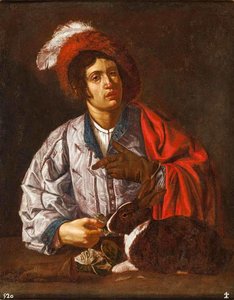
チェッコ・デル・カラヴァッジョ
1589 - 1620 , イタリア
基本情報
- Artistic Movement Or Style: バロック
- Artists Or Movements Influenced By This Artist: ['']
- Artists Who Influenced This Artist: ['カラヴァッジョ']
- Date Of Death: 1620年
- Full Name: フランチェスコ・ブオネーリ
- Nationality: イタリア人
- Notable Artworks:
- 聖母の死
- アロフ・ド・ウィグナクールと小姓の肖像
- Place Of Birth: イタリア、ローマ
関連記事

The Dramatic Flourish: Exploring the Baroque Movement's Enduring Legacy in Art History
Explore the dramatic world of Baroque art! Discover iconic artists like Caravaggio & Rubens, defining techniques, and its lasting impact on art history. Expert insights for collectors & enthusiasts at ArtsDot.

The Visceral Stage: Exploring Dramatic Narratives & Emotional Intensity in Baroque Art
Explore the dramatic world of Baroque art! Discover iconic masters like Caravaggio & Rembrandt, their techniques, and the movement's lasting impact. Expert insights for collectors & enthusiasts at ArtsDot.

バロック美術を極めた至宝:時代を彩る10大名作の世界
バロック美術の華!カラヴァッジョ、ベルニーニら巨匠が創り上げた10大名作を徹底解剖。ドラマチックな色彩と豪華絢爛の世界観に触れ、至宝のアートプリントで空間を彩ろう。ArtsDot.comで美術館品質の複製と洗練されたインテリアを見つけましょう!
The Golden Age Reforged: Dramatic Realism & Religious Zeal in Spanish Baroque Art
Explore the dramatic world of Spanish Baroque art! Discover masters like Zurbarán & the powerful influence of religious zeal on painting techniques – a guide for collectors and enthusiasts.
Decoding Baroque Grandeur: A Guide to the Drama and Emotion of 17th-Century Art
Explore the breathtaking drama of 17th-century Baroque art. Our expert guide decodes the use of chiaroscuro, emotional intensity, and historical grandeur to help you appreciate and curate timeless masterpieces for your collection.