

 プレビュー
プレビュー
 シェアする
シェアする シェアする
シェアする
 詳細を見る
詳細を見る

 ダウンロード
 似ている作品
 X線調査
X線調査 スライドショー
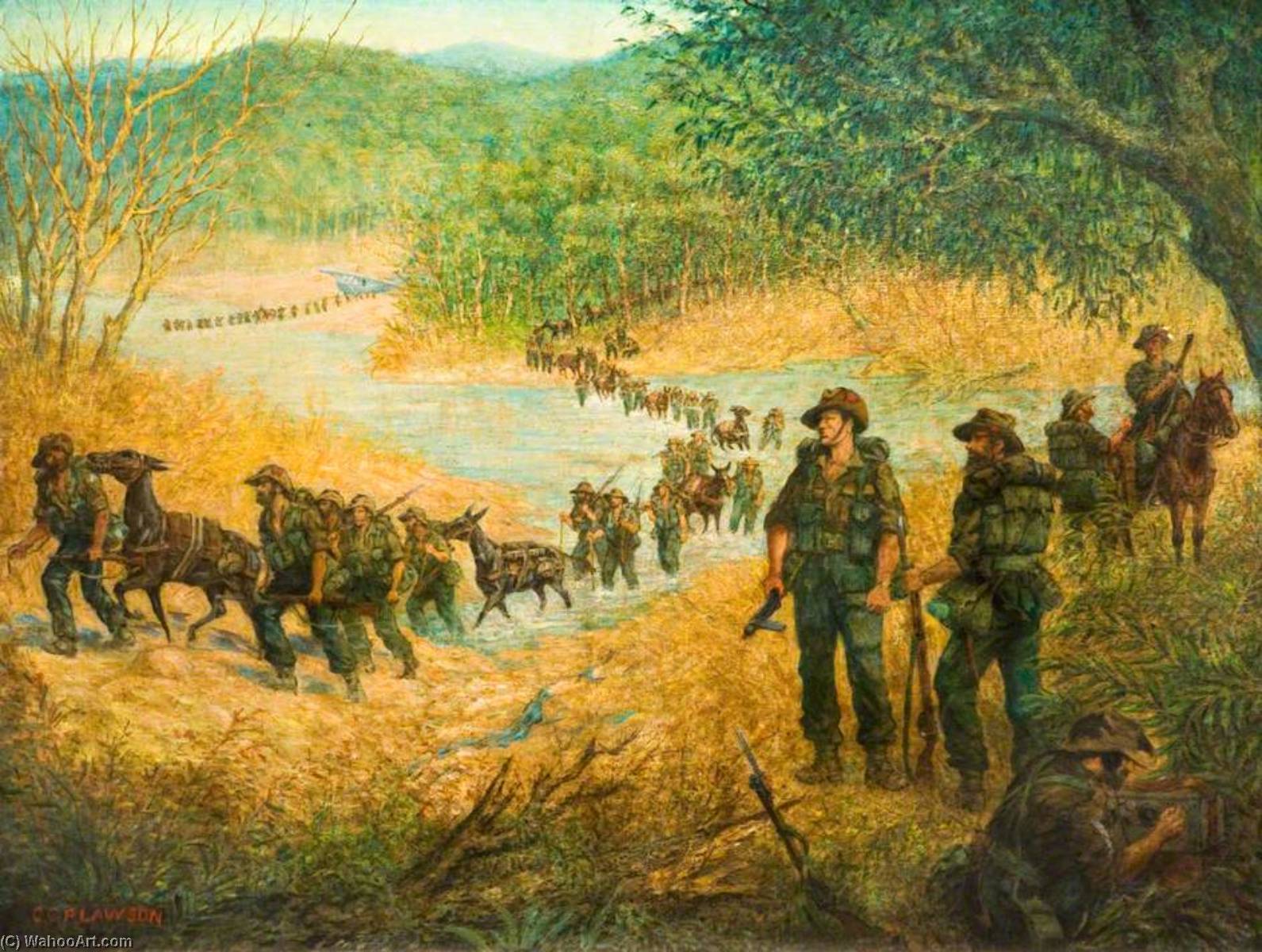
1st South Staffords on the March in Burma, 1944
 Oil
Oil- WallArt
 1944
1944- Modern
 60.0 x 96.0 cm
 The Staffordshire Regiment Museum
 詳細を見る
詳細を見る
ジークレー/アートプリント
迅速な制作と多彩な仕上げオプションを備えた、ミュージアムクオリティのジークレーまたはキャンバスプリント。 ( 手描きの絵画を購入 画像を購入)




P118B $10

P118H $10

P118W $10

P438Z $10

P508JH $12

P508YH $12

P805H $10

P805Z $10

P919BZ $10

P919G $10

P919XJ $10

P959ZH $10

P968JZ $12

W106C $8

W218G $10

W218JH $8

W218Y $10

W307PJ $10

W316G $10

W316PJ $8

W316Y $10

W398PJ $8

W4111J $10

W500HY $15

W500JH $15

W692G $12

W849H $8

W940BG $15

W953PJ $8




作品のオリジナル比率に合わせた、当店の規定サイズからお選びください。

特定のフレームやスペースに合わせて、ご自身でサイズを指定することも可能です。選択されたサイズが元の画像の比率と一致しない場合、作品をトリミングするか、鏡面反射または単色での塗りつぶしによって画像を拡張いたします。制作を開始する前に、ご確認用のデジタルモックアップをお送りいたします。
画面上のプレビューには、実際のトリミングや拡張は反映されませんのでご注意ください。最終的な構図を正確に確認できるのは、モックアップのみとなります。
カスタムサイズも承っておりますが、元の比率を維持するためには、あらかじめ用意されたリストからサイズを選択することをお勧めいたします。


 ガラスオプションは、110cm未満のサイズでのみご利用いただけます。

1st South Staffords on the March in Burma, 1944
ジークレー/アートプリント
複製画のサイズ
-


合計金額
$ 62
A Journey Through Time: The Resilience of the 1st South Staffords
In the evocative canvas of 1st South Staffords on the March in Burma, 1944, we are transported to a pivotal moment in the annals of World War II. This historical masterpiece captures more than just a military movement; it encapsulates the very essence of human endurance and the heavy burden of duty. The scene unfolds across a sprawling field, where a column of soldiers moves with a rhythmic, determined pace through the lush, untamed landscape of Burma. As we gaze upon the composition, the eye is immediately drawn to the interplay between man and beast, as horses and mules, laden with the essential supplies of war, tramping alongside their human counterparts. The painting serves as a profound window into a period of immense global upheaval, freezing a moment of quiet, focused preparation amidst the looming shadows of conflict.
The artistry within this piece lies in its ability to blend historical documentation with a deeply moving atmosphere. The artist masterfully utilizes the natural setting—a verdant expanse framed by dense, protective trees—to create a sense of both isolation and sanctuary. There is a palpable weight to the scene, felt in the heavy backpacks worn by the men and the steady, rhythmic gait of the animals. Each figure, whether mounted or walking on foot, contributes to a larger narrative of collective effort and shared destiny. The composition invites the viewer to walk alongside this regiment, feeling the humidity of the Burmese terrain and the solemnity of their mission.
Technique and Visual Grandeur
From an aesthetic perspective, this work is a triumph of historical realism. The technique employed allows for a rich texture that brings the organic elements of the landscape to life—the soft foliage of the surrounding trees, the dusty earth beneath the hooves, and the rugged gear of the infantry. The light in the painting plays a crucial role, filtering through the canopy to highlight the determination etched on the faces of the fourteen men visible in the procession. This careful manipulation of light and shadow creates a sense of depth that pulls the observer into the heart of the march.
For the discerning collector or interior designer, this piece offers an unparalleled opportunity to introduce a conversation starter into any space. The scale of 60 x 96 cm provides a commanding presence, making it an ideal centerpiece for a study, a library, or a sophisticated gallery wall. The painting does not merely decorate a room; it anchors it with a sense of gravity and historical importance. Its palette, rooted in the natural tones of the Burmese wilderness, offers a timeless elegance that complements both classic and contemporary decor, providing a window into a world of bravery and steadfastness.
The Emotional Legacy of the March
Beyond its technical merits, the true power of this work resides in its emotional resonance. It is a tribute to the 1st South Staffords, celebrating the teamwork and grit required to navigate the complexities of wartime logistics. There is a subtle melancholy inherent in the scene—a recognition of the uncertainty that lay ahead for these soldiers—yet it is balanced by an overwhelming sense of purpose. The painting captures the quiet heroism found not in grand battles, but in the daily, grueling perseverance of the march.
Owning a high-quality reproduction of this work means preserving a fragment of history. It allows the spirit of 1944 to reside within a modern home, offering a constant reminder of the strength of the human spirit when faced with monumental challenges. Whether viewed as an educational piece for history enthusiasts or as a profound work of art for those moved by the beauty of historical narrative, this painting remains an enduring testament to a generation defined by their courage.
関連作品
アーティストの略歴
英国の美への束の間の眼差し:セシル・ゴードン・ローソンの生涯と芸術
ミレ、あるいはコンスタブルといった同時代の巨匠たちの名ほど広く知られているわけではないかもしれませんが、セシル・ゴードン・ローソンという名は、19世紀イギリス風景画の物語において、極めて重要かつ切実な場所を占めています。1849年12月3日、シュロップシャー州ウェリントンのファウンテン・プレイスに生まれたローソンの生涯は悲劇的なほどに短く、1882年、わずか32歳でその幕を閉じました。しかし、その数十年の間に、彼は独自の芸術的語り口を築き上げることに成功したのです。それは、イングランドの田園風景が持つ牧歌的なヴィジョンと、底流に流れる哀愁、そして農村生活への鋭い観察眼を見事に融合させたものでした。彼は芸術的伝統に深く根ざした家庭に生まれました。父ウィリアム・ローソンは尊敬を集める肖像画家であり、母もまた画家として活動していました。この豊かな環境に加え、歴史画家であった兄フランシス・ウィルフリッドや、音楽家であった弟マルコム・レナードといった兄弟たちの才能も相まって、セシルの中に幼い頃から芸術への深い献身を育みました。誕生後まもなく家族とともにロンドンへ移り住んだことが、発展著しい首都の芸術シーンに彼を触れさせ、その後の芸術的探求への舞台を整えることとなったのです。独学の眼:初期のインスピレーションと芸術的発展
驚くべきことに、ローソンは正規の美術教育を受けていませんでした。彼の学びは、父や兄ウィルフリッドから受けたデッサン指導、そしてたゆまぬ独学という、家族の輪の中からのみもたらされたものでした。この型にはまらない歩みこそが、彼に唯一無二のパーソナルな様式を確立させました。初期の作品は、ウィリアム・ヘンリー・ハントの繊細な写実主義に影響を受けており、家族が暮らしたチェルシーのテムズ川沿いの美しい風景や、果物、花々といった親密な主題に焦りと向き合っていました。1870年には『チェイン・ウォーク』でロイヤル・アカデミーでの展示を開始し、ロンドンの美術界への登場を告げました。同時に、彼は木版画の図案家としての技術を磨きました。これは当時の一般的な職業であり、収入源となると同時に、光と細部を捉えるための貴重な経験となりました。その後、ローソンはフレッド・ウォーカー、G.J.ピンウェル、ヒューバート・ハルコマー、チャールズ・キーン、ウィリアム・スモールといった、誠実さと感受性を持って現代の生活を描き出そうとする志を同じくする芸術家たちのグループと結びついていきます。1869年頃、彼は水彩画から油彩画へと転向しましたが、この変化が表現の可能性を広げ、より豊かな色彩の階調をもたらすこととなりました。牧歌的なヴィジョン:主要作品と芸術様式
ローソンの芸術的な旅路は、イギリス全土――アイルランド、ウェールズ、ケント――、そしてオランダ、ベルギー、フランスを含むヨーロッパ大陸への広範な旅によって彩られました。これらの旅は彼の作品に深い影響を与え、パレットを広げ、新たな主題へとインスピレーションを与えました。『春への賛歌』(1871-72年)は、当初アカデミーに拒絶されたものの、より色彩豊かなアプローチへの移行を示しており、後の作品の多くを特徴づける鮮やかさを予兆させるものでした。この作品は現在、サンタバーバラ美術館に収蔵されています。しかし、彼の名声を真に確立したのは、1876年のロイヤッチ・アカデミーで展示された『イングランドのホップ園』(1874年)でした。この絵画は、その光り輝くような空気感と、農村の労働を緻密に描き出した点において、広く称賛を浴びました。そして、彼の最大の勝利となったのは、グロヴナー・ギャラリーで展示され、後にマンチェスター・アート・ギャラリーが取得した『牧師の庭』(1878年)です。この作品は、一見ありふれた風景に詩的な美しさと静かな瞑想の感覚を吹き込む、ローソンの卓越した手腕を象徴しています。テート・ブリテンに所蔵されている『八月の月』などの後年の作品には、より内省的で憂いを含んだトーンが見て取れ、それはおそらく彼自身の衰えゆく健康を反映していたのかもしれません。ローソンの様式は、しばしば「アイディリスト(牧歌主義)」派に関連付けられます。これは、農村生活に内在する困難を認めつつも、その牧歌的な側面を捉えようとした芸術家たちの流れです。彼はトーマス・ゲインズバラ、ジョン・クローム、ジョン・コンスタブルといった巨匠たちからインスピレーションを得ていましたが、彼らの伝統に、紛れもない彼自身の個人的なヴィジョンを注ぎ込んだのです。断たれた遺産:家族、晩年、そして不朽の影響
1879年、ローソンは彫刻家ジョン・バーニー・フィリップの娘コンスタンス・バーニー・フィリップと結婚し、著名な芸術家一家との結びつきをさらに強めました。彼らには息子セシル・コンスタント・フィリップ・ローソン(1880-1967)がおり、彼もまた芸術家としての道を歩み、家族の遺志を継承しました。悲しいことに、晩年のローソンの健康は悪化し、休息を求めてフランスのリビエラを訪れました。しかし、その療養も十分なものではなく、1882年6月10日、ロンドンのウェスト・ブロンプトンにて肺炎のためこの世を去りました。あまりにも早すぎる死であったにもかかわらず、セシル・ゴードン・ローソンは、イングランドの田園風景を想起させる情緒豊かな作品群を遺し、今なお見る者を魅了し続けています。彼は19世紀イギリス風景画における重要な人物として記憶されています。伝統を再構築しながらも、そこに個人的な洞察と切実な美を吹き込んだ芸術家として。テート・ブリテンやマンチェスター・アート・ギャラリーといった主要なコレクションに収蔵されている彼の絵画は、その才能と不朽の芸術的感性の永続的な証しとなっています。彼は、ヴィクトリア朝イングランドの複雑さと、自然界との関係を理解する上で、今なお欠かすことのできない、力強い声であり続けているのです。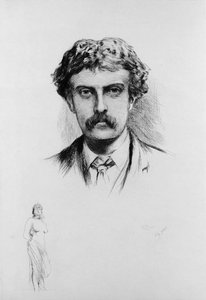
セシル・ゴードン・ローソン
1851 - 1882 , イギリス
基本情報
- Artistic Movement Or Style: イディリスト、風景画
- Artists Or Movements Influenced By This Artist: 19世紀イギリス風景画
- Artists Who Influenced This Artist:
- ゲインズボロー
- クローム
- コンスタブル
- W.H.ハント
- Date Of Birth: 1849年12月3日
- Date Of Death: 1882年6月10日
- Full Name: セシル・ゴードン・ローソン
- Nationality: イギリス
- Notable Artworks:
- 春への賛歌
- イングランドのホップ園
- 牧師の庭
- 八月の月
- Place Of Birth: イギリス、ウェリントン
関連記事
フェルナン・レジェ傑作25選:機械美と色彩の革新 | ArtsDot
フェルナン・レジェの傑作25選。機械美と色彩が織りなすキュビズムの世界を紐解きます。ArtsDotで、フランス絵画の巨匠レジェの作品を高精細プリントで。インテリアアートやギフトにも最適です。全コレクションはこちら: ArtsDot.com
Isaac Lazarus Israëls: A Chronicle of Dutch Life & the Evolution of Impressionistic Realism
Explore the captivating world of Isaac Lazarus Israëls (1865-1934), a leading Dutch Amsterdam Impressionist. Discover his city scenes, portraits & travels through Asia – a chronicle of Dutch life and artistic evolution.