

 プレビュー
プレビュー
 シェアする
シェアする シェアする
シェアする
 詳細を見る
詳細を見る

 ダウンロード
 似ている作品
 X線調査
X線調査 スライドショー
 Stats
StatsFair of Face, Full of Woe
 Oil On Canvas
- WallArt
- Abstract Expressionism
 2008
2008- Contemporary
 43.0 x 101.0 cm
 メトロポリタン美術館
 詳細を見る
詳細を見る
ジークレー/アートプリント
迅速な制作と多彩な仕上げオプションを備えた、ミュージアムクオリティのジークレーまたはキャンバスプリント。 ( 手描きの絵画を購入 Switch to Digital Image)




P118B $10

P118H $10

P118W $10

P438Z $10

P508JH $12

P508YH $12

P805H $10

P805Z $10

P919BZ $10

P919G $10

P919XJ $10

P959ZH $10

P968JZ $12

W106C $8

W218G $10

W218JH $8

W218Y $10

W307PJ $10

W316G $10

W316PJ $8

W316Y $10

W398PJ $8

W4111J $10

W500HY $15

W500JH $15

W692G $12

W849H $8

W940BG $15

W953PJ $8




作品のオリジナル比率に合わせた、当店の規定サイズからお選びください。

特定のフレームやスペースに合わせて、ご自身でサイズを指定することも可能です。選択されたサイズが元の画像の比率と一致しない場合、作品をトリミングするか、鏡面反射または単色での塗りつぶしによって画像を拡張いたします。制作を開始する前に、ご確認用のデジタルモックアップをお送りいたします。
画面上のプレビューには、実際のトリミングや拡張は反映されませんのでご注意ください。最終的な構図を正確に確認できるのは、モックアップのみとなります。
カスタムサイズも承っておりますが、元の比率を維持するためには、あらかじめ用意されたリストからサイズを選択することをお勧めいたします。


 ガラスオプションは、110cm未満のサイズでのみご利用いただけます。

Fair of Face, Full of Woe
ジークレー/アートプリント
複製画のサイズ
-


合計金額
$ 62
The Flux of Form: Exploring Cecily Brown's "Fair of Face, Full of Woe"
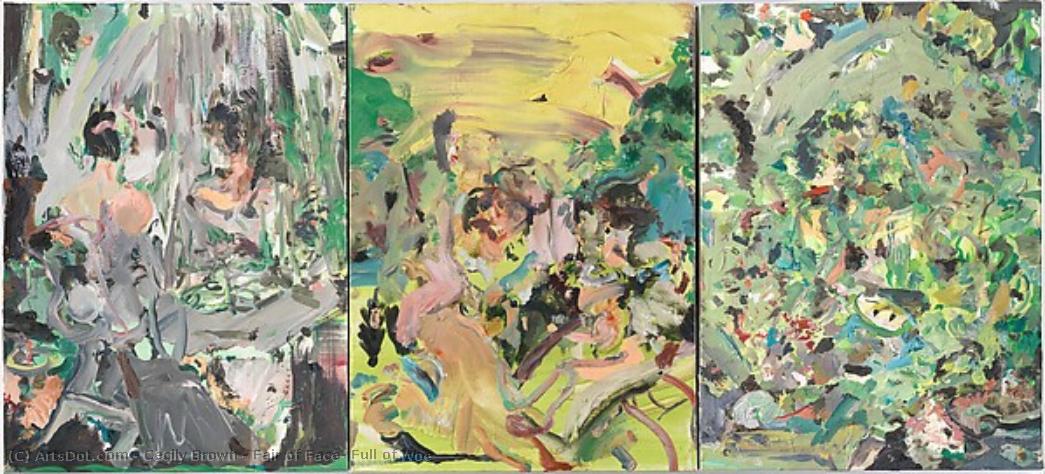
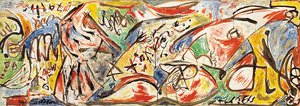
To stand before Fair of Face, Full of Woe is not merely to observe a painting; it is to enter a state of visual negotiation. Cecily Brown’s masterful triptych challenges the very notion of fixed representation. At first glance, the surface seems to dissolve into a riot of color and texture—a dense tapestry woven from paint itself. Yet, as the eye lingers, coaxed deeper into its depths, recognizable echoes emerge: suggestions of flesh entangled with lush, almost overgrown landscapes. This piece is a profound meditation on appearance versus reality, a visual poem where the boundaries between what is depicted and how it is painted are deliberately blurred.
Technique and Materiality: A Dance of Brushstroke
Brown’s signature technique is immediately apparent here—a highly expressionistic application of paint. Her brushwork is not descriptive; it is visceral. It possesses a palpable energy, as if the pigment itself were moving, breathing with the life force captured on the canvas. The materiality of the oil on canvas becomes a central character in the work. There is a shared vocabulary between the rendered skin tones and the surrounding foliage, suggesting that the body and nature are not separate entities but rather aspects of one continuous, mutable existence. This dense layering gives the triptych an almost archaeological quality, inviting the viewer to excavate meaning from beneath successive veils of paint.
Symbolism and Emotional Resonance
The title itself, referencing a traditional English fortune-telling rhyme, hints at the painting's core thematic tension: the disparity between outward beauty ("Fair of Face") and inner turmoil or sorrow ("Full of Woe"). The composition, divided into three distinct panels—one depicting an individual in a field, another grouping figures together, and a central seated woman—suggests narratives unfolding across different social planes. These vignettes are not static portraits; they feel caught mid-moment, suspended between revelation and concealment. They speak to the inherent instability of human experience, where joy and melancholy coexist within the same glance.
A Modern Echo of Classicism
While its execution feels intensely contemporary, Brown’s work channels dialogues with art history's giants. One senses the raw emotional outpouring reminiscent of Francis Bacon, coupled with the vigorous energy found in Willem de Kooning. Yet, there is also a classical undercurrent, an engagement with figure studies that nods toward Rubens or even Goya. This dialogue allows Fair of Face, Full of Woe to feel both deeply personal and universally resonant. For the collector or designer seeking art that transcends mere decoration, this piece offers intellectual depth; it demands participation, rewarding contemplation with layers of emotional and visual discovery.
関連作品
アーティストの略歴
Early Life and Education
- Born: London, United Kingdom (1969)
- Parents: Novelist Shena Mackay and art critic David Sylvester
- Education:
- B-TEC Diploma in Art and Design from Epsom School of Art (1985–87)
- Drawing and Printmaking classes at Morley College, London (1987–89)
- BA Degree in Fine Arts from the Slade School of Art, London (1989–93)
- Early Career: Worked as a waitress and in an animation studio during her studies.
- Awards: First-prize recipient in the National Competition for British Art Students at Slade.
Artistic Development and Influences
- Move to New York: Relocated from London in 1995, seeking artistic independence.
- Influences: Brown's style is influenced by a diverse range of artists including:
- Francisco de Goya
- Willem de Kooning
- Francis Bacon
- Joan Mitchell
- Rubens
- Poussin
- Style: Combines figuration and abstraction, expanding the tradition of abstract expressionism. Known for a painting style suggestive of De Kooning and Oskar Kokoschka.
- Process: Often begins without a precise plan, allowing the final painting to reveal itself during the creative process. Embraces surprise and change in her work.
- Themes: Explores sexuality and attraction through semi-figurative and abstract means. The handling of paint becomes a central subject matter.
Major Works and Recurring Motifs
- Early Recognition: Displayed "Four Letter Heaven" at the Telluride Film Festival (1995), exploring themes of sexuality and pornography.
- Notable Paintings: Titles often drawn from classic Hollywood films and musicals, such as "The Pyjama Game," "The Bedtime Story," and "The Fugitive Kind."
- "Electric Ladyland" Series: Based a series of paintings on a photograph from the 1968 Jimi Hendrix album.
- Site-Specific Installation: Created "Untitled," a permanent installation for the group exhibition "Vertical Paintings" at P.S. 1 (1997).
- Recurring Elements: Expressive figures, nudes, rich colors, luscious paint handling, and animated brushwork are characteristic of her style.
Critical Reception and Historical Significance
- Contemporary Groupings: Often grouped with leading female contemporary painters including Charline von Heyl, Jacqueline Humphries, Laura Owens, Jutta Koether, Amy Sillman, and Emily Sundblad.
- Process Description: Describes her process as "organic," working on multiple pieces simultaneously, allowing layers to dry between applications.
- Critical Responses: While praised for powerful canvases and bold brushwork, some critics have noted a perceived detachment or lack of character in her work.
- Gendered Perspective: Brown's assertive style has been interpreted as confronting both the tradition of Abstract Expressionism (often associated with masculinity) and gendered assumptions about art.
- Legacy: Cecily Brown is recognized as a significant contemporary painter who revitalized painting through her dynamic, sensual, and intellectually engaging works. Her influence can be seen in subsequent generations of artists exploring figuration and abstraction.
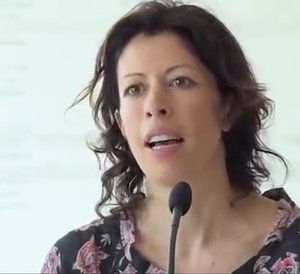
Cecily Brown
1969 - , United Kingdom
基本情報
- Artistic Movement Or Style: Abstract Expressionism
- Artists Who Influenced This Artist:
- Francisco de Goya
- Willem de Kooning
- Francis Bacon
- Joan Mitchell
- Rubens
- Poussin
- Date Of Birth: 1969
- Full Name: Cecily Brown
- Nationality: British
- Place Of Birth (City And Country): London, United Kingdom
関連記事

The Enduring Legacy of Oil on Canvas: Technique, History & Aesthetic Impact
Explore the rich history & techniques of oil painting – from Renaissance masters to Impressionism. Discover pigments, layering methods, and why this timeless medium endures. Expert insights for artists & art enthusiasts.

Oil on Canvas: A Historical & Technical Exploration of a Timeless Artistic Medium
Explore the rich history & enduring techniques of oil painting on canvas. Discover the science behind its longevity, conservation practices, and contemporary relevance. Expert insights for art enthusiasts.
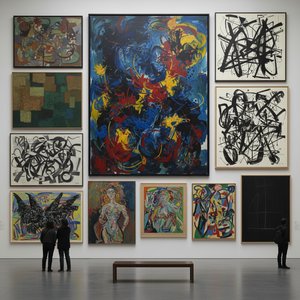
抽象表現主義を定義する十大傑作:芸術と装飾の深遠な旅
抽象表現主義を定義する10の傑作。ポロック、ロスコら巨匠たちの情熱と色彩の世界へ。各作品に込められた物語と技法を紐解き、至高のアート体験を。ArtsDot.comで、ミュージアムクオリティの複製画や洗練されたインテリアアイデアを発見してください。

Kandinsky's Masterpieces: 25 Paintings That Define Abstract Art | ArtsDot
Journey through Wassily Kandinsky's 25 most iconic abstract paintings. Explore his revolutionary use of color, form & spiritual expressionism. Find museum-quality Kandinsky reproductions and elevate your home decor with ArtsDot.com. Discover all masterpieces on ArtsDot.com!

油彩のキャンバス:技法、歴史、そして現代の実践 - 古典美術愛好家へ
油彩の技法、歴史、巨匠たちの秘密を徹底解説。古典美術愛好家向けに、初期フランドル絵画から現代の実践まで深く掘り下げます。ArtsDotで高品質な複製画やカスタムオーダーも承ります。