

 プレビュー
プレビュー
 シェアする
シェアする シェアする
シェアする
 詳細を見る
詳細を見る

 ダウンロード
 似ている作品
 X線調査
X線調査 スライドショー
 Stats
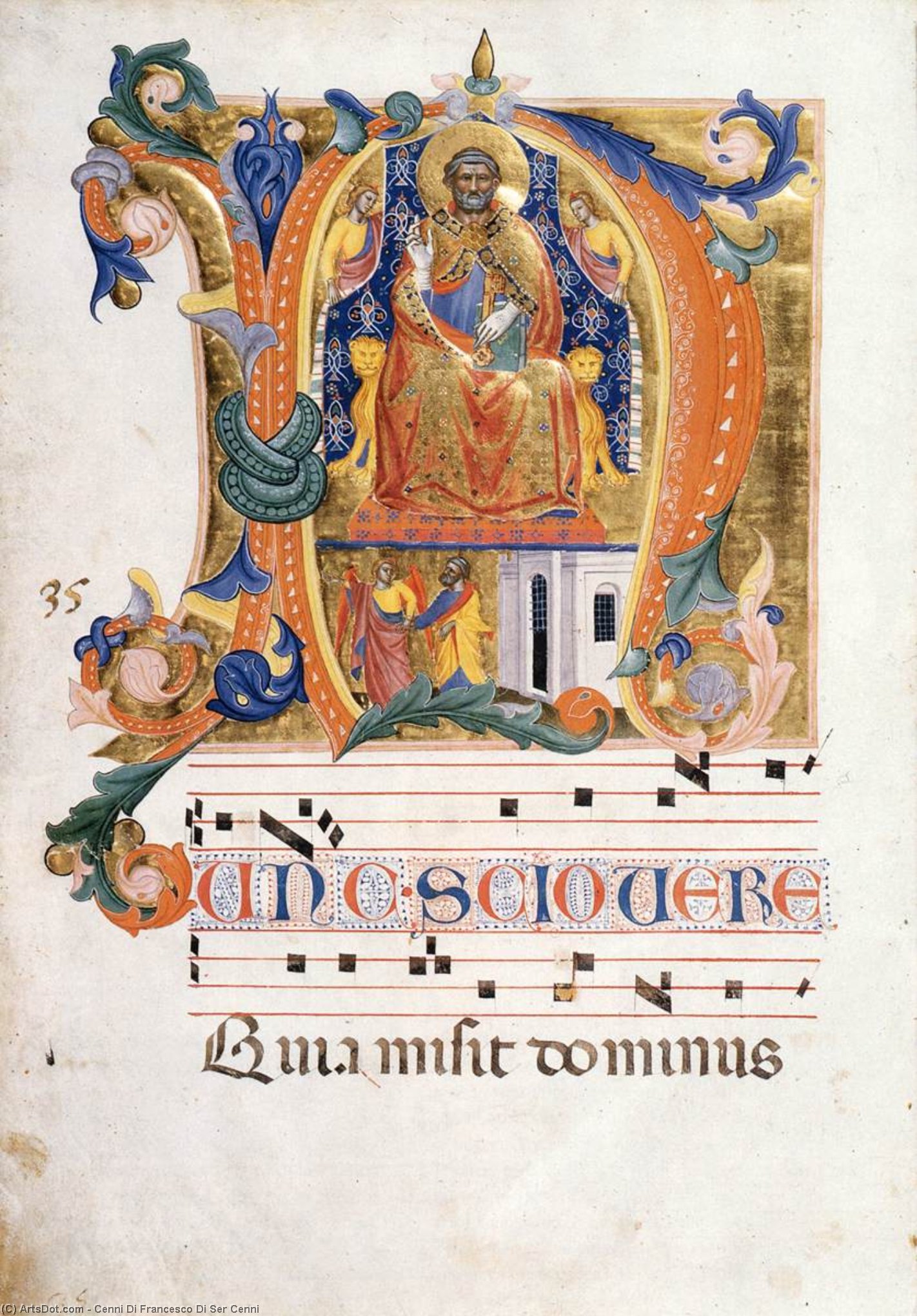
StatsAntiphonary (Folio 35v)
 Oil
Oil- WallArt
- Gothic Style
 1370
1370 608.0 x 418.0 cm
 Walters Art Museum
 詳細を見る
詳細を見る
オンラインプレビューをはるかに凌ぐ、高解像度で鮮明なデジタル画像をご購入いただけます。
各ファイルは、社内の専門家が高度なツールと熟練した手作業によるレタッチを用いて、細心の注意を払って準備されています。すべての画像において、卓越した鮮明度、正確な色彩再現性、そして繊細なディテールを保証いたします。
最終ファイルは、プロフェッショナルな編集・印刷環境ですぐにご利用いただけるよう最適化された状態で、72時間以内にメールにてお届けいたします。これは、一流のデザインスタジオ、出版社、ギャラリーから信頼されているものと同等の品質です。
デジタルアート
個人での鑑賞、印刷、クリエイティブなプロジェクト用に、高解像度ファイルをダウンロードできます。 ( Switch to Print 手描きの絵画を購入)
デジタル画像のご注文に付随する特典
高品質なデジタル画像配信を、確かな品質で。
ArtsDot.com を選ぶことは、単に画像を手に入れることではありません。それは、プロの手によって精密に仕上げられ、満足保証が付いた高品質なデジタルアートワークを受け取ることを意味します。ご注文いただいた際に自動的に付随する内容は、以下の通りです:

メールですぐにお届け
ご注文から72時間以内に、高解像度のデジタル画像ファイルがメールでお手元に届きます。すぐにそのままご利用いただけます。

AI技術で最適化されたデジタルファイル
お客様の作品は、高度なAIツールと専門家による手作業の編集を組み合わせてプロフェッショナルに最適化されており、細部のディテール、鮮明さ、そして正確な色再現性を最大限に引き出しています。

一生涯無料の再送サービス
ファイルを誤って削除したり、紛失してしまったりしましたか?ご安心ください。いつでも無料で再送いたします。

輸入手数料は一切かかりません
関税や手数料、配送料を気にすることなく、お気に入りのアートワークをすぐにお楽しみいただけます。デジタルダウンロードは常に免税です。

色彩再現の保証
プロ仕様のツールとカラーマネジメント技術を用いることで、デジタル画像が元の色を最大限に忠実に再現することを保証いたします。

100日間満足保証
ご購入いただいたデジタル画像にご満足いただけない場合は、100日以内であれば、理由を問わず修正または100%の返金対応をさせていただきます。

100% 返金保証
ご満足いただけない場合は、デジタルファイルを受け取ってから100日以内であれば、理由を問わず全額返金いたします。

まとめ買い割引
3枚購入で10%OFF - 5枚購入で15%OFF - 10枚以上購入で20%OFF。クリエイティブなプロジェクト、ギャラリー、エージェンシーに最適です。
A Glimpse into Medieval Devotion: The Antiphonary of Cenni di Francesco
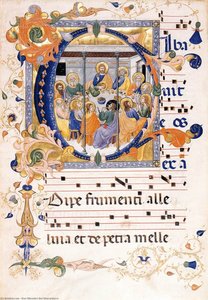
The Walters Art Museum in Baltimore holds within its walls a remarkable window into the heart of 14th-century Florentine art – the Antiphonary (Folio 35v) by Cenni di Francesco di Ser Cenni. More than just a liturgical book, this vibrant tempera masterpiece on parchment offers a profound glimpse into the religious beliefs, artistic sensibilities, and technical mastery of its time. Dating back to 1370, it’s a testament to the enduring power of faith expressed through intricate imagery and meticulous detail, inviting us to step back centuries and witness the world as seen by an Italian master.
Cenni di Francesco, born around 1369 in Florence, was a pivotal figure bridging the late Gothic period with the nascent Renaissance. While his life remains somewhat shrouded in historical mystery – documented primarily through commissions rather than biographical accounts – his artistic output speaks volumes. He wasn’t merely replicating established styles; he was actively shaping them, incorporating elements of both Gothic ornamentation and emerging naturalism. His work reflects a deep devotion to religious themes, particularly the veneration of saints and biblical narratives, and a keen understanding of the visual language used to convey spiritual meaning.
A Symphony of Color and Symbol
The Antiphonary’s beauty lies not only in its historical significance but also in its exquisite execution. The artwork is dominated by a rich palette of reds, blues, golds, and whites – pigments carefully chosen for their luminosity and symbolic weight. Gold, frequently employed to depict halos and divine figures, represents spiritual illumination and the glory of God. Deep blues evoke the heavens, while vibrant reds symbolize sacrifice and passion. The meticulous layering of tempera paint creates a remarkable sense of depth and texture, bringing the intricate details of the scene to life.
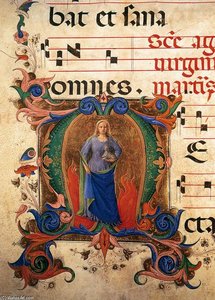
The central figure is a saint or religious icon, seated on an elaborate throne-like structure, holding a book – a potent symbol of knowledge, scripture, and divine wisdom. Surrounding this central figure are smaller figures, likely angels or other religious attendants, engaged in various acts of worship and service. The entire composition is framed by intricate patterns and designs: floral motifs, geometric shapes, and stylized representations of musical notation—all contributing to the artwork’s overall richness and complexity. The presence of musical notation underscores the book's function within liturgical services, highlighting its importance as a tool for religious devotion.
Decoding the Symbolism
Beyond the immediate visual appeal, the Antiphonary is laden with symbolic meaning. The halo surrounding the central figure signifies holiness and divine grace. The specific iconography—the saints depicted, the gestures they make, the objects they hold—all carry layers of religious significance, inviting viewers to engage in a deeper contemplation of faith and spirituality. The inclusion of musical notation isn’t merely decorative; it represents the active participation of the congregation in prayer and worship.
The fragmenting nature of the manuscript – ending abruptly on folio 56v – adds another layer of intrigue. It suggests that this was not a finished work, but rather an ongoing project, perhaps commissioned for a specific chapel or religious institution. The incomplete state also invites speculation about the artist’s intentions and the ultimate fate of the book.
A Legacy Preserved: Reproductions Available
For those captivated by the Antiphonary's beauty and historical significance, https://ArtsDot.com offers meticulously crafted handmade oil painting reproductions. Our skilled artists painstakingly recreate Cenni di Francesco’s intricate details, colors, and textures, ensuring that every brushstroke captures the essence of this remarkable artwork. Owning a reproduction is not merely acquiring a beautiful piece of art; it's gaining a tangible connection to a rich artistic heritage.
Explore our collection of Cenni di Francesco reproductions, including other works from his oeuvre, and discover how you can bring a touch of medieval devotion into your home or office. Visit https://ArtsDot.com today to learn more about the artist and his legacy, and to explore additional artworks by Cenni di Francesco.
関連作品
作家の略歴
A Florentine Voice in the Gothic Twilight
Cenni di Francesco di ser Cenni, a name perhaps less resonant than those of his celebrated contemporaries, nevertheless occupies a vital position in the transition between the late Gothic period and the burgeoning Renaissance in Florence. Born around 1369, amidst a city already stirring with new artistic currents, Cenni’s career unfolded during a time of profound cultural shift. While details of his personal life remain elusive—historical records offer glimpses primarily through documented commissions rather than intimate biographical narratives—his artistic legacy speaks volumes about the enduring power of tradition and the subtle seeds of innovation. He was registered in Florence's Arte dei Medici e Speziali in 1369, marking a formal entry into the city’s vibrant guild system, and continued to work within its artistic circles until his death in 1415. Cenni wasn’t merely replicating established styles; he was actively shaping them, bridging the gap between the elegance of the Gothic era and the emerging naturalism that would define the Renaissance.Echoes of Masters and a Developing Style
Cenni di Francesco's artistic formation was deeply rooted in the International Gothic style—a refined aesthetic characterized by graceful figures, opulent colors, and intricate ornamentation. However, his work wasn’t simply derivative; it bore the distinct imprint of influential predecessors. The elegant linearity and compositional sophistication evident in Orcagna’s works clearly resonated with Cenni, informing his approach to form and design. Simultaneously, he absorbed the softer modeling and emotional expressiveness championed by Agnolo Gaddi, imbuing his figures with a gentle humanity that transcended mere stylistic imitation. This synthesis of influences is particularly noticeable in his early pieces, where one can discern a delicate balance between decorative refinement and nascent psychological depth. His style evolved over time, demonstrating an increasing sophistication in composition and detail. He skillfully blended Byzantine traditions with emerging Renaissance elements, hinting at the artistic revolution to come while remaining firmly grounded in the aesthetic sensibilities of his era.Significant Works and Lasting Impressions
Though a substantial body of work is attributed to Cenni di Francesco, it’s the *Fresco of the True Cross* within the Cappella della Croce di Giorno at the Church of San Francesco in Volterra that stands as his most celebrated achievement—and uniquely, his only known signed work. Completed in 1410, this fresco is a testament to his narrative skill and mastery of technique. The composition unfolds with clarity and grace, depicting key episodes from the legend of the True Cross with meticulous detail and vibrant color. Beyond Volterra, his artistic footprint extends to Florence itself, notably through a fresco attributed to him at the entrance to the Basilica of Santa Maria Novella, likely painted around 1390. This large-scale devotional image showcases his ability to create compelling visual narratives for public consumption. The *Polyptych with Coronation of the Virgin and Saints*, now housed in the Getty Museum, further exemplifies Cenni’s command of complex compositions and rich color palettes—a quintessential example of altarpiece design during that period. Numerous other works, including illuminated manuscripts – notably Antiphonary folios – and panel paintings, continue to be attributed to him based on stylistic analysis, enriching our understanding of his prolific output.A Bridge Between Eras
Cenni di Francesco’s historical significance lies not in radical innovation but in his role as a crucial link between artistic traditions. He wasn't at the forefront of the revolutionary changes sweeping through Florence; rather, he embodied a refined continuation of the Gothic aesthetic while subtly incorporating elements that foreshadowed the Renaissance. This included a growing emphasis on naturalism and emotional expression—a departure from the more stylized conventions of earlier Gothic art. His work helped preserve and refine the International Gothic style, ensuring its continued influence on subsequent generations of artists even as new artistic paradigms emerged. He contributed significantly to the rich artistic heritage of Florence during a period of immense cultural change, offering valuable insights into the artistic landscape of 14th-century Italy. Though perhaps not as widely recognized as some of his contemporaries, Cenni di Francesco’s paintings remain compelling testaments to an artist who skillfully navigated the currents of his time, leaving behind a legacy that continues to resonate with beauty and grace.
cenni di francesco di ser cenni
1369 - 1415 , Italy
プロフィール概要
- Artistic Movement Or Style: International Gothic
- Artists Or Movements Influenced By This Artist: Florentine Gothic tradition
- Artists Who Influenced This Artist:
- Orcagna
- Gaddi
- Date Of Birth: 1369
- Date Of Death: 1415
- Full Name: Cenni di Francesco di ser Cenni
- Nationality: Italian
- Notable Artworks:
- Fresco of the True Cross
- Santa Maria Novella Fresco
- Polyptych with Coronation…
- Place Of Birth: Florence, Italy