

 プレビュー
プレビュー
 シェアする
シェアする シェアする
シェアする
 詳細を見る
詳細を見る

 ダウンロード
 似ている作品
 X線調査
X線調査 スライドショー
 Stats
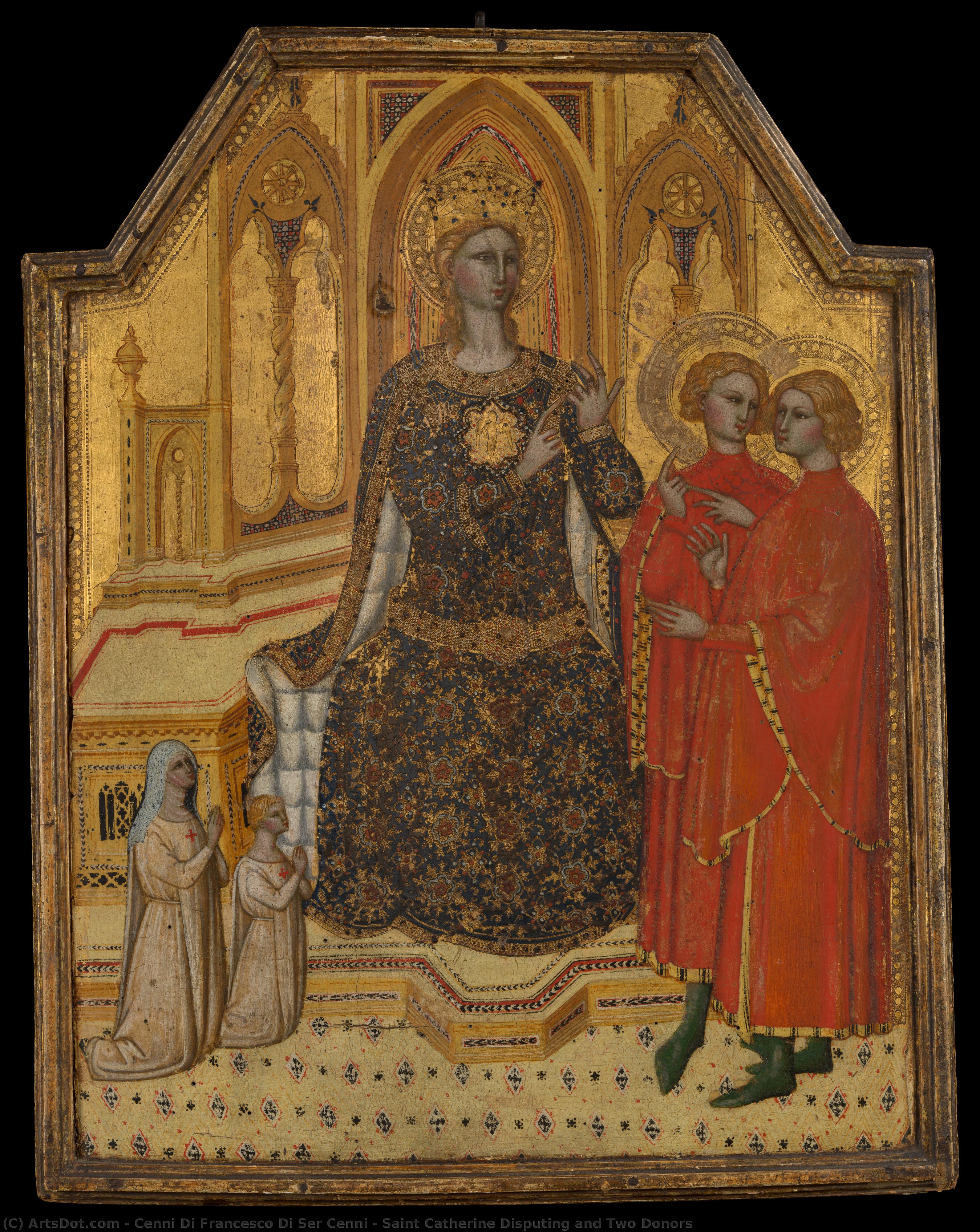
StatsSaint Catherine Disputing and Two Donors
 Tempera On Panel
- Gothic
 1380
1380- Late Medieval
 58.0 x 46.0 cm
 詳細を見る
詳細を見る
手描き油彩複製画
当社のアーティストが、お客様のご希望のサイズと額縁に合わせて、キャンバスに手描きで制作する油彩画です。 ( Switch to Print Switch to Digital Image)




P118B $10

P118H $10

P118W $10

P438Z $10

P508JH $12

P508YH $12

P805H $10

P805Z $10

P919BZ $10

P919G $10

P919XJ $10

P959ZH $10

P968JZ $12

W106C $8

W218G $10

W218JH $8

W218Y $10

W307PJ $10

W316G $10

W316PJ $8

W316Y $10

W398PJ $8

W4111J $10

W500HY $15

W500JH $15

W692G $12

W849H $8

W940BG $15

W953PJ $8




作品のオリジナル比率に合わせた、当店の規定サイズからお選びください。

特定のフレームやスペースに合わせて、ご希望のサイズをご入力いただけます。選択されたサイズが元の画像の比率と異なる場合、アートワークをトリミングするか、手描きで要素を追加して絵画を拡張いたします。デジタルモックアップ を制作し、制作開始前にご確認(承認)をいただきます。
画面上のプレビューは、実際のトリミングや拡張を正確に反映しているものではありません。最終的な構図は、モックアップによってのみ正確にご確認いただけます。
カスタムサイズもご利用いただけますが、元の比率を維持するためには、あらかじめ用意されたリストからサイズを選択することをお勧めいたします。
ご注文後、ArtsDot.com チームより詳細な指示をお送りするとともに、仕上がりイメージ(モックアップ)をご提供いたします。


 ガラスオプションは、110cm未満のサイズでのみご利用いただけます。

Saint Catherine Disputing and Two Donors
複製技法
複製画のサイズ
-


合計金額
$ 263
A Divine Debate: The Intellectual Brilliance of Saint Catherine
In the twilight of the fourteenth century, as the rigid structures of the Gothic era began to soften into the dawn of the Renaissance, Cenni di Francesco di ser Cenni captured a moment of profound spiritual and intellectual triumph. Saint Catherine Disputing and Two Donors is not merely a religious tableau; it is a dramatic narrative of conviction and conversion. The central figure, Saint Catherine of Alexandria, stands as a beacon of wisdom and grace. Clad in flowing, elegant drapery that speaks to her royal lineage, she is depicted in the heat of a theological contest. The painting immortalizes the legendary moment when she faced fifty pagan orators, using her formidable intellect to dismantle their arguments and lead them toward the light of Christianity.
The composition breathes with a quiet, focused energy. As Catherine counts off the points of her dispute, the viewer’s eye is drawn to the two men who stand as living testaments to her power. Adorned with haloes, these figures represent the very souls she has won over through the sheer force of her logic and faith. This interplay between the cerebral and the divine creates a captivating tension, inviting the observer to contemplate the transformative power of truth.
The Elegance of Florentine Gothic Artistry
Cenni di Francesco, a master of the Florentine school, utilizes a delicate technique that characterizes the late Gothic period. The painting is a masterclass in the use of line and subtle color palettes to define form and emotion. There is a rhythmic quality to the way the fabric falls around Saint Catherine, suggesting movement even within a static moment of debate. The artist’s ability to balance the monumental presence of the saint with the diminutive, humble figures of the donors at the left creates a unique sense of scale and hierarchy.
The two donors, dressed in the modest habits of Franciscan tertiaries, kneel in a gesture of profound piety. Their small stature relative to the Saint serves a dual purpose: it emphasizes their humility before the divine and directs all aesthetic importance toward the central miracle of conversion. Through fine brushwork and a careful arrangement of figures, Cenni creates a space that feels both intimate and sacred, making this piece an exquisite example of how late medieval art used scale to communicate spiritual depth.
A Timeless Addition for Discerning Collectors
For the collector or interior designer, this reproduction offers more than just historical significance; it provides a profound emotional anchor for any space. The painting’s rich narrative and soft, evocative tones make it an ideal centerpiece for rooms that value intellectual depth and classical beauty. Whether placed in a library, a study, or a grand salon, the image of Saint Catherine serves as a conversation piece—a symbol of wisdom, resilience, and the enduring pursuit of knowledge.
Owning a high-quality reproduction of this work allows one to bring the spirit of 1380 Florence into a contemporary setting. The subtle interplay of light and shadow, combined with the historical weight of the subject matter, ensures that the piece remains visually stimulating and emotionally resonant across generations. It is an investment in art that celebrates the triumph of the human spirit through the lens of divine inspiration.
関連作品
アーティストの略歴
A Florentine Voice in the Gothic Twilight
Cenni di Francesco di ser Cenni, a name perhaps less resonant than those of his celebrated contemporaries, nevertheless occupies a vital position in the transition between the late Gothic period and the burgeoning Renaissance in Florence. Born around 1369, amidst a city already stirring with new artistic currents, Cenni’s career unfolded during a time of profound cultural shift. While details of his personal life remain elusive—historical records offer glimpses primarily through documented commissions rather than intimate biographical narratives—his artistic legacy speaks volumes about the enduring power of tradition and the subtle seeds of innovation. He was registered in Florence's Arte dei Medici e Speziali in 1369, marking a formal entry into the city’s vibrant guild system, and continued to work within its artistic circles until his death in 1415. Cenni wasn’t merely replicating established styles; he was actively shaping them, bridging the gap between the elegance of the Gothic era and the emerging naturalism that would define the Renaissance.Echoes of Masters and a Developing Style
Cenni di Francesco's artistic formation was deeply rooted in the International Gothic style—a refined aesthetic characterized by graceful figures, opulent colors, and intricate ornamentation. However, his work wasn’t simply derivative; it bore the distinct imprint of influential predecessors. The elegant linearity and compositional sophistication evident in Orcagna’s works clearly resonated with Cenni, informing his approach to form and design. Simultaneously, he absorbed the softer modeling and emotional expressiveness championed by Agnolo Gaddi, imbuing his figures with a gentle humanity that transcended mere stylistic imitation. This synthesis of influences is particularly noticeable in his early pieces, where one can discern a delicate balance between decorative refinement and nascent psychological depth. His style evolved over time, demonstrating an increasing sophistication in composition and detail. He skillfully blended Byzantine traditions with emerging Renaissance elements, hinting at the artistic revolution to come while remaining firmly grounded in the aesthetic sensibilities of his era.Significant Works and Lasting Impressions
Though a substantial body of work is attributed to Cenni di Francesco, it’s the *Fresco of the True Cross* within the Cappella della Croce di Giorno at the Church of San Francesco in Volterra that stands as his most celebrated achievement—and uniquely, his only known signed work. Completed in 1410, this fresco is a testament to his narrative skill and mastery of technique. The composition unfolds with clarity and grace, depicting key episodes from the legend of the True Cross with meticulous detail and vibrant color. Beyond Volterra, his artistic footprint extends to Florence itself, notably through a fresco attributed to him at the entrance to the Basilica of Santa Maria Novella, likely painted around 1390. This large-scale devotional image showcases his ability to create compelling visual narratives for public consumption. The *Polyptych with Coronation of the Virgin and Saints*, now housed in the Getty Museum, further exemplifies Cenni’s command of complex compositions and rich color palettes—a quintessential example of altarpiece design during that period. Numerous other works, including illuminated manuscripts – notably Antiphonary folios – and panel paintings, continue to be attributed to him based on stylistic analysis, enriching our understanding of his prolific output.A Bridge Between Eras
Cenni di Francesco’s historical significance lies not in radical innovation but in his role as a crucial link between artistic traditions. He wasn't at the forefront of the revolutionary changes sweeping through Florence; rather, he embodied a refined continuation of the Gothic aesthetic while subtly incorporating elements that foreshadowed the Renaissance. This included a growing emphasis on naturalism and emotional expression—a departure from the more stylized conventions of earlier Gothic art. His work helped preserve and refine the International Gothic style, ensuring its continued influence on subsequent generations of artists even as new artistic paradigms emerged. He contributed significantly to the rich artistic heritage of Florence during a period of immense cultural change, offering valuable insights into the artistic landscape of 14th-century Italy. Though perhaps not as widely recognized as some of his contemporaries, Cenni di Francesco’s paintings remain compelling testaments to an artist who skillfully navigated the currents of his time, leaving behind a legacy that continues to resonate with beauty and grace.
cenni di francesco di ser cenni
1369 - 1415 , Italy
基本情報
- Artistic Movement Or Style: International Gothic
- Artists Or Movements Influenced By This Artist: Florentine Gothic tradition
- Artists Who Influenced This Artist:
- Orcagna
- Gaddi
- Date Of Birth: 1369
- Date Of Death: 1415
- Full Name: Cenni di Francesco di ser Cenni
- Nationality: Italian
- Notable Artworks:
- Fresco of the True Cross
- Santa Maria Novella Fresco
- Polyptych with Coronation…
- Place Of Birth: Florence, Italy
関連記事
The Shadow of Faith: Exploring Gothic Art's Spiritual Intensity & Architectural Innovation
Explore the spiritual intensity & architectural innovation of Gothic art! Discover the symbolism behind cathedrals, stained glass & master artists like Giotto and Monet. A deep dive into medieval history & artistic expression.
Beyond Borders: The Spiritual & Stylistic Innovations of International Gothic Art
Explore the exquisite beauty & spiritual depth of International Gothic art. Discover key artists like Simone Martini & Pol de Limbourg, its origins, symbolism, and lasting influence on European painting. Expert insights at ArtsDot.
The Radiant Dusk of Medieval Vision: Exploring Late Gothic Art's Synthesis of Faith, Form & Emotionality (c. 1300-1500)
Explore the exquisite beauty & spiritual depth of Late Gothic art (c. 1300-1500). Discover key artists, symbolism, and its lasting influence on the Renaissance. Expert insights at ArtsDot.
ジョット・ディ・ボンドーネ:至高の25選 - ルネサンスの夜明けを彩る傑作たち | ArtsDot
ジョット・ディ・ボンドーネの至高の25選。ルネサンス美術を牽引した巨匠の傑作と、その感動的な物語を紐解きます。高品質な絵画複製やインテリアアートで、名画の世界をあなたの空間に。ArtsDot.com でコレクションをご覧ください。
Sacred Narratives Embodied: A Comprehensive Exploration of Religious Iconography in Art History
Explore the rich history of religious iconography in art! Discover symbolism, movements & masterpieces from Byzantine to Renaissance periods. Expert insights for collectors and enthusiasts at ArtsDot.