

 プレビュー
プレビュー
 シェアする
シェアする シェアする
シェアする
 詳細を見る
詳細を見る

 ダウンロード
 似ている作品
 X線調査
X線調査 スライドショー
 Stats
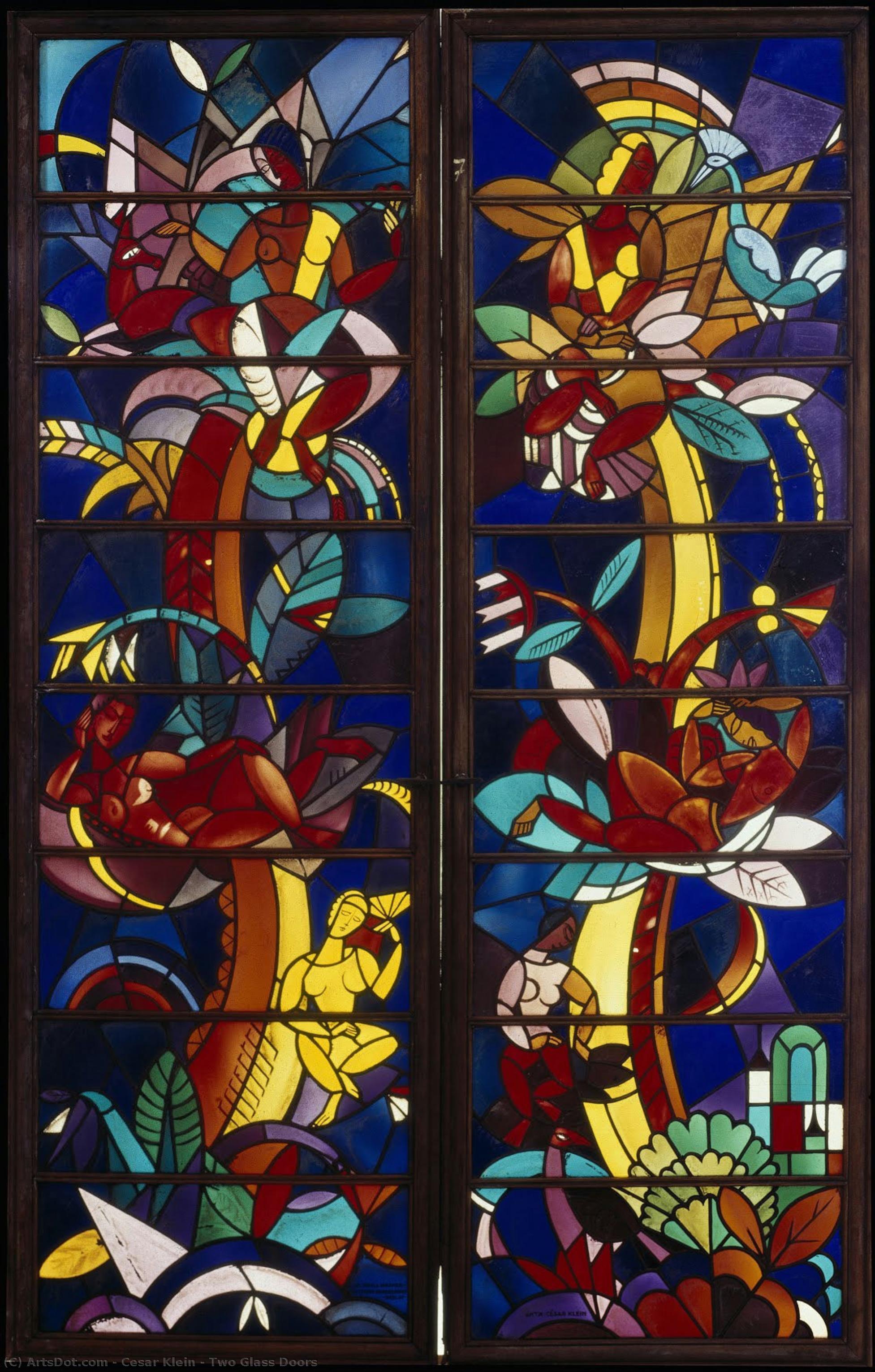
StatsTwo Glass Doors

 詳細を見る
詳細を見る
オンラインプレビューをはるかに凌ぐ、高解像度で鮮明なデジタル画像をご購入いただけます。
各ファイルは、社内の専門家が高度なツールと熟練した手作業によるレタッチを用いて、細心の注意を払って準備されています。すべての画像において、卓越した鮮明度、正確な色彩再現性、そして繊細なディテールを保証いたします。
最終ファイルは、プロフェッショナルな編集・印刷環境ですぐにご利用いただけるよう最適化された状態で、72時間以内にメールにてお届けいたします。これは、一流のデザインスタジオ、出版社、ギャラリーから信頼されているものと同等の品質です。
デジタルアート
個人での鑑賞、印刷、クリエイティブなプロジェクト用に、高解像度ファイルをダウンロードできます。 ( Switch to Print 手描きの絵画を購入)
デジタル画像のご注文に付随する特典
高品質なデジタル画像配信を、確かな品質で。
ArtsDot.com を選ぶことは、単に画像を手に入れることではありません。それは、プロの手によって精密に仕上げられ、満足保証が付いた高品質なデジタルアートワークを受け取ることを意味します。ご注文いただいた際に自動的に付随する内容は、以下の通りです:

メールですぐにお届け
ご注文から72時間以内に、高解像度のデジタル画像ファイルがメールでお手元に届きます。すぐにそのままご利用いただけます。

AI技術で最適化されたデジタルファイル
お客様の作品は、高度なAIツールと専門家による手作業の編集を組み合わせてプロフェッショナルに最適化されており、細部のディテール、鮮明さ、そして正確な色再現性を最大限に引き出しています。

一生涯無料の再送サービス
ファイルを誤って削除したり、紛失してしまったりしましたか?ご安心ください。いつでも無料で再送いたします。

輸入手数料は一切かかりません
関税や手数料、配送料を気にすることなく、お気に入りのアートワークをすぐにお楽しみいただけます。デジタルダウンロードは常に免税です。

色彩再現の保証
プロ仕様のツールとカラーマネジメント技術を用いることで、デジタル画像が元の色を最大限に忠実に再現することを保証いたします。

100日間満足保証
ご購入いただいたデジタル画像にご満足いただけない場合は、100日以内であれば、理由を問わず修正または100%の返金対応をさせていただきます。

100% 返金保証
ご満足いただけない場合は、デジタルファイルを受け取ってから100日以内であれば、理由を問わず全額返金いたします。

まとめ買い割引
3枚購入で10%OFF - 5枚購入で15%OFF - 10枚以上購入で20%OFF。クリエイティブなプロジェクト、ギャラリー、エージェンシーに最適です。
関連作品








作家の略歴
The Soul of the Avant-Garde: The Life and Legacy of César Klein
In the turbulent landscape of early twentieth-century Europe, few artists captured the fractured psyche of a changing world as profoundly as César Klein. Born in Hamburg in 1876, Klein’s artistic identity was forged through a unique marriage of rigorous craftsmanship and radical experimentation. His journey began not in the lofty halls of academia, but through a practical apprenticeship under a master painter—a formative experience that instilled in him a lifelong reverence for the physical properties of his medium. This foundational discipline would later serve as the bedrock upon which he built his complex, emotionally charged visions, allowing him to navigate the transition from the delicate light of Impressionism to the visceral, jagged edges of German Expressionism.
Klein’s academic path was as prestigious as it was diverse, leading him through the Hamburg School of Applied Arts and the renowned Düsseldorf Art Academy, eventually reaching the Royal Museum of Applied Arts in Berlin. These institutions provided him with a formidable technical toolkit, yet Klein possessed an irrepressible urge to transcend mere representation. He sought a language capable of articulating the anxieties, traumas, and spiritual yearnings of a generation caught between the old world and the industrial dawn. This pursuit led him to become a central figure in the most influential movements of his era, most notably as a co-founder of the Neue Sezession and the November Group. His refusal to conform to the traditionalist standards of the Berlin Secession marked him as a true rebel, an artist who viewed the rejection of established norms not as an end, but as a necessary beginning for a new era of creative freedom.
A Synthesis of Form, Light, and Space
What truly distinguishes Klein’s oeuvre is his extraordinary ability to synthesize disparate artistic disciplines into a singular, cohesive vision. He did not merely paint on canvas; he sculpted with light and color across a vast array of surfaces. His mastery extended far beyond the easel, encompassing the intricate textures of lithographs and woodcuts, the luminous transparency of stained glass, and the grand scale of architectural murals. In his graphic works, one finds a meticulous precision that belies the raw emotional power of his subjects, while his work in glass and mosaic demonstrates an unparalleled understanding of how light can transform a physical space into an atmospheric sanctuary.
This versatility was perhaps most brilliantly realized in his decorative commissions, where he blurred the lines between fine art and functional design. A breathtaking example is found in his 1919 creation of two magnificent glass doors for the Berlin apartment of art dealer Wolfgang Gurlitt. In this work, Klein utilized stylized female figures, flora, and fauna to create an enchanted hall of mirrors, using the ingenious interplay of electrical light and colored glass to evoke a sense of Art Déco luxury and psychological depth. His ability to integrate art into the very fabric of architecture—whether through the decoration of the Marmorhaus cinema or his later contributions to theater and film design—showcases an artist who believed that beauty and meaning should be woven into the everyday environment.
Shadows of History and the Expressionist Spirit
The trajectory of Klein’s career was inextricably linked to the political upheavals of his time. His association with avant-garde thinkers like Walter Gropius and his presence within the orbit of the Bauhaus reflected a shared belief in the societal purpose of art. However, the rise of the Nazi regime brought a dark chapter to his life; his work, characterized by its emotive intensity and departure from classical ideals, was targeted and included in the infamous Degenerate Art exhibition of 1937. This period of suppression could have silenced many, yet Klein’s spirit remained resilient. Following the devastation of World War II, he found the strength to resume his vital work in theatrical design, proving that the impulse toward creative expression is an indomitable force.
Ultimately, César Klein remains a pivotal figure whose significance lies in his role as a bridge between eras. He bridged the gap between the craftsmanship of the nineteenth century and the abstraction of the twentieth; between the private emotion of the painter and the public utility of the designer. His legacy is found not only in museums like MoMA but in the very way we perceive the intersection of art, light, and life. Through his hands, the anxieties of a fractured age were transformed into enduring monuments of color and form, ensuring that the profound depth of the Expressionist soul would never be forgotten.
cesar klein
1876 - 1954 , Germany
プロフィール概要
- Artistic Movement Or Style: Expressionism
- Date Of Birth: Hamburg, Germany (1876)
- Date Of Death: 1954
- Full Name: cesar klein
- Nationality: German
- Notable Artworks: ['Two Glass Doors']
- Place Of Birth: Hamburg