 プレビュー
プレビュー
 プリントを購入
 シェアする
シェアする シェアする
シェアする
 詳細を見る
詳細を見る

 ダウンロード
 似ている作品
 X線調査
X線調査 スライドショー
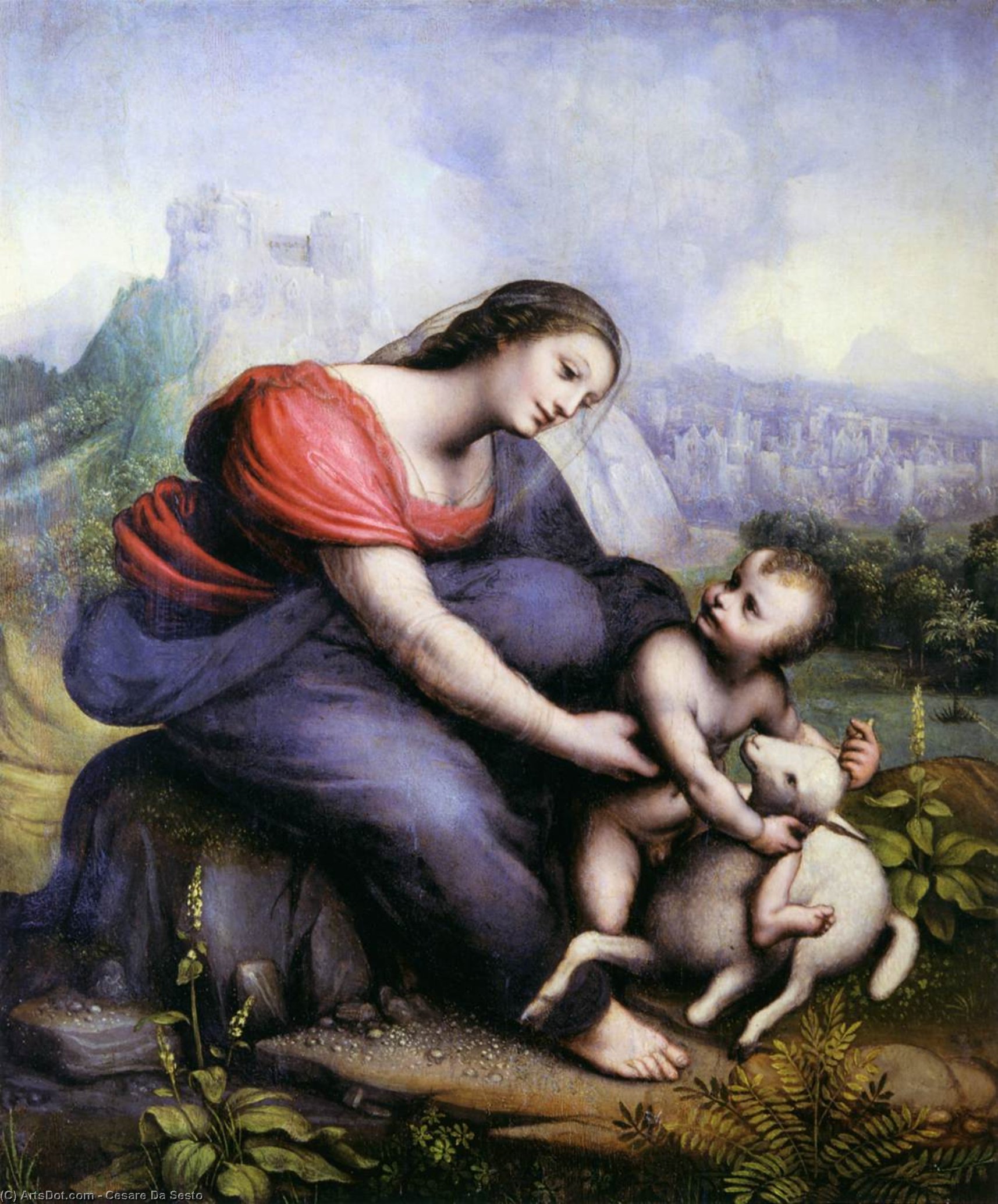
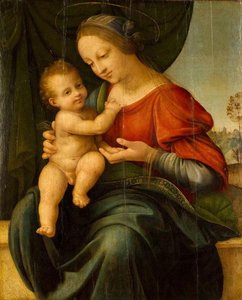
Madonna and Child with the Lamb of God
 Oil
Oil- WallArt
- Renaissance
 1515
1515- Renaissance
 37.0 x 30.0 cm
 Museo Poldi Pezzoli
 詳細を見る
詳細を見る




P118B $10

P118H $10

P118W $10

P438Z $10

P508JH $12

P508YH $12

P805H $10

P805Z $10

P919BZ $10

P919G $10

P919XJ $10

P959ZH $10

P968JZ $12

W106C $8

W218G $10

W218JH $8

W218Y $10

W307PJ $10

W316G $10

W316PJ $8

W316Y $10

W398PJ $8

W4111J $10

W500HY $15

W500JH $15

W692G $12

W849H $8

W940BG $15

W953PJ $8




作品のオリジナル比率に合わせた、当店の規定サイズからお選びください。

特定のフレームやスペースに合わせて、ご希望のサイズをご入力いただけます。選択されたサイズが元の画像の比率と異なる場合、アートワークをトリミングするか、手描きで要素を追加して絵画を拡張いたします。デジタルモックアップ を制作し、制作開始前にご確認(承認)をいただきます。
画面上のプレビューは、実際のトリミングや拡張を正確に反映しているものではありません。最終的な構図は、モックアップによってのみ正確にご確認いただけます。
カスタムサイズもご利用いただけますが、元の比率を維持するためには、あらかじめ用意されたリストからサイズを選択することをお勧めいたします。
ご注文後、ArtsDot.com チームより詳細な指示をお送りするとともに、仕上がりイメージ(モックアップ)をご提供いたします。


 ガラスオプションは、110cm未満のサイズでのみご利用いただけます。

Madonna and Child with the Lamb of God
複製技法
複製画のサイズ
-


合計金額
$ 263
A Tender Encounter in the Lombard Renaissance
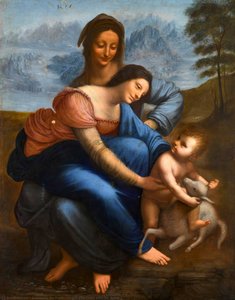
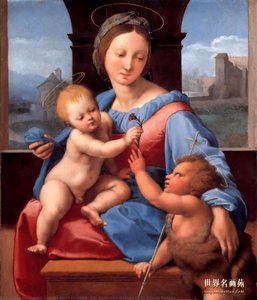
In the quiet intimacy of Madonna and Child with the Lamb of God, we are invited into a sacred moment that transcends the boundaries of time. Painted around 1515 by the masterful Cesare da Sesto, this work serves as a profound testament to the grace of the High Renaissance. The composition centers on the Virgin Mary, whose presence radiates both maternal warmth and divine serenity. Clad in a striking red dress that commands the viewer's attention, she cradles the infant Jesus with a tenderness that feels deeply human yet undeniably celestial. This is not merely a religious icon; it is a window into a moment of profound connection, where the weight of destiny meets the softness of a mother's embrace.
The painting breathes with the influence of Leonardo da Vinci, whose stylistic fingerprints are visible in the subtle sfumato—the delicate, smoky transitions between light and shadow that soften the contours of the figures. Da Sesto, a key figure in the Milanese school, utilizes this technique to create a sense of atmospheric depth and lifelike volume. The interplay of light across the Virgin's skin and the gentle folds of her garments creates a sculptural quality, making the subjects feel as though they occupy a real, breathable space. This mastery of chiaroscuro ensures that the figures do not merely sit upon the canvas but emerge from it, inviting the observer into their quiet, pastoral world.
Symbolism and the Harmony of Nature
Beyond the central figures, the painting weaves a rich tapestry of symbolic meaning through its inclusion of the natural world. The presence of the sheep—one resting near the bottom left and another positioned to the right—is far from incidental. In Christian iconography, the lamb is a potent symbol of the Agnus Dei, or the Lamb of God, foreshadowing the eventual sacrifice of Christ. This layer of theological depth adds a poignant tension to the scene; while we witness a moment of peaceful nurturing, there is an underlying awareness of the divine mission unfolding. The animals serve as silent witnesses to this sacred mystery, grounding the spiritual narrative in the humble reality of the earth.
For the discerning collector or interior designer, this piece offers more than just historical significance; it provides a focal point of profound emotional resonance. The balance between the vibrant crimson of Mary's attire and the soft, muted tones of the surrounding landscape creates a visual harmony that is both stimulating and calming. Whether placed in a grand gallery setting or as a soulful accent in a curated living space, this reproduction captures the essence of Renaissance humanism—the beautiful intersection of divine grace and the natural beauty of our world. It is an exquisite choice for those who seek to surround themselves with art that speaks of peace, devotion, and the enduring power of love.
アーティストの略歴
The Florentine Master Shaped by Leonardo
Cesare da Sesto (1477–1523) stands as a pivotal figure in the Florentine Renaissance, an artist whose legacy resides primarily within the vibrant artistic milieu of Milan and its surrounding territories. Born in Sesto Calende, Lombardy—a region renowned for its patronage of the arts—Sesto’s formative years coincided with the zenith of Leonardo da Vinci's influence, fostering a stylistic kinship that would permeate his entire oeuvre. As part of the influential Leonardeschi group, artists like Bernardino Luini and Marco d’Oggione similarly absorbed Da Vinci’s innovative approaches to perspective and chiaroscuro, establishing Sesto firmly within this prestigious artistic lineage.
His journey was one of constant movement and profound immersion in the great centers of Italian culture. Evidence suggests he honed his skills under Baldassare Peruzzi in Rome during 1505, immersing himself in the burgeoning humanist spirit of the papal court. This period yielded notable commissions, such as a lunette adorning the Sant’Onofrio Basilica and several paintings executed in Campagnano Romano, demonstrating Sesto's early aptitude for capturing emotive narratives within meticulously crafted compositions. His artistic evolution was marked by an ability to blend the soft, atmospheric sfumato of the Milanese tradition with the structural grandeur found in Roman classicism.
A Legacy of Devotion and Drama
The breadth of Sesto's talent is perhaps most visible in his mastery of both monumental religious narratives and intimate, detailed studies. His work often captures a sense of profound spiritual weight, balanced by a classical beauty that defines the High Renaissance. Notable examples of his skill include:
- Holy Family with St Catherine: A stunning oil painting that serves as a masterpiece of the era, showcasing a perfectly balanced composition and the delicate use of sfumato to create lifelike, tender figures.
- Salomè with head of John the Baptist: A hauntingly beautiful exploration of grief and loss, where rich colors and masterful technique bring a dramatic, classical tragedy to life.
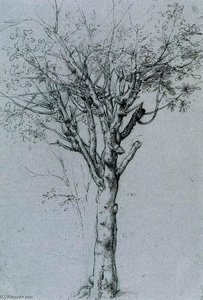
- Study of a Tree: A testament to his dedication to naturalism, this meticulous black and white sketch reveals his ability to capture textural bark rendering and subtle tonal variations through a radial composition.
A significant chapter of his career unfolded in Naples between 1514 and 1515, where Sesto undertook a prolific artistic output that cemented his reputation as a versatile painter. The culmination of this period arrived with the completion of the monumental Adoration of the Magi, an artwork that profoundly impacted subsequent artists operating within Southern Italy—a piece now housed in the Museo Nazionale di Napoli.
Final Years and Historical Significance
Returning to Milan in 1520, Sesto embarked on yet another ambitious undertaking: the fresco cycle for San Rocco Church, a collaborative effort with Bernardino Bernazzano. Although much of his original work from certain projects has sadly vanished over the centuries, his impact on the development of the Lombard school remains undeniable. He successfully bridged the gap between the experimental innovations of Leonardo and the more structured, classical demands of the later Renaissance.
Today, Cesare da Sesto is remembered not merely as a follower of Da Vinci, but as a master in his own right who brought a unique emotional depth to the religious and naturalistic subjects of his time. His ability to navigate the complex demands of papal commissions, large-scale polyptychs, and delicate sketches ensures his place in the pantheon of the great Italian Renaissance masters.
Cesare da Sesto
1477 - 1523 , Italy
基本情報
- Artistic Movement Or Style: Leonardoesque
- Artists Or Movements Influenced By This Artist: ['Bernardino Luini']
- Artists Who Influenced This Artist: ['Leonardo da Vinci']
- Date Of Birth: 1477
- Full Name: Cesare da Sesto
- Nationality: Italian
- Notable Artworks:
- Salomè
- Holy Family with St Catherine
- Study of a Tree
- Place Of Birth: Sesto Calende, Italy
関連記事

Crimson Threads of Narrative: Exploring Symbolism & Representation in Artworks Featuring the Red Dress
Explore the rich symbolism of the red dress in art history! From ancient power displays to iconic portraits like Cézanne’s 'Madame Cezanne', discover the cultural and artistic significance behind this captivating color. Expert analysis & insights.
ラファエロ傑作25選:ルネサンス巨匠の物語と芸術の世界 | ArtsDot
ラファエロの傑作25選🎨 ルネサンス巨匠の物語と芸術の世界を紐解きます。美しい絵画複製や壁掛けアートで、お部屋に名画の彩りを。ArtsDot.comで、美術史に残る作品群をご覧ください✨
Henry Lamb: Reassessing Modern British Primitivism & the Poetics of Discomfort
Explore the compelling work of Henry Lamb, a key figure in British Primitivism. Discover his unsettling portraits, poignant war art & unique artistic vision. A deep dive into his life and legacy.
マーク・ロスコ傑作25選:色彩が織りなす深遠な世界|ArtsDot
マーク・ロスコの傑作25選。抽象表現主義を代表する巨匠、色彩が織りなす深遠な世界を探求します。絵画の背景や技法、感動的なストーリーを紐解き、ArtsDotで高品質なアートプリントをお楽しみください。リビングやオフィスにモダンアートを飾るなら!

ウフィツィ美術館の至宝25選:ルネサンス巨匠たちの傑作とアートデコレーション
ウフィツィ美術館の至宝25選:ボッティチェリ、レオナルド・ダ・ヴィンチ…ルネサンス巨匠たちの傑作と感動的な物語を紐解きます。高品質な絵画複製やアートプリントで、お部屋に名画の輝きを。ArtsDot.comで芸術の世界へ。