

 プレビュー
プレビュー
 シェアする
シェアする シェアする
シェアする
 詳細を見る
詳細を見る

 ダウンロード
 似ている作品
 X線調査
X線調査 スライドショー
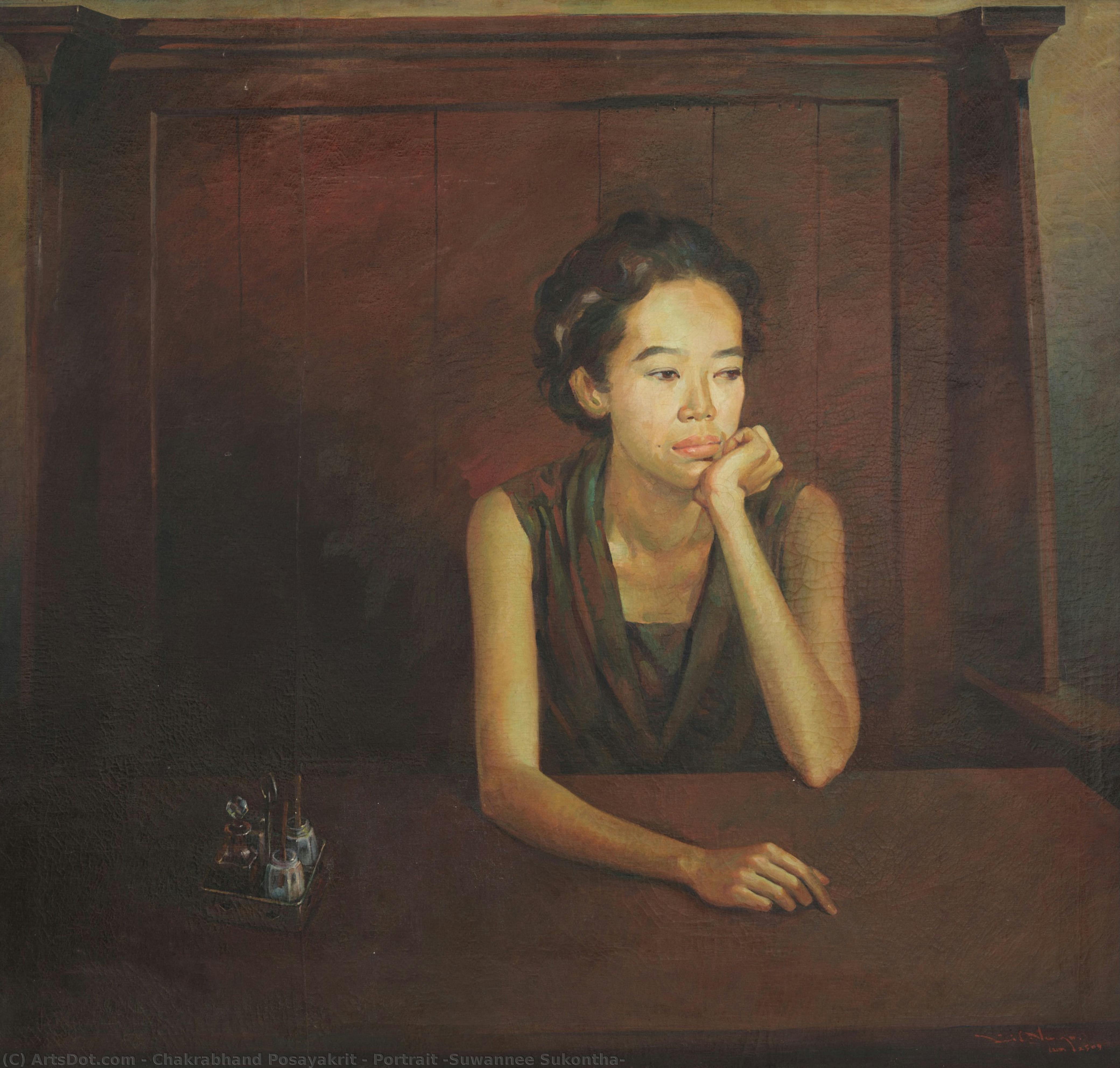
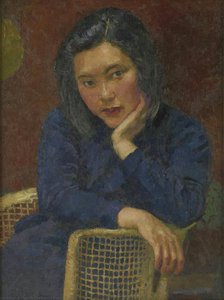
Portrait (Suwannee Sukontha)


 詳細を見る
詳細を見る
ジークレー/アートプリント
迅速な制作と多彩な仕上げオプションを備えた、ミュージアムクオリティのジークレーまたはキャンバスプリント。 ( 手描きの絵画を購入 画像を購入)




P118B $10

P118H $10

P118W $10

P438Z $10

P508JH $12

P508YH $12

P805H $10

P805Z $10

P919BZ $10

P919G $10

P919XJ $10

P959ZH $10

P968JZ $12

W106C $8

W218G $10

W218JH $8

W218Y $10

W307PJ $10

W316G $10

W316PJ $8

W316Y $10

W398PJ $8

W4111J $10

W500HY $15

W500JH $15

W692G $12

W849H $8

W940BG $15

W953PJ $8




作品のオリジナル比率に合わせた、当店の規定サイズからお選びください。

特定のフレームやスペースに合わせて、ご自身でサイズを指定することも可能です。選択されたサイズが元の画像の比率と一致しない場合、作品をトリミングするか、鏡面反射または単色での塗りつぶしによって画像を拡張いたします。制作を開始する前に、ご確認用のデジタルモックアップをお送りいたします。
画面上のプレビューには、実際のトリミングや拡張は反映されませんのでご注意ください。最終的な構図を正確に確認できるのは、モックアップのみとなります。
カスタムサイズも承っておりますが、元の比率を維持するためには、あらかじめ用意されたリストからサイズを選択することをお勧めいたします。


 ガラスオプションは、110cm未満のサイズでのみご利用いただけます。

Portrait (Suwannee Sukontha)
ジークレー/アートプリント
複製画のサイズ
-


合計金額
$ 62
作品詳細説明
A Portrait Steeped in Tradition: Chakraphand Posayakrit's "Portrait (Suwannee Sukontha)"
Chakraphand Posayakrit’s “Portrait (Suwannee Sukontha),” a striking work from the 1967 National Exhibition of Art, offers a captivating glimpse into Thai artistic sensibilities and the enduring legacy of traditional craftsmanship. Executed during a pivotal moment in Thailand's art history – a period marked by both conservative nationalistic tendencies and burgeoning modernism – this painting transcends a simple likeness; it’s a meditation on contemplation, heritage, and the quiet dignity of the subject.
- Historical Context: The 17th National Exhibition of Art was a cornerstone of Thailand's artistic development, providing a crucial platform for emerging talents. Award-winning works were strategically acquired by Silpakorn University, fueling institutional growth and promoting national art forms.
- The National Artist’s Influence: Chakraphand Posayakrit, recognized as a National Artist in Visual Arts (Fine Art) and one of Thailand's 52 master craftsmen, profoundly shaped the exhibition. His earlier work, particularly his expertise in portraiture, served as an inspiration for subsequent generations of artists.
- ‘Lilit Lateng Phai’ Legacy: The painting’s subject, Suwannee Sukontha, is linked to the intricate and revered ‘Lilit Lateng Phai’ puppet show – a cornerstone of Thai storytelling tradition. This connection imbues the portrait with layers of cultural significance, referencing a rich narrative heritage.
The composition itself is remarkably restrained yet deeply evocative. Suwannee Sukontha sits pensively on a wooden bench, her hands clasped before her face – a gesture that immediately invites the viewer to share in her private thoughts. The muted palette, dominated by earthy tones and subtle gradations of color, contributes to the painting’s contemplative mood. The inclusion of two bottles adds an element of domesticity and perhaps symbolizes refreshment or reflection.
Artistic Style and Technique
Posayakrit's style is characterized by a meticulous attention to detail and a masterful command of traditional Thai painting techniques. The brushwork is smooth and controlled, creating a sense of serenity and grace. The artist’s use of light and shadow subtly models the subject’s features, lending her an almost ethereal quality. The portrait exemplifies a blend of realism and stylized representation – a hallmark of many prominent Thai artists of the period.
Symbolism and Emotional Impact
Beyond its technical merits, “Portrait (Suwannee Sukontha)” resonates with profound symbolic meaning. The act of contemplation itself is central to the painting’s emotional impact. The subject's posture suggests a moment of introspection, inviting viewers to consider their own thoughts and feelings. The connection to ‘Lilit Lateng Phai’ adds another layer of interpretation – perhaps suggesting themes of fate, destiny, or the human condition within the context of ancient Thai folklore.
A Timeless Masterpiece: Reproduction Opportunities
ArtsDot.com is proud to offer meticulously crafted hand-painted reproductions of Chakraphand Posayakrit’s “Portrait (Suwannee Sukontha).” Each reproduction captures the essence of the original artwork, utilizing archival quality materials and employing skilled artisans who faithfully recreate Posayakrit's distinctive style. This piece would be a stunning addition to any art collection or interior design scheme, bringing a touch of Thai artistic heritage into your space. Consider this portrait not just as a painting, but as a window into a rich cultural tradition.
関連作品






アーティストの略歴
David Hammons: A Sculptor of Urban Echoes
David Hammons, born in Springfield, Illinois on July 24, 1943, is an American artist whose work has profoundly shaped the landscape of contemporary art since the late 1960s. His career, marked by a deliberate resistance to conventional exhibition practices and a deep engagement with themes of race, identity, and the urban experience, continues to challenge viewers and provoke critical reflection. Hammons’s artistic journey began not within formal academic settings, but through a series of encounters—with Charles White at Otis Art Institute in Los Angeles, and later, with fellow artists like Senga Nengudi and others forming the influential Studio Z collective – experiences that fundamentally informed his approach to sculpture and performance. These early connections fostered a spirit of experimentation and social consciousness that would become central to his artistic vision.Early Influences and the Los Angeles Rebellion
Hammons’s formative years in Los Angeles were pivotal, exposing him to a vibrant community of artists pushing boundaries and challenging established norms. The “Los Angeles Rebellion,” a collective of Black artists working during the 1960s and early 70s, provided a crucial space for experimentation and mutual support. This group, including figures like Charles White, Bruce Nauman, and John Baldessari, explored themes of race, identity, and social critique through diverse media—painting, sculpture, performance, and photography. Hammons’s time with Studio Z was particularly significant; it allowed him to develop his signature style – a potent blend of found objects, body prints, and sculptural installations that interrogated the complexities of American society. The influence of artists like Charles White is evident in Hammons's early work, particularly his use of direct drawing techniques and his focus on portraying the human figure with remarkable detail and emotional resonance.The Language of Symbols: Body Prints and Urban Detritus
Hammons’s artistic practice quickly evolved beyond mere representation, embracing a highly symbolic language rooted in everyday objects and experiences. His “Body Prints,” created by transferring his own image onto paper through the application of grease and pigment, became an iconic motif—a haunting exploration of identity, vulnerability, and the act of self-representation. These prints, often imbued with a sense of ghostly presence, served as a starting point for subsequent sculptural explorations. Simultaneously, Hammons began to collect discarded objects from urban environments – bottle caps, chicken bones, liquor bottles – transforming these seemingly mundane materials into powerful symbols of social inequality, racial tension, and the forgotten corners of American life. Works like *Bliz-aard Ball Sale* (1983) and *How Ya Like Me Now?* (1988), utilizing snowballs and a billboard image respectively, directly addressed issues of race and consumerism within the context of urban America.Performance and Institutional Critique
Throughout his career, Hammons has consistently employed performance art as a means of engaging with audiences and challenging traditional notions of artistic practice. His performances often take place in public spaces—streets, parks, and galleries—blurring the boundaries between art and life. Works like *Higher Goals* (1983), consisting of towering basketball hoops adorned with bottle caps, critique the American dream while simultaneously referencing the historical significance of sports as a symbol of racial achievement. Hammons’s deliberate refusal to participate in traditional gallery exhibitions is itself a statement—a rejection of the art world's established hierarchies and a commitment to bringing his work directly into the public sphere. This approach underscores his critical stance towards institutional critique, questioning the role of museums and galleries in shaping our understanding of art and culture.Legacy and Continuing Relevance
David Hammons’s impact on contemporary art is undeniable. His innovative use of materials, his engagement with social issues, and his willingness to challenge conventional artistic practices have cemented his place as one of the most important artists of our time. His work continues to resonate deeply with audiences today, prompting reflection on themes of race, identity, and the complexities of urban life. Hammons’s legacy extends beyond individual artworks; it lies in his persistent questioning of art's role in society and his unwavering commitment to creating a body of work that is both visually arresting and intellectually stimulating. His ongoing practice demonstrates an artist who remains deeply engaged with the world around him, using his art as a tool for social commentary and personal exploration.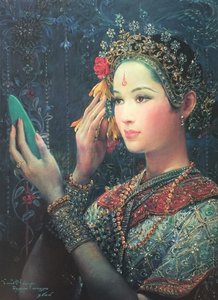
chakrabhand posayakrit
1943 - , Thailand
基本情報
- Artistic Movement Or Style: Conceptual art, found object sculpture
- Artists Who Influenced This Artist: ['Charles White, Bruce Nauman, John Baldessari],\n "Artists or movements influenced by this artist": ["Senga Nengudi"]\n}']
- Date Of Birth: July 24, 1943
- Full Name: David Hammons
- Nationality: American
- Notable Artworks:
- Bliz-aard Ball Sale
- How Ya Like Me Now?
- Untitled
- Place Of Birth: Springfield, Illinois, USA
関連記事
ナショナル・ギャラリーの至宝25選:名画とアートデコレーションの世界 | ArtsDot
ロンドン・ナショナル・ギャラリーの至宝25選。モネ、レンブラントの名画から歴史的絵画まで、芸術作品の物語を紐解きます。ArtsDot.comで美術館品質の複製画とインテリアアートを見つけましょう。オンラインコレクションはこちら。
ナショナル・ギャラリーの至宝25選:名画が語る芸術と歴史 | ArtsDot
ワシントン美術館の至宝25選。セザンヌ、マティス、ピカソ…名画に秘められた物語と色彩を紐解きます。ArtsDotで高品質な絵画複製やインテリアアートを見つけ、お部屋に芸術の輝きを。今すぐコレクションをご覧ください!

Akseli Gallen-Kallela: Shaping Finnish Identity Through National Romanticism & Symbolism
Explore the captivating world of Akseli Gallen-Kallela, Finland's iconic National Romantic painter. Discover his symbolic landscapes, Kalevala illustrations & lasting impact on Finnish identity. Expert analysis & high-quality reproductions at ArtsDot.

Jan Matejko: Historical Narrative & National Identity in 19th-Century Polish Painting
Explore the powerful historical paintings of Jan Matejko, Poland's national artist. Discover his iconic works & learn how he shaped Polish identity in the 19th century. High-quality reproductions available.

Stanisław Wyspiański: Symbolism, National Identity & the Polish Secession
Explore the life & work of Stanisław Wyspiański, a pivotal figure in Polish Symbolism and the Young Poland movement. Discover his iconic paintings, dramas, and stained glass designs reflecting national identity & artistic innovation.

