

 プレビュー
プレビュー
 プリントを購入
 シェアする
シェアする シェアする
シェアする
 詳細を見る
詳細を見る

 ダウンロード
 似ている作品
 X線調査
X線調査 スライドショー
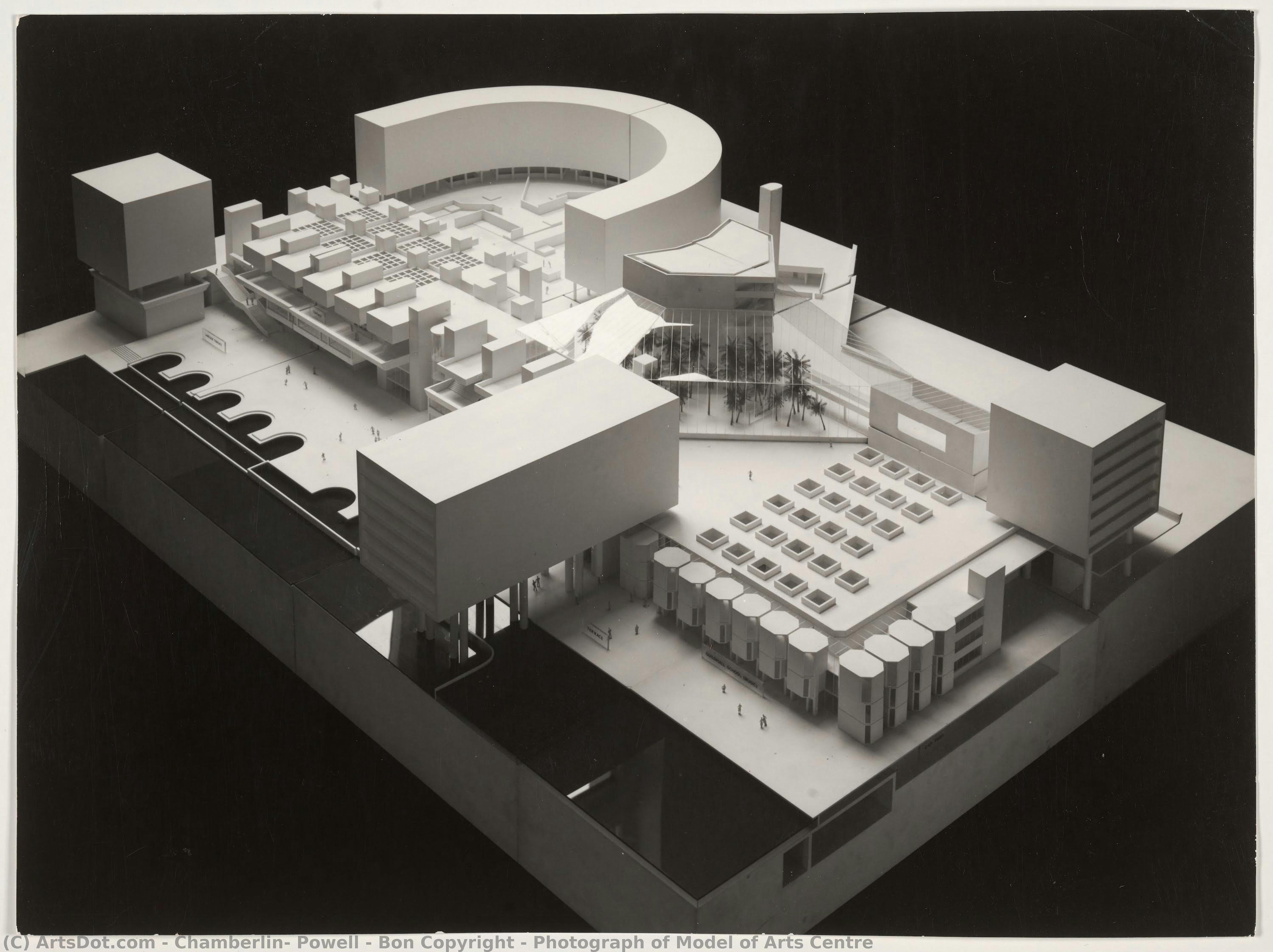
Photograph of Model of Arts Centre

 詳細を見る
詳細を見る
オンラインプレビューをはるかに凌ぐ、高解像度で鮮明なデジタル画像をご購入いただけます。
各ファイルは、社内の専門家が高度なツールと熟練した手作業によるレタッチを用いて、細心の注意を払って準備されています。すべての画像において、卓越した鮮明度、正確な色彩再現性、そして繊細なディテールを保証いたします。
最終ファイルは、プロフェッショナルな編集・印刷環境ですぐにご利用いただけるよう最適化された状態で、72時間以内にメールにてお届けいたします。これは、一流のデザインスタジオ、出版社、ギャラリーから信頼されているものと同等の品質です。
デジタル画像のご注文に付随する特典
高品質なデジタル画像配信を、確かな品質で。
ArtsDot.com を選ぶことは、単に画像を手に入れることではありません。それは、プロの手によって精密に仕上げられ、満足保証が付いた高品質なデジタルアートワークを受け取ることを意味します。ご注文いただいた際に自動的に付随する内容は、以下の通りです:

メールですぐにお届け
ご注文から72時間以内に、高解像度のデジタル画像ファイルがメールでお手元に届きます。すぐにそのままご利用いただけます。

AI技術で最適化されたデジタルファイル
お客様の作品は、高度なAIツールと専門家による手作業の編集を組み合わせてプロフェッショナルに最適化されており、細部のディテール、鮮明さ、そして正確な色再現性を最大限に引き出しています。

一生涯無料の再送サービス
ファイルを誤って削除したり、紛失してしまったりしましたか?ご安心ください。いつでも無料で再送いたします。

輸入手数料は一切かかりません
関税や手数料、配送料を気にすることなく、お気に入りのアートワークをすぐにお楽しみいただけます。デジタルダウンロードは常に免税です。

色彩再現の保証
プロ仕様のツールとカラーマネジメント技術を用いることで、デジタル画像が元の色を最大限に忠実に再現することを保証いたします。

60日間満足保証
ご購入いただいたデジタル画像にご満足いただけない場合は、60日以内であれば、修正または100%の返金(理由を問う必要はありません)をさせていただきます。

100% 返金保証
ご満足いただけない場合は、デジタルファイルを受け取ってから60日以内であれば、理由を問わず全額返金いたします。

まとめ買い割引
3枚購入で10%OFF - 5枚購入で15%OFF - 10枚以上購入で20%OFF。クリエイティブなプロジェクト、ギャラリー、エージェンシーに最適です。
関連作品








作家の略歴
The Visionaries of Brutalist Utopias: Chamberlin, Powell & Bon
Chamberlin, Powell and Bon were a British architectural firm whose impact on the post-war landscape—particularly in London—remains profoundly visible today. Founded in 1952 by Geoffry Powell, Peter “Joe” Chamberlin, and Christoph Bon, their story is one of ambitious ideals, collaborative spirit, and ultimately, a complex legacy shaped by both acclaim and controversy. The firm emerged from the rubble of World War II with a determination to rebuild not just structures, but communities, embracing modernist principles and a belief in the power of architecture to improve lives.
The genesis of Chamberlin, Powell & Bon is inextricably linked to the 1951 competition for the Golden Lane Estate. Geoffry Powell’s winning design served as the catalyst for their partnership; an agreement forged at Kingston School of Art stipulated that should any of the three lecturers secure victory, they would unite to realize the project. This initial commission proved pivotal, establishing a foundation built on shared vision and a commitment to innovative housing solutions. Golden Lane, with its carefully planned landscape balancing formal geometry and picturesque elements, became known as their “apprentice piece,” demonstrating an early mastery of integrating architecture with urban life.
From Golden Lane to the Barbican: A Defining Project
The success of Golden Lane propelled Chamberlin, Powell & Bon into the spotlight, culminating in their most celebrated—and debated—achievement: the Barbican Estate. Commissioned by the Corporation of the City of London, this sprawling complex represented a monumental undertaking – a complete reimagining of a 14-hectare swathe of bomb-damaged land. The scale was unprecedented, encompassing over 2000 flats, cultural venues, and public spaces. Their design embraced Brutalist aesthetics—raw concrete, modular forms, and an emphasis on functionality—reflecting the prevailing architectural trends of the era.
The Barbican wasn’t merely a housing project; it was intended as a self-contained community, a ‘city within a city.’ The architects envisioned a vibrant social ecosystem, fostering interaction through communal gardens, elevated walkways, and dedicated arts facilities. However, this utopian vision faced immediate criticism. Its imposing concrete structures were often perceived as cold and alienating, clashing with the historic fabric of London. Initial public reception was lukewarm, and the estate became synonymous with architectural controversy.
Influences and a Collaborative Ethos
The firm’s design philosophy drew heavily from the work of Le Corbusier, whose modernist principles—particularly his emphasis on functionalism and urban planning—were deeply influential. However, Chamberlin, Powell & Bon weren't simply imitators. They sought to adapt these ideas to the specific context of post-war Britain, prioritizing community needs and a sense of human scale within their large-scale projects.
Central to their success was a collaborative ethos. Each partner brought unique strengths to the table: Chamberlin served as the public face of the practice, adept at articulating their vision; Powell possessed a forward-thinking approach to design; and Bon contributed a refined aesthetic sensibility honed through his European experiences. This synergy allowed them to navigate complex challenges and deliver ambitious projects.
Later Works and Lasting Significance
Beyond Golden Lane and the Barbican, Chamberlin, Powell & Bon left their mark on several other significant buildings, including the Bousfield School in Kensington and New Hall, Cambridge (both now listed). They also undertook a comprehensive reconstruction of the campus at Leeds University, implementing a progressive masterplan that seamlessly integrated the university with the city center. These projects demonstrate a consistent commitment to creating modern urban architecture characterized by power, conviction, and sensitivity to its surroundings.
Despite facing criticism throughout their careers, Chamberlin, Powell & Bon’s work has experienced a remarkable resurgence in recent years. The Barbican, once derided as an architectural failure, is now celebrated as a landmark of Brutalist design and a thriving cultural hub. Their buildings stand as testaments to a bold vision of post-war reconstruction—a vision that continues to inspire debate and shape our understanding of urban life. The firm’s archives, preserved at the Royal Institute of British Architects, offer invaluable insights into their creative process and enduring legacy.
プロフィール概要
- Artistic Movement Or Style: Brutalism
- Artists Who Influenced This Artist: ['Le Corbusier']
- Date Of Death: Living
- Full Name: Chamberlin, Powell & Bon Copyright
- Nationality: British
- Notable Artworks:
- Barbican Estate
- Golden Lane Estate
- Leeds University campus

