

 プレビュー
プレビュー
 シェアする
シェアする シェアする
シェアする
 詳細を見る
詳細を見る

 ダウンロード
 似ている作品
 X線調査
X線調査 スライドショー
 統計情報
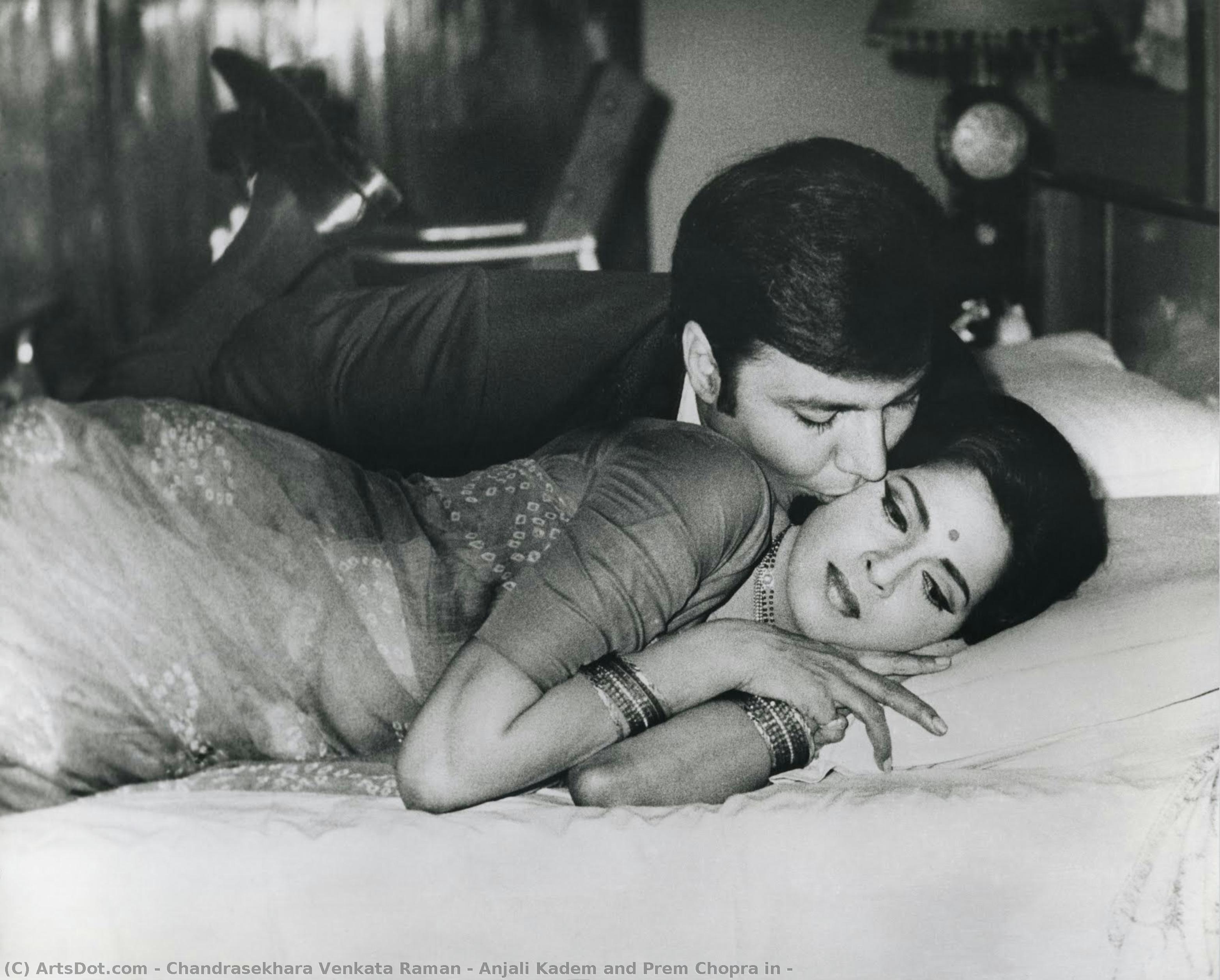
統計情報Anjali Kadem and Prem Chopra in


 詳細を見る
詳細を見る
オンラインプレビューをはるかに凌ぐ、高解像度で鮮明なデジタル画像をご購入いただけます。
各ファイルは、社内の専門家が高度なツールと熟練した手作業によるレタッチを用いて、細心の注意を払って準備されています。すべての画像において、卓越した鮮明度、正確な色彩再現性、そして繊細なディテールを保証いたします。
最終ファイルは、プロフェッショナルな編集・印刷環境ですぐにご利用いただけるよう最適化された状態で、72時間以内にメールにてお届けいたします。これは、一流のデザインスタジオ、出版社、ギャラリーから信頼されているものと同等の品質です。
デジタルアート
個人での鑑賞、印刷、クリエイティブなプロジェクト用に、高解像度ファイルをダウンロードできます。 ( プリント版に切り替え 手描きの絵画を購入)
デジタル画像のご注文に付随する特典
高品質なデジタル画像配信を、確かな品質で。
ArtsDot.com を選ぶことは、単に画像を手に入れることではありません。それは、プロの手によって精密に仕上げられ、満足保証が付いた高品質なデジタルアートワークを受け取ることを意味します。ご注文いただいた際に自動的に付随する内容は、以下の通りです:

メールですぐにお届け
ご注文から72時間以内に、高解像度のデジタル画像ファイルがメールでお手元に届きます。すぐにそのままご利用いただけます。

AI技術で最適化されたデジタルファイル
お客様の作品は、高度なAIツールと専門家による手作業の編集を組み合わせてプロフェッショナルに最適化されており、細部のディテール、鮮明さ、そして正確な色再現性を最大限に引き出しています。

一生涯無料の再送サービス
ファイルを誤って削除したり、紛失してしまったりしましたか?ご安心ください。いつでも無料で再送いたします。

輸入手数料は一切かかりません
関税や手数料、配送料を気にすることなく、お気に入りのアートワークをすぐにお楽しみいただけます。デジタルダウンロードは常に免税です。

色彩再現の保証
プロ仕様のツールとカラーマネジメント技術を用いることで、デジタル画像が元の色を最大限に忠実に再現することを保証いたします。

100日間満足保証
ご購入いただいたデジタル画像にご満足いただけない場合は、100日以内であれば、理由を問わず修正または100%の返金対応をさせていただきます。

100% 返金保証
ご満足いただけない場合は、デジタルファイルを受け取ってから100日以内であれば、理由を問わず全額返金いたします。

まとめ買い割引
3枚購入で10%OFF - 5枚購入で15%OFF - 10枚以上購入で20%OFF。クリエイティブなプロジェクト、ギャラリー、エージェンシーに最適です。
関連作品









作家の略歴
Chandrasekhara Venkata Raman: Illuminating the Invisible
Chandrasekhara Venkata Raman, more commonly known as C.V. Raman, wasn’t merely a physicist; he was an architect of light itself. Born in 1888 in Trichinopoly (now Tiruchirappalli), India, into a family steeped in intellectual tradition – his father a respected mathematics and physics professor – Raman’s journey to scientific renown began with an early aptitude for learning that defied conventional timelines. He completed his secondary education at just eleven years old and swiftly progressed through Presidency College, Madras, earning degrees in English and Physics before the age of eighteen. This accelerated trajectory hinted at the brilliance that lay ahead, a mind relentlessly pursuing understanding within the intricate dance of the physical world. His early life wasn’t defined by privilege but by an unwavering commitment to knowledge, a foundation meticulously laid by his father's influence and his own innate curiosity.The Discovery That Reshaped Optics
Raman’s most celebrated achievement – and the one that secured him the 1930 Nobel Prize in Physics – was the discovery of the Raman effect. This phenomenon, a subtle yet profound shift in the wavelength of light as it interacts with matter, fundamentally altered our understanding of how light behaves. Initially working as a civil servant, Raman continued his research in his spare time, driven by an insatiable desire to unravel the mysteries of scattering light. His meticulous experiments, utilizing a spectrograph he himself designed and built, revealed that when light passed through a transparent substance, it didn’t simply reflect; instead, some of its energy was absorbed and re-emitted at different wavelengths. This “modified scattering,” as he initially termed it, became known as the Raman effect – a testament to his pioneering work. The significance of this discovery extended far beyond academia, laying the groundwork for advancements in fields ranging from spectroscopy to laser technology, impacting countless industries and scientific disciplines. It wasn’t simply an isolated observation; it was a key that unlocked a deeper understanding of molecular structure and material properties.A Life Dedicated to Science and Education
Raman's dedication extended beyond the laboratory. Recognizing the limited opportunities for scientific research in India during his time, he played a pivotal role in establishing institutions dedicated to fostering scientific advancement within his homeland. He founded the Raman Research Institute in Bangalore in 1948, providing a vital hub for researchers and contributing significantly to India’s burgeoning scientific community. Furthermore, he was deeply invested in education, recognizing its crucial role in shaping future generations of scientists. His commitment to knowledge wasn't confined to his own research; he actively promoted scientific literacy and encouraged the pursuit of learning across all sectors of society. This multifaceted approach – combining groundbreaking research with a dedication to nurturing talent – cemented his legacy as not only a brilliant physicist but also a champion for science in India.Influences and Techniques
Raman’s work was deeply rooted in the scientific traditions of his time, yet he possessed an innovative spirit that allowed him to transcend conventional approaches. He drew inspiration from figures like Max Planck, whose quantum theory provided a theoretical framework for understanding light as quantized energy packets. However, Raman's strength lay in his meticulous experimental methodology and his ability to translate complex theories into practical applications. His self-designed spectrograph was a crucial tool, enabling him to precisely measure the shifts in wavelength caused by the Raman effect. He also benefited from collaborations with colleagues like K.S. Krishnan, whose assistance proved invaluable during the critical experiments that led to the discovery. The combination of theoretical understanding and rigorous experimentation defined his approach – a testament to his intellectual versatility.A Lasting Legacy
Chandrasekhara Venkata Raman’s impact on science extends far beyond the Nobel Prize. His work fundamentally reshaped our understanding of light scattering, paving the way for countless technological advancements. The Raman effect remains an indispensable tool in various fields, including chemistry, materials science, and biology. Beyond his scientific contributions, Raman's story serves as a powerful symbol of Indian ingenuity and perseverance. He was the first Asian and non-White person to receive the Nobel Prize in Physics – a remarkable achievement that shattered barriers and inspired generations of scientists worldwide. His legacy continues to illuminate the invisible, reminding us of the profound beauty and complexity hidden within the fabric of our universe. He passed away in 1970, leaving behind a body of work that remains at the forefront of scientific knowledge and a lasting tribute to his extraordinary intellect and dedication.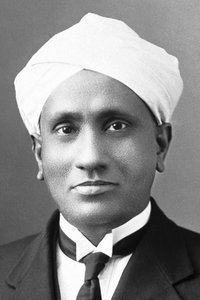
chandrasekhara venkata raman
1888 - 1970 , India
プロフィール概要
- Artistic Movement Or Style: Physics/Optics
- Artists Or Movements Influenced By This Artist: ['Raman Effect']
- Artists Who Influenced This Artist: ['Max Planck']
- Date Of Birth: November 7, 1888
- Date Of Death: November 21, 1970
- Full Name: Chandrasekhara Venkata Raman
- Nationality: Indian
- Place Of Birth: Trichinopoly, India