

 プレビュー
プレビュー
 シェアする
シェアする シェアする
シェアする
 詳細を見る
詳細を見る

 ダウンロード
 似ている作品
 X線調査
X線調査 スライドショー
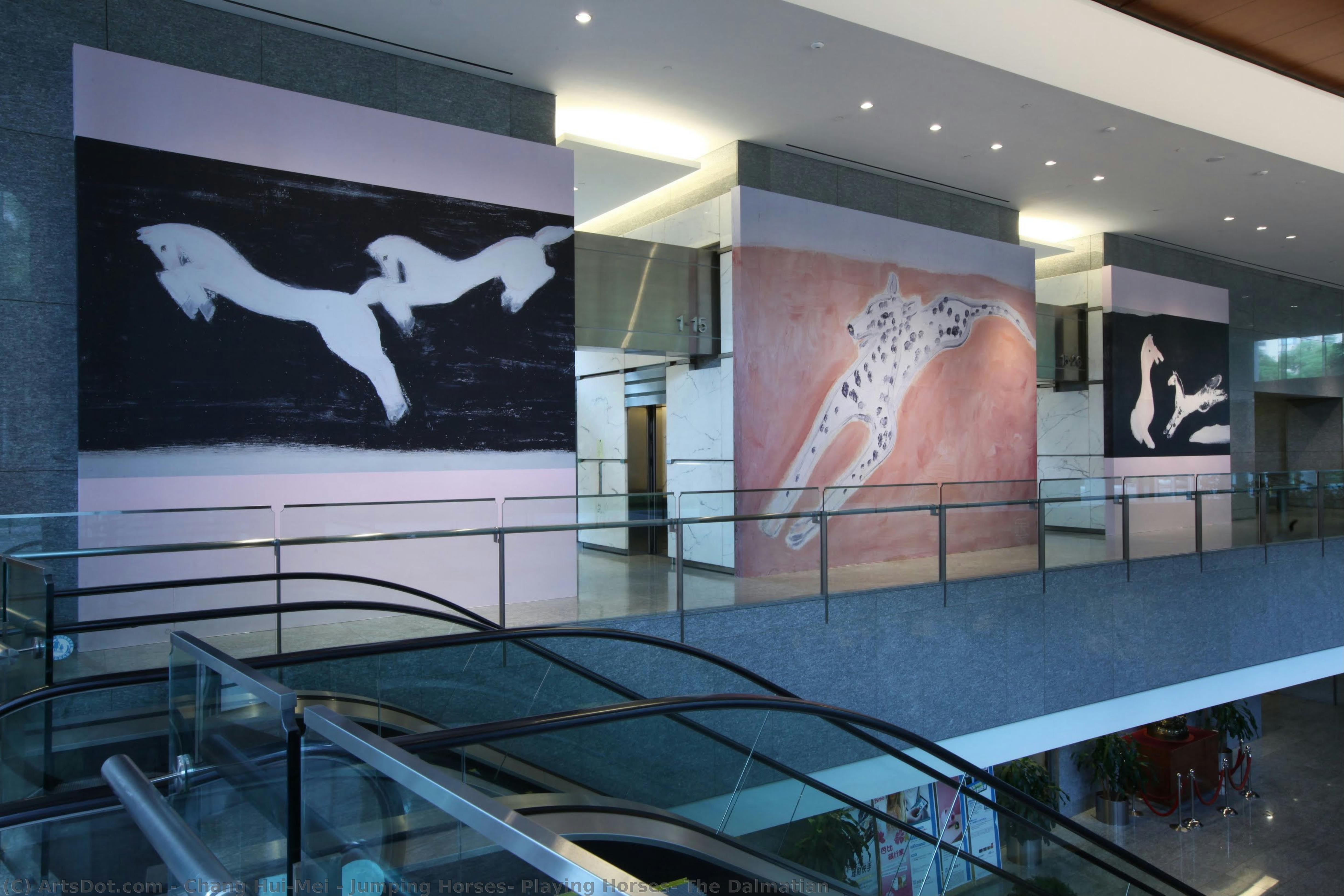
Jumping Horses/ Playing Horses/ The Dalmatian

 詳細を見る
詳細を見る
ジークレー/アートプリント
迅速な制作と多彩な仕上げオプションを備えた、ミュージアムクオリティのジークレーまたはキャンバスプリント。 ( 手描きの絵画を購入 画像を購入)




































作品のオリジナル比率に合わせた、当店の規定サイズからお選びください。

特定のフレームやスペースに合わせて、ご自身でサイズを指定することも可能です。選択されたサイズが元の画像の比率と一致しない場合、作品をトリミングするか、鏡面反射または単色での塗りつぶしによって画像を拡張いたします。制作を開始する前に、ご確認用のデジタルモックアップをお送りいたします。
画面上のプレビューには、実際のトリミングや拡張は反映されませんのでご注意ください。最終的な構図を正確に確認できるのは、モックアップのみとなります。
カスタムサイズも承っておりますが、元の比率を維持するためには、あらかじめ用意されたリストからサイズを選択することをお勧めいたします。


 ガラスオプションは、110cm未満のサイズでのみご利用いただけます。

Jumping Horses/ Playing Horses/ The Dalmatian
ジークレー/アートプリント
複製画のサイズ
-


合計金額
$ 62
作品詳細説明
関連作品
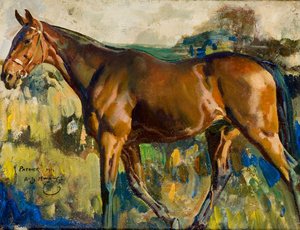
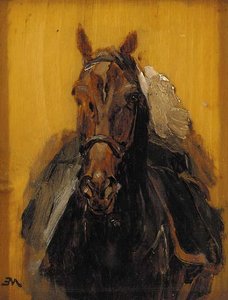

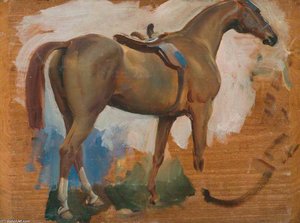
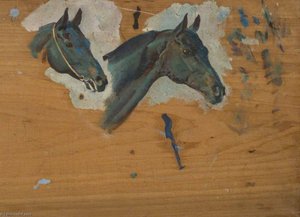
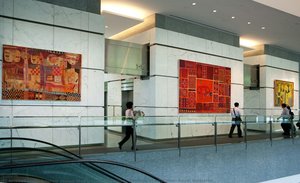
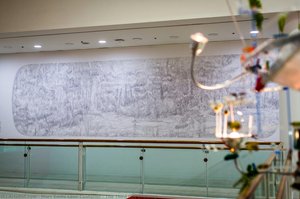
アーティストの略歴
A Voice of Taiwan: The Ascendancy of Chang Hui-mei
Chang Hui-mei, known universally as A-Mei, is more than a singer; she’s a cultural phenomenon woven into the very fabric of Taiwanese identity. Born Kulilay Amit on August 9, 1972, in Beinan Township, Taitung County, Taiwan, her story begins not in the glittering world of pop stardom but amidst the traditions and challenges faced by the Puyuma people, one of Taiwan’s indigenous tribes. This grounding profoundly shapes her artistry, imbuing it with a depth and authenticity rarely encountered in the Mandopop landscape. A-Mei's journey is one of breaking barriers – not just for herself, but for marginalized communities and advocating for social change through the power of music.
Early Life and Musical Awakening
Growing up in a family deeply connected to Puyuma heritage, A-Mei’s early life was steeped in tribal song and storytelling. Her parents, both respected leaders within their community, fostered her natural inclination towards performance. While many Taiwanese aborigines faced systemic discrimination and cultural displacement, the Amit household nurtured a strong sense of identity and pride. This upbringing instilled in A-Mei a deep connection to her roots, which would later become a defining characteristic of her work. Her initial foray into the public eye came through televised singing competitions in 1992, though early setbacks didn’t deter her passion. Encouraged by her father, she persevered and ultimately triumphed in another contest in 1994, marking the true beginning of her professional musical career. Tragically, her father passed away shortly after this victory, a loss that profoundly impacted A-Mei but also fueled her determination to honor his memory through her art.
From Pub Singer to Mandopop Icon
Following her competition win, A-Mei honed her skills performing in Taipei pubs with her cousin’s rock band. This period was crucial in developing her distinctive vocal style and stage presence – a raw energy combined with emotional vulnerability that captivated audiences. Her breakthrough arrived in 1996 with the release of her debut album, Jei Mei*. The single “Sister” quickly ascended the Taiwanese pop charts, launching A-Mei into superstardom. What followed was an unprecedented period of success, marked by a string of hit albums and sold-out concerts. However, A-Mei’s impact extended far beyond commercial achievements. She became a powerful voice for indigenous rights, using her platform to raise awareness about the challenges faced by Taiwan's aboriginal communities.
A Legacy of Advocacy and Artistic Evolution
Throughout her career, A-Mei has consistently challenged societal norms and championed causes close to her heart. Her outspoken support for LGBT rights and gender equality has made her a beloved figure within marginalized communities. She’s not afraid to tackle difficult subjects in her music, often weaving themes of social justice and personal empowerment into her lyrics. Her artistic evolution is equally remarkable. While initially known for powerful ballads, A-Mei has experimented with various genres – incorporating elements of R&B, dance, and even traditional Puyuma melodies into her sound. This willingness to push boundaries and embrace new influences has kept her music fresh and relevant for over two decades.
The “Queen of Mandopop” and Enduring Influence
A-Mei’s remarkable career longevity – having sold over 50 million records – coupled with her unwavering commitment to social justice, have cemented her status as a true icon. She is often referred to as the “Queen of Mandopop,” a title that reflects not only her musical prowess but also her cultural significance. She has been recognized by Forbes magazine for her philanthropic efforts and continues to inspire generations of artists and activists. A-Mei’s story is a testament to the power of music as a catalyst for change, proving that art can be both deeply personal and profoundly political. Her influence extends beyond Taiwan, resonating with audiences throughout the Sinophone world and solidifying her place as a true cultural ambassador.

chang hui-mei
1972 - , Taiwan
基本情報
- Artistic Movement Or Style: Mandopop
- Date Of Birth: August 9, 1972
- Full Name: Chang Hui-mei
- Nationality: Taiwanese
- Notable Artworks:
- Jumping Horses
- Pink Chrysanthemum
- Place Of Birth: Tainan, Taiwan
関連記事
抽象表現主義を定義する十大傑作:芸術と装飾の深遠な旅
抽象表現主義を定義する10の傑作。ポロック、ロスコら巨匠たちの情熱と色彩の世界へ。各作品に込められた物語と技法を紐解き、至高のアート体験を。ArtsDot.comで、ミュージアムクオリティの複製画や洗練されたインテリアアイデアを発見してください。

幾何学的抽象絵画を定義した傑作10選|アート、アーティスト、インテリア装飾
モンドリアン、マレーヴィチ…幾何学的抽象絵画を代表する傑作10選。各作品の背景や色彩構成、アーティストの情熱に迫ります。美術館品質の複製画はArtsDot.comで。オンラインでアートコレクションをご覧ください。

Kandinsky's Masterpieces: 25 Paintings That Define Abstract Art | ArtsDot
Journey through Wassily Kandinsky's 25 most iconic abstract paintings. Explore his revolutionary use of color, form & spiritual expressionism. Find museum-quality Kandinsky reproductions and elevate your home decor with ArtsDot.com. Discover all masterpieces on ArtsDot.com!
The Noble Steed on Canvas: A Historical & Artistic Exploration of Horse Painting Across Cultures
Explore the rich history of horse painting! Discover masterpieces from Stubbs to Munnings & learn about symbolism, techniques & artists. Find museum-quality reproductions at ArtsDot.
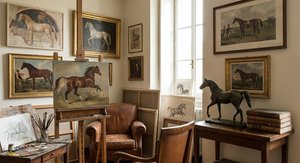
The Equine Muse: A Historical & Artistic Exploration of Horses in Painting
Explore the captivating history of horses in painting! Discover Renaissance masterpieces, Baroque grandeur & expert insights for collecting equestrian art. Learn about symbolism, techniques & lasting value with ArtsDot.

