

 プレビュー
プレビュー
 プリントを購入
 シェアする
シェアする シェアする
シェアする
 詳細を見る
詳細を見る

 ダウンロード
 似ている作品
 X線調査
X線調査 スライドショー
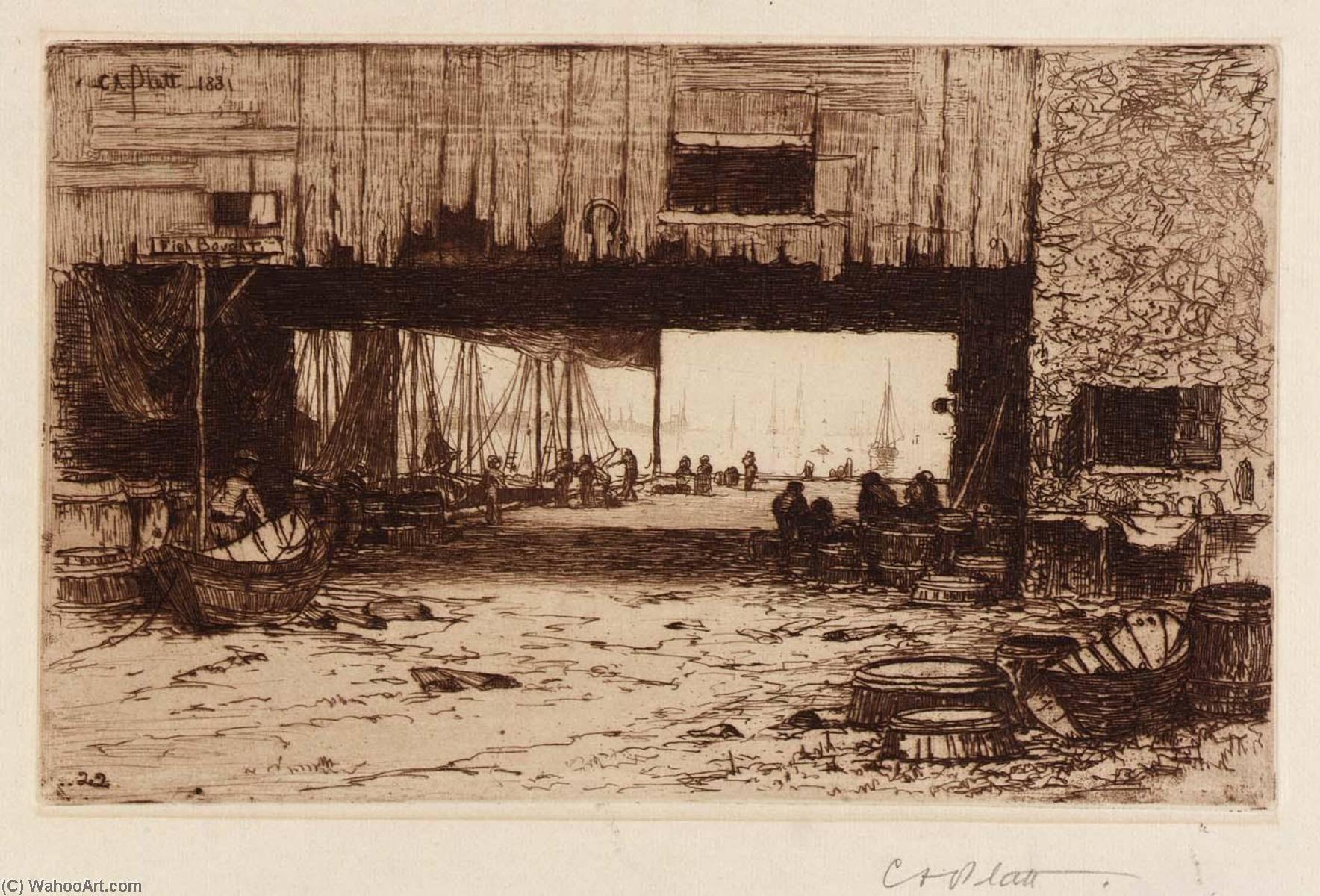
Fish Houses Interior
 1881
1881 13.0 x 20.0 cm
 詳細を見る
詳細を見る
オンラインプレビューをはるかに凌ぐ、高解像度で鮮明なデジタル画像をご購入いただけます。
各ファイルは、社内の専門家が高度なツールと熟練した手作業によるレタッチを用いて、細心の注意を払って準備されています。すべての画像において、卓越した鮮明度、正確な色彩再現性、そして繊細なディテールを保証いたします。
最終ファイルは、プロフェッショナルな編集・印刷環境ですぐにご利用いただけるよう最適化された状態で、72時間以内にメールにてお届けいたします。これは、一流のデザインスタジオ、出版社、ギャラリーから信頼されているものと同等の品質です。
デジタル画像のご注文に付随する特典
高品質なデジタル画像配信を、確かな品質で。
ArtsDot.com を選ぶことは、単に画像を手に入れることではありません。それは、プロの手によって精密に仕上げられ、満足保証が付いた高品質なデジタルアートワークを受け取ることを意味します。ご注文いただいた際に自動的に付随する内容は、以下の通りです:

メールですぐにお届け
ご注文から72時間以内に、高解像度のデジタル画像ファイルがメールでお手元に届きます。すぐにそのままご利用いただけます。

AI技術で最適化されたデジタルファイル
お客様の作品は、高度なAIツールと専門家による手作業の編集を組み合わせてプロフェッショナルに最適化されており、細部のディテール、鮮明さ、そして正確な色再現性を最大限に引き出しています。

一生涯無料の再送サービス
ファイルを誤って削除したり、紛失してしまったりしましたか?ご安心ください。いつでも無料で再送いたします。

輸入手数料は一切かかりません
関税や手数料、配送料を気にすることなく、お気に入りのアートワークをすぐにお楽しみいただけます。デジタルダウンロードは常に免税です。

色彩再現の保証
プロ仕様のツールとカラーマネジメント技術を用いることで、デジタル画像が元の色を最大限に忠実に再現することを保証いたします。

60日間満足保証
ご購入いただいたデジタル画像にご満足いただけない場合は、60日以内であれば、修正または100%の返金(理由を問う必要はありません)をさせていただきます。

100% 返金保証
ご満足いただけない場合は、デジタルファイルを受け取ってから60日以内であれば、理由を問わず全額返金いたします。

まとめ買い割引
3枚購入で10%OFF - 5枚購入で15%OFF - 10枚以上購入で20%OFF。クリエイティブなプロジェクト、ギャラリー、エージェンシーに最適です。
関連作品








作家の略歴
Charles Adams Platt: Architect of American Gardens
Charles Adams Platt (1861-1933) stands as a pivotal figure in the development of American landscape architecture and design, a true “American Renaissance” artist who seamlessly blended architectural vision with the art of cultivating space. More than simply a gardener, Platt was an architect of experience, meticulously crafting environments that evoked a sense of tranquility, order, and sophisticated beauty – a style profoundly influential on the aesthetics of the early 20th century.
Born in New York City to Mary Elizabeth Cheney and John Henry Platt, his artistic journey began with landscape painting. Early training at the National Academy of Design and the Art Students League in New York, coupled with a formative period studying under Gustave Boulanger and Jules Joseph Lefebvre at the Académie Julian in Paris, provided him with a solid foundation in traditional techniques. However, it was his sojourn to Italy in 1892 – a trip undertaken with his brother – that irrevocably shifted his artistic perspective. Documenting extant Renaissance gardens and villas, Platt became captivated by the principles of classical design, particularly the harmonious integration of architecture and nature. This experience directly informed his later work, leading him to publish “Italian Gardens” in 1894, a seminal volume that championed the revival of these historical models.
Platt’s aesthetic evolved further through engagement with contemporary influences. He keenly observed the works of Reginald Blomfield's "The Formal Garden in England" and the garden illustrations found in *Country Life*, absorbing their emphasis on geometric precision, restrained color palettes, and a deliberate sense of formality. Crucially, Platt remained largely unaware of W.P. Tuckermann’s comprehensive “Die Gartenkunst der italienischen Renaissance-Zeit,” published in Berlin in 1884 – a significant omission that shaped his interpretation of Italian garden design.
The Rise of the Neo-Georgian Style
Platt's work is most notably associated with the development and popularization of the “Neo-Georgian” style, a distinctly American adaptation of Georgian architecture and its accompanying landscape. This style, characterized by symmetrical facades, classical detailing, and a restrained elegance, sought to evoke a sense of historical grandeur while remaining firmly rooted in contemporary sensibilities. Platt’s designs weren't merely about replicating past forms; he skillfully integrated them with carefully considered planting schemes – often incorporating elements of Italianate design – to create cohesive and harmonious environments.
His approach was deeply informed by the broader Arts and Crafts movement, emphasizing craftsmanship, natural materials, and a connection to the land. He believed that architecture should not exist in isolation but rather be inextricably linked to its surroundings, creating a symbiotic relationship between structure and landscape. This philosophy is vividly illustrated in his own garden at Cornish, New Hampshire, a meticulously planned space reflecting Beaux-Arts Neo-Georgian and Colonial Revival principles.
Notable Commissions and Architectural Achievements
Platt’s influence extended far beyond theoretical considerations; he was a prolific designer of private residences and public spaces. Among his most significant commissions are the Freer Gallery of Art in Washington, D.C., where he designed the Italianate palazzo (1918), and the Endicott House in Dedham, Massachusetts, a magnificent estate for H. Wendell Endicott (1934). His townhouse for Sara Delano Roosevelt on East 65th Street in New York City remains a landmark of architectural elegance, showcasing his mastery of proportion and detail.
His designs also included the Causeway in Washington D.C., and a manor house in Little Falls, New York, built for J. Judson Gilbert. These projects demonstrate his ability to adapt his style to diverse contexts and client needs, while consistently upholding his commitment to creating spaces of exceptional beauty and refinement. He collaborated with Ellen Biddle Shipman on planting plans, further refining the visual impact of his designs.
Legacy and Influence
Charles Adams Platt’s work profoundly shaped the landscape of American architecture and garden design in the early 20th century. His emphasis on integrating architecture and nature, coupled with his championing of Neo-Georgian aesthetics, had a lasting influence on generations of designers. His ideas are reflected in Edith Wharton's “Italian Villas and Their Gardens” (1904), which highlighted the shift away from formal lawns towards more naturalistic garden settings. Platt’s legacy continues to resonate today, reminding us of the power of thoughtful design to create spaces that inspire and uplift.
Useful Links:
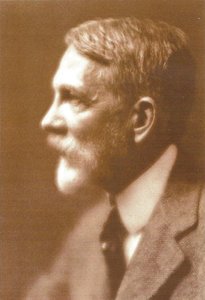
Charles Adams Platt
1861 - 1933
プロフィール概要
- Artistic Movement Or Style: American Renaissance
- Artists Or Movements Influenced By This Artist:
- Reginald Blomfield
- Gertrude Jekyll
- Edith Wharton
- Artists Who Influenced This Artist:
- Stephen Parrish
- Gustave Boulanger
- Jules Lefebvre
- Date Of Birth: October 16, 1861
- Date Of Death: September 12, 1933
- Full Name: Charles Adams Platt
- Nationality: American
- Notable Artworks:
- Laundry Day
- Rye, Sussex, England
- Place Of Birth: New York City, USA

