

 プレビュー
プレビュー
 プリントを購入
 シェアする
シェアする シェアする
シェアする
 詳細を見る
詳細を見る

 ダウンロード
 似ている作品
 X線調査
X線調査 スライドショー
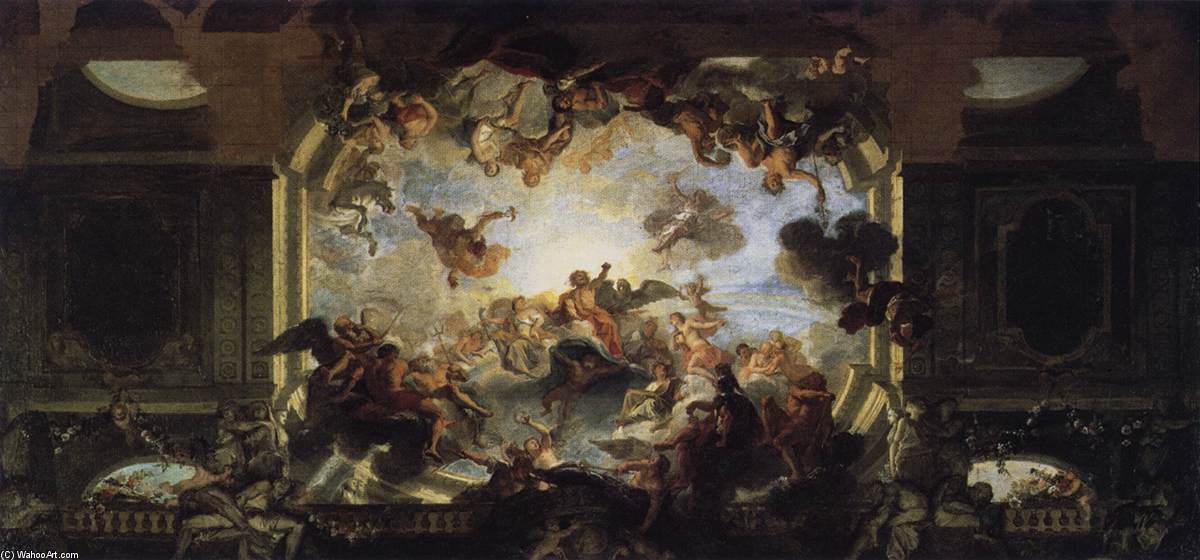
Assembly of Gods
 Baroque
 1703
1703 95.0 x 195.0 cm
 Musée Des Beaux
 詳細を見る
詳細を見る
オンラインプレビューをはるかに凌ぐ、高解像度で鮮明なデジタル画像をご購入いただけます。
各ファイルは、社内の専門家が高度なツールと熟練した手作業によるレタッチを用いて、細心の注意を払って準備されています。すべての画像において、卓越した鮮明度、正確な色彩再現性、そして繊細なディテールを保証いたします。
最終ファイルは、プロフェッショナルな編集・印刷環境ですぐにご利用いただけるよう最適化された状態で、72時間以内にメールにてお届けいたします。これは、一流のデザインスタジオ、出版社、ギャラリーから信頼されているものと同等の品質です。
デジタル画像のご注文に付随する特典
高品質なデジタル画像配信を、確かな品質で。
ArtsDot.com を選ぶことは、単に画像を手に入れることではありません。それは、プロの手によって精密に仕上げられ、満足保証が付いた高品質なデジタルアートワークを受け取ることを意味します。ご注文いただいた際に自動的に付随する内容は、以下の通りです:

メールですぐにお届け
ご注文から72時間以内に、高解像度のデジタル画像ファイルがメールでお手元に届きます。すぐにそのままご利用いただけます。

AI技術で最適化されたデジタルファイル
お客様の作品は、高度なAIツールと専門家による手作業の編集を組み合わせてプロフェッショナルに最適化されており、細部のディテール、鮮明さ、そして正確な色再現性を最大限に引き出しています。

一生涯無料の再送サービス
ファイルを誤って削除したり、紛失してしまったりしましたか?ご安心ください。いつでも無料で再送いたします。

輸入手数料は一切かかりません
関税や手数料、配送料を気にすることなく、お気に入りのアートワークをすぐにお楽しみいただけます。デジタルダウンロードは常に免税です。

色彩再現の保証
プロ仕様のツールとカラーマネジメント技術を用いることで、デジタル画像が元の色を最大限に忠実に再現することを保証いたします。

60日間満足保証
ご購入いただいたデジタル画像にご満足いただけない場合は、60日以内であれば、修正または100%の返金(理由を問う必要はありません)をさせていただきます。

100% 返金保証
ご満足いただけない場合は、デジタルファイルを受け取ってから60日以内であれば、理由を問わず全額返金いたします。

まとめ買い割引
3枚購入で10%OFF - 5枚購入で15%OFF - 10枚以上購入で20%OFF。クリエイティブなプロジェクト、ギャラリー、エージェンシーに最適です。
関連作品
作家の略歴
The Legacy of Charles Antoine Coypel: A Bridge Between Eras
In the grand tapestry of French art history, few figures embody the delicate transition from the heavy grandeur of the Baroque to the lighthearted elegance of the Rococo as gracefully as Charles Antoine Coypel. Born in Paris in 1694 into a lineage of artistic distinction, Coypel was destined for greatness. As the son of the celebrated Antoine Coypel and the grandson of Noël Coypel, his very existence was steeped in the traditions of the Académie Royale. This familial heritage provided him with more than just a name; it offered an intimate apprenticeship to the masters of his time, allowing him to inherit a profound understanding of classical composition and the dramatic flair required by the French court.
Coypel’s early training under Nicolas Frémiet equipped him with a versatile technical repertoire, ranging from the precision of etching to the fluid mastery of oil painting. This versatility became the cornerstone of his career, enabling him to navigate the shifting aesthetic tides of the early 18th century. While his foundations were firmly rooted in the monumental and often theatrical style of the late Baroque, he possessed a unique sensitivity to the emerging Rococo spirit. He began to infuse his works with a newfound lightness, utilizing delicate pastel palettes, asymmetrical arrangements, and an ornamental charm that would soon define the French aesthetic for decades to come.
A Master of Narrative and Royal Commission
The zenith of Coypel’s professional life was marked by his prestigious appointment as Premier Peintre du Roi (First Painter to the King). Serving the court of Louis XIV and his successors, he became a primary visual storyteller for the French monarchy. His talent extended far beyond the canvas; he was a visionary designer who understood how art could animate entire architectural spaces. One of his most breathtaking achievements can be found in his contributions to the Versailles Chapel, where his fresco work—such as the depiction of God the Father in Glory—utilized masterful trompe-l'oeil techniques to create celestial perspectives that seemed to dissolve the very ceiling into the heavens.
Beyond the walls of royal chapels, Coypel’s influence permeated the decorative arts through his extensive collaborations with the Gobelins Manufactory. He possessed a rare ability to translate epic narratives into monumental tapestry designs. His work on series inspired by Homer’s Iliad and Odyssey demonstrated a profound command of color and movement, turning woven threads into epic poems of light and shadow. Perhaps his most daring and revolutionary undertaking was his illustrated series for Miguel de Cervantes' Don Quixote. In this project, Coypel moved away from rigid formality to embrace a more dynamic, character-driven approach to storytelling, effectively bridging the gap between classical illustration and modern narrative art.
Artistic Significance and Enduring Influence
The historical significance of Charles Antoine Coypel lies in his role as an artistic mediator. He did not merely witness the transition from one era to another; he actively shaped it. By blending the structural integrity and dramatic weight of the Baroque with the whimsical, airy grace of the Rococo, he provided a stylistic continuity that allowed French art to evolve without losing its sense of majesty. His portraits, such as the evocative Democritus, continue to captivate viewers with their ability to balance regal dignity with an intimate, psychological depth.
Though his life was cut short in 1752, the impact of his work remains etched in the history of European painting. His legacy is found in:
- The evolution of French portraiture: Moving from stiff formality toward a more expressive and emotive representation of the subject.
- Tapestry and Decorative Design: Elevating large-scale textile works to the status of high narrative art through his Gobelins commissions.
- The integration of styles: Successfully synthesizing the monumental scale of the 17th century with the intimate, decorative sensibilities of the 18th century.
Today, the works of Coypel serve as a window into a transformative period of human creativity, reminding us of a time when art was used to bridge the gap between the earthly splendor of kings and the divine aspirations of the soul.
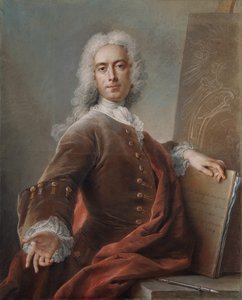
charles antoine coypel
1694 - 1752

