

 プレビュー
プレビュー
 プリントを購入
 シェアする
シェアする シェアする
シェアする
 詳細を見る
詳細を見る

 ダウンロード
 似ている作品
 X線調査
X線調査 スライドショー
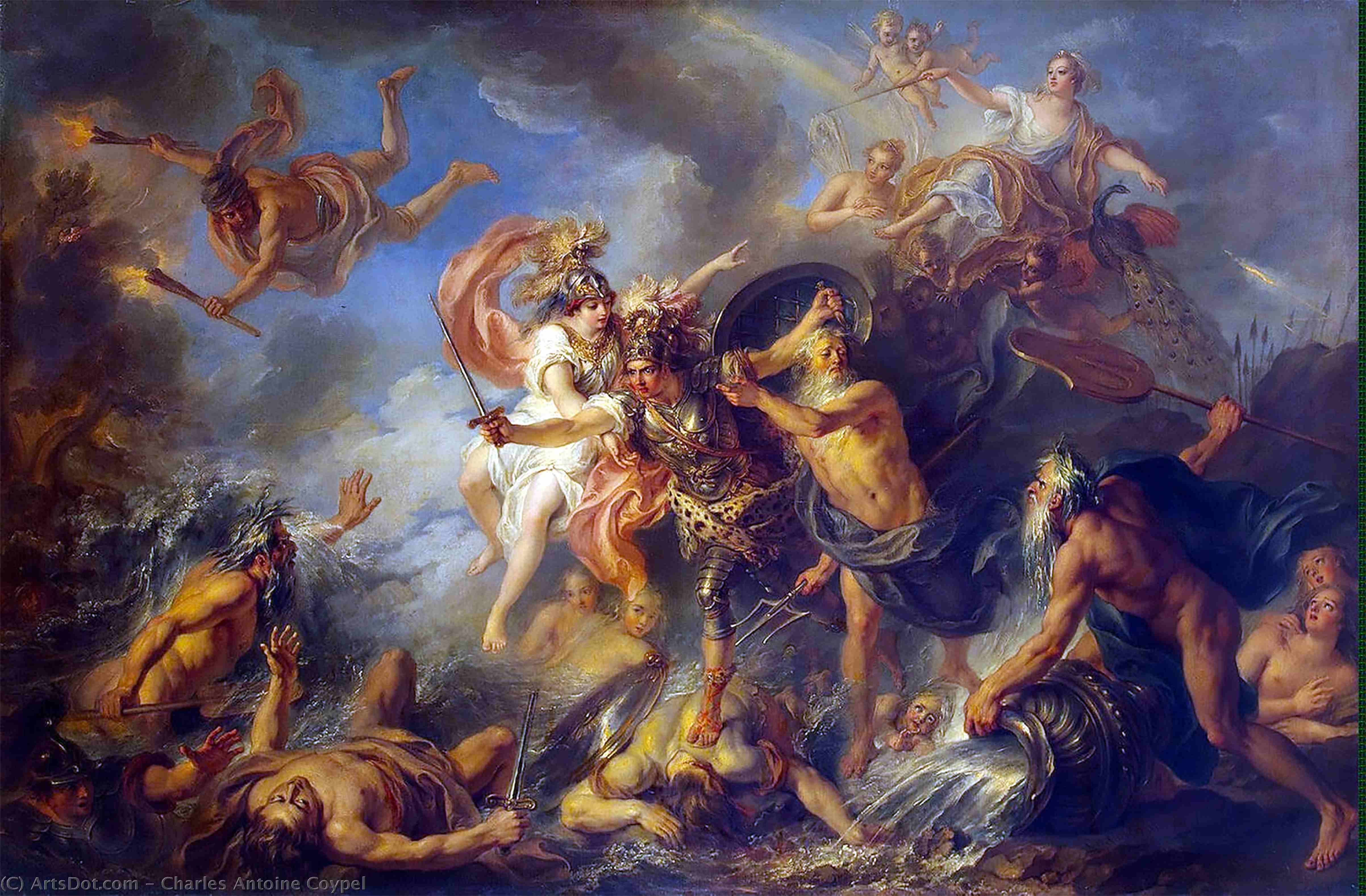
Fury of Achilles
 Acrylic On Canvas
- WallArt
- Rococo
 1737
1737 147.0 x 195.0 cm
 エルミタージュ美術館
 詳細を見る
詳細を見る
オンラインプレビューをはるかに凌ぐ、高解像度で鮮明なデジタル画像をご購入いただけます。
各ファイルは、社内の専門家が高度なツールと熟練した手作業によるレタッチを用いて、細心の注意を払って準備されています。すべての画像において、卓越した鮮明度、正確な色彩再現性、そして繊細なディテールを保証いたします。
最終ファイルは、プロフェッショナルな編集・印刷環境ですぐにご利用いただけるよう最適化された状態で、72時間以内にメールにてお届けいたします。これは、一流のデザインスタジオ、出版社、ギャラリーから信頼されているものと同等の品質です。
デジタル画像のご注文に付随する特典
高品質なデジタル画像配信を、確かな品質で。
ArtsDot.com を選ぶことは、単に画像を手に入れることではありません。それは、プロの手によって精密に仕上げられ、満足保証が付いた高品質なデジタルアートワークを受け取ることを意味します。ご注文いただいた際に自動的に付随する内容は、以下の通りです:

メールですぐにお届け
ご注文から72時間以内に、高解像度のデジタル画像ファイルがメールでお手元に届きます。すぐにそのままご利用いただけます。

AI技術で最適化されたデジタルファイル
お客様の作品は、高度なAIツールと専門家による手作業の編集を組み合わせてプロフェッショナルに最適化されており、細部のディテール、鮮明さ、そして正確な色再現性を最大限に引き出しています。

一生涯無料の再送サービス
ファイルを誤って削除したり、紛失してしまったりしましたか?ご安心ください。いつでも無料で再送いたします。

輸入手数料は一切かかりません
関税や手数料、配送料を気にすることなく、お気に入りのアートワークをすぐにお楽しみいただけます。デジタルダウンロードは常に免税です。

色彩再現の保証
プロ仕様のツールとカラーマネジメント技術を用いることで、デジタル画像が元の色を最大限に忠実に再現することを保証いたします。

60日間満足保証
ご購入いただいたデジタル画像にご満足いただけない場合は、60日以内であれば、修正または100%の返金(理由を問う必要はありません)をさせていただきます。

100% 返金保証
ご満足いただけない場合は、デジタルファイルを受け取ってから60日以内であれば、理由を問わず全額返金いたします。

まとめ買い割引
3枚購入で10%OFF - 5枚購入で15%OFF - 10枚以上購入で20%OFF。クリエイティブなプロジェクト、ギャラリー、エージェンシーに最適です。
A Tempestuous Vision: Charles Antoine Coypel’s “Fury of Achilles”
Charles Antoine Coypel's "Fury of Achilles" (1737) isn’t merely a depiction of a pivotal moment from Homer’s epic; it’s a carefully orchestrated tableau of human drama, rendered with the dramatic intensity characteristic of the Rococo period while firmly rooted in the traditions of Baroque painting. The canvas explodes with movement and emotion – a swirling vortex of warriors, gods, and mythical figures caught in the throes of battle and grief. It's a scene saturated not just with physical violence but with psychological turmoil, reflecting the anxieties and passions that defined 18th-century European society.
Coypel, serving as premier peintre du roi to Louis XV, was renowned for his ability to capture narrative power within a relatively small format. He skillfully blends elements of classical composition – particularly in the arrangement of figures and the use of diagonals – with the dynamic brushwork and heightened color palette favored by the Rococo style. The painting’s scale—measuring 147 x 195 cm—allows for an astonishing level of detail, inviting the viewer to become immersed within this chaotic yet meticulously planned scene. The rich, dark tones dominate, punctuated by flashes of brilliant red and gold, creating a dramatic chiaroscuro effect that emphasizes the figures’ musculature and the intensity of their expressions.
A Hero Defined: The Mythic Core
At its heart, “Fury of Achilles” is a retelling of Homer's Iliad, specifically focusing on the moment following Patroclus’s death. Achilles, consumed by rage and grief, unleashes his fury upon the Trojan ranks, depicted with brutal realism. The composition immediately draws the eye to Achilles himself – a towering figure clad in bronze armor, his face contorted in a mask of incandescent anger. His outstretched hand clutches his shield, a symbol of both protection and devastating power. The figures surrounding him are equally compelling: Hector, lying prone on the battlefield, is rendered with poignant vulnerability; Xenia, Achilles’s lover, weeps beside him, embodying the tragic consequences of war. The inclusion of other mythological elements – winged horses, divine messengers, and even a hint of the Fates – elevates the scene beyond a simple historical depiction, transforming it into a profound meditation on fate, honor, and mortality.
The Rococo Palette: Emotion and Ornamentation
Coypel’s masterful use of color is integral to the painting's emotional impact. The deep reds and browns evoke the heat of battle and the bloodshed of war, while the shimmering gold accents suggest both divine intervention and the opulence of the royal court that commissioned the work. Notice how Coypel employs a technique known as “alla prima,” applying paint directly to the canvas in loose, expressive strokes—a hallmark of Rococo style. This approach creates a sense of immediacy and dynamism, capturing the fleeting expressions and dramatic gestures of the figures. The artist’s attention to detail is remarkable; from the intricate folds of Achilles' armor to the subtle nuances of emotion on each character’s face, every element contributes to the painting’s overall power.
Symbolism and Legacy: A Portrait of a Troubled Age
Beyond its narrative content, “Fury of Achilles” offers a glimpse into the anxieties of 18th-century Europe. The depiction of war—a recurring theme in art during this period—reflects the ongoing conflicts between European powers and the devastating human cost of armed conflict. The painting’s focus on individual heroism and tragic loss also speaks to the growing emphasis on emotion and personal experience that characterized the Rococo era. Furthermore, the inclusion of mythological figures suggests a yearning for a lost golden age – a time when heroes were revered and fate was understood with greater clarity. “Fury of Achilles” remains a powerful testament to Coypel’s artistic skill and his ability to capture the complexities of human nature within a dramatic and visually arresting composition. It is a work that continues to resonate with viewers today, reminding us of the enduring power of myth and the timeless themes of war, grief, and revenge.
関連作品

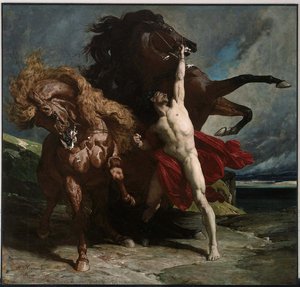
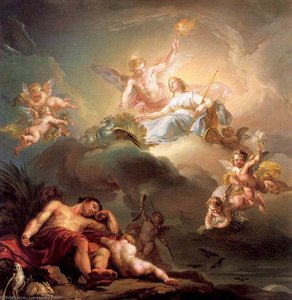
作家の略歴
シャルル=アントワーヌ・コイペルの遺産:時代を繋ぐ架け橋
フランス美術史という壮大なタペストリーにおいて、バロック様式の重厚な威厳からロココ様式の軽やかな優雅さへと移り変わる繊細な変遷を、これほどまでに気品をもって体現した人物は他にいないでしょう。シャルル=アントワーヌ・コイペルは、まさにその象徴といえます。1694年、芸術の名門に生まれた彼は、パリの地で偉大なる運命を背負って誕生しました。高名なアントワーヌ・コイペルの息子であり、ノエル・コイペルの孫である彼の存在そのものが、王立アカデミーの伝統に深く根ざしていたのです。この家族の遺産は、彼に単なる名声を与えただけではありませんでした。当時の巨匠たちの傍らで受けた濃密な修行は、古典的な構図への深い理解と、フランス宮廷が求めた劇的な表現力を彼に授けたのです。
ニコラ・フレミエの下で行われた初期の修行により、コイペルはエッチングの精密さから油彩画の流麗な習熟に至るまで、極めて多彩な技術的レパートリーを身につけました。この多才さこそが彼のキャリアの礎となり、18世紀初頭の移ろいゆく美意識の潮流を見事に捉えることを可能にしました。その基盤は、後期バロック様式の記念碑的で演劇的なスタイルにしっかりと根ざしていましたが、同時に彼は、芽生えつつあったロココ精神に対しても類まれな感受性を備えていました。繊細なパステルカラーのパレット、非対称の配置、そして装飾的な魅力を用いた彼の作品は、新たな軽やかさを吹き込み、その後の数十年にわたってフランス的美学を定義づけるものとなったのです。
物語の巨匠、そして王室の寵児
コイペルの職業人生における絶頂期は、国王筆頭画家(Premier Peintre du Roi)という輝かしい称号によって彩られました。ルイ14世とその継承者たちの宮廷に仕えた彼は、フランス王室にとって主要な「視覚的語り手」となりました。彼の才能はキャンバスの枠を遥かに超えていました。彼は、芸術がいかにして建築空間全体に命を吹き込むことができるかを理解していた先見的なデザイナーでもあったのです。その最も息を呑むような業績の一つは、ヴェルサイユ礼拝堂への貢献に見ることができます。栄光の中の父なる神などのフレスコ画において、彼は卓越したトロンプ・ルイユ(だまし絵)技法を駆使し、天井そのものが天界へと溶け込んでいくかのような、天上のパースペクティブを創り出しました。
王室礼拝堂の壁の内側のみならず、コイペルの影響はゴブラン織製作所との広範な協力関係を通じて、装飾芸術の隅々にまで浸透していきました。彼は、壮大な叙事詩を記念碑的なタペストリー・デザインへと翻訳する稀有な能力を持っていました。ホメロスのイリアスや
オデュッセイアに触発された連作では、色彩と動きを自在に操り、織り込まれた糸を光と影の叙事詩へと変貌させました。そして、おそらく最も大胆かつ革命的な試みは、ミゲル・デ・セルバンテスのドン・キホーテのための挿絵シリーズでしょう。このプロジェクトにおいて、コイペルは硬直した形式主義から脱却し、よりダイナミックでキャラクター主導の物語手法を採用しました。これにより、古典的な挿絵と近代的な物語芸術との間の溝を、見事に埋めることに成功したのです。
芸術的意義と永続する影響力
シャルル=アントワーヌ・コイペルの歴史的な重要性は、彼が「芸術の仲介者」としての役割を果たした点にあります。彼は単にある時代から別の時代への変遷を目撃しただけではありません。彼は自らその変遷を形作ったのです。バロック様式の構造的な整合性と劇的な重み、そしてロココ様式の遊び心あふれる軽やかな優雅さを融合させることで、フランス美術がその威厳を失うことなく進化し続けるための、様式的な連続性をもたらしました。彼の肖像画、例えば情緒豊かなデモクリトスなどは、王族としての尊厳と、親密で心理的な深みとのバランスを見事に保ち、今なお観る者を魅了して止みません。
1752年にその生涯は断たれましたが、彼の作品が与えた衝撃は、ヨーロッパ絵画の歴史に深く刻み込まれています。彼の遺産は、以下の要素の中に息づいています。
- フランス肖像画の進化:硬直した形式主義から、被写体のより表現豊かで感情的な描写への転換。
- タペストリーと装飾デザイン:ゴブラン織への依頼を通じて、大規模なテキスタイル作品を高度な物語芸術の地位へと引き上げたこと。
- 様式の統合:17世紀の記念碑的なスケールと、18世紀の親密で装飾的な感性を見事に融合させたこと。
今日、コイペルの作品は、人類の創造性が変容を遂げた時代への窓として機能しています。それは、芸術が王たちの地上の栄華と、魂の神聖なる憧れとの隔たりを埋めるために用いられていた、あの時代の記憶を私たちに呼び起こしてくれるのです。
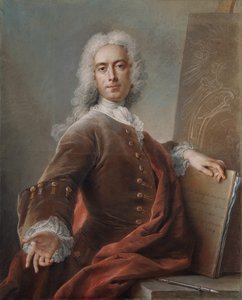
シャルル=アントワーヌ・コイペル
1694 - 1752 , フランス
プロフィール概要
- Artistic Movement Or Style: バロック・ロココ
- Artists Who Influenced This Artist:
- アントワーヌ・コイペル
- ノエル・コイペル
- Date Of Birth: 1694年 フランス パリ
- Date Of Death: 1752年
- Full Name: シャルル=アントワーヌ・コイペル
- Nationality: フランス
- Notable Artworks:
- ドン・キホーテ・シリーズ
- フィリップ・コイペルの肖像
- 妻と共に描かれたフィリップ・コイペルの肖像
- Place Of Birth: フランス パリ

