

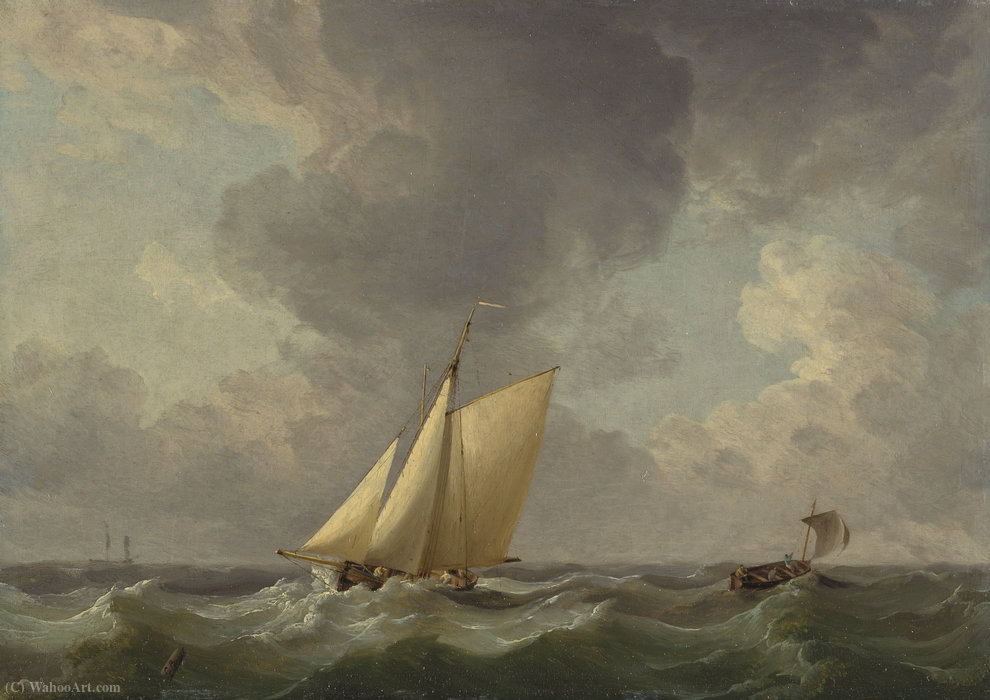
 プレビュー
プレビュー
 シェアする
シェアする シェアする
シェアする
 詳細を見る
詳細を見る

 ダウンロード
 似ている作品
 X線調査
X線調査 スライドショー
A Cutter in a Strong Breeze

 詳細を見る
詳細を見る
ジークレー/アートプリント
迅速な制作と多彩な仕上げオプションを備えた、ミュージアムクオリティのジークレーまたはキャンバスプリント。 ( 手描きの絵画を購入 画像を購入)




P118B $10

P118H $10

P118W $10

P438Z $10

P508JH $12

P508YH $12

P805H $10

P805Z $10

P919BZ $10

P919G $10

P919XJ $10

P959ZH $10

P968JZ $12

W106C $8

W218G $10

W218JH $8

W218Y $10

W307PJ $10

W316G $10

W316PJ $8

W316Y $10

W398PJ $8

W4111J $10

W500HY $15

W500JH $15

W692G $12

W849H $8

W940BG $15

W953PJ $8




作品のオリジナル比率に合わせた、当店の規定サイズからお選びください。

特定のフレームやスペースに合わせて、ご自身でサイズを指定することも可能です。選択されたサイズが元の画像の比率と一致しない場合、作品をトリミングするか、鏡面反射または単色での塗りつぶしによって画像を拡張いたします。制作を開始する前に、ご確認用のデジタルモックアップをお送りいたします。
画面上のプレビューには、実際のトリミングや拡張は反映されませんのでご注意ください。最終的な構図を正確に確認できるのは、モックアップのみとなります。
カスタムサイズも承っておりますが、元の比率を維持するためには、あらかじめ用意されたリストからサイズを選択することをお勧めいたします。


 ガラスオプションは、110cm未満のサイズでのみご利用いただけます。

A Cutter in a Strong Breeze
ジークレー/アートプリント
複製画のサイズ
-


合計金額
$ 62
関連作品


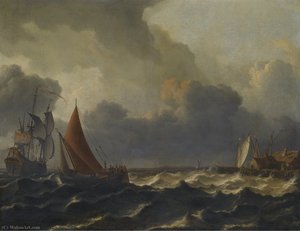
アーティストの略歴
The Master of the Mid-Century Seas
In the mid-18th century, as Britain’s maritime influence began to surge across the globe, a new kind of visual language was emerging on canvas—one that moved away from static academicism toward a more visceral, breathing realism. At the heart of this transition stood Charles Brooking (c. 1723–1759), an artist whose brief but luminous career helped define the dawn of naval Romanticism. To look upon a Brooking seascape is to feel the salt spray and the tension of the wind; his work does not merely document ships, but captures the very soul of the ocean’s unpredictable temperament.
Brooking’s artistic DNA was deeply rooted in the traditions of craftsmanship and meticulous observation. Born in London, he was the son of Charles Brooking Sr., a skilled painter and decorator associated with the prestigious Greenwich Hospital. This early exposure to the maritime atmosphere of Greenwich provided more than just a livelihood; it offered a masterclass in topographical accuracy. Through his apprenticeship under his father, Brooking developed an exacting eye for the structural complexities of naval vessels, a skill that would later allow him to imbulate his paintings with a profound sense of authenticity that resonated with both sailors and connoisseurs alike.
A Breakthrough of Light and Scale
The trajectory of Brooking’s career was irrevocably altered in 1754 by a landmark commission from the Foundling Hospital in London. Tasked with creating “A Flagship Before the Wind Under Easy Sail,” Brooking moved beyond the realm of mere maritime illustration into the territory of monumental fine art. This undertaking, supported by Treasurer Taylor White, required him to engage deeply with the contemporary masters of his era. He drew inspiration from the works of Peter Monamy, whose depictions of fleets provided a blueprint for capturing movement, yet Brooking infused these scenes with a burgeoning emotional intensity that hinted at the Romantic movement to come.
His development was further enriched by his relationship with artists like Dominic Serres, who acknowledged Brooking’s significant influence on his own evolving style. This period of his life was marked by an increasing ability to balance the technical rigors of ship portraiture with the atmospheric drama of the elements. Whether depicting a cutter caught in a strong breeze or the terrifying majesty of a shipwreck against a rocky coast, Brooking possessed a unique talent for using light and shadow to suggest the immense, often overwhelming power of the sea.
Legacy of the Naval Romantic
Though his life was tragically short, ending in 1759, the impact of Charles Brooking’s work echoed through the subsequent generations of British marine painters. He bridged the gap between the documentary precision of the early 18th century and the sweeping, emotive landscapes of the later Romantic era. His ability to render the textures of canvas, wood, and churning water with such fidelity ensured that his paintings served as both historical records and emotional experiences.
Today, Brooking’s significance is preserved in the collections of great institutions like the Tate, where his works continue to captivate viewers with their dramatic tension. His legacy remains defined by several key artistic contributions:
- Technical Realism: The seamless integration of accurate naval architecture with fluid, naturalistic environments.
- Atmospheric Innovation: A pioneering use of light to convey the shifting moods of the maritime climate, from tranquil doldrums to tempestuous storms.
- Historical Resonance: Capturing the visual essence of Britain’s burgeoning naval identity during a period of immense imperial expansion.
In the annals of art history, Charles Brooking remains a pivotal figure—a painter who looked upon the sea not just as a subject for study, but as a living, breathing protagonist in the grand drama of human endeavor.
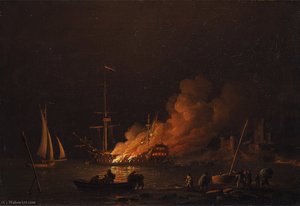
charles brooking
1723 - 1759
基本情報
- Artistic Movement Or Style: Marine Painting
- Artists Or Movements Influenced By This Artist: ['Peter Monamy']
- Artists Who Influenced This Artist: ['Dominic Serres']
- Date Of Birth: 1723
- Date Of Death: 1759
- Full Name: Charles Brooking
- Nationality: English
- Notable Artworks:
- A Cutter in a Strong Breeze
- Cutter Close Hauled in a Fresh Breeze, with Other Shipping
関連記事

The Enduring Legacy of Oil on Canvas: Technique, History & Aesthetic Impact
Explore the rich history & techniques of oil painting – from Renaissance masters to Impressionism. Discover pigments, layering methods, and why this timeless medium endures. Expert insights for artists & art enthusiasts.

Oil on Canvas: A Historical & Technical Exploration of a Timeless Artistic Medium
Explore the rich history & enduring techniques of oil painting on canvas. Discover the science behind its longevity, conservation practices, and contemporary relevance. Expert insights for art enthusiasts.

The Enduring Power of Painting: A Historical & Contemporary Exploration of Form and Emotion
Explore the rich history & enduring techniques of oil painting with ArtsDot. Discover masterpieces, learn about art collecting, and find authentic handmade reproductions crafted by skilled artists.
Navigating the Depths of Representation: A Historical Exploration of Marine Painting
Explore the rich history of marine painting with ArtsDot. Discover Dutch Masters, Romantic seascapes & renowned artists like Wyllie and Harris. Expert guidance for collectors & custom reproductions.

油彩のキャンバス:技法、歴史、そして現代の実践 - 古典美術愛好家へ
油彩の技法、歴史、巨匠たちの秘密を徹底解説。古典美術愛好家向けに、初期フランドル絵画から現代の実践まで深く掘り下げます。ArtsDotで高品質な複製画やカスタムオーダーも承ります。