

 プレビュー
プレビュー
 シェアする
シェアする シェアする
シェアする
 詳細を見る
詳細を見る

 ダウンロード
 似ている作品
 X線調査
X線調査 スライドショー
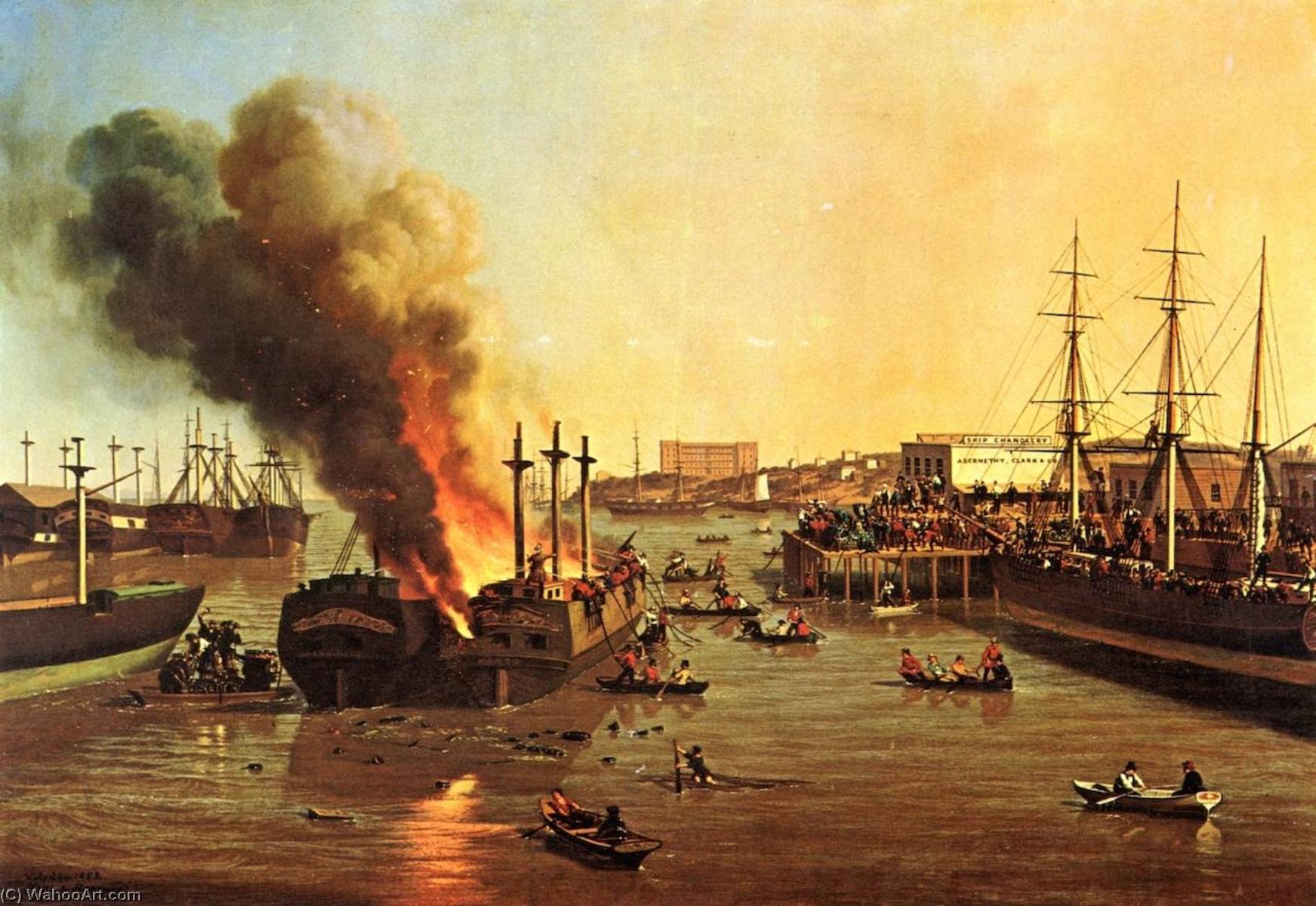
Fire in San Francisco Harbor

 詳細を見る
詳細を見る
ジークレー/アートプリント
迅速な制作と多彩な仕上げオプションを備えた、ミュージアムクオリティのジークレーまたはキャンバスプリント。 ( 手描きの絵画を購入 画像を購入)




































作品のオリジナル比率に合わせた、当店の規定サイズからお選びください。

特定のフレームやスペースに合わせて、ご自身でサイズを指定することも可能です。選択されたサイズが元の画像の比率と一致しない場合、作品をトリミングするか、鏡面反射または単色での塗りつぶしによって画像を拡張いたします。制作を開始する前に、ご確認用のデジタルモックアップをお送りいたします。
画面上のプレビューには、実際のトリミングや拡張は反映されませんのでご注意ください。最終的な構図を正確に確認できるのは、モックアップのみとなります。
カスタムサイズも承っておりますが、元の比率を維持するためには、あらかじめ用意されたリストからサイズを選択することをお勧めいたします。


 ガラスオプションは、110cm未満のサイズでのみご利用いただけます。

Fire in San Francisco Harbor
ジークレー/アートプリント
複製画のサイズ
-


合計金額
$ 62
関連作品



アーティストの略歴
A Legacy Forged in Gold and Vision
Charles Christian Nahl stands as a pivotal figure in the artistic landscape of California, recognized primarily for his evocative depictions of the Gold Rush era and his profound contribution to establishing Sacramento as an early center of American art. Born in 1818 in Kassel, Germany, Nahl was born into a family steeped in a rich artistic tradition. His father, Georg Valentin Friedrich Nahl, was a celebrated sculptor, and his great-grandfather, Johann August Nahl, was a renowned German sculptor known for monumental works. This lineage of meticulous craftsmanship and visual storytelling profoundly shaped Nahl’s artistic trajectory, instilling in him a deep appreciation for the intersection of sculptural form and painterly expression.
Nahl’s formal education at the Cassel Academy provided the technical foundation upon which his later masterpieces were built. Under the tutelage of influential figures such as Horace Vernet and Paul Delarode, he mastered the nuances of Romanticism, a style that emphasized dramatic composition, emotional intensity, and a sense of grandeur. These early years in Europe, characterized by both rigorous training and the political upheaval of the February Revolution in 1848, prepared him for a life of movement and transformation. After a brief period in Paris, where he adopted the more French-sounding moniker "Charles," Nahl immigrated to New York City in 1848 before eventually following the siren call of the American West.
The Spirit of the American West
Arriving in California in 1849, Nahl initially sought his fortune in the feverish atmosphere of the Gold Rush. While many found only hardship, Nahl found an inexhaustible well of inspiration. He and his family settled in Sacramento and later San Francisco, becoming witnesses to the rapid evolution of a frontier society. His work became a visual chronicle of this era, capturing the rugged vitality of miners, the tension of cavalry scenes, and the atmospheric beauty of the California landscape. Unlike many contemporary artists who focused solely on idealized landscapes, Nahl’s oeuvre often pulsed with the human element—the grit, the drama, and the social complexities of a burgeoning state.
His paintings are characterized by a remarkable attention to detail and a sense of narrative movement that draws the viewer into the heart of the action. Whether depicting the tension in La Plaza de Toros Sunday Morning in Monterey or the quiet majesty of Evening on the Sacrament River, Nahl utilized his training in Romanticism to imbue his subjects with a lifelike presence. His ability to blend the meticulous realism of his German training with the wild, untamed energy of the American West allowed him to create works that were both historically significant and aesthetically captivating.
Artistic Significance and Enduring Influence
The historical significance of Charles Christian Nahl cannot be overstated. As one of California's first significant painters, he helped define a regional identity during a period of immense transition. His presence in Sacramento contributed to the city's emergence as a cultural hub, a legacy that continues today through institutions like the Crocker Art Museum, which houses many of his most vital works. Nahl’s ability to translate the European tradition of fine art into the context of the American frontier helped bridge the gap between Old World technique and New World subject matter.
Beyond his individual paintings, Nahl's influence extended through his family and his role in the burgeoning California art scene. His brother, Hugo Wilhelm Arthur Nahl, also became a notable artist and engraver, further cementing the Nahl name in the annals of Western American art. Today, Nahl’s work remains a window into a vanished era, offering a nostalgic yet powerful glimpse into the soul of the Gold Rush. His paintings serve as more than mere historical records; they are emotional landscapes that continue to resonate with anyone seeking to understand the pioneering spirit that shaped the American West.
charles christian nahl
1818 - 1878
基本情報
- Artistic Movement Or Style: Neoclassical
- Artists Or Movements Influenced By This Artist: ['Romanticism']
- Artists Who Influenced This Artist: ['Johann August Nahl the Elder']
- Date Of Death: March 1, 1878
- Full Name: Charles Christian Heinrich Nahl
- Nationality: German
- Notable Artworks:
- La Plaza de Toros Sunday Morning
- Indian Encampment
- Evening on the Sacrament River
- Place Of Birth: Kassel, Germany

