

 プレビュー
プレビュー
 シェアする
シェアする シェアする
シェアする
 詳細を見る
詳細を見る

 ダウンロード
 似ている作品
 X線調査
X線調査 スライドショー
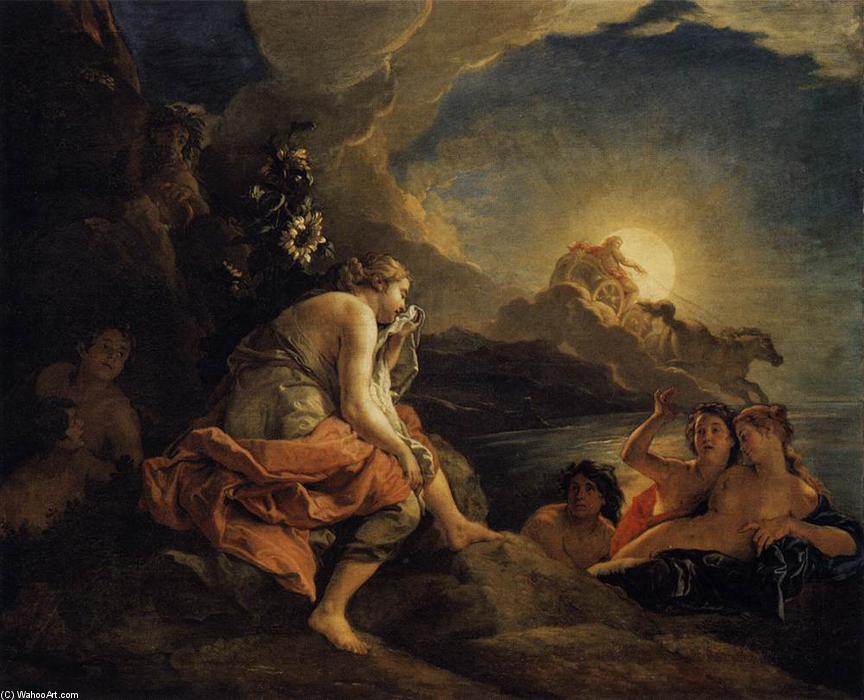
Clytie Transformed into a Sunflower
 Oil On Canvas
- WallArt
- Baroque Grandeur
 1688
1688- Renaissance
 131.0 x 159.0 cm
 グランド・トリアノン
 詳細を見る
詳細を見る
ジークレー/アートプリント
迅速な制作と多彩な仕上げオプションを備えた、ミュージアムクオリティのジークレーまたはキャンバスプリント。 ( 手描きの絵画を購入 画像を購入)




P118B $10

P118H $10

P118W $10

P438Z $10

P508JH $12

P508YH $12

P805H $10

P805Z $10

P919BZ $10

P919G $10

P919XJ $10

P959ZH $10

P968JZ $12

W106C $8

W218G $10

W218JH $8

W218Y $10

W307PJ $10

W316G $10

W316PJ $8

W316Y $10

W398PJ $8

W4111J $10

W500HY $15

W500JH $15

W692G $12

W849H $8

W940BG $15

W953PJ $8




作品のオリジナル比率に合わせた、当店の規定サイズからお選びください。

特定のフレームやスペースに合わせて、ご自身でサイズを指定することも可能です。選択されたサイズが元の画像の比率と一致しない場合、作品をトリミングするか、鏡面反射または単色での塗りつぶしによって画像を拡張いたします。制作を開始する前に、ご確認用のデジタルモックアップをお送りいたします。
画面上のプレビューには、実際のトリミングや拡張は反映されませんのでご注意ください。最終的な構図を正確に確認できるのは、モックアップのみとなります。
カスタムサイズも承っておりますが、元の比率を維持するためには、あらかじめ用意されたリストからサイズを選択することをお勧めいたします。


 ガラスオプションは、110cm未満のサイズでのみご利用いただけます。

Clytie Transformed into a Sunflower
ジークレー/アートプリント
複製画のサイズ
-


合計金額
$ 62
Charles de La Fosse’s “Clytie Transformed into a Sunflower”: A Study in Baroque Grace
The painting "Clytie Transformed into a Sunflower," executed by Charles de La Fosse in 1688, stands as a testament to the burgeoning Rococo style's subtle influence on the artistic sensibilities of Louis XIV’s court. While firmly rooted in Classical foundations – mirroring La Fosse’s training under the tutelage of Charles Le Brun – the artwork possesses an ethereal quality that anticipates the decorative exuberance characteristic of its era, marking it as a pivotal piece within French Baroque art history.Subject Matter and Mythological Narrative
At its core lies a captivating depiction of myth—specifically, the tale of Clytie, Apollo’s rejected lover. The painting portrays Clytie seated upon a rocky outcrop, her gaze directed towards the horizon, embodying both sorrow and acceptance. Surrounding her are figures representing Apollo and Leucothea, symbolizing the tragic love affair that culminated in Clytie's demise and transformation into the sunflower—a plant perpetually turning its face toward the sun, mirroring her unwavering devotion to Apollo despite his abandonment. This narrative choice wasn’t merely decorative; it served as a conduit for exploring themes of loss, perseverance, and ultimately, transcendence. La Fosse skillfully captured the emotional intensity of the myth, conveying Clytie's poignant yearning through nuanced facial expressions and posture.Technique and Artistic Style
La Fosse employed oil paint on canvas—a technique prevalent during his time—to achieve remarkable luminosity and textural detail. The artist’s meticulous brushwork contributes to a velvety surface finish that enhances the painting’s visual richness. Notably, La Fosse subtly departed from the rigid formalism of Classical art, favoring softer contours and delicate color palettes typical of Rococo aesthetics. This stylistic shift is evident in the muted hues employed—primarily yellows and greens—which evoke the warmth of sunlight and the vibrancy of nature. The artist's masterful use of chiaroscuro – dramatic contrasts between light and shadow – further emphasizes Clytie’s figure, drawing attention to her expressive gaze and conveying a sense of solemn beauty.Historical Context: Versailles and Artistic Patronage
“Clytie Transformed into a Sunflower” was created during Louis XIV's reign—a period marked by unparalleled artistic patronage and the establishment of Académie des Beaux-Arts as a cornerstone of French cultural prestige. La Fosse’s commission for the Grand Trianon, alongside other ambitious projects undertaken to embellish Versailles, exemplifies the royal court’s commitment to elevating art as a tool for glorifying monarchy and disseminating humanist ideals. The painting reflects the broader artistic trends of the time—a move away from austere grandeur toward refined elegance and an embrace of mythological subjects imbued with psychological depth.Symbolism: Sunflowers and Eternal Devotion
The sunflower itself carries profound symbolic significance, representing unwavering devotion, resilience, and the pursuit of enlightenment. Its constant orientation towards the sun embodies Clytie’s enduring love for Apollo—a love that transcends physical separation and culminates in spiritual transformation. La Fosse's choice to depict Clytie as a sunflower underscores this central theme, elevating the artwork beyond mere narrative representation into a meditation on human emotion and the power of perseverance. The flower’s golden hue symbolizes Apollo’s radiant glory and Clytie’s unwavering faith—a visual metaphor for her acceptance of fate and her transformation into an emblem of enduring beauty.Emotional Impact: Tranquility Amidst Tragedy
Despite its melancholic subject matter, “Clytie Transformed into a Sunflower” exudes a remarkable serenity. La Fosse's skillful composition—characterized by balanced lines and harmonious color relationships—creates a sense of contemplative stillness that invites viewers to contemplate the complexities of love, loss, and spiritual renewal. The painting’s luminous quality contributes to its emotional resonance, conveying a feeling of ethereal grace and capturing the sublime beauty inherent in accepting life’s inevitable hardships. It remains an enduring masterpiece, demonstrating La Fosse's ability to transform myth into visual poetry—a testament to the transformative power of art itself.関連作品
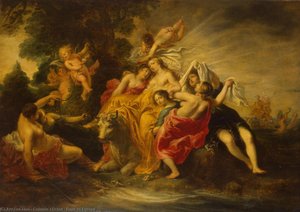
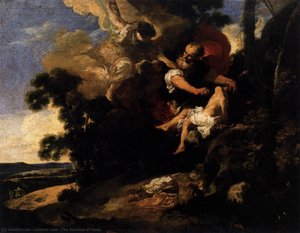
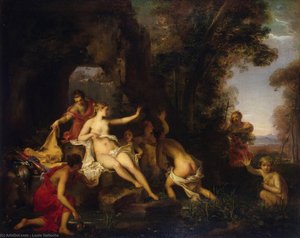
アーティストの略歴
フランス・バロックの巨匠:シャルル・ド・ラフォスの一生と芸術
1636年にパリで生まれたシャルル・ド・ラフォスは、華やかなフランス・バロック絵画の世界において極めて重要な人物として頭角を現しました。彼の初期の生活に関する詳細は今なお謎に包まれていますが、彼がアカデミー・デ・ボザール設立とルイ14世宮廷の芸術的景観を形作る上で支配的な存在であったシャルル・ルブランのアトリエで基礎的な訓練を受けたことは広く信じられています。この確固たる教育は、ラフォスに古典的な原則への献身と描画技術の熟練度という資質を植え付け、それらが彼のキャリアを定義するものでした。しかし、学術的な慣習に厳しく縛られ続けた同時代の画家たちとは異なり、ラフォスは進化し続ける感性を示し、間もなく到来するロココ様式の優美な軽やかさをさりげなく予見していたのです。古典的基盤からバロックの壮麗さへ
ラフォスの芸術的な発展は、1658年から1663年にかけてのイタリア各地への旅によって深く影響を受けました。ローマとヴェネツィアの芸術に身を浸す中で、彼はピエトロ・ダ・コルトーナのようなイタリア・バロックの巨匠たちの劇的なエネルギーを吸収すると同時に、ヴェロネーゼやコレッジョといったヴェネツィア派の画家たちが達成した光り輝く色彩パレットと大気的な効果に魅了されました。この経験は彼の芸術的視野を広げ、彼の作品に新たな活気と感情的な深みをもたらしました。フランスに戻った後、ラフォスはすぐに求められる装飾家としての地位を確立し、ヴェルサイユやその他の著名な邸宅の豪華な内装に大きく貢献しました。1673年に王立アカデミーのために制作した卒業作品『プロセルピナの略奪』は、彼の技術的な熟練度と物語性を証明し、芸術エリート層の間で彼の名声を確固たるものにしました。この絵画は、古典神話と躍動的なバロック的感性を融合させる彼の能力を体現しており、劇的な照明と表現力豊かな人物像を用いて力強い感情的インパクトを伝えています。大西洋を越えた委嘱とパリでの勝利
1689年、ラフォスはモンタグ公爵からロンドンのモンタグ邸の装飾という名誉ある依頼を受けました。この仕事はイングランドでの二度の長期滞在につながり、そこで彼はジャック・ルソーやジャン=バティスト・モノワイヤといった他の著名なフランス人芸術家たちと協力しました。残念ながらモンタグ邸の装飾は時の流れに失われましたが、この期間はラフォスの国際的な評価と、多様な建築環境に自身の様式を適応させる能力を示しています。パリに戻った後、彼はおそらく最も称賛される功績に着手します。それは1702年から1704年にかけての、アンヴァリッド礼拝堂のドームとペディメントの装飾でした。この記念碑的なプロジェクトは、ラフォスの幻想的な絵画の熟練度を披露し、今日なお畏敬の念を抱かせる息をのむような天上の光景を生み出しました。アンヴァリッドでの作品は彼の様式の転換点を示しており、ロココ芸術を特徴づけることになる、より軽やかでこの世のものとは思えない質感をほのめかしています。遺産と影響
シャルル・ド・ラフォスは1716年にパリで亡くなり、その時代において最も重要なフランス人画家の一人としての遺産を残しました。彼の作品は、盛期バロックの壮大さとロココの繊細な優雅さという二つの時代のギャップを埋め合わせ、後続する何世代もの芸術家に影響を与えました。古典的な伝統に深く根ざしながらも、彼は色彩、光、構図を実験することを可能にする革新的な精神を持ち、新たな芸術表現への道を開きました。歴史的および寓意的な主題に感情的な共鳴を吹き込む彼の能力は、その技術的な輝きと相まって、彼をフランス絵画の巨匠としての地位に不動のものとしました。今日、ラフォスの作品はルーヴル美術館のような権威あるコレクションで見ることができ、鑑賞者に17世紀フランスの絢爛さとバロック芸術の永続的な力を垣間見せてくれます。彼の絵画は、その劇的な才能、熟練した技術、そして差し迫った芸術革命を予感させる繊細な暗示によって、今なお魅了し続けています。彼の全作品を探求することは、フランス絵画の進化に関する貴重な洞察を提供し、伝統と革新を見事に融合させた才能を明らかにしているのです。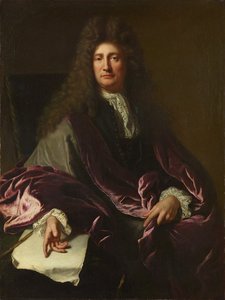
シャルル・ド・ラフォス
1636 - 1716 , フランス
基本情報
- Artistic Movement Or Style: フランス・バロック
- Artists Or Movements Influenced By This Artist:
- 後期のフランス・バロックの画家たち
- ロココ美術
- Artists Who Influenced This Artist:
- シャルル・ルブラン
- パオロ・ヴェロネーゼ
- Date Of Birth: 1636年
- Date Of Death: 1716年
- Full Name: シャルル・ド・ラ・フォス
- Nationality: フランス人
- Notable Artworks:
- 栄光の中の聖母
- 戦いの場面
- アポロの戦車による日の出
- 東方の三博士の礼拝
- Place Of Birth: パリ、フランス
関連記事
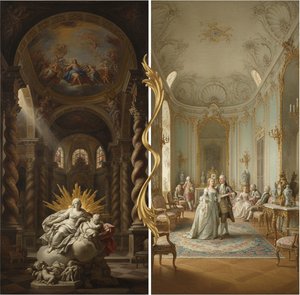
From Grandeur to Grace: Exploring the Evolution of Baroque & Rococo Art
Explore the captivating evolution from Baroque's drama to Rococo's grace! Discover key artists, characteristics & lasting influence of these art movements with expert insights at ArtsDot.

The Rococo Aesthetic: Opulence, Rebellion & the Pursuit of Pleasure in 18th-Century Art
Explore the opulent world of Rococo art! Discover its origins, key artists like Watteau & Boucher, and lasting influence on design. Expert insights for collectors & enthusiasts.

華麗なるロココ:芸術史を彩る10大傑作の世界
華麗なるロココ美術の世界へ。バロックから生まれた優雅な芸術、その10大傑作を徹底解説!ブーシェ、フロマンなど巨匠たちの技と物語を紐解き、お部屋を彩るアートを見つけよう。ArtsDot.comで至高の美術館品質レプリカとインテリアアイデアを発見。

The Allure of Elegance in Art: A Historical & Aesthetic Exploration of Refinement & Grace
Explore the exquisite world of Rococo art! Discover its history, masters (Watteau, Boucher & more), and defining elegance. Expert insights for collectors seeking museum-quality reproductions & custom portraits.
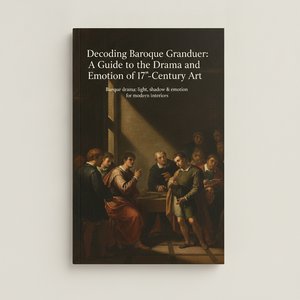
Decoding Baroque Grandeur: A Guide to the Drama and Emotion of 17th-Century Art
Explore the breathtaking drama of 17th-century Baroque art. Our expert guide decodes the use of chiaroscuro, emotional intensity, and historical grandeur to help you appreciate and curate timeless masterpieces for your collection.

