

 プレビュー
プレビュー
 プリントを購入
 シェアする
シェアする シェアする
シェアする
 詳細を見る
詳細を見る

 ダウンロード
 似ている作品
 X線調査
X線調査 スライドショー
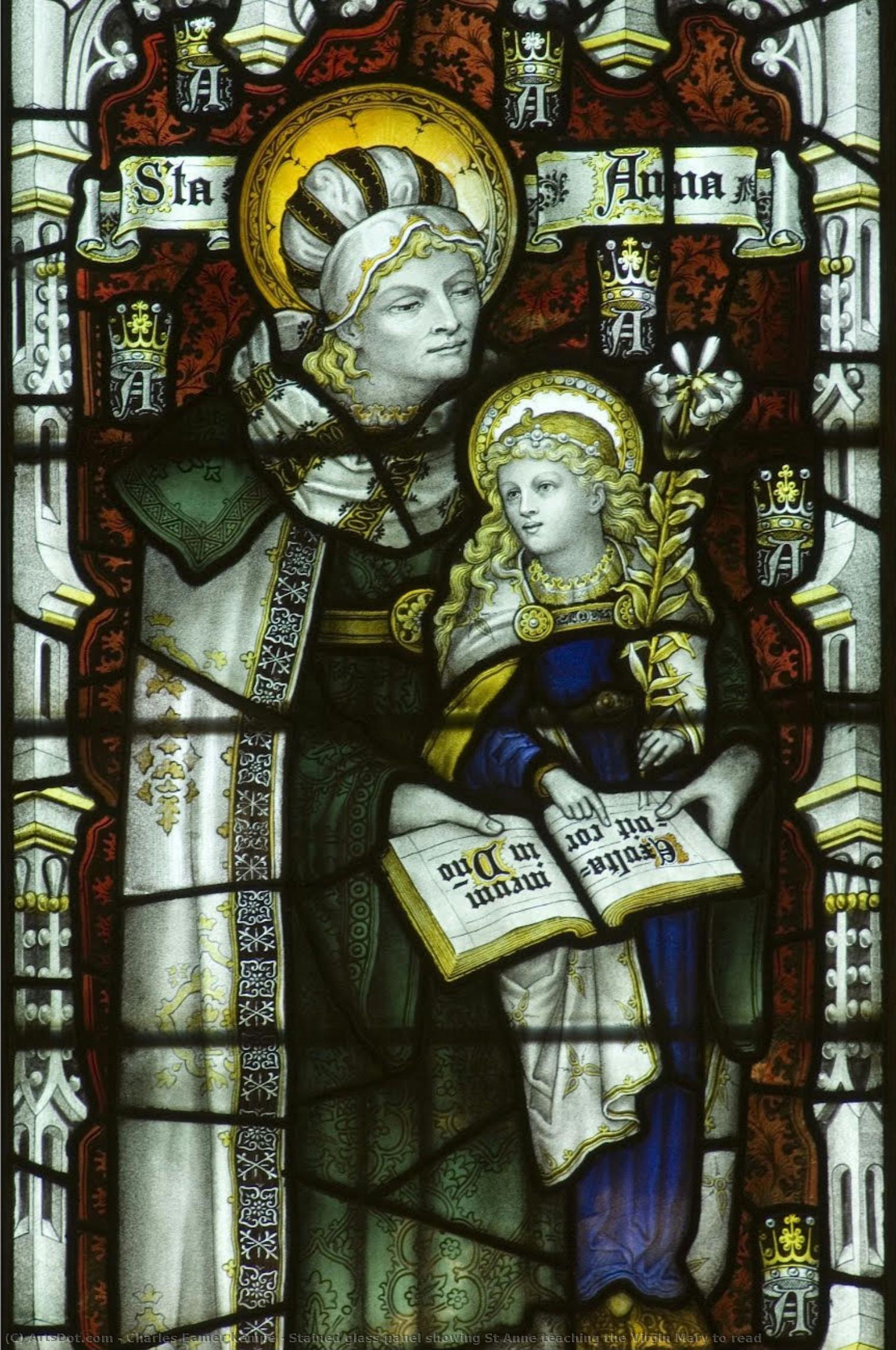
Stained glass panel showing St Anne teaching the Virgin Mary to read


 詳細を見る
詳細を見る




































作品のオリジナル比率に合わせた、当店の規定サイズからお選びください。

特定のフレームやスペースに合わせて、ご希望のサイズをご入力いただけます。選択されたサイズが元の画像の比率と異なる場合、アートワークをトリミングするか、手描きで要素を追加して絵画を拡張いたします。デジタルモックアップ を制作し、制作開始前にご確認(承認)をいただきます。
画面上のプレビューは、実際のトリミングや拡張を正確に反映しているものではありません。最終的な構図は、モックアップによってのみ正確にご確認いただけます。
カスタムサイズもご利用いただけますが、元の比率を維持するためには、あらかじめ用意されたリストからサイズを選択することをお勧めいたします。
ご注文後、ArtsDot.com チームより詳細な指示をお送りするとともに、仕上がりイメージ(モックアップ)をご提供いたします。


 ガラスオプションは、110cm未満のサイズでのみご利用いただけます。

Stained glass panel showing St Anne teaching the Virgin Mary to read
複製技法
複製画のサイズ
-


合計金額
$ 263
作品解説
関連作品







アーティストの略歴
A Life Illuminated: The Stained Glass Legacy of Charles Eamer Kempe
Born in the tranquil Sussex countryside at Ovingdean Hall in 1837, Charles Eamer Kempe embarked on a journey that would indelibly transform the landscape of Victorian stained glass. Initially drawn to the path of clergy and studying at Oxford University, Kempe’s artistic inclinations soon steered him toward design and craftsmanship. A stammer prevented his taking holy orders, but it was perhaps this very circumstance that unlocked his true calling – to adorn sacred spaces with beauty rather than through sermonizing. His early explorations encompassed textiles and furniture before a pivotal encounter with stained glass during an apprenticeship with the esteemed firm of William Morris, Marshall, Faulkner & Co., a cornerstone of the burgeoning Arts and Crafts movement. This formative experience instilled in him a deep respect for craftsmanship and honest materials, principles that would define his artistic ethos.Forging a Distinctive Vision
In 1870, Kempe established his own studio in London, a watershed moment allowing the full flowering of his unique style. While initially influenced by the Arts and Crafts movement’s emphasis on handiwork and rejection of mass production, he gradually diverged from the prevailing Gothic Revival aesthetic. He sought not to merely replicate medieval techniques but to infuse them with a vibrant individuality, favoring rich, jewel-toned palettes and intricate detailing that breathed new life into the art form. Kempe's windows are instantly recognizable through his signature incorporation of symbolic floral motifs – pomegranates representing resurrection, grapevines embodying the Eucharist, and passionflowers alluding to Christ’s suffering. These weren’t merely decorative elements; they were carefully chosen symbols woven into a narrative tapestry of faith and meaning. He developed a keen eye for color, moving away from the often muted tones favored by his contemporaries towards a more brilliant and expressive use of hue.A Prolific Output and Enduring Masterpieces
Over the course of his career, Kempe’s studios produced an astonishing body of work – over 4,000 windows alongside countless altars, altar frontals, furniture pieces, and other ecclesiastical furnishings. His creations grace many of the United Kingdom's most important cathedrals, including Chester, Gloucester, Hereford, Lichfield, Wells, Winchester, and York, each window a testament to his skill and devotion. Notable commissions included stunning windows for All Saints’ Church, Margaret Street, London, a landmark example of Anglo-Catholic architecture, and numerous parish churches throughout England. The stained glass panel depicting St. Anne teaching the Virgin Mary to read stands as a prime illustration of Kempe's detailed narrative style and masterful use of color, while the Margaret of Antioch window in All Saints showcases his exceptional command of indigo hues and the elegant principles of the Arts & Crafts movement.Influences and Artistic Synthesis
Kempe’s artistic development was shaped by a confluence of influences. The Pre-Raphaelites, with their emphasis on detail and narrative content, left an undeniable mark on his work. However, he diverged from their often subdued color schemes, embracing a more vibrant and expressive palette. The Arts and Crafts movement provided the philosophical foundation for his commitment to craftsmanship and the integration of art into everyday life. He drew inspiration from medieval stained glass techniques but adapted them to suit his own artistic vision, incorporating symbolic imagery derived from both religious texts and the natural world. He sought not imitation, but reinterpretation, breathing new life into ancient traditions. His designs weren’t simply beautiful; they were imbued with layers of meaning, inviting contemplation and spiritual reflection.A Lasting Legacy
Charles Eamer Kempe played a pivotal role in the revitalization of stained glass during the Victorian era, elevating it from a largely decorative craft to a respected fine art. His work represented a significant departure from earlier Gothic Revival styles, paving the way for more innovative and expressive approaches to design. Beyond stained glass, his designs for altars, furniture, and furnishings demonstrated his versatility as an artist and his commitment to creating harmonious and integrated artistic environments. Today, Kempe’s windows are highly sought after by collectors and continue to inspire artists and designers. His legacy endures as a testament to the power of craftsmanship, artistry, and spiritual expression – a luminous inheritance that continues to illuminate sacred spaces and captivate audiences worldwide.- Major Commissions: All Saints’ Church, Margaret Street (London), Chester Cathedral, Gloucester Cathedral.
- Signature Style: Rich colors, intricate detailing, symbolic floral motifs (pomegranates, grapevines, passionflowers).
- Influences: Arts and Crafts movement, Pre-Raphaelites, medieval stained glass techniques.
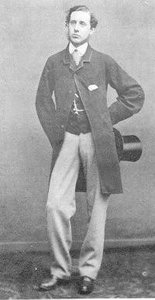
Charles Eamer Kempe
1837 - 1907 , United Kingdom
基本情報
- Artistic Movement Or Style: Arts & Crafts, Victorian
- Artists Or Movements Influenced By This Artist: ['Stained glass artists']
- Artists Who Influenced This Artist:
- Pre-Raphaelites
- William Morris
- Date Of Birth: 1837
- Date Of Death: 1907
- Full Name: Charles Eamer Kempe
- Nationality: British
- Notable Artworks:
- St. Anne teaching Mary
- Margaret of Antioch
- Jesus Christ stained glass
- Place Of Birth: Ovingdean, UK

