

 プレビュー
プレビュー
 プリントを購入
 シェアする
シェアする シェアする
シェアする
 詳細を見る
詳細を見る

 ダウンロード
 似ている作品
 X線調査
X線調査 スライドショー
Dieppe


 詳細を見る
詳細を見る




P118B $10

P118H $10

P118W $10

P438Z $10

P508JH $12

P508YH $12

P805H $10

P805Z $10

P919BZ $10

P919G $10

P919XJ $10

P959ZH $10

P968JZ $12

W106C $8

W218G $10

W218JH $8

W218Y $10

W307PJ $10

W316G $10

W316PJ $8

W316Y $10

W398PJ $8

W4111J $10

W500HY $15

W500JH $15

W692G $12

W849H $8

W940BG $15

W953PJ $8




作品のオリジナル比率に合わせた、当店の規定サイズからお選びください。

特定のフレームやスペースに合わせて、ご希望のサイズをご入力いただけます。選択されたサイズが元の画像の比率と異なる場合、アートワークをトリミングするか、手描きで要素を追加して絵画を拡張いたします。デジタルモックアップ を制作し、制作開始前にご確認(承認)をいただきます。
画面上のプレビューは、実際のトリミングや拡張を正確に反映しているものではありません。最終的な構図は、モックアップによってのみ正確にご確認いただけます。
カスタムサイズもご利用いただけますが、元の比率を維持するためには、あらかじめ用意されたリストからサイズを選択することをお勧めいたします。
ご注文後、ArtsDot.com チームより詳細な指示をお送りするとともに、仕上がりイメージ(モックアップ)をご提供いたします。


 ガラスオプションは、110cm未満のサイズでのみご利用いただけます。

Dieppe
複製技法
複製画のサイズ
-


合計金額
$ 288
作品解説
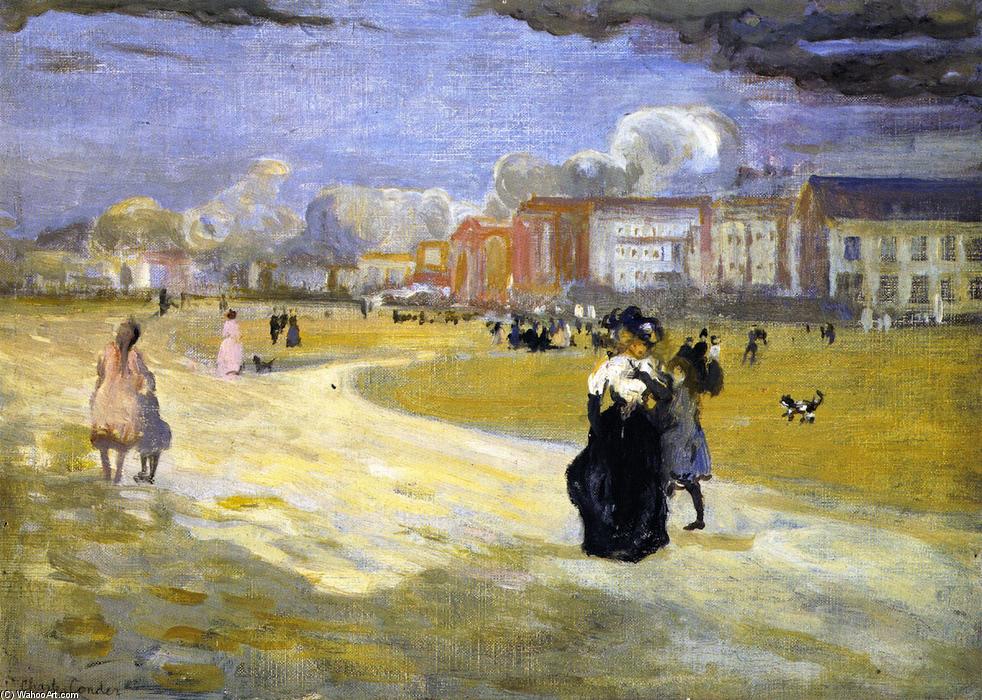
The Scene Unfolds: A Seaside Moment Captured
Charles Edward Conder’s “Dieppe,” painted in 1895, isn't merely a depiction of a coastal scene; it’s an immersion into a fleeting moment of tranquility and observation. The canvas breathes with the muted palette of a late afternoon – a symphony of blues deepening towards the horizon, punctuated by the warm ochres and yellows of the sand and distant buildings. The composition immediately draws the eye along a gentle diagonal path created by the sandy track leading toward the figures strolling along the beach. This isn’t a dramatic seascape; rather, it's an invitation to pause, to contemplate the quiet rhythm of daily life unfolding against the vastness of the sea.
The subject matter itself is deceptively simple: a group of people enjoying a seaside walk. Yet Conder elevates this commonplace activity through his masterful use of Impressionistic techniques. He’s less concerned with precise representation and more interested in capturing the *feeling* of the scene – the diffused light, the sense of warmth, the subtle interplay of color and texture. The figures are rendered with loose brushstrokes, their forms dissolving into the atmosphere, suggesting a momentary impression rather than a detailed portrait.
Impressionistic Techniques: A Dance of Light and Color
Conder’s approach is deeply rooted in Impressionism, a movement that sought to capture the subjective experience of light and color. Notice how he employs broken brushstrokes – short, distinct marks applied side-by-side rather than blended smoothly. This creates a shimmering effect, mimicking the way sunlight dances on water and reflects off surfaces. The layering of paint is equally significant; visible texture adds depth and richness to the canvas, inviting the viewer to examine the surface closely.
The color choices are deliberately restrained, contributing to the overall mood of serenity. He avoids bright, saturated hues, opting instead for a harmonious blend of blues, yellows, and browns. This creates a sense of atmospheric perspective – distant elements appear paler and less distinct, reinforcing the feeling of depth and distance. The use of complementary colors—the blue sky contrasted with the warm sand—further enhances the visual interest and vibrancy of the scene.
Historical Context: The Heidelberg School and Australian Modernism
To understand “Dieppe,” it’s crucial to consider Conder's place within the broader context of Australian art. He was a key figure in the Heidelberg School, a group of artists who developed a distinctly Australian style influenced by Impressionism and Post-Impressionism. Based in Melbourne, the Heidelberg School sought to capture the unique landscapes and light conditions of Victoria’s rural areas.
Conder's move to Sydney in 1884 marked a pivotal moment in his career. He quickly established himself as a talented landscape painter, experimenting with new techniques and styles. “Dieppe” reflects this period of artistic exploration, showcasing Conder’s growing mastery of Impressionistic principles while retaining a distinctly Australian sensibility. The painting's subject matter – a seaside scene – resonated deeply with the Heidelberg School’s focus on capturing the beauty of the natural world.
Symbolism and Emotional Resonance: A Moment of Quiet Reflection
Beyond its technical merits, “Dieppe” possesses a subtle yet powerful symbolic resonance. The figures strolling along the beach represent leisure, connection, and the simple pleasures of life. The vast expanse of the sea symbolizes both opportunity and uncertainty – a reminder of the world beyond our immediate surroundings. The painting evokes a sense of quiet contemplation, inviting the viewer to slow down and appreciate the beauty of the present moment.
Ultimately, “Dieppe” is more than just a landscape; it’s a meditation on light, color, and human experience. It's a testament to Conder's artistic vision and his ability to capture the essence of a fleeting scene with remarkable sensitivity and skill. A reproduction of this work offers a beautiful addition to any collection, bringing a touch of Impressionistic serenity into your home.
関連作品
アーティストの略歴
幼少期と芸術への道のり
チャールズ・エドワード・コンダーは、イギリスに生まれ、画家、リトグラファー、そしてデザイナーとして、美術史に消えることのない足跡を残しました。1868年10月24日、ミドルセックス州トッテナムに生を受けた彼の幼少期は、悲しみとともにありました。わずか4歳の時、インドで母親を亡くすという過酷な経験をしたのです。オーストラリアでの芸術的キャリア
1884年、16歳になったコンダーは、新たな地を求めてオーストラリアのシドニーへと渡りました。当初は叔父のもとで土地測量士として働いていましたが、彼はすぐに、大地を数値化して測量することよりも、その風景をキャンバスに描き出すことに真の情熱があることに気づきました。1886年までには、アルバート・ヘンリー・フルウッドやフランク・マホニーといった著名な芸術家たちと共に、イラストレイテッド・シドニー・ニュースの画家としての地位を確立していきました。ハイデルベルク派と代表作
コンダーの傑作、「オリエント号の出航 — サーキュラー・キー(1888年)」は、彼が手に入れた形態への習熟と、鮮やかな筆致を見事に示しています。シドニー・コーブの活気あふれる港の風景を描いたこの埠頭の情景は、瞬く間にニューサウスウェールズ州立美術館によって購入され、コンダーの作品が公的なコレクションに収蔵される最初の記念碑的な出来事となりました。- 「メントンでの休日(1888年)」は、ビーチでくつろぐ男女の姿を描いた、コンダーらしい享楽的で愛らしい作品のもう一つの代表例です。
- イタリア人の放浪画家であるG. P. Nerliとの交流は、彼の芸術的発展に極めて大きな影響を与えました。
- トム・ロバーツやアーサー・ストリートンと共にメルボルンで開催された「9 by 5 インプレッション展」への貢献は、ハイデルベルク派という運動における彼の地位を揺るぎないものにしました。
遺産と晩年
コンダーの晩年は、麻痺や震戦せん妄といった病魔にさいなまれる困難な時期でもありました。しかし、そのような苦しみの中でも彼は描き続けることをやめず、ハイデルベルク派の重要人物としてのレガシーを後世に残しました。彼の芸術はパリよりもむしろイギリスで高く評価され、1892年にはアンリ・ド・トゥールーズ=ロートレックによってその肖像が描かれるほどでした。コンダーの作品はニューサウスウェールズ州立美術館で鑑賞できるほか、ハイデルベルク派の詳細についてはArtsDotのチャールズ・エドワード・コンダー専用ページでご覧いただけます。- コンダーの生涯と作品についてのさらなる詳細は、Wikipediaのチャールズ・コンダーのページをご覧ください。
- 「メントンでの休日(1888年)」や「オリエント号の出航 — サーキュラー・キー(1888年)」を含む、コンダーの絵画コレクションはArtsDotのウェブサイトで探索いただけます。
結び
オーストラリア・インプレッショニズム(印象主義)におけるチャールズ・エドワード・コンダーの影響力は、疑いようのないものです。その魅惑的な絵画とハイデルベルク派との深い結びつきによって刻まれた彼の遺産は、今もなお世界中の芸術愛好家たちの心を捉え続けています。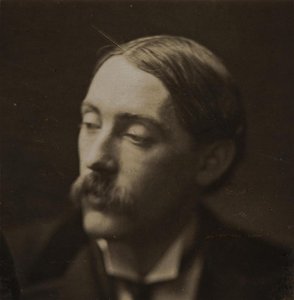
チャールズ・エドワード・コンダー
1868 - 1909 , イギリス
基本情報
- Artistic Movement Or Style: ハイデルベルク派
- Artists Who Influenced This Artist:
- アルフレッド・ダプリン
- ヴィクター・マン
- ジュリアン・アシュトン
- Date Of Birth: 1868年10月24日
- Full Name: チャールズ・エドワード・コンダー
- Nationality: イギリス
- Notable Artworks:
- オリエント号の出航 – サーキュラー・キー
- メントンでの休日
- 南半球の太陽の下で
- Place Of Birth: イギリス、トッテナム
関連記事
Impressionistic Landscapes: 10 Masterpieces That Changed Art & Decor
Journey into the heart of Impressionism! Explore 10 masterpieces by Monet, Renoir & Degas that revolutionized landscape art. Discover their stories, techniques & find museum-quality reproductions to elevate your home decor on ArtsDot.com.
印象派風景を彩った至宝:アート史に名を刻む10選
印象派風景の革新を彩った10選。モネ、ルノワールら巨匠の名作を紐解き、色彩と光が生み出す感動の世界へ。アートの歴史とインテリアのインスピレーションをArtsDot.comで。高品質な複製画で、あなただけの空間を創造しましょう。
Beyond the Horizon: A Curated Guide to Integrating Post-Impressionist Landscapes into Modern Interiors
Transform your home with the emotive power of Post-Impressionist landscapes. Discover expert tips on selecting hand-painted oil reproductions to create a soulful, vibrant interior that reflects your unique style and connection to nature.

Evocations of Place: A Historical Journey Through Landscape Art
Explore the rich history of landscape art with ArtsDot. Discover renowned artists, movements like Impressionism & Romanticism, and expert guidance for collecting timeless pieces. Find your perfect serene escape today!

ロマン派ランドスケープ:時代を彩る巨匠の10選|アートとインテリアの世界
ロマン派絵画の時代を彩る10選。巨匠たちの風景が織りなす感動の世界へ。ターナー、ルーベンスなど、名作の裏話と高精細複製でアートをお部屋に。ArtsDot.comで至福のアート体験を。

