

 プレビュー
プレビュー
 プリントを購入
 シェアする
シェアする シェアする
シェアする
 詳細を見る
詳細を見る

 ダウンロード
 似ている作品
 X線調査
X線調査 スライドショー
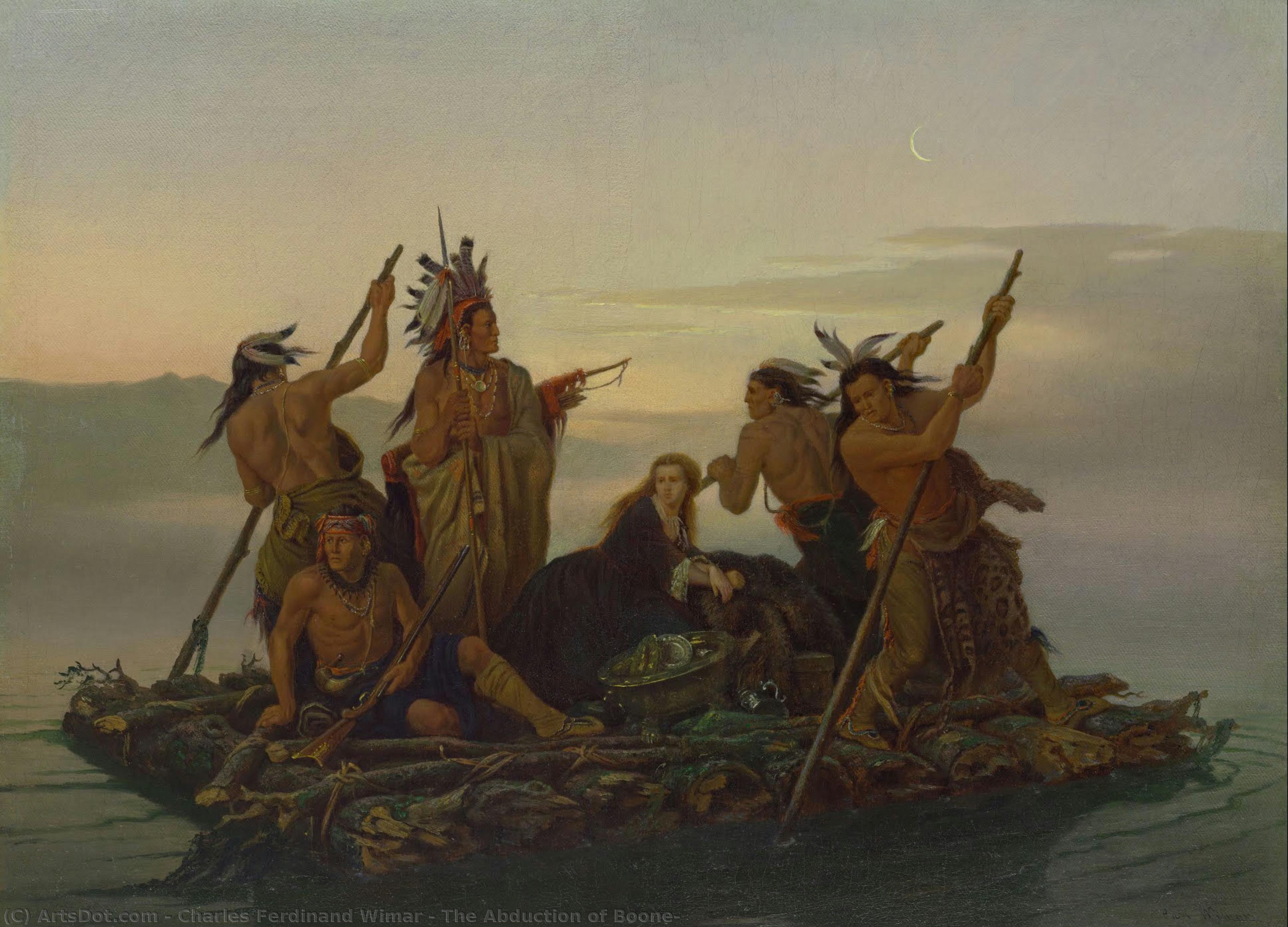
The Abduction of Boone
 Oil
Oil- WallArt
- Genre Painting
 1856
1856- 19th Century
 64.0 x 47.0 cm
 Amon Carter Museum of American Art
 詳細を見る
詳細を見る




P118B $10

P118H $10

P118W $10

P438Z $10

P508JH $12

P508YH $12

P805H $10

P805Z $10

P919BZ $10

P919G $10

P919XJ $10

P959ZH $10

P968JZ $12

W106C $8

W218G $10

W218JH $8

W218Y $10

W307PJ $10

W316G $10

W316PJ $8

W316Y $10

W398PJ $8

W4111J $10

W500HY $15

W500JH $15

W692G $12

W849H $8

W940BG $15

W953PJ $8




作品のオリジナル比率に合わせた、当店の規定サイズからお選びください。

特定のフレームやスペースに合わせて、ご希望のサイズをご入力いただけます。選択されたサイズが元の画像の比率と異なる場合、アートワークをトリミングするか、手描きで要素を追加して絵画を拡張いたします。デジタルモックアップ を制作し、制作開始前にご確認(承認)をいただきます。
画面上のプレビューは、実際のトリミングや拡張を正確に反映しているものではありません。最終的な構図は、モックアップによってのみ正確にご確認いただけます。
カスタムサイズもご利用いただけますが、元の比率を維持するためには、あらかじめ用意されたリストからサイズを選択することをお勧めいたします。
ご注文後、ArtsDot.com チームより詳細な指示をお送りするとともに、仕上がりイメージ(モックアップ)をご提供いたします。


 ガラスオプションは、110cm未満のサイズでのみご利用いただけます。

The Abduction of Boone
複製技法
複製画のサイズ
-


合計金額
$ 263
作品解説
A Cinematic Encounter on the American Frontier
In the heart of the mid-19th century, as the American frontier expanded with both hope and profound violence, Charles Ferdinand Wimar captured a moment of breathless tension in his masterpiece, The Abduction of Boone. This evocative oil painting serves as a window into a period of intense colonial friction, transporting the viewer to a landscape where the boundaries between civilization and the untamed wilderness were being violently contested. The scene is thick with drama, centering on the harrowing confrontation between Boone and a group of Native American men. Wimar masterfully orchestrates a composition that feels less like a static portrait and more like a captured frame from an epic cinematic tragedy, where every pointed weapon and furrowed brow contributes to an overwhelming sense of impending doom.
The technical prowess of Wimar, shaped by his rigorous training at the Düsseldorf Academy under the legendary Emanuel Leutze, is on full display through his ability to manipulate light and shadow to heighten the narrative stakes. The artist employs a style that blends historical realism with a romanticized intensity, characteristic of the era's fascination with the "Wild West." Notice how the light catches the metallic sheen of firearms and the glint in the eyes of the dogs, adding a layer of visceral reality to the scene. His brushwork, while precise enough to render the textures of clothing and the ripples of the river, possesses a fluid energy that mirrors the chaotic movement within the frame. The presence of the boat in the mid-ground provides a structural anchor to the composition, yet its stillness only serves to contrast with the kinetic aggression of the figures surrounding Boone.
Symbolism and the Weight of History
Beyond the immediate spectacle of the abduction, The Abduction of Boone is rich with symbolic layers that speak to the complex identity of the American frontier. The dogs, positioned on either side of the central conflict, act as silent witnesses—symbols of domesticity and loyalty caught in the crossfire of a much larger, more primal struggle. The river, flowing through the center of the piece, represents both a lifeline for the emigrant trails and a treacherous barrier that separates different worlds. For the discerning collector, this painting is not merely a depiction of a historical incident; it is an exploration of the themes of displacement, survival, and the collision of cultures that defined the 1850s.
For interior designers and art enthusiasts looking to anchor a room with a sense of history and gravitas, this reproduction offers an unparalleled opportunity. The painting’s palette—earthy tones punctuated by the stark whites and deep shadows of the frontier landscape—makes it a versatile centerpiece for sophisticated spaces. Whether placed in a study filled with leather-bound books or as a conversation starter in a contemporary gallery-style living room, The Abduction of Boone commands attention. It invites the viewer to contemplate the rugged spirit of the past and brings a profound, narrative depth to any curated collection of fine art.
関連作品
アーティストの略歴
early life and artistic pursuits
charles ferdinand wimar, also known as karl ferdinand wimar or carl wimar, was a german-american painter born in siegburg, germany in 1828. he immigrated to the united states with his family at the age of 15 and settled in st. louis, missouri. wimar began studying painting with leon pomarede in 1846 and later traveled up the mississippi river.artistic influences and notable works
wimar's style was significantly influenced by his time at the düsseldorf academy, where he studied with emanuel leutze. this period is evident in his works, such as the abduction of boone's daughter by the indians (1855-1856), depicting a colonial incident near boonesborough, kentucky.- the attack on an emigrant train (university of michigan museum of art, oil on canvas) showcases wimar's skill in capturing dramatic scenes.
- wimar's work is also featured in the the saint louis art museum, a cultural gem in the heart of america, which houses an impressive collection of artworks from various periods and regions.
later life and contributions to american art
wimar made two long trips up the missouri river in 1858 and 1859, and painted murals in the rotunda of the st. louis court house in 1861. his contributions to american art are notable for capturing the essence of native americans in the west and the great herds of buffalo. notable works:- explore more of wimar's works on ArtsDot.com
- discover the kunstsammlungen und museen augsburg, a cultural treasure in augsburg, germany, featuring an impressive collection of artworks from various periods.
legacy and remembrance
charles ferdinand wimar passed away in st. louis in 1862, leaving behind a legacy of art that continues to inspire and educate. his life's work is a testament to the enduring power of art in capturing the essence of a bygone era.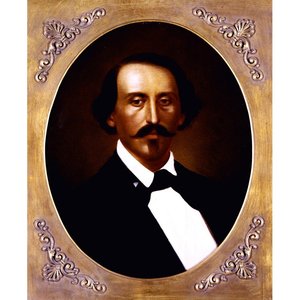
charles ferdinand wimar
1828 - 1862 , Germany
基本情報
- Artistic Movement Or Style: Düsseldorf School
- Artists Or Movements Influenced By This Artist: ['Romanticism']
- Artists Who Influenced This Artist: ['Emanuel Leutze']
- Date Of Birth: February 20, 1828
- Date Of Death: November 28, 1862
- Full Name: Charles Ferdinand Wimar
- Nationality: German-American
- Notable Artworks:
- The Abduction of Boone's Daughter by the Indians
- The Attack on an Emigrant Train
- Place Of Birth: Siegen, Germany
関連記事
George Catlin: Witnessing & Representing Indigenous Life on the American Frontier
Explore the captivating art of George Catlin, renowned for his vivid portraits & landscapes documenting Native American life on the frontier. Discover a vanishing world through stunning paintings and historical context.
Grant Wood & American Regionalism: Identity, Myth & the Rural Landscape
Explore the world of Grant Wood & American Regionalism with ArtsDot. Discover the symbolism behind 'American Gothic', recurring themes, and the movement's lasting impact on art history. High-quality reproductions available.
Alfred Jacob Miller: Chronicling the American West Through Artistic Observation & Narrative
Explore the captivating art of Alfred Jacob Miller, chronicler of the American West. Discover his iconic paintings, techniques & lasting legacy – a valuable addition to any serious collection. Learn more at ArtsDot.
James Otto Lewis: Navigating American Modernism Through Regional Identity & Stylistic Innovation
Explore the captivating portraits of James Otto Lewis, a pivotal figure bridging 19th-century realism & American Modernism. Discover his groundbreaking work documenting Native American culture and regional identity.
American Realism's Defining Works: 10 Masterpieces for Your Home
Explore 10 defining American Realism masterpieces – Hopper, Homer & more. Discover the stories behind these iconic paintings and bring timeless art to your home with ArtsDot's museum-quality reproductions. Explore the full collection online.

