 プレビュー
プレビュー
 プリントを購入
 シェアする
シェアする シェアする
シェアする
 詳細を見る
詳細を見る

 ダウンロード
 似ている作品
 X線調査
X線調査 スライドショー
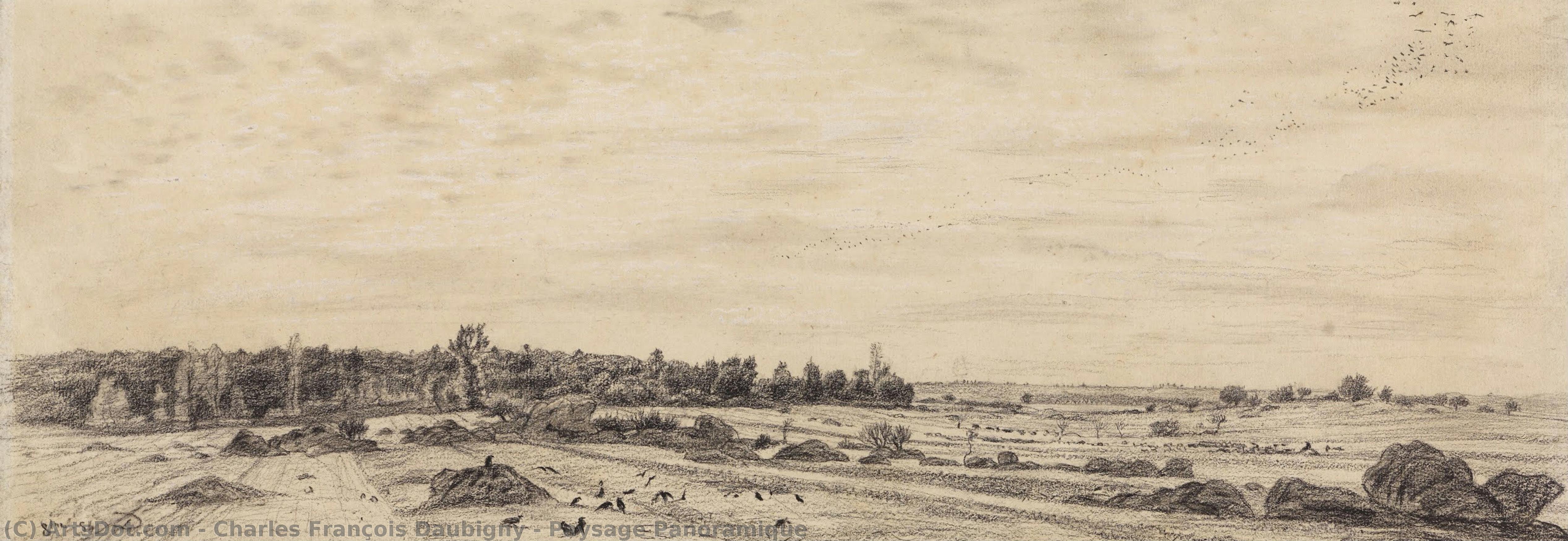
Paysage Panoramique
 Oil On Canvas
- WallArt
- Atmospheric Impressionism
 1854
1854- 19th Century
 52.0 x 19.0 cm
 シュタットリッヒェ・クンストハレ・カールスルーエ
 詳細を見る
詳細を見る




P118B $10

P118H $10

P118W $10

P438Z $10

P508JH $12

P508YH $12

P805H $10

P805Z $10

P919BZ $10

P919G $10

P919XJ $10

P959ZH $10

P968JZ $12

W106C $8

W218G $10

W218JH $8

W218Y $10

W307PJ $10

W316G $10

W316PJ $8

W316Y $10

W398PJ $8

W4111J $10

W500HY $15

W500JH $15

W692G $12

W849H $8

W940BG $15

W953PJ $8




作品のオリジナル比率に合わせた、当店の規定サイズからお選びください。

特定のフレームやスペースに合わせて、ご希望のサイズをご入力いただけます。選択されたサイズが元の画像の比率と異なる場合、アートワークをトリミングするか、手描きで要素を追加して絵画を拡張いたします。デジタルモックアップ を制作し、制作開始前にご確認(承認)をいただきます。
画面上のプレビューは、実際のトリミングや拡張を正確に反映しているものではありません。最終的な構図は、モックアップによってのみ正確にご確認いただけます。
カスタムサイズもご利用いただけますが、元の比率を維持するためには、あらかじめ用意されたリストからサイズを選択することをお勧めいたします。
ご注文後、ArtsDot.com チームより詳細な指示をお送りするとともに、仕上がりイメージ(モックアップ)をご提供いたします。


 ガラスオプションは、110cm未満のサイズでのみご利用いただけます。

Paysage Panoramique
複製技法
複製画のサイズ
-


合計金額
$ 263
作品解説
Charles-François Daubigny’s “Paysage Panoramique”: A Window into 19th-Century Life
“Paysage Panoramique,” painted in 1854 by Charles-François Daubigny, offers a captivating glimpse into the burgeoning world of mid-19th century France. This panoramic view transcends a simple depiction of a lakeside town; it’s a vibrant tableau brimming with life, industry, and a nascent appreciation for the Impressionist aesthetic. Measuring 52 x 19 cm, the painting invites the viewer to step directly into the scene – to feel the warmth of the sun on their skin, hear the gentle lapping of water against the shore, and witness the bustling activity of a community at leisure.
- Subject Matter: The composition centers around a picturesque town nestled beside a substantial body of water. A multitude of boats – from small rowboats to larger vessels – punctuate the scene, suggesting commerce and recreation.
- Human Presence: Scattered throughout the landscape are numerous figures, primarily engaged in activities such as boating, fishing, or simply enjoying the view. This emphasis on human interaction was a key element in Daubigny’s approach, reflecting a growing interest in depicting everyday life.
- Animal Life: The inclusion of livestock – horses, cows, sheep – and a dog adds another layer to the scene, grounding it firmly in the rural traditions that still held sway alongside the burgeoning urban centers. These animals aren't merely decorative; they contribute significantly to the painting’s overall sense of realism and connection to nature.
Daubigny’s Pioneering Technique: Atmospheric Impressionism
Charles-François Daubigny was a pivotal figure in the development of French landscape painting, often considered a precursor to Impressionism. His artistic journey began within the confines of academic training under Paul Delaroche, but he quickly sought liberation from rigid conventions. A transformative trip to Italy with Henri Mignan in 1836 profoundly shaped his vision, instilling a deep appreciation for the nuances of light and atmosphere – a fascination that would define his work.
Daubigny’s technique is characterized by loose brushstrokes and a focus on capturing fleeting moments of light and color. He employed a broken colour method, applying small dabs of paint side-by-side rather than blending them, allowing the viewer's eye to mix the colours optically. This approach, combined with his meticulous observation of nature, resulted in paintings that possess a remarkable sense of immediacy and vibrancy. The painting’s shimmering water reflects the light beautifully, demonstrating Daubigny’s mastery of capturing atmospheric effects.
Historical Context & Symbolism
“Paysage Panoramique” was created during a period of significant social and economic change in France. The rise of industrialization and urbanization were transforming the landscape, yet there remained a strong connection to rural traditions. Daubigny’s painting reflects this duality – a celebration of both the beauty of nature and the realities of human life within it.
The presence of boats and water suggests themes of trade, transportation, and leisure—activities central to 19th-century society. The animals represent sustenance, labor, and the enduring relationship between humans and the natural world. Daubigny’s choice of a panoramic view was also significant; it offered a comprehensive perspective, mirroring the growing desire for expansive views and a broader understanding of the world.
Emotional Impact & Artistic Value
"Paysage Panoramique" is more than just a picturesque scene; it's an evocative portrayal of a bygone era. The painting’s vibrant colors, dynamic composition, and realistic depiction of human activity create a powerful emotional response. It captures a sense of tranquility, community, and the simple pleasures of life – themes that continue to resonate with viewers today.
As a hand-painted reproduction, this artwork offers an unparalleled opportunity to bring Daubigny’s vision into your home or office. Its size (52 x 19 cm) makes it suitable for a variety of spaces, and its timeless appeal ensures that it will remain a cherished addition to any collection.
関連作品

アーティストの略歴
シャルル=フランソワ・ドービニィの生涯と芸術:大気印象主義の先駆者
1817年にパリで生まれたシャルル=フランソワ・ドービニィは、画家であった父エドメ・フランソワ・ドービニィと叔父ピエール・ドービニィに育まれ、幼少の頃から芸術的な伝統に触れていました。しかし、若いドービニィはアカデミックな制約を超え、自然界とのより直接的な関わりを求めるようになります。ポール・ドラローシュの下での初期の研究は技術的なスキルを提供しましたが、1836年に画家アンリ・ミニャンと共にイタリアへの旅が彼の芸術的ビジョンに真の火をつけました。この経験を通して、彼は風景に対する深い理解と、それを理想化された景色としてではなく、生きた呼吸する存在として捉えたいという願望を抱くようになりました。パリに戻ったドービニィは、書籍の挿絵や装飾パネルなどの商業的な仕事と、彼のキャリアを定義することになるプレネール(屋外制作)への情熱とのバランスをとりました。彼はリュ・デ・ザマンディエ=ポパンクールにある芸術家コミュニティの一員となり、新しいアプローチへの共同研究と探求を促進しました。バルビゾン派と自然の受容
ドービニィの芸術的軌跡は、1843年にフォンテーヌブロー森林の中に位置する小さな村バルビゾンに定住したときに画期的な転換点を迎えました。これは彼がバルビゾン派と正式に関わることになり、このグループの画家たちはアカデミックな絵画の洗練された人工性を拒否し、農村生活や風景の直接的な観察と率直な表現を好みました。以前の風景画家たちがスケッチを屋外で行い、作品をスタジオで完成させるのとは異なり、バルビゾン派の画家たち—テオドール・ルソー、ジャン=フランソワ・ミレー、カミーユ・コローを含む—はプレネール絵画を基本的な原則として受け入れました。ドービニィとコローの友情は特に影響力があり、彼らは共にフォンテーヌブロー森林を探求し、光や大気の微妙なニュアンスをとらえました。この時期に、ドービニィは「ボタン」という革新的なアイデアを思いつきました。これはセーヌ川やオワーズ川などのフランスの川を航行するために改造された船で、彼が多様な風景への比類のないアクセスを提供し、自然との親密なつながりを育みました。この移動スタジオは彼の芸術的実践と同義となり、直接生活から描くことへの彼の献身を象徴しました。写実主義と印象主義の架け橋
ドービニィの作品は19世紀の美術史において独特の位置を占めており、バルビゾン派の写実主義と新興の印象派運動をつなぐ重要な役割を果たしています。バルビゾン派の伝統にしっかりと根ざし、自然を忠実に誠実に描写しながらも、彼の絵画はますます大気効果、つかの間の光の瞬間、主観的な知覚を強調するようになりました—これらの質は、モネ、ルノワールなどの同時代の人々が革新したものを予見していました。彼は*クリシェ・ヴェール*(写真と版画を組み合わせた技法)のような技術を実験し、新しいテクノロジーや芸術的可能性への開放性を示しました。彼の風景画は、広い緩い筆致、くすんだパレット、光と天候のつかの間の質をとらえることに焦点を当てています。1857年の「収穫」や1864年の「ジルイユ池」などの絵画は、ムードと大気を喚起する彼の能力を例証し、鑑賞者をフランス田園地方の中心に運び込みます。彼は単に見ているものを記録していたのではなく、その瞬間にそこにいることの*感じ方*を伝えていました。遺産と永続的な影響
シャルル=フランソワ・ドービニィは1878年にパリで亡くなり、今日まで響き続ける豊かな芸術的遺産を残しました。彼の影響力は、息子カールを含む直接の弟子たち—アシル・ウディノーやイポリット・カミーユ・デルピー—を超えて、何世代にもわたる風景画家たちにインスピレーションを与えました。彼はバルビゾン派と新興の印象派運動とのつながりを促進し、クロード・モネやポール・セザンヌに新しい見方や絵画の方法を紹介しました。プレネール絵画への献身、大気効果の探求、そして革新を受け入れる意欲は、19世紀後半の芸術的変革の道を切り開きました。ドービニィの絵画は現在、パリのオルセー美術館やシンシナティ美術館を含む世界中の主要な美術館に所蔵されており、彼の芸術史への永続的な貢献を証明しています。彼は重要な人物であり—印象主義の到来を予見し、近代絵画の流れを形作った大気写実主義の巨匠です。代表作
- 収穫 (1857): 農村生活と大気を捉えるドービニィの能力を示す典型的な例で、現在はオルセー美術館に所蔵されています。
- ジルイユ池 (1864): 風景画の習熟度と大気遠近法の技術を実証しており、現在はシンシナティ美術館に所蔵されています。
- 月光 (1865): 微妙な光の効果で夜のシーンを描くドービニィのスキルを示しています。
- オワーズ=シュル=オワーズ (1868): フランス田園地方の魅惑的な描写であり、この地域との深いつながりを反映しています。
- 波濤 (1876): 波と沿岸の美しさを描いた印象派的作品です。
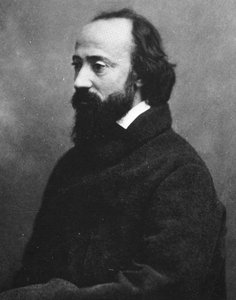
シャルル=フランソワ・ドービニョー
1817 - 1878 , フランス
基本情報
- Artistic Movement Or Style: バルビゾン派、印象主義先駆者
- Artists Or Movements Influenced By This Artist:
- 印象主義
- クロード・モネ
- ポール・セザンヌ
- Artists Who Influenced This Artist:
- カミーユ・コロー
- ギュスターヴ・クールベ
- Date Of Birth: 1817年2月15日
- Date Of Death: 1878年2月19日
- Full Name: シャルル・フランソワ・ドービニョ
- Nationality: フランス人
- Notable Artworks (List Of Titles):
- 収穫(1857)
- ジルューの池(1864)
- 月光(1865)
- オーヴェル=シュール=ワーズ(1868)
- Place Of Birth (City And Country): フランス、パリ
関連記事

印象派風景を彩った至宝:アート史に名を刻む10選
印象派風景の革新を彩った10選。モネ、ルノワールら巨匠の名作を紐解き、色彩と光が生み出す感動の世界へ。アートの歴史とインテリアのインスピレーションをArtsDot.comで。高品質な複製画で、あなただけの空間を創造しましょう。

Impressionistic Landscapes: 10 Masterpieces That Changed Art & Decor
Journey into the heart of Impressionism! Explore 10 masterpieces by Monet, Renoir & Degas that revolutionized landscape art. Discover their stories, techniques & find museum-quality reproductions to elevate your home decor on ArtsDot.com.
Evoking Nature's Sublime: A Comprehensive Exploration of 19th-Century Landscape Painting
Explore the captivating world of 19th-century landscape painting! Discover renowned artists like Friedrich & Monet, key movements, and find the perfect artwork to bring nature's serenity into your home. Expert insights at ArtsDot.

ロマン派ランドスケープ:時代を彩る巨匠の10選|アートとインテリアの世界
ロマン派絵画の時代を彩る10選。巨匠たちの風景が織りなす感動の世界へ。ターナー、ルーベンスなど、名作の裏話と高精細複製でアートをお部屋に。ArtsDot.comで至福のアート体験を。
Boats on Canvas: 10 Masterpieces of Maritime Art for Your Home Decor
Sail away with 10 iconic boat paintings! Explore masterpieces by Monet, Van Gogh & Turner. Discover the stories behind these timeless seascapes and find museum-quality art reproductions for your home decor at ArtsDot.com.