

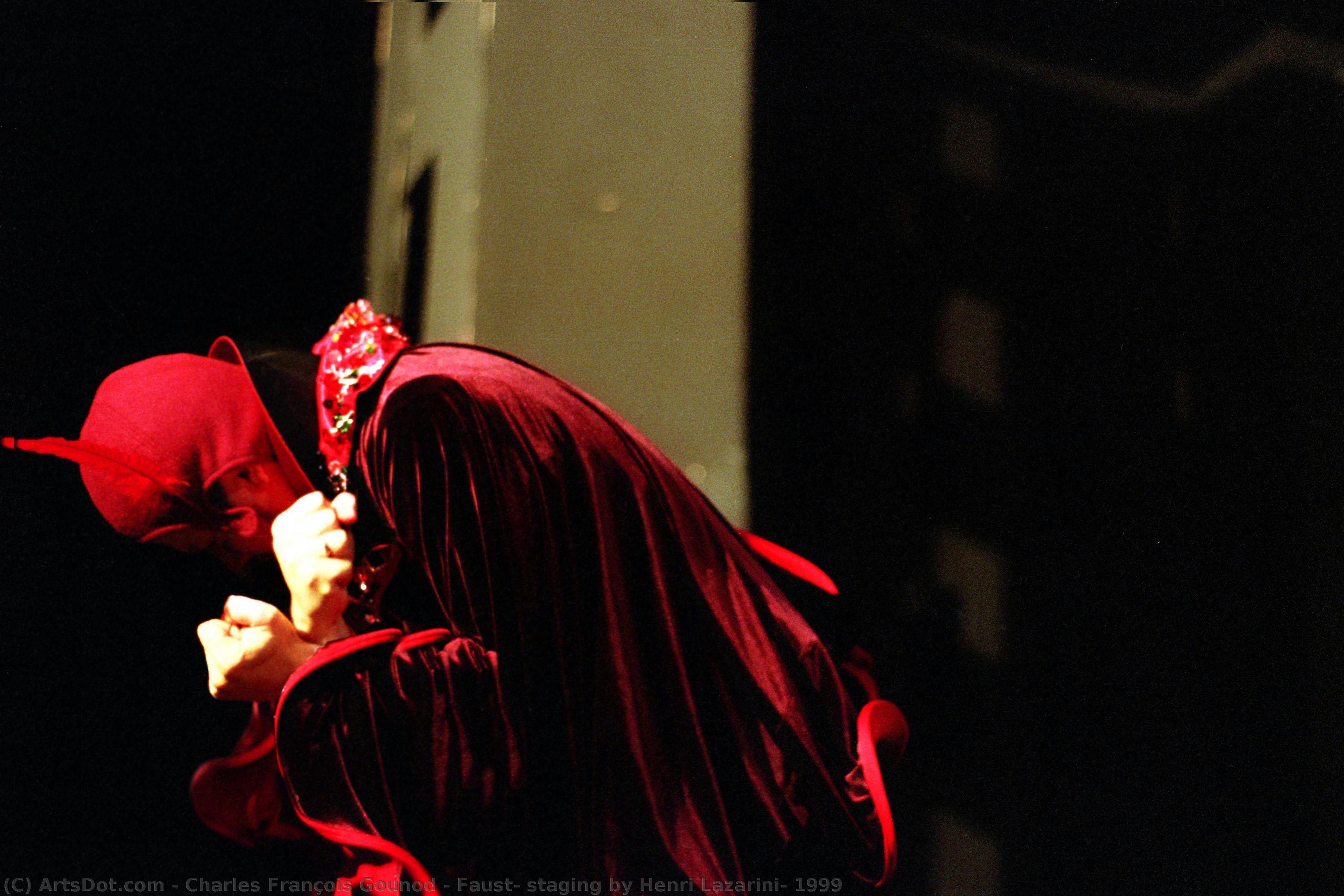
 プレビュー
プレビュー
 プリントを購入
 シェアする
シェアする シェアする
シェアする
 詳細を見る
詳細を見る

 ダウンロード
 似ている作品
 X線調査
X線調査 スライドショー
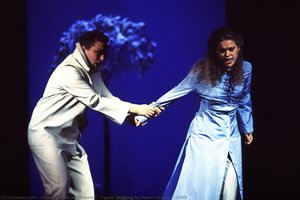
Faust, staging by Henri Lazarini, 1999


 詳細を見る
詳細を見る




































作品のオリジナル比率に合わせた、当店の規定サイズからお選びください。

特定のフレームやスペースに合わせて、ご希望のサイズをご入力いただけます。選択されたサイズが元の画像の比率と異なる場合、アートワークをトリミングするか、手描きで要素を追加して絵画を拡張いたします。デジタルモックアップ を制作し、制作開始前にご確認(承認)をいただきます。
画面上のプレビューは、実際のトリミングや拡張を正確に反映しているものではありません。最終的な構図は、モックアップによってのみ正確にご確認いただけます。
カスタムサイズもご利用いただけますが、元の比率を維持するためには、あらかじめ用意されたリストからサイズを選択することをお勧めいたします。
ご注文後、ArtsDot.com チームより詳細な指示をお送りするとともに、仕上がりイメージ(モックアップ)をご提供いたします。


 ガラスオプションは、110cm未満のサイズでのみご利用いただけます。

Faust, staging by Henri Lazarini, 1999
複製技法
複製画のサイズ
-


合計金額
$ 288
関連作品





アーティストの略歴
Thomas Prichard Rossiter: Bridging Romanticism and the Hudson River School
Born in New Haven, Connecticut, in 1818, Thomas Prichard Rossiter’s artistic journey was one of constant evolution, marked by a deep engagement with European art movements and culminating in his significant contribution to the burgeoning American landscape painting scene. Initially influenced by John Boyd and Nathaniel Jocelyn, Rossiter's early training laid the groundwork for a career that would ultimately see him straddle the Romantic and Hudson River School traditions, creating works of striking beauty and historical resonance.
Rossiter’s formative years were spent in New York City, where he honed his skills and established himself as an independent artist. A pivotal moment arrived with his European travels in 1840, undertaken alongside Asher B. Durand, John Kensett, and John William Casilear. This excursion to Italy proved transformative, exposing him to the artistic legacy of Raphael and Michelangelo – figures whose influence would profoundly shape his later work. He spent several years immersed in the Roman art scene, absorbing classical techniques and developing a refined aesthetic sensibility. Returning to New York in 1846, he shared a studio with Louis Lang, further enriching his artistic dialogue.
A European Sojourn and Artistic Maturation
The decision to relocate to Paris in 1853 marked another crucial stage in Rossiter’s development. His wife, Anna Ehrick Parmly, accompanied him, and their family found a new home amidst the vibrant artistic community of the city. This period witnessed a deepening of his artistic practice, culminating in recognition at the Universal Exposition of 1855, where he received a gold medal for his painting *Venice in the Fifteenth Century*. The experience fostered a greater appreciation for European art and culture, subtly influencing his palette and compositional choices.
However, tragedy struck with Anna’s untimely death shortly after the birth of their daughter, Anna. The family subsequently returned to New York, where Rossiter continued to refine his artistic vision. His studio became a hub for artistic exchange, fostering collaborations and providing a space for experimentation. He maintained a gallery, showcasing both his own work and that of fellow artists like Kensett, further solidifying his position within the city’s art community.
Historical Narratives and the American Landscape
The mid-1850s witnessed a shift in Rossiter's artistic focus. He embarked on a series of ambitious historical paintings – *Washington and Lafayette at Mount Vernon*, *Washington and His First Cabinet*, and *George Washington and Family* – that demonstrated his growing interest in depicting significant moments in American history. These works were not merely straightforward portraits; they were carefully researched narratives, imbued with a sense of patriotic fervor and an appreciation for the grandeur of the early republic. His meticulous attention to detail, combined with a refined understanding of composition and color, elevated these paintings beyond simple historical illustrations.
Rossiter’s research for these monumental canvases led him to Mount Vernon in 1858, where he documented the deteriorating state of George Washington's estate. This experience fueled his desire to preserve America’s heritage and inspired a renewed commitment to capturing the essence of American history through his art. His subsequent writings on Mount Vernon reflected both a personal sadness at the decline of this iconic landmark and a passionate plea for its restoration.
Legacy and Historical Significance
Thomas Prichard Rossiter’s artistic career spanned several decades, during which he navigated the evolving landscape of American art. While often overshadowed by his more celebrated contemporaries within the Hudson River School, his work represents a crucial bridge between Romanticism and this influential movement. His meticulous attention to historical detail, combined with a sophisticated understanding of composition and color, established him as a significant figure in 19th-century American painting. Rossiter’s legacy lies not only in his individual achievements but also in his role as a key participant in the development of an authentic American artistic identity – one rooted in both European tradition and a growing sense of national pride.
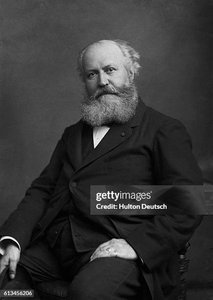
charles françois gounod
1818 - 1893 , France
基本情報
- Artistic Movement Or Style: Hudson River School
- Artists Or Movements Influenced By This Artist: ['Thomas Cole']
- Artists Who Influenced This Artist:
- John Boyd
- Nathaniel Jocelyn
- Date Of Birth: 1818 New Haven, CT
- Date Of Death: 1871 Cold Spring, NY
- Full Name: Thomas Prichard Rossiter
- Nationality: American
- Notable Artworks:
- Washington and Lafayette
- Washington's Cabinet
- George Washington Family
- Place Of Birth: New Haven, Connecticut

