

 プレビュー
プレビュー
 シェアする
シェアする シェアする
シェアする
 詳細を見る
詳細を見る

 ダウンロード
 似ている作品
 X線調査
X線調査 スライドショー
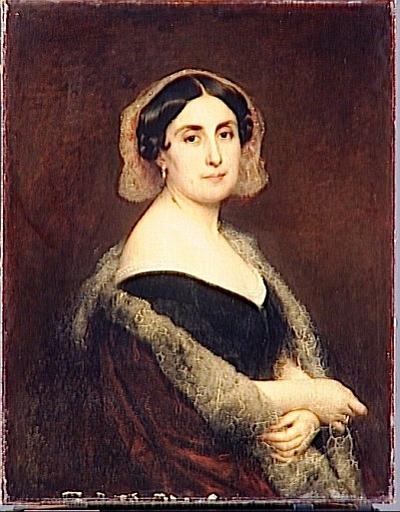
Portrait de Mme Paul Rattier


 詳細を見る
詳細を見る
ジークレー/アートプリント
迅速な制作と多彩な仕上げオプションを備えた、ミュージアムクオリティのジークレーまたはキャンバスプリント。 ( 手描きの絵画を購入 画像を購入)




P118B $10

P118H $10

P118W $10

P438Z $10

P508JH $12

P508YH $12

P805H $10

P805Z $10

P919BZ $10

P919G $10

P919XJ $10

P959ZH $10

P968JZ $12

W106C $8

W218G $10

W218JH $8

W218Y $10

W307PJ $10

W316G $10

W316PJ $8

W316Y $10

W398PJ $8

W4111J $10

W500HY $15

W500JH $15

W692G $12

W849H $8

W940BG $15

W953PJ $8




作品のオリジナル比率に合わせた、当店の規定サイズからお選びください。

特定のフレームやスペースに合わせて、ご自身でサイズを指定することも可能です。選択されたサイズが元の画像の比率と一致しない場合、作品をトリミングするか、鏡面反射または単色での塗りつぶしによって画像を拡張いたします。制作を開始する前に、ご確認用のデジタルモックアップをお送りいたします。
画面上のプレビューには、実際のトリミングや拡張は反映されませんのでご注意ください。最終的な構図を正確に確認できるのは、モックアップのみとなります。
カスタムサイズも承っておりますが、元の比率を維持するためには、あらかじめ用意されたリストからサイズを選択することをお勧めいたします。


 ガラスオプションは、110cm未満のサイズでのみご利用いただけます。

Portrait de Mme Paul Rattier
ジークレー/アートプリント
複製画のサイズ
-


合計金額
$ 62
Portrait de Mme Paul Rattier: A Window into 19th-Century Parisian Society
Charles François Jalabert’s “Portrait de Madame Paul Rattier” offers more than just a likeness; it's a meticulously crafted glimpse into the refined world of mid-19th century Paris. Painted in 1876, this oil on canvas work transcends mere representation, revealing a sophisticated understanding of light, form, and the subtle nuances of social standing. The painting resides within the esteemed collection of the Louvre Museum, a testament to its artistic merit and historical significance.
Jalabert, a prominent figure in the academic art scene, was renowned for his ability to capture the elegance and formality demanded by Parisian high society during his era. His style is distinctly rooted in the traditions of the École de Beaux-Arts, emphasizing realism, precise detail, and a carefully controlled palette. The portrait adheres closely to the conventions of the time – a three-quarter pose, crossed arms conveying composure, and a direct gaze that establishes an intimate connection with the viewer. It’s a scene frozen in a moment of quiet dignity, reflecting the values and expectations of upper-class women during this period.
A Symphony of Muted Tones and Delicate Brushwork
The painting's visual impact is immediately striking due to its masterful use of color. Jalabert employs a restrained palette dominated by browns, greys, creams, and subtle hints of burgundy – colors that evoke the luxurious fabrics and dimly lit interiors characteristic of Parisian salons. The artist’s technique is equally noteworthy; he utilizes soft, blended brushstrokes to create a sense of depth and texture, particularly in the draped shawl which appears both voluminous and incredibly soft. The careful layering of tones suggests a deep understanding of how light interacts with different materials, lending the portrait an almost tangible quality.
Close examination reveals a remarkable attention to detail – from the delicate folds of the woman’s dress to the subtle shading around her eyes and mouth. The artist skillfully captures the texture of the fabric, conveying its weight and movement without resorting to overly dramatic brushwork. The background, rendered in muted shades, serves primarily to frame the subject, drawing all attention to Madame Rattier herself.
Symbolism and Social Context
Beyond its technical brilliance, “Portrait de Mme Paul Rattier” is rich in symbolic meaning. The woman’s crossed arms are a powerful gesture of self-assurance and control – qualities highly valued in women of her social standing. Her direct gaze invites the viewer into her world, suggesting an openness and intelligence that belies the formality of the pose. The attire itself—a dark gown adorned with a delicate shawl—underscores her status within Parisian society.
Madame Paul Rattier was a prominent figure in literary circles, known for her salon which hosted many notable writers and artists. The portrait likely served as a visual representation of her social standing and intellectual influence. It’s a window into the world of 19th-century Parisian salons, where art, literature, and social interaction were inextricably linked.
A Timeless Masterpiece – Available as a High-Quality Reproduction
“Portrait de Mme Paul Rattier” remains a captivating work of art, offering viewers a glimpse into the elegance and sophistication of 19th-century Parisian society. Today, through ArtsDot.com, you can own a stunning reproduction of this masterpiece, bringing its timeless beauty into your home or office. Whether you’re an art enthusiast, a collector, or simply seeking to add a touch of classic charm to your space, this meticulously crafted reproduction is sure to delight.
関連作品
アーティストの略歴
early life and career
charles françois jalabert, a prominent figure in the art world, left an indelible mark on the realm of painting. born in 1819 in nîmes, france, jalabert's artistic journey was characterized by his rapid rise to fame among parisian high society in the second half of the 19th century.artistic style and notable works
jalabert's work is distinguished by its academic style, which garnered him significant attention. one of his most celebrated works, the plague of thebes, is a testament to his mastery of the medium. this oil on canvas painting, inspired by sophocles' 'oedipus rex', showcases jalabert's ability to capture the essence of tragedy and drama.- nymphs listening to the songs of orpheus (1853), now at the walters art museum, is another notable piece that exemplifies jalabert's skill in capturing ethereal scenes. [https://ArtsDot.com/@@/8ydvfb-jean-georges-beraud-an-evening](https://ArtsDot.com/@@/8ydvfb-jean-georges-beraud-an-evening) (though not a work by jalabert, showcases the museum's collection)
- the plague of thebes: oedipus and antigone (1842), housed at the musée des beaux-arts de marseille, further solidifies his reputation as a painter of poignant narratives.
- italian girl (after 1862), also at the walters art museum, demonstrates jalabert's versatility in capturing diverse subjects. [https://ArtsDot.com/@/charles-francois-jalabert](https://ArtsDot.com/@/charles-françois-jalabert) (view more works by jalabert on ArtsDot)
- portrait of henri d'orléans (1866), now at musée condé, is a prime example of his portraiture skills.
museums and collections
jalabert's works are part of several prestigious collections, including the musée des beaux-arts de nîmes, which houses some of his most significant pieces. to explore more of jalabert's art, visit [https://ArtsDot.com/@/charles-françois-jalabert](https://ArtsDot.com/@/charles-françois-jalabert) on ArtsDot.legacy and influence
charles françois jalabert's impact on the art world is undeniable. his academic style, coupled with his ability to evoke emotions through his work, has influenced generations of artists. to discover more about jalabert and other notable artists, explore ArtsDot's extensive collection at [https://ArtsDot.com](https://ArtsDot.com).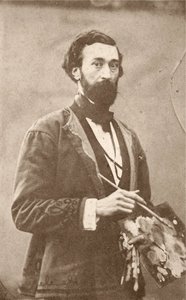
charles françois jalabert
1819 - 1901 , France
基本情報
- Artistic Movement Or Style: Academic Painting
- Artists Who Influenced This Artist:
- Paul Delaroche
- Antoine-Jean Gros
- Jacques-Louis David
- Date Of Birth: January 1, 1819
- Date Of Death: 1901
- Full Name: Charles François Jalabert
- Nationality: French
- Notable Artworks:
- The Plague of Thebes
- Oedipus and Antigone
- Nymphs Listening to Orpheus
- Italian Girl
- Place Of Birth: Nîmes, France
関連記事

Academic Portraiture: Tradition, Technique & the Evolution of Representational Art
Explore the rich history & masterful techniques of academic portraiture. Discover iconic artists, learn about collecting, and commission a bespoke oil painting reproduction with ArtsDot.
Academic Art: Tradition, Technique & the Pursuit of Ideal Form in the 19th Century
Explore the world of Academic Art! Discover its history, key artists like Ingres & Bouguereau, defining techniques, and lasting influence on 19th-century painting. Learn about the Salon system and its legacy.

The Enduring Legacy of Oil on Canvas: Technique, History & Aesthetic Impact
Explore the rich history & techniques of oil painting – from Renaissance masters to Impressionism. Discover pigments, layering methods, and why this timeless medium endures. Expert insights for artists & art enthusiasts.
19th Century Masterpieces: 10 Paintings That Defined an Era | ArtsDot
Journey through 19th century art with ArtsDot! Explore 10 iconic paintings – from Monet & Renoir to Courbet – and discover the stories behind Romanticism, Realism & Impressionism. Find museum-quality reproductions for your home decor. Explore the full collection online!

Oil on Canvas: A Historical & Technical Exploration of a Timeless Artistic Medium
Explore the rich history & enduring techniques of oil painting on canvas. Discover the science behind its longevity, conservation practices, and contemporary relevance. Expert insights for art enthusiasts.

