

 プレビュー
プレビュー
 シェアする
シェアする シェアする
シェアする
 詳細を見る
詳細を見る

 ダウンロード
 似ている作品
 X線調査
X線調査 スライドショー
 Stats
StatsPortrait of A Girl


 詳細を見る
詳細を見る
ジークレー/アートプリント
迅速な制作と多彩な仕上げオプションを備えた、ミュージアムクオリティのジークレーまたはキャンバスプリント。 ( 手描きの絵画を購入 Switch to Digital Image)




P118B $10

P118H $10

P118W $10

P438Z $10

P508JH $12

P508YH $12

P805H $10

P805Z $10

P919BZ $10

P919G $10

P919XJ $10

P959ZH $10

P968JZ $12

W106C $8

W218G $10

W218JH $8

W218Y $10

W307PJ $10

W316G $10

W316PJ $8

W316Y $10

W398PJ $8

W4111J $10

W500HY $15

W500JH $15

W692G $12

W849H $8

W940BG $15

W953PJ $8




作品のオリジナル比率に合わせた、当店の規定サイズからお選びください。

特定のフレームやスペースに合わせて、ご自身でサイズを指定することも可能です。選択されたサイズが元の画像の比率と一致しない場合、作品をトリミングするか、鏡面反射または単色での塗りつぶしによって画像を拡張いたします。制作を開始する前に、ご確認用のデジタルモックアップをお送りいたします。
画面上のプレビューには、実際のトリミングや拡張は反映されませんのでご注意ください。最終的な構図を正確に確認できるのは、モックアップのみとなります。
カスタムサイズも承っておりますが、元の比率を維持するためには、あらかじめ用意されたリストからサイズを選択することをお勧めいたします。


 ガラスオプションは、110cm未満のサイズでのみご利用いただけます。

Portrait of A Girl
ジークレー/アートプリント
複製画のサイズ
-


合計金額
$ 62
A Gaze of Quiet Strength
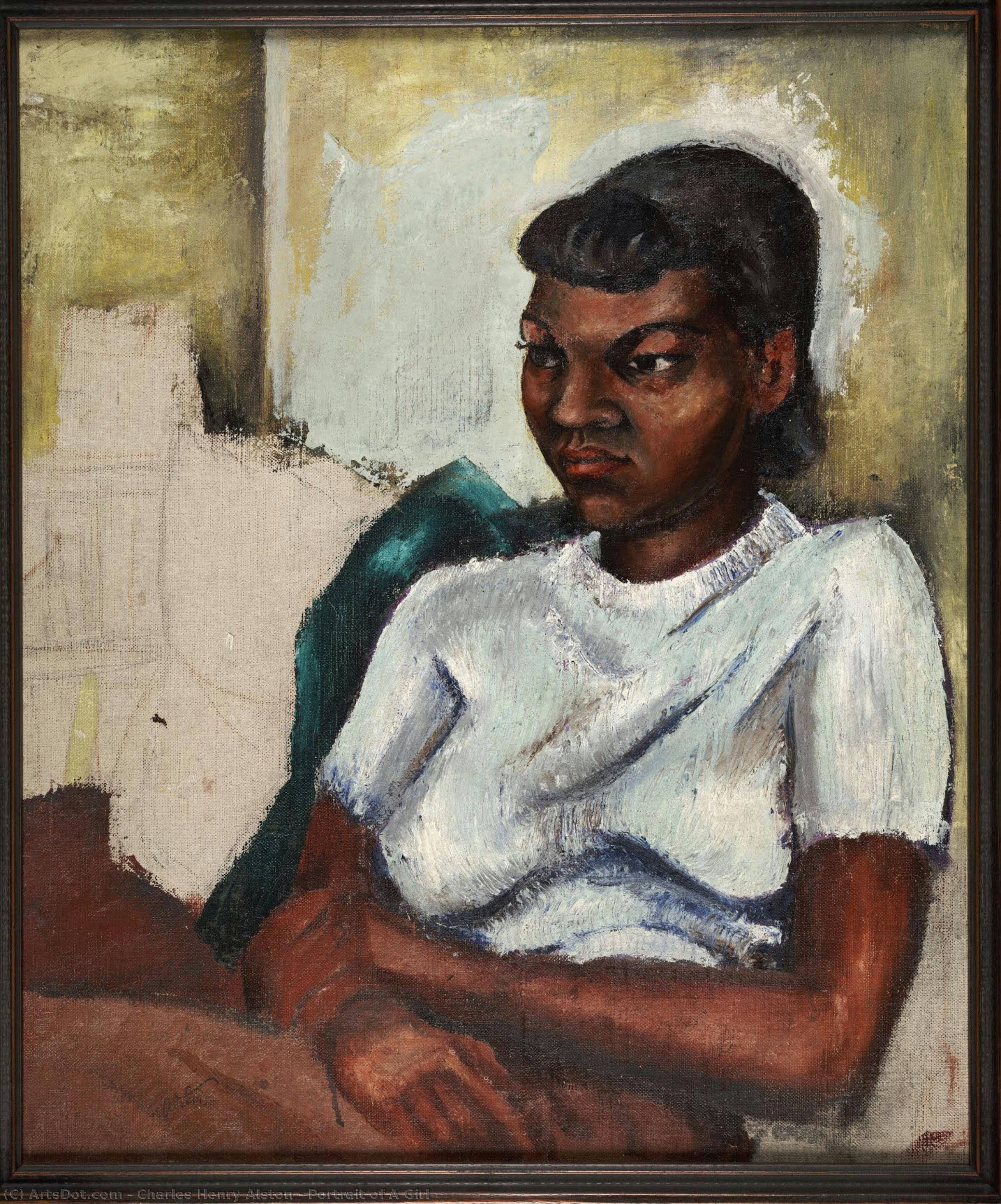
In the intimate realm of Charles Henry Alston’s Portrait of A Girl, we are invited into a moment of profound stillness and unyielding presence. Painted in 1940, this work serves as a masterful window into the soul of its subject, capturing a woman whose steady, direct gaze commands the viewer's undivided attention. Clad in a simple white shirt, her short-cropped hair and composed posture suggest a modern sensibility, stripped of unnecessary ornamentation to focus entirely on the psychological depth of the sitter. The composition is deceptively minimal; while a chair is partially visible in the periphery, the true subject is the palpable tension between the woman’s serious expression and the quiet space she occupies. There is an undeniable gravity here, a sense that we are witnessing not just a likeness, but a testament to the dignity of the individual.
Alston, a titan of the Harlem Renaissance, weaves his unique artistic lineage into every brushstroke of this portrait. Drawing inspiration from the modernist geometries of Picasso and the elongated, emotive elegance of Modigliani, Alston employs a technique that balances representational accuracy with a subtle, rhythmic abstraction. The way light interacts with the fabric of her shirt and the contours of her face demonstrates his ability to use form to convey character. His style during this era was deeply informed by his commitment to exploring racial identity and the Black experience, often utilizing the human figure as a vessel for both personal narrative and communal strength. In this portrait, the technique serves the emotion, creating a surface that feels both smooth and structurally robust.
For the discerning collector or interior designer, Portrait of A Girl offers more than mere aesthetic beauty; it provides a focal point of intellectual and emotional resonance. The painting’s neutral palette and balanced composition make it an exquisite addition to a sophisticated space, capable of anchoring a room with its quiet authority. It is a piece that invites contemplation, sparking conversations about identity, resilience, and the power of the gaze. Whether placed in a contemporary gallery setting or a classic study, this reproduction brings with it the historical weight of the New Negro Movement and the enduring legacy of an artist who transformed the canvas into a site of cultural reclamation.
関連作品

アーティストの略歴
Charles Henry Alston: A Life in Art and Advocacy
Charles Henry Alston (1907-1977) was a pivotal American artist – painter, sculptor, illustrator, muralist, and educator – deeply embedded within the vibrant cultural landscape of the Harlem Renaissance. His work served as both an artistic expression and a powerful statement about Black identity and community.
Early Life and Education
Born in Charlotte, North Carolina, Alston’s family moved to New York City during his childhood. He received a solid education, graduating from DeWitt Clinton High School in 1925. His artistic talent was evident early on, leading him to study at the Harlem Art Workshop and later at Yale University School of Fine Arts, where he earned both a B.A. (1929) and an M.F.A. (1931). This formal training provided a foundation for his evolving style.
Artistic Development & Influences
Alston’s artistic journey was shaped by a diverse range of influences. He admired the work of modernist masters like Pablo Picasso and Amedeo Modigliani, drawn to their simplified forms and expressive qualities. Simultaneously, he found profound inspiration in African art, recognizing its powerful symbolism and aesthetic strength. These combined influences led him to develop a unique style characterized by flattened perspectives, bold colors, and a focus on capturing the essence of his subjects.
Work During the WPA Era
The 1930s proved crucial for Alston’s career. He became the first African American supervisor for the Federal Art Project (FAP) of the Works Progress Administration (WPA). This role was groundbreaking, allowing him to provide opportunities for numerous Black artists during a time of economic hardship and racial discrimination. He also actively created murals as part of the WPA’s efforts to beautify public spaces, notably at Harlem Hospital – these murals remain significant examples of his commitment to community art.
Major Achievements & Artistic Style
- Murals: Alston's murals, particularly those at Harlem Hospital, depict scenes of African American life and history with dignity and grace.
- Paintings: His paintings often feature portraits and figurative compositions that explore themes of identity, family, and social justice. “Portrait of a Girl” is a prime example of his sensitive portrayal of Black subjects.
- Sculpture: Alston also excelled in sculpture, most famously creating the first official sculpture of an African American displayed at the White House – a bust of Martin Luther King Jr. (1990).
Historical Significance & Legacy
Charles Henry Alston’s significance extends beyond his artistic achievements. He was a dedicated educator, teaching at various institutions including Yale University and the High School of Art and Design in New York City. He believed strongly in empowering African Americans through cultural enrichment and artistic advancement. His work challenged racial stereotypes and contributed to a more inclusive representation of Black life in American art history.
Later Life & Continued Contributions
Throughout his career, Alston continued to exhibit his work and receive recognition for his contributions. He remained committed to social justice and used his art as a platform for advocacy. His legacy continues to inspire generations of artists and activists, solidifying his place as a vital figure in American art history.
His works can be found in numerous collections including the Syracuse University Art Collection and other museums across the United States.
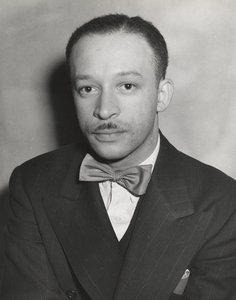
charles henry alston
1907 - 1977 , United States of America
基本情報
- Birth Date: 1907
- Birth Place: Charlotte, United States of America
- Death Date: 1977
- Influenced By: Modigliani, Picasso, African art
- Movement: Harlem Renaissance, Modernism
- Name: Charles Henry Alston
- Nationality: American
- Notable Works: Portrait of a Girl, Harlem Hospital murals, Bust of Martin Luther King Jr.
関連記事

Monochrome Visions: Exploring the Aesthetic & Historical Significance of Black & White Photography
Explore the rich history & artistic power of black and white photography. From early techniques to iconic masters like Ansel Adams, discover why monochrome continues to captivate art lovers today. Expert insights for collectors.
The Subtleties of White: Exploring Absence, Light & Symbolism in Art History
Explore the profound symbolism & history of white in art! From ancient purity to modern abstraction, discover how artists have used absence & light. Expert insights from ArtsDot.

White on Canvas: 10 Masterpieces & Timeless Elegance for Your Home Decor
Explore 10 iconic white paintings by Monet, Whistler & Rothko! Discover the stories behind these serene masterpieces and their impact on art history. Find museum-quality reproductions for your home decor at .
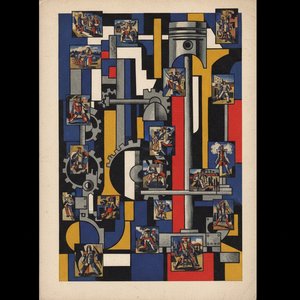
フェルナン・レジェ傑作25選:機械美と色彩の革新 | ArtsDot
フェルナン・レジェの傑作25選。機械美と色彩が織りなすキュビズムの世界を紐解きます。ArtsDotで、フランス絵画の巨匠レジェの作品を高精細プリントで。インテリアアートやギフトにも最適です。全コレクションはこちら: ArtsDot.com
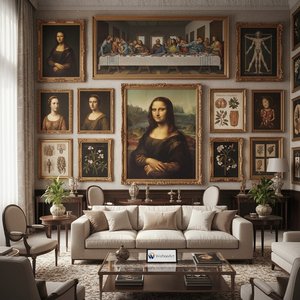
レオナルド・ダ・ヴィンチ:至高の25選 - 芸術、科学、そして不朽の名作の世界
レオナルド・ダ・ヴィンチの至宝25選。モナリザ、最後の晩餐…ルネサンス美術を代表する名画の世界へ。芸術史、技法、そして感動の物語を紐解き、お部屋に飾る高級複製画で特別な空間を。ArtsDot.comで全コレクションをご覧ください。